

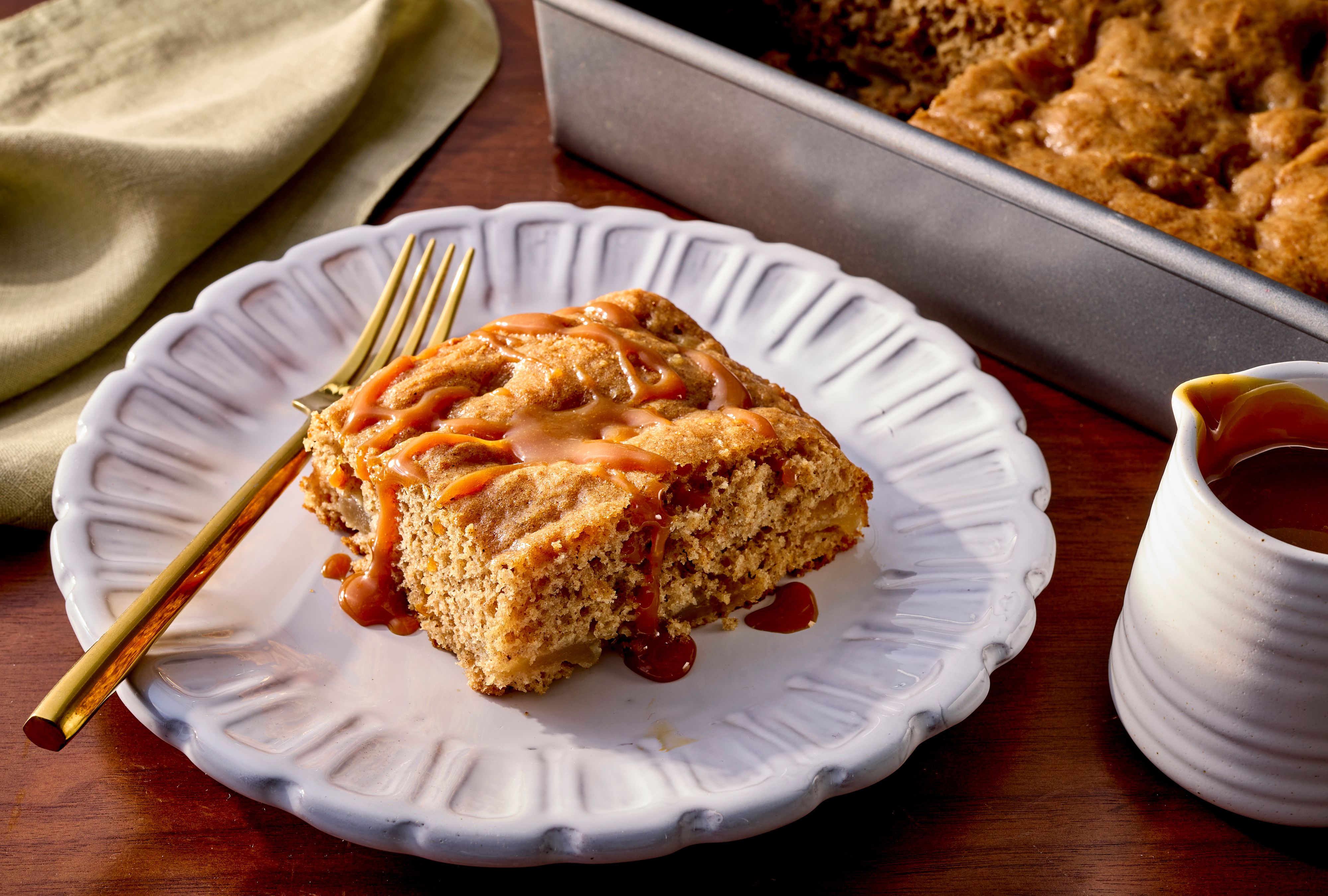
Apple desserts have a special talent: they make the kitchen smell like you have your life together, even if the laundry is still in the dryer from yesterday. The good news is that apples are naturally sweet, pleasantly tart, budget-friendly, and sturdy enough to handle baking, roasting, sautéing, stuffing, and crisp-topping without turning every dessert into a sugar avalanche.
In our test kitchen, “healthy apple desserts” does not mean sad apple slices staring at you from a plate while everyone else eats pie. It means desserts that keep the cozy flavor of apple pie, apple crisp, baked apples, and cinnamon-spiced treats while using smarter techniques: less added sugar, more fruit, whole-grain toppings, better portion control, and flavorful ingredients like cinnamon, oats, nuts, yogurt, lemon, vanilla, and warm spices.
This guide brings together practical test-kitchen advice, nutrition-minded swaps, and real dessert ideas you can actually make on a weeknight. No complicated pastry degree required. No lecture from a kale smoothie. Just apples doing what apples do best: becoming dessert.
Why Apples Are a Smart Base for Healthier Desserts
Apples are one of the easiest fruits to turn into a lighter dessert because they already bring sweetness, moisture, structure, and aroma. When baked, their natural sugars concentrate, their texture softens, and their flavor becomes deeper and more caramel-like. Add cinnamon and suddenly the whole house smells like a fall candle with better nutrition.
From a practical cooking standpoint, apples reduce the need for heavy fillings and oversized toppings. A dessert built around fruit can feel generous without relying on mountains of butter, cream, or refined sugar. That is why apple crisps, baked apples, apple compotes, and apple-oat bars are such test-kitchen favorites: they satisfy the craving for something warm and sweet while keeping the ingredient list familiar.
Apples also pair beautifully with ingredients that add texture and staying power. Oats create a crisp topping. Walnuts or pecans add crunch. Greek yogurt can replace whipped cream in some servings. Lemon juice brightens the filling. A small amount of maple syrup or brown sugar can go a long way when the apples are ripe and flavorful.
Our Test Kitchen Rules for Better Healthy Apple Desserts
1. Choose the Right Apple for the Job
Not all apples behave the same way in the oven. Some hold their shape; others soften into sauce. For baked apple desserts, our test kitchen usually reaches for firm, flavorful varieties such as Granny Smith, Honeycrisp, Pink Lady, Braeburn, Jonagold, or Fuji. Granny Smith brings tartness and structure, while Honeycrisp and Pink Lady balance sweetness with a lively bite.
For apple crisp, mixing two varieties often gives the best result. Try one tart apple and one sweeter apple. The tart apple keeps the dessert from tasting flat, while the sweeter apple adds natural sugar and roundness. It is the apple version of a buddy comedy: one sharp, one charming, both necessary.
2. Let the Apples Carry the Sweetness
A common mistake is adding sugar before tasting the fruit. Fresh apples vary a lot by variety and season. Some are sweet enough to need only a tablespoon or two of added sweetener in a whole dessert. Others benefit from a small boost of brown sugar, honey, or maple syrup.
Our rule: start low. Toss sliced apples with cinnamon, lemon juice, vanilla, and a modest amount of sweetener. After baking, the apples taste sweeter because their juices concentrate. You can always add a spoonful of yogurt, a drizzle of maple syrup, or a dusting of cinnamon at serving. You cannot politely ask excess sugar to leave once it has moved in.
3. Use Oats for a Crisp Topping That Feels Like Dessert
Rolled oats are a healthy apple dessert hero. They add texture, a nutty flavor, and a rustic look that says, “I made this from scratch,” even if you assembled it while answering texts. For a lighter crisp topping, combine oats with a small amount of whole-wheat flour or almond flour, chopped nuts, cinnamon, a pinch of salt, and just enough melted butter or oil to create clumps.
The goal is not to bury the apples under a blanket of crumble. A thinner, well-seasoned topping bakes up crisp and lets the fruit shine. For extra crunch, add chopped walnuts, pecans, almonds, or pumpkin seeds.
4. Keep the Peel When It Makes Sense
Apple peel adds color, texture, and fiber. In crisps, baked slices, sautéed apples, and compotes, leaving the peel on can be a smart move. For very delicate desserts, like thin apple tarts or custard-style apple cakes, peeling may create a smoother texture. Our test kitchen approach is simple: keep the peel when the dessert is rustic, remove it when the dessert is meant to be silky.
5. Add Flavor Before Adding More Sugar
Healthy apple desserts become more exciting when you build flavor with spices and aromatics. Cinnamon is the classic, but it is not the only player on the bench. Try nutmeg, ginger, cardamom, allspice, orange zest, lemon zest, vanilla extract, or a tiny pinch of salt. Salt may sound strange in dessert, but it sharpens sweetness and makes the apples taste more apple-y. Technical culinary term? Maybe not. Accurate? Absolutely.
Best Healthy Apple Desserts Recommended By Our Test Kitchen
1. Lighter Apple Crisp With Oat-Nut Topping
This is the healthy apple dessert we recommend first because it is easy, flexible, and almost impossible not to love. Slice firm apples and toss them with lemon juice, cinnamon, vanilla, a little cornstarch, and a small amount of maple syrup or brown sugar. Top with rolled oats, chopped nuts, whole-wheat flour, cinnamon, and a modest amount of melted butter or neutral oil.
Bake until the fruit bubbles and the topping turns golden. The cornstarch helps the apple juices thicken, so you get a spoonable filling instead of apple soup. Serve warm with plain Greek yogurt, lightly sweetened yogurt, or a small scoop of vanilla frozen yogurt.
Test kitchen tip: Use a wide baking dish. More surface area means more crisp topping and better evaporation, which gives the filling a jammy texture.
2. Cinnamon-Oat Stuffed Baked Apples
Stuffed baked apples look fancy but are secretly low-effort. Core whole apples, leaving the bottom intact, then fill them with a mixture of oats, cinnamon, chopped nuts, raisins or dried cranberries, and a small spoonful of maple syrup. Add a splash of water or apple cider to the baking dish, cover loosely, and bake until the apples are tender.
The result is warm, fragrant, and portion-controlled by nature. Each apple becomes its own dessert bowl. No slicing pie. No arguing over who got the bigger piece. Peace has entered the dining room.
Best apples: Honeycrisp, Pink Lady, Rome, or Granny Smith work well because they hold their shape during baking.
3. No-Added-Sugar Baked Apple Slices
When apples are naturally sweet, you can skip added sugar entirely. Slice apples and toss them with cinnamon, vanilla, lemon juice, and a small amount of melted butter or coconut oil. Bake until tender and glossy. The apples soften into a dessert that tastes like pie filling without the crust.
Serve the slices over unsweetened Greek yogurt, oatmeal, chia pudding, or whole-grain pancakes. You can also spoon them into small bowls and top with toasted walnuts for a fast weeknight treat.
Test kitchen tip: A mix of thin and slightly thicker slices creates better texture. The thin pieces become jammy; the thicker pieces stay tender but distinct.
4. Apple-Blueberry Crumble
Apples and blueberries are an underrated dessert team. Apples bring structure and mellow sweetness, while blueberries burst into a purple sauce that makes the whole dish look more dramatic than the effort required. Toss chopped apples and blueberries with lemon zest, cinnamon, and a little cornstarch. Add a simple oat topping and bake until bubbling.
This dessert is especially good when you want something fruit-forward and colorful. It also works with frozen blueberries, which means you can make it outside peak berry season.
Serving idea: Add a spoonful of low-fat vanilla yogurt or a dollop of whipped ricotta for creaminess.
5. Mini Apple Crisp Cups
Mini desserts are helpful because they make portions clear without making the dessert feel restricted. Divide diced apples among ramekins or muffin cups, then sprinkle each with oat crumble. Bake until the apples soften and the tops are golden.
These are great for meal prep, lunchbox desserts, or family dinners. They also cool faster than a full baking dish, which is excellent news for anyone who has ever burned their tongue because apple crisp smelled too good to respect science.
Test kitchen tip: Dice apples small for mini cups so they cook evenly before the topping over-browns.
6. Healthy Apple Nachos
Apple nachos are not baked, but they absolutely count as dessert. Slice crisp apples into wedges and arrange them on a plate. Drizzle lightly with warmed peanut butter or almond butter, then sprinkle with chopped nuts, unsweetened coconut, cinnamon, and a few mini dark chocolate chips.
This is a smart dessert for kids, after-school snacks, or late-night cravings. It is crunchy, sweet, creamy, and fun to eat. The trick is restraint with the toppings. You want apple nachos, not a candy store wearing an apple hat.
7. Apple Pie Yogurt Parfait
For a cool, creamy dessert, layer cinnamon-sautéed apples with plain Greek yogurt and a sprinkle of granola or toasted oats. Cook diced apples in a skillet with cinnamon, vanilla, lemon juice, and a splash of water until tender. Let them cool slightly, then spoon them into glasses with yogurt.
This parfait tastes like apple pie filling met cheesecake and decided to make better choices. It is also easy to prepare ahead. Store the apples and yogurt separately, then assemble just before serving so the topping stays crunchy.
8. Whole-Grain Apple Bread Pudding
Apple bread pudding can be made lighter by using whole-grain bread, plenty of chopped apples, low-fat milk, eggs, cinnamon, and a modest amount of sweetener. The apples add moisture, so you do not need as much cream or sugar as traditional versions.
Cube slightly stale bread, toss with apples, pour over the custard, and bake until set. The top becomes golden and crisp while the inside stays soft. Serve warm with a spoonful of yogurt or a drizzle of warm milk.
Test kitchen tip: Let the bread soak for at least 15 minutes before baking. Dry bread needs time to absorb the custard evenly.
How to Make Apple Desserts Healthier Without Making Them Boring
Reduce Added Sugar Gradually
If a classic recipe calls for a full cup of sugar, do not be afraid to cut it back. In fruit desserts, reducing sugar by one-quarter to one-third often still gives a sweet result, especially when the apples are ripe. You can also replace part of the sugar with naturally sweet ingredients like unsweetened applesauce, mashed banana, dates, or raisins, depending on the recipe.
Use Whole Grains Where They Make Sense
Whole-wheat pastry flour, oat flour, and rolled oats can work beautifully in apple crisps, bars, muffins, and crumbles. They add a nutty flavor that complements apples and cinnamon. For delicate pastries, use a lighter touch; for rustic desserts, whole grains usually fit right in.
Add Protein or Healthy Fat for Satisfaction
A dessert that includes a little protein or healthy fat can feel more satisfying. Nuts, seeds, Greek yogurt, ricotta, almond butter, and peanut butter all pair well with apples. The key is portion balance. A tablespoon of nut butter can make apple slices feel luxurious; half a jar turns dessert into a spoon-based commitment.
Watch the “Healthy” Topping Trap
Granola, coconut, nuts, maple syrup, and dark chocolate can be part of a healthy apple dessert, but they are still calorie-dense. Use them like flavor accents, not construction materials. A sprinkle of toasted nuts or a small drizzle of nut butter often gives enough richness.
Best Spices and Flavor Pairings for Healthy Apple Desserts
Cinnamon is the reliable best friend of apple desserts, but there are many ways to make healthy apple recipes taste special. Ginger adds warmth and a little zing. Cardamom gives a floral, bakery-style aroma. Nutmeg adds depth, but use it sparingly because it can take over quickly. Lemon juice and zest brighten sweet apples, while orange zest gives a holiday feel.
For crunch, try walnuts, pecans, almonds, pistachios, or pumpkin seeds. For creaminess, pair warm apples with Greek yogurt, whipped cottage cheese, ricotta, or a small scoop of frozen yogurt. For natural sweetness, use dates, raisins, dried cranberries, or a few chopped dried figs.
Common Mistakes to Avoid
Using Mushy Apples
Soft apples can turn watery or grainy when baked. Save them for applesauce or smoothies. For desserts, choose firm apples that feel heavy for their size and have no bruised spots.
Skipping Acid
Lemon juice is not just there to prevent browning. It balances sweetness and makes the apple flavor brighter. Even a teaspoon or two can improve the final dessert.
Overloading the Topping
A healthy apple crisp should still taste like apples. Too much topping makes the dessert heavy and can hide the fruit. Aim for a balanced layer that becomes crisp without smothering the filling.
Serving It Too Hot
Apple desserts need a few minutes to rest after baking. This allows the juices to thicken and the flavors to settle. Also, molten apple filling is basically delicious lava. Give it a moment.
Healthy Apple Dessert Experience Notes From Our Test Kitchen
After making more apple desserts than any reasonable countertop should have to witness, our test kitchen has learned that healthy apple desserts succeed when they feel intentional, not like a compromise. The best results usually come from treating apples as the main ingredient rather than the background singer. When the fruit is sliced evenly, seasoned thoughtfully, and baked until tender, you need surprisingly little sugar or fat to make the dessert feel complete.
One of our favorite experiences came from testing a lighter apple crisp with three different toppings. The first version had too much flour and tasted dry. The second used only oats and became chewy rather than crisp. The winner combined rolled oats, a little whole-wheat flour, chopped walnuts, cinnamon, and just enough butter to form small clumps. It was crunchy, fragrant, and satisfying without feeling heavy. The lesson: healthy baking is not about removing everything delicious. It is about using the delicious parts more strategically.
Stuffed baked apples also surprised us. They look like something you would serve at a dinner party where people use cloth napkins, but they are wonderfully simple. The biggest trick is coring the apple without cutting through the bottom. Once we got that right, the apples held their filling, softened beautifully, and created their own syrupy juices in the baking dish. A spoonful of yogurt on top made them taste creamy and indulgent, even though the dessert was mostly fruit and oats.
We also tested apple desserts for different occasions. For a quick family dessert, sautéed cinnamon apples were the clear winner because they took less than 20 minutes and made the kitchen smell like pie. For make-ahead lunches, mini apple crisp cups worked best because they packed neatly and reheated well. For a lighter party dessert, apple-yogurt parfaits looked pretty in glasses and gave guests the flavor of apple pie without a heavy slice at the end of the meal.
The most important experience-based tip is to taste your apples before baking. This sounds obvious, but it changes everything. A very tart apple may need a little more sweetener. A sweet Honeycrisp may need more lemon juice. A mild apple may need extra cinnamon, vanilla, or ginger. Recipes are helpful, but apples are agricultural little personalities. Some arrive sweet and charming. Some arrive tart and dramatic. Your job is to help them become dessert without forcing them into a one-size-fits-all formula.
Another useful lesson: texture matters as much as sweetness. People often think they want more sugar when what they actually want is contrast. A soft baked apple tastes better with toasted nuts. Warm apple slices feel more dessert-like with cool yogurt. A smooth apple compote becomes exciting with crisp granola. When you build contrast, you can keep added sugar lower because every bite has something interesting going on.
Finally, healthy apple desserts are more enjoyable when served with confidence. Do not introduce them by saying, “This is healthy, sorry.” That makes dessert sound like it is wearing orthopedic shoes. Instead, serve warm apple crisp, cinnamon baked apples, or apple nachos as real desserts that happen to be made with better choices. When the flavor is cozy, the apples are tender, and the topping crunches properly, nobody misses the sugar overload.
Conclusion
Healthy apple desserts prove that comfort food can be warm, sweet, and satisfying without becoming overly heavy. By choosing firm baking apples, leaning on cinnamon and citrus, using oats and nuts for texture, and keeping added sugar in check, you can make desserts that feel cozy enough for fall but simple enough for any weeknight.
Whether you make a lighter apple crisp, stuffed baked apples, apple-blueberry crumble, apple nachos, or a creamy apple pie yogurt parfait, the best approach is the same: let the apples lead. They bring natural sweetness, moisture, flavor, and that unmistakable fresh-from-the-oven aroma. In other words, apples are doing most of the work. We just give them a baking dish and a little applause.
Note: This HTML includes only the body content for easy copying and web publishing.