

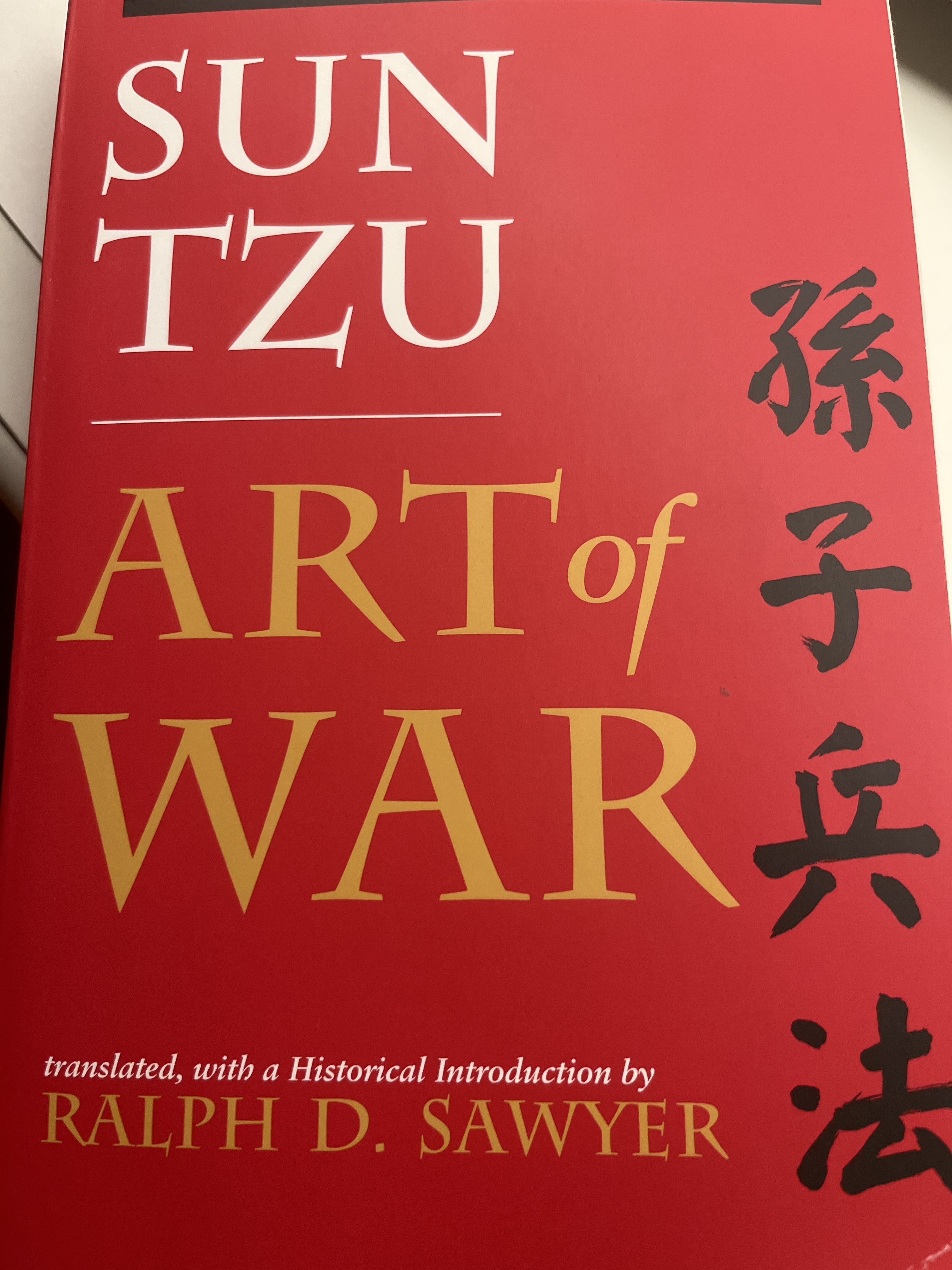
There is something wonderfully nosy, cozy, and harmlessly chaotic about asking people, “What are you reading right now?” It is the literary version of peeking into someone’s shopping cart at the grocery store. One person is carrying a thick fantasy novel with a dragon on the cover. Another has a dog-eared memoir, three sticky notes, and the facial expression of someone who has just discovered emotional damage in hardcover. Someone else is “currently reading” six books, which is less a habit and more a cardio workout for the imagination.
The phrase “Hey Pandas, post a picture of the book(s) you’re currently reading” fits perfectly into today’s online reading culture. It is friendly, visual, community-driven, and just a little bit delightfully curious. In a time when people share everything from sourdough starters to suspiciously perfect desk setups, sharing a book stack feels personal without being too private. It says, “Here is what is feeding my brain this week,” and sometimes also, “Please admire my bookmark; it has a tassel.”
Book photos are more than pretty content. They reveal moods, habits, identities, goals, and communities. They show how readers discover stories, how books travel from shelves to nightstands, and how online spaces can turn solitary reading into a shared experience. Whether the photo shows one thriller beside a coffee mug or a towering “currently reading” pile that looks legally unsafe, the message is the same: reading is alive, social, and still very much worth talking about.
Why People Love Sharing Pictures of Their Current Reads
Reading may happen quietly, but readers are not always quiet about reading. A photo of a book can start a conversation faster than a formal review. It invites quick reactions: “I loved that one,” “Is it worth the hype?” “That ending destroyed me,” or “My copy has been on my shelf since 2019 and is now technically furniture.”
Pictures make books feel approachable. A cover, a bookmark, a messy bedside table, a library receipt, or a handwritten note tucked between pages adds personality. Unlike a polished review, a current-read photo feels casual and immediate. It captures the book in use, not just as an object but as part of someone’s day.
It Turns Reading Into a Conversation
A book photo does what a good front porch used to do: it gives people a place to gather. Someone posts a paperback. Another reader recognizes the author. A third person recommends a similar title. Suddenly, a simple picture becomes a mini book club, minus the pressure of hosting snacks or pretending everyone finished chapter twelve.
This is why visual reading prompts work so well online. They are easy to join, low-pressure, and inclusive. You do not need a professional review, a literary degree, or a dramatic opinion about symbolism. You just need a book and a camera. Even audiobooks and e-books can join the party with screenshots, headphones, or a Kindle staged next to tea like it is about to give a TED Talk.
It Helps Readers Discover New Books
Book discovery has become highly social. Readers no longer rely only on bestseller lists, bookstore tables, or one mysterious aunt who recommends historical fiction at every family event. They now find books through online communities, short videos, reading challenges, library lists, newsletters, podcasts, and friend recommendations.
When readers post what they are currently reading, they create a living recommendation feed. These posts often feel more trustworthy than ads because they come from real people in real moments. A book beside a half-empty coffee cup can look more persuasive than a glossy campaign. It feels like proof that someone is actually spending time with the story.
The Rise of the Visual Reading Community
Modern reading culture is both old-fashioned and very online. People still love printed books, but they also track reading goals digitally, discuss plot twists on social media, listen to audiobooks during errands, and organize bookshelves by color because apparently chaos needed an aesthetic department.
Recent reading data shows that books remain a meaningful part of American life. Many U.S. adults still read at least part of a book each year, and print continues to hold a strong place even as e-books and audiobooks grow. That mix matters because a “currently reading” post can include almost any format. The story is the star, whether it lives on paper, a screen, or in someone’s earbuds while they fold laundry.
BookTok, Goodreads, and the Social Shelf
Online reading spaces have changed how books gain attention. Goodreads reading challenges encourage readers to track goals and compare progress, while BookTok and other social platforms turn emotional reactions into powerful recommendations. A reader crying over a fantasy romance or whispering, “Do not start this thriller at midnight,” can move more people than a traditional blurb.
The “social shelf” is now part of the reading experience. People want to know not just what critics think, but what ordinary readers are carrying in tote bags, stacking on nightstands, and reading in tiny stolen moments between work, school, parenting, and pretending to answer emails.
Why Book Photos Feel So Personal
A current-read photo can say a lot without saying too much. A stack of cookbooks may reveal someone trying to improve weeknight dinners. A grief memoir may hint at healing. A fantasy trilogy may say, “Reality and I are taking a short break.” A personal finance book may suggest ambition, anxiety, or a recent encounter with a terrifying grocery receipt.
Books are intimate objects. They travel with readers through commutes, waiting rooms, vacations, sleepless nights, lunch breaks, and quiet Sundays. Sharing a picture of one is a small act of openness. It lets others see a piece of the reader’s inner weather.
What Your Current Book Stack Says About You
No book stack should be judged too harshly. A person’s current reads are not a personality test, a moral report card, or evidence in court. Still, reading piles do have a certain comic honesty. They reveal intentions, distractions, and the beautiful gap between who we are and who we thought we would be when we bought that 700-page classic.
The One-Book Loyalist
The one-book reader is focused. They choose a title and stay with it until the final page. Their bookmark moves steadily, their reading life has structure, and their nightstand probably does not look like a small independent bookstore after an earthquake. These readers often enjoy immersion. They want to live inside one world at a time, whether that world is a murder mystery, a literary novel, or a practical guide to growing tomatoes without accidentally feeding the neighborhood squirrels.
The Many-Books-at-Once Reader
This reader has a fiction book for bedtime, a nonfiction book for mornings, an audiobook for errands, and a poetry collection for when the soul needs a snack. Their current reading list may look excessive, but there is a method to the madness. Different books serve different moods. A dense history book may not work after a long day, but a funny essay collection might be perfect.
Reading multiple books at once can also keep momentum alive. When one book slows down, another keeps the habit moving. The danger, of course, is creating a literary traffic jam. But for many readers, a varied stack is not clutter; it is a menu.
The Mood Reader
The mood reader is ruled by vibes, weather, snacks, and mysterious internal tides. They may start the week wanting a cozy mystery and end it deep in a science book about octopuses. Their shelves are full of options because they never know what future them will crave. This is not indecision. It is emotional menu planning.
The “I’ll Finish It Eventually” Reader
Nearly every reader knows this one. A book is started, paused, moved from desk to nightstand, then relocated to a shelf where it waits like a patient ghost. Sometimes the reader returns months later and finishes it with great satisfaction. Sometimes the book remains a monument to ambition. Both outcomes are normal. Reading should be meaningful, not a hostage situation.
The Benefits of Sharing What You’re Reading
Posting a current-read photo may seem simple, but it can support better reading habits and stronger community connections. Publicly sharing a book can make reading feel more intentional. It can invite encouragement, recommendations, and accountability without turning leisure into homework.
It Encourages Consistency
When readers share their books, they often become more aware of their reading habits. This does not mean every book needs to be finished quickly or displayed perfectly. Consistency can be gentle. Ten pages before bed, an audiobook during a walk, or one chapter on Sunday morning all count. The goal is not to impress strangers. The goal is to keep returning to stories and ideas.
It Builds Community Around Curiosity
Books connect people across backgrounds, ages, and interests. A retired teacher, a college student, a busy parent, and a night-shift nurse may all read the same novel for different reasons. A shared photo gives them a reason to talk. That small interaction can become a recommendation chain, a friendship, or at least a very spirited debate about whether the movie adaptation understood the assignment.
It Normalizes Different Kinds of Reading
One of the best things about current-read posts is that they show how broad reading really is. Graphic novels, romance, fantasy, biographies, cookbooks, poetry, business books, young adult novels, classics, comics, religious texts, self-help books, and audiobooks all belong. Reading is not limited to one format or one type of “serious” book.
This matters because many people carry unnecessary guilt about what they read. They think they should be reading something harder, older, longer, or more impressive. But a healthy reading life is not built only on prestige. It is built on interest, access, time, attention, and joy.
How to Take a Great Picture of the Book You’re Reading
You do not need professional equipment to take a good book photo. Natural light, a steady hand, and a little personality are enough. The best book pictures feel lived-in, not sterile. A slightly wrinkled blanket, a coffee stain, a library bookmark, or a cat tail entering the frame without permission can make the photo more charming.
Use Natural Light
Place the book near a window or outdoors in soft light. Avoid harsh glare, especially on glossy covers or e-reader screens. Morning or late afternoon light usually works well. If the book is open, make sure the page is readable only if you are comfortable showing the text. No one needs accidental spoilers, especially from page 312 where everything apparently catches fire emotionally.
Add Context Without Overcrowding
A book photo becomes more interesting when it shows where reading fits into your life. Try including a mug, glasses, headphones, a blanket, flowers, a library card, or a snack. Keep it simple. The book should remain the main character. The croissant is supporting cast.
Show Your Real Reading Life
Perfect photos are nice, but honest photos are often better. A paperback with a cracked spine, an audiobook app paused mid-chapter, a library copy with a due-date reminder, or a chaotic stack beside the bed can be more relatable than a flawless shelf. Readers recognize real life when they see it.
Great Caption Ideas for Current-Read Photos
A good caption invites conversation. It does not need to be long. Ask a question, share a quick reaction, or describe your reading mood. The best captions make it easy for others to respond.
- “Currently reading this and already suspicious of everyone.”
- “My weekend plans: this book, coffee, and ignoring laundry with confidence.”
- “Halfway through and emotionally unprepared. Send snacks.”
- “Reading one book? Couldn’t be me. Here is the full chaos stack.”
- “This cover made me buy it. The first chapter made me stay.”
- “Audiobook today because my hands are busy but my brain wants drama.”
- “No spoilers, please. I am fragile and on chapter six.”
What Kind of Books Are People Reading Right Now?
Reader interests shift with culture, seasons, trends, and personal needs. In recent years, adult fiction, romance, fantasy, romantasy, thrillers, memoirs, self-improvement, and narrative nonfiction have all attracted strong attention in online spaces. Some readers want escape. Some want knowledge. Some want comfort. Some want a plot twist so strong it knocks their emotional furniture over.
Book communities also help older titles find new audiences. A novel does not have to be newly published to become newly beloved. Online recommendations can revive backlist books, introduce classics to younger readers, and turn niche favorites into shared obsessions.
Comfort Reads
Comfort reading is not lazy reading. It is restorative. Cozy mysteries, romance novels, rereads, gentle fantasy, and humorous essays can offer relief during stressful times. A familiar author can feel like a warm lamp in a noisy world.
Challenge Reads
Some readers enjoy books that stretch them: long classics, complex histories, philosophy, science, or literary fiction with sentences that require a snack break. Challenge reads can be rewarding because they demand focus. They remind readers that attention is a muscle, and sometimes that muscle prefers sweatpants.
Conversation Reads
These are the books everyone seems to be discussing. They may be award winners, viral hits, controversial titles, celebrity book club picks, or novels with endings that cause group chats to erupt. Conversation reads create a shared cultural moment. Even readers who disagree about the book enjoy having something to debate.
Why Libraries and Bookstores Still Matter
Online book communities are powerful, but physical book spaces remain essential. Libraries provide access, discovery, quiet, programming, and support for readers of all ages. Bookstores create browsing experiences that algorithms cannot fully replace. Sometimes a reader needs to wander past a table, pick up a cover, read the first page, and think, “Well, I guess this is coming home with me.”
Libraries are especially important because they lower the cost of reading. Not every reader can buy every book they want, and no reader should have to choose between curiosity and a grocery budget. Library access, school reading programs, community book events, and literacy initiatives help make reading more equitable.
At the same time, book challenges and restrictions have made access a major public conversation in the United States. For readers, educators, parents, and librarians, the freedom to choose books remains closely tied to intellectual curiosity. A diverse reading life depends on shelves that include many voices, genres, and experiences.
How to Join the “Post Your Current Reads” Conversation
If you want to join a prompt like “Hey Pandas, post a picture of the book(s) you’re currently reading,” keep it simple and genuine. Take a photo of your current book, stack, e-reader, audiobook screen, or library haul. Add a short caption with your first impression, your reading mood, or a question for others.
You might ask: “Has anyone else read this?” “Should I continue the series?” “What are you reading this weekend?” or “Which one should I pick up next?” These questions turn a post into a conversation. And conversation is the secret ingredient that keeps reading communities lively.
Be Honest About Your Reading Pace
Not everyone reads fifty books a year. Not everyone reads every day. Some people finish a novel in one sitting; others take three months and seven bookmarks. Both are valid. The internet can make reading feel competitive, but books are not a treadmill with chapters. They are invitations.
Respect Different Tastes
One reader’s masterpiece is another reader’s “I abandoned this at page 40 and feel peaceful about it.” That is fine. Reading communities work best when people recommend generously and disagree kindly. No genre needs to apologize for existing. Romance, horror, literary fiction, manga, history, self-help, and children’s literature all have readers for a reason.
Personal Experiences: The Strange Joy of Seeing What Everyone Is Reading
There is a special kind of happiness in seeing a photo of someone’s current book and immediately feeling curious. Maybe the cover is beautiful. Maybe the title is strange. Maybe the book is so thick it looks like it should come with a wrist brace. Whatever the reason, a simple photo can pull you toward a story you would never have found on your own.
One of the most relatable reading experiences is the “accidental stack.” You begin with one book. Then a friend recommends a thriller. Then the library hold you placed three months ago arrives at exactly the wrong time. Then you discover a nonfiction title that seems important for becoming a more organized person, even though you are currently using receipts as bookmarks. Suddenly, you are reading four books, and each one represents a different version of you.
The bedside book stack is especially revealing. It often contains a comfort read, an ambitious read, a book that was started with great optimism, and at least one title that has been silently judging the reader since spring. Still, there is beauty in that stack. It shows curiosity. It shows hope. It shows that the reader believes tomorrow may contain enough time, energy, and tea to read another chapter.
Current-read photos also capture the emotional timing of books. The same novel can feel different depending on when it enters your life. A memoir may hit harder after a personal loss. A funny book may become a lifeline during a stressful month. A fantasy series may offer escape when the real world feels too loud. A practical guide may arrive just when you are ready to change a habit. That is why asking people what they are reading is not a small question. It is often a doorway into what they are thinking about, healing from, dreaming of, or trying to understand.
There is also joy in unfinished reading. People often talk about completed books, star ratings, and annual goals, but the middle of a book is where reading actually lives. The current read is uncertain. You do not yet know whether the ending will satisfy you, betray you, or make you stare at a wall for twenty minutes. Sharing a book mid-journey captures that suspense. It says, “I am here right now, inside this story, and I do not yet know what it will do to me.”
Posting current reads can also make reading feel less lonely. Many people read in small pockets of time: ten minutes before sleep, a chapter at lunch, an audiobook while driving, a few pages while waiting for water to boil. These moments are private, but sharing them creates connection. Someone else may be reading the same author, struggling with the same slow chapter, or looking for exactly the kind of book you just posted.
The best part is that a book photo does not demand perfection. The lighting can be average. The table can be cluttered. The bookmark can be an old receipt. Real reading is not always aesthetic. Sometimes it happens with tired eyes, cold coffee, and a blanket that has seen things. That honesty is what makes the prompt fun. It welcomes polished shelfies and chaotic stacks alike.
So, if a community asks, “Hey Pandas, post a picture of the book(s) you’re currently reading,” the best answer is not necessarily the most impressive book. It is the truest one. Post the paperback in your bag. Post the library book with the plastic cover. Post the audiobook that kept you company during chores. Post the cookbook you are reading like a novel. Post the fantasy brick that could stop a door in a hurricane. Every current read has a little story behind it, and sometimes that story is exactly what another reader needs to see.
Conclusion
Sharing a picture of the book or books you are currently reading is a small gesture with a surprisingly big heart. It celebrates curiosity, starts conversations, supports discovery, and reminds people that reading does not have to be private, perfect, or performative. A current-read photo can show comfort, ambition, escape, learning, humor, and community all at once.
Whether you are reading one paperback, juggling five formats, listening to an audiobook, rereading an old favorite, or bravely opening a classic that looks like it was printed with gym equipment in mind, your reading life counts. So take the picture. Add the caption. Ask the question. Somewhere out there, another reader is waiting to say, “I’ve read that,” “I want to read that,” or “Please tell me the dog survives.”