

Note: This article was written from a synthesis of established physical education tag-game rules, youth recreation guidance, and playground safety best practices, then rewritten in original, publication-ready language.
Introduction: A Tag Game That Spreads Fun, Not Homework
Infection Tag is the playground game that starts with one person, spreads faster than gossip in a school cafeteria, and ends with everyone laughing, sprinting, dodging, and dramatically yelling, “Nooo, I’ve been infected!” Also known as Zombie Tag, Virus Tag, or Infected Tag, this high-energy chasing game is simple enough for kids to learn in about thirty seconds, yet flexible enough for PE teachers, camp counselors, youth group leaders, families, and neighborhood crews to adapt for almost any group size.
The basic idea is easy: one or more players start as “infected.” Their job is to tag the uninfected players. Once tagged, a player joins the infected team and helps tag others. The game continues until everyone is infected, time runs out, or the last survivor earns eternal bragging rightsat least until snack time.
What makes Infection Tag so popular is that nobody sits out for long. Instead of being eliminated and forced to watch from the sidelines like a disappointed potato, tagged players stay active. The game encourages running, quick decision-making, spatial awareness, teamwork, strategy, and safe social play. It can be played indoors in a gym, outdoors on grass, on a playground field, at camp, during recess, or even as a warm-up before sports practice.
Below is a complete, beginner-friendly guide on how to play Infection Tag in 10 steps, including setup, rules, safety tips, variations, and real-world experience to help you run the game smoothly.
What Is Infection Tag?
Infection Tag is a variation of traditional tag where the number of taggers grows during the game. In classic tag, one person is usually “it,” and when they tag someone, the role switches. In Infection Tag, the role does not switchit spreads. Every tagged player becomes infected and joins the chasing team.
This creates a fun shift in strategy. At the beginning, survivors have lots of space and only a few threats. By the middle, the infected team starts working together. By the end, the final survivors are dodging a full swarm of taggers, which is when the game becomes part sport, part comedy show, and part dramatic movie finale.
How to Play Infection Tag: 10 Steps
Step 1: Choose a Safe Playing Area
Start by selecting a safe, open space. A grassy field, gymnasium, basketball court, playground blacktop, or large backyard can work well. The best area has enough room for players to move without crashing into walls, trees, benches, backpacks, playground equipment, or that one water bottle everyone somehow leaves in the middle of the action.
Before playing, inspect the ground. Remove loose objects, check for wet or slippery spots, and make sure there are no holes, sharp edges, or obstacles in the running path. If you are playing indoors, make sure the floor is dry and the boundaries are clear. For younger children, smaller spaces are usually better because they make the game easier to supervise.
Step 2: Mark Clear Boundaries
Boundaries are essential in Infection Tag. Without them, the game may slowly migrate across the park, into someone’s picnic, and possibly into another zip code. Use cones, chalk lines, gym lines, ropes, trees, or natural markers to define the play zone.
Explain the boundaries before the game starts. A simple rule works best: if a player steps outside the boundary, they are automatically infected or must return through a designated “restart zone.” For very young players, avoid harsh penalties and simply remind them to come back in. For older players, boundary rules add strategy and prevent endless escaping.
Step 3: Pick the First Infected Player
Choose one player to begin as infected. For larger groups, start with two or three infected players so the game does not take forever. A good rule of thumb is one infected player for every 8 to 12 total players. If you have 20 players, two starting infected players usually create a lively game. If you have 40 players, start with four or five unless you want the first infected player to file a formal complaint.
You can choose the first infected player by volunteer, random selection, rock-paper-scissors, birthday month, or a quick counting rhyme. If the same confident runners always volunteer, rotate the role so quieter or newer players get a chance too.
Step 4: Explain the Goal of the Game
The goal depends on which side you are on. If you are infected, your goal is to tag every uninfected player. If you are a survivor, your goal is to avoid being tagged for as long as possible. The game ends when all survivors are infected, when a timer runs out, or when the leader calls the round over.
Make the win condition clear. For example, you might say: “The infected team wins if everyone is tagged before five minutes are up. The survivors win if at least one player remains uninfected when time ends.” This turns a simple chase game into a team challenge, especially when survivors begin helping each other with distractions, spacing, and smart movement.
Step 5: Teach Safe Tagging
Safe tagging is the most important rule. A tag should be a light touch on the shoulder, upper arm, or upper back. It should never be a push, grab, slap, shove, tackle, trip, or flying superhero launch. Infection Tag is a running game, not a wrestling audition.
Before the game begins, demonstrate what a safe tag looks like. Ask players to practice a gentle “butterfly touch” on their own shoulder or on a partner’s upper arm. Make it clear that unsafe tags do not count and may result in a pause, warning, or short break from the round. This keeps the game fun, fair, and comfortable for everyone.
Step 6: Start the Game with a Countdown
Have all survivors spread out inside the boundaries. The infected player stands in the center or at one side of the play area. Start with a countdown: “Three, two, one, go!” You may also give survivors a five-second head start, especially if you are playing with younger children.
Once the game begins, infected players chase survivors and attempt to tag them safely. Survivors may run, dodge, change direction, use open space, and work together to avoid being caught. Players should keep their heads up and avoid sudden stops in crowded areas.
Step 7: Turn Tagged Players into Infected Players
When a survivor is tagged, they immediately become infected. They should raise a hand, call “infected,” or move to a quick “infection zone” for three seconds before joining the infected team. A visible signal helps prevent confusion, especially when the game gets fast.
For younger players, you can use colored pinnies, wristbands, pool noodles, or foam balls to identify the infected team. For older players, a simple raised hand or verbal call usually works. The key is that everyone understands who is chasing and who is still surviving.
Step 8: Encourage Teamwork and Strategy
Infection Tag becomes more exciting when players think strategically. Infected players can spread out, guard corners, gently herd survivors toward teammates, or communicate with quick calls like “left side!” or “close the gap!” Survivors can use spacing, fake-outs, and teamwork to stay alive longer.
However, teamwork should stay friendly. No blocking with bodies, no holding players, and no trapping someone against a wall or fence. A good strategy creates challenge without making anyone feel unsafe or cornered. The best rounds are competitive but still full of laughter.
Step 9: End the Round and Reset
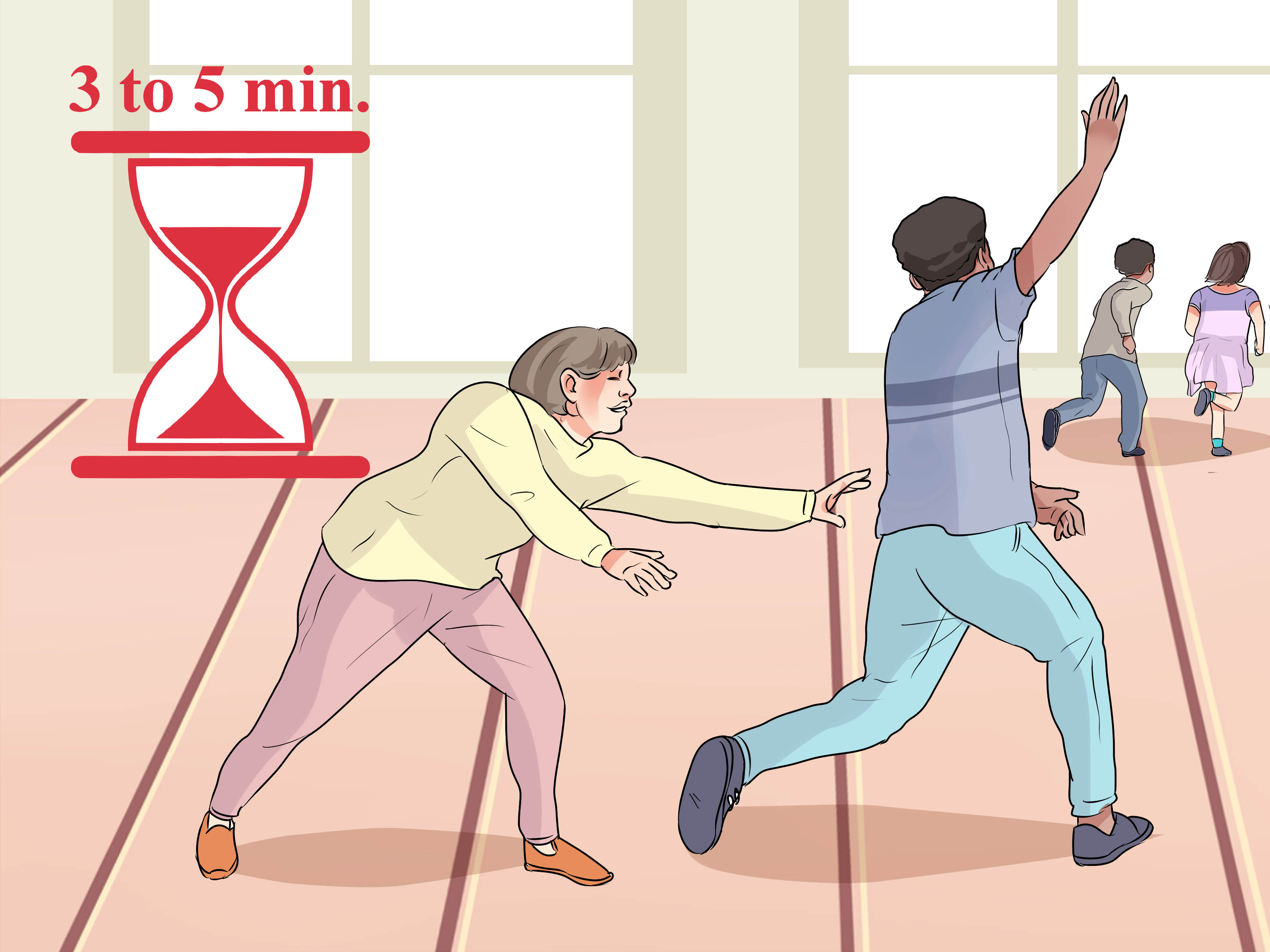
A round can end in several ways. The simplest ending is when every survivor has been infected. Another option is to set a timer for three to five minutes. If anyone remains uninfected when time runs out, the survivors win. If everyone is infected before the timer ends, the infected team wins.
Short rounds are usually better than long ones. They keep energy high and prevent fatigue from turning graceful runners into wobbling spaghetti noodles. After each round, reset the game by choosing new starting infected players. Give everyone a short water break if needed, especially outdoors or in warm weather.
Step 10: Add Variations to Keep the Game Fresh
Once players understand the basic rules, try variations. These keep Infection Tag exciting and make it easier to adjust for age, skill level, space, and group size.
Zombie Walk Infection Tag
Infected players must walk like zombies with stiff arms or slow steps. Survivors may run. This works well for younger children because it slows the chasing team and gives survivors more time to react.
Pool Noodle Infection Tag
Give infected players short foam pool noodles. A tag only counts when the noodle gently touches a survivor below the shoulders. This helps identify taggers and adds distance, but players must be reminded not to swing hard.
Medic Infection Tag
Add one or two medics who can “heal” infected players or rescue survivors. For example, a medic can tag an infected player and send them to a healing zone for ten seconds. This variation adds strategy and keeps the game from ending too quickly.
Safe Zone Infection Tag
Create two or three safe zones using cones or hula hoops. Survivors may stand in a safe zone for only five seconds. This prevents players from camping in safety forever like tiny vacation homeowners.
Silent Infection Tag
Players must move without talking. Infected players rely on gestures and eye contact. This variation builds awareness and is great for classrooms, camps, or drama activities.
Rules for Infection Tag
Here is a simple rule set you can use immediately:
- One or more players start as infected.
- All other players begin as survivors.
- Infected players tag survivors with a light touch on the shoulder, upper arm, or upper back.
- Tagged survivors become infected and help tag others.
- Players must stay inside the boundaries.
- No pushing, grabbing, tripping, blocking, tackling, or rough contact.
- The game ends when everyone is infected or when the timer runs out.
- New infected players are chosen each round.
Best Number of Players for Infection Tag
Infection Tag works with small or large groups, but the game changes depending on player count. With 5 to 8 players, start with one infected player and use a smaller space. With 10 to 20 players, start with one or two infected players. With 25 or more players, start with three to five infected players and use a larger area.
If the game ends too quickly, reduce the number of starting infected players or make the area larger. If the game drags on, add another infected player, shrink the boundary, or set a time limit.
Safety Tips for Playing Infection Tag
Because Infection Tag involves running and chasing, safety should be part of the setup, not an afterthought. Think of safety rules as the invisible referee wearing sensible shoes.
Use Light Tags Only
A tag should feel like a tap, not a thunderclap. Players should never push or grab. If someone tags too hard, pause the game and review the correct technique.
Keep the Area Clear
Remove loose equipment, bags, sticks, toys, and water bottles. Avoid playing near swings, slides, parking lots, stairs, or hard obstacles.
Adjust the Speed
If the space is small or the surface is hard, change the movement rule. Players can walk, skip, side-step, or move in slow motion. Slower versions can be just as funny and often safer.
Watch for Fatigue
Tired players are more likely to trip, bump into others, or forget the rules. Keep rounds short and schedule water breaks.
Make the Game Inclusive
Not every player moves the same way. Allow walking, partner play, smaller boundaries, safe zones, or special roles such as medic, coach, scorekeeper, or boundary monitor. The goal is active fun, not Olympic-level survival drama.
Why Infection Tag Is Great for Kids and Groups
Infection Tag is more than a chase game. It supports physical activity, social interaction, and quick thinking. Players practice acceleration, stopping, turning, dodging, scanning space, and reacting to changing situations. They also learn communication, teamwork, honesty, and respect for boundaries.
Because tagged players stay in the game, Infection Tag avoids the biggest problem with elimination games: bored players on the sidelines. Instead, every tag changes the game. The infected team grows, the survivors adapt, and the energy keeps building until the final moments.
Common Mistakes to Avoid
The first mistake is making the play area too large. If one infected player has to chase twenty survivors across an enormous field, the game may turn into cardio punishment with occasional waving. The second mistake is skipping the safety talk. Players need to know where to tag, how hard to tag, and what areas are off-limits.
Another common issue is letting rounds run too long. Infection Tag is most fun in quick bursts. Three to five minutes is often enough. Finally, avoid letting the same players dominate every round. Rotate starting roles, add movement restrictions, or include safe zones to balance the game.
Experience Section: What Playing Infection Tag Teaches You
After running or playing Infection Tag with different groups, one thing becomes obvious very quickly: the game is simple on paper, but surprisingly rich in real life. The first round usually starts with chaos. Players scatter in every direction, the first infected player sprints after the fastest person, and half the group forgets the boundaries within twenty seconds. That is normal. The first round is often less about perfection and more about letting players understand the rhythm.
By the second round, strategy appears. The infected players stop chasing only the fastest runner and start working together. One player cuts off the left side, another waits near the corner, and suddenly the confident survivor who was smiling five seconds ago is surrounded by three giggling taggers. This is where the game becomes exciting. Players learn that teamwork can beat speed, and that smart movement matters just as much as running fast.
For younger children, the biggest lesson is usually control. They are excited, so they may tag too hard, run without looking, or forget to stop at the boundary. A quick pause and a funny reminder helps: “We are tagging like butterflies, not launching rockets.” Demonstrations work better than lectures. When kids practice a gentle tag before restarting, the next round usually improves immediately.
For older kids and teens, Infection Tag becomes a strategy game. Survivors learn to avoid corners, keep moving, and watch the whole field instead of staring at one chaser. Infected players learn to communicate and cover space. A group that begins as a crowd of random runners often becomes organized within a few rounds. That transformation is one of the best parts of the game.
One practical experience tip is to use short rounds with quick resets. Long rounds can become tiring, and tired players make messy decisions. Short rounds keep the excitement high and give everyone a fresh chance. Another helpful trick is to change one rule at a time. Add safe zones in one round, zombie walking in another, or medics in another. Too many rule changes at once can turn a simple game into a committee meeting with sneakers.
Infection Tag also works well as an icebreaker. New groups often relax once they share a silly, active experience. The game gives players permission to laugh, move, and interact without needing complicated equipment or advanced skills. Even shy players can participate because the rules are clear and the roles change naturally.
The best experience of all is watching the final survivor. Everyone knows the moment. The infected team spreads out. The last survivor scans the field. Someone yells, “Get them!” The chase begins. Whether the survivor escapes until time runs out or gets tagged in a dramatic last-second moment, the round almost always ends with cheers. That is the magic of Infection Tag: it turns a simple playground game into a tiny adventure.
Conclusion
Infection Tag is easy to learn, quick to set up, and exciting for many ages. With a safe playing area, clear boundaries, gentle tagging rules, and short rounds, it becomes an excellent game for PE class, recess, camp, youth groups, family gatherings, and neighborhood play. The rules are simple: choose the infected, avoid getting tagged, join the infected team when caught, and keep playing until everyone is infected or time runs out.
The real secret is flexibility. You can make the game faster, slower, sillier, more strategic, or more inclusive by changing the number of infected players, adding safe zones, using medics, or adjusting movement rules. Keep safety first, rotate roles often, and let the laughter do its job. Infection Tag may sound dramatic, but when played well, the only thing spreading is fun.