

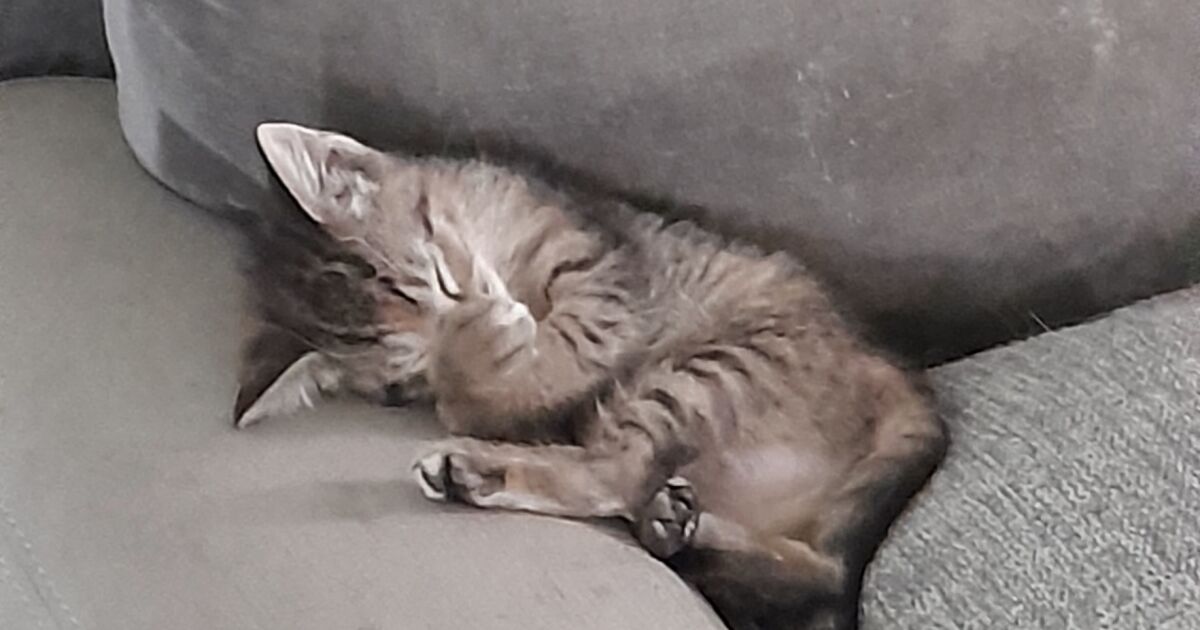
There are two kinds of people on the internet: people who share cute pet pictures, and people who say they “don’t care” but somehow spend 47 minutes zooming in on a cat’s tiny toe beans. If you are here because the phrase “Hey Pandas, Share A Cute Picture Of Your Pet” made your heart do a little golden-retriever tail wag, welcome. You are among friends, fur, feathers, scales, whiskers, and at least one pet who believes the laundry basket is a luxury apartment.
Pet photos are more than quick entertainment. They are miniature stories. A dog sleeping upside down with all four paws in the air tells us, “This house is safe.” A cat glaring from inside a cardboard box says, “I have conquered architecture.” A bunny with lettuce on its nose proves that elegance is optional. In a noisy online world, cute pet pictures feel like a reset button with paws.
Across the United States, pets are treated less like background animals and more like family members with opinions, schedules, favorite blankets, and suspiciously strong feelings about vacuum cleaners. Veterinary organizations, public health experts, animal welfare groups, and adoption advocates all agree on one big idea: the human-animal bond matters. Pets can encourage movement, ease loneliness, support routines, and bring emotional comfort. In simpler words, they make life softer around the edges.
So, Pandas, this is your invitation: share the cute picture. Share the dignified portrait, the blurry zoomies shot, the dramatic side-eye, the “I swear he sleeps like this” evidence, and the photo where your pet looks like they just heard neighborhood gossip. The world could use the serotonin.
Why Cute Pet Pictures Make People So Happy
There is a reason people pause mid-scroll for a fluffy face. Cute pet pictures combine emotional connection, surprise, humor, and familiarity. They are easy to understand in one glance. You do not need a 12-part documentary to appreciate a pug wearing an expression of financial concern.
Pets also create a shared language. A person in Texas, a student in Ohio, a retired couple in Florida, and an office worker in New York may have different routines, but everyone understands the comedy of a cat knocking something off a table while maintaining eye contact. Everyone understands the joy of a dog waiting at the door like you have returned from a heroic voyage, even if you only took out the trash.
Health and research organizations have long discussed the benefits of human-animal interaction. Pets may help people feel less isolated, encourage outdoor activity, and add structure to the day. Dogs often get their humans walking. Cats, despite their reputation as tiny velvet dictators, can be calming companions. Birds, rabbits, reptiles, guinea pigs, and other pets bring their own rhythms and personalities into a home.
That is why a simple pet photo can feel surprisingly powerful. It reminds viewers that affection can be goofy. Comfort can be small. Joy can have whiskers.
The Internet Loves Pets Because Pets Are Honest
People polish their online lives. Pets do not. A dog does not care if the throw pillow matches the curtains. A cat does not wait for perfect lighting before deciding to sit in the sink. A parrot will interrupt a video call because timing is apparently a social construct. Pets bring authenticity to social media because they are beautifully, chaotically themselves.
That honesty is what makes pet pictures so shareable. We laugh because animals do not perform perfection. They perform curiosity, confusion, confidence, jealousy, hunger, nap science, and occasional household terrorism. A pet photo often captures a moment no human could stage: the instant a puppy discovers snow, a cat meets a cucumber-shaped object, or a hamster stuffs its cheeks like it is preparing for a long winter and a small business loan.
For community-driven posts like “Hey Pandas, Share A Cute Picture Of Your Pet,” the fun is not only in the images. It is in the comments, captions, names, and tiny backstories. A photo of a rescue dog becomes more touching when you learn he was shy for months and now sleeps belly-up. A picture of an elderly cat becomes sweeter when the owner says she has ruled the household for 17 years and still screams at closed doors.
What Makes a Pet Picture Truly Cute?
Cuteness is subjective, but certain pet-photo ingredients work almost every time. Big eyes, relaxed poses, funny expressions, tiny paws, and unexpected behavior all help. Still, the best pet pictures usually come down to personality.
1. The Expression Tells a Story
A good pet photo makes viewers wonder what happened one second before or after the shot. Did the dog just hear the word “treat”? Did the cat just realize the vet carrier is in the hallway? Did the rabbit steal a blueberry and flee the scene? Expression gives the image life.
2. The Setting Feels Natural
Pets look cutest when they are comfortable. A dog relaxing on a favorite blanket, a cat curled in a sunny window, or a guinea pig exploring a safe play area often photographs better than a forced pose. The best background is not always fancy. Sometimes it is just the corner of the couch your pet has legally claimed.
3. The Photo Captures a Quirk
Every pet has a signature move. Some dogs tilt their heads when confused. Some cats sleep in positions that suggest they were assembled incorrectly. Some birds dance when music plays. Some reptiles stare with the ancient wisdom of a tiny dinosaur judging your life choices. Capture the quirk, and the cuteness follows.
How to Take Better Cute Pet Pictures
You do not need a professional camera to take an adorable pet photo. Your phone is enough if you use patience, light, timing, and a snack-based negotiation strategy. Pets are not models. They are collaborators with limited attention spans and strong unions.
Use Natural Light Whenever Possible
Soft daylight is your friend. Try taking pictures near a window, on a shaded porch, or outside during morning or late afternoon. Harsh midday sun can create shadows, while dim indoor lighting can make photos blurry. If your pet is black, white, or very fluffy, tap your phone screen to adjust focus and brightness before shooting.
Get Down to Their Level
One of the simplest pet photography tips is to photograph from your pet’s eye level. Kneel, sit, or lie on the floor. Yes, your dignity may suffer. Yes, there may be mystery crumbs. But the result is worth it. Eye-level photos feel more intimate because they show the world from your pet’s perspective.
Let Your Pet Be Comfortable
Never force a pet into a pose that causes stress. Watch body language. A relaxed pet may have soft eyes, a loose posture, normal breathing, and curiosity. A stressed pet may hide, pant, freeze, flatten ears, tuck the tail, refuse treats, or try to escape. Cute should never come at the cost of comfort.
Use Treats, Toys, and Sounds Wisely
A squeaky toy or treat can help get your pet’s attention, but use it sparingly. If you squeak the toy 42 times, your dog may either become wildly excited or decide you have lost your mind. Hold the treat near the camera lens for eye contact, then reward your pet quickly. Bribery? No. Artistic compensation.
Take Many Photos
Professional pet photographers often take dozens of shots to get one perfect image. Your pet may blink, walk away, sneeze, lick the lens, or turn into a blur with ears. That is normal. Use burst mode for action shots, then choose the best image later.
Cute Pet Picture Ideas for Pandas
Need inspiration before sharing? Try one of these pet photo ideas. Keep it safe, relaxed, and fun.
The “Just Woke Up” Portrait
Capture your pet after a nap, when they look soft, confused, and emotionally unavailable. Bonus points if one ear is flipped or their fur looks like they fought a pillow and lost.
The Favorite Toy Shot
Photograph your pet with the toy they love most. It may be a plush duck, a tennis ball, a feather wand, or a cardboard tube that cost nothing but somehow defeated every expensive toy in the house.
The Tiny Detail Photo
Not every cute pet picture needs the whole animal. Try photographing paws, whiskers, ears, nose freckles, curled tails, or a sleeping face. Small details often make people melt faster than ice cream on a July sidewalk.
The Before-and-After Adoption Photo
If your pet is adopted, a gentle before-and-after story can be deeply moving. Show how they changed from nervous newcomer to couch royalty. Adoption stories remind readers that love, patience, and proper care can transform an animal’s life.
The Funny Fail
Sometimes the best photo is technically terrible but emotionally perfect. A blurry dog mid-jump. A cat with one glowing alien eye. A hamster moving so fast it becomes a potato-shaped comet. Share it anyway. Perfection is overrated; personality wins.
Sharing Pet Photos Safely Online
Before posting, take a quick safety check. Cute pet pictures are fun, but privacy matters. Avoid sharing details that reveal your home address, phone number, license plate, vet clinic documents, microchip paperwork, or daily routine. If your pet wears an ID tag, blur the phone number before uploading.
Also be careful with location tags. Posting a real-time location can reveal where you live or where your pet regularly walks. If you want to tag a general city or park after you have left, that is safer than broadcasting your exact location in the moment.
If you are sharing someone else’s pet, ask permission first. Not every owner wants their animal posted publicly. And if the pet belongs to a shelter or rescue, follow their sharing guidelines. Clear, kind, accurate posts can help animals find homes, but misleading captions or outdated information can create confusion.
Pet Photos Can Help Shelter Animals Shine
Animal welfare organizations often use photos and videos to help adoptable pets stand out. A clear, bright picture can show a dog’s gentle eyes, a cat’s playful personality, or a rabbit’s curious nature better than a plain kennel photo. Social media can turn one overlooked animal into someone’s future best friend.
If you volunteer or foster, good pet photography is a real gift. A well-lit picture with a simple caption can make a shelter pet feel more knowable. Instead of “brown dog, medium size,” the viewer sees “Milo, a goofy nap enthusiast who carries his stuffed dinosaur everywhere.” That kind of detail helps people imagine a relationship, not just an adoption listing.
Still, honesty is important. Cute photos should not hide important needs. If a pet is shy, energetic, senior, bonded to another animal, or needs a quiet home, say so. The goal is not to market animals like products. The goal is to help the right people meet the right companions.
Caption Ideas for Cute Pet Pictures
A great caption can make a cute picture unforgettable. Keep it short, specific, and true to your pet’s personality. Try playful captions like:
- “Local cat discovers sunlight, claims ownership immediately.”
- “This is Bruno. He has never paid rent but owns every couch.”
- “Mochi heard the treat bag from three rooms away.”
- “She looks innocent. The shredded tissue says otherwise.”
- “Tiny paws, big opinions.”
- “He came, he saw, he napped.”
- “My pet’s LinkedIn profile picture.”
Captions work best when they reveal a tiny truth. If your dog is dramatic, lean into it. If your cat is suspicious, let the caption sound like a detective novel. If your bird is loud, admit that your home has a feathered alarm system with no snooze button.
Why Pet Communities Feel So Warm
Pet-sharing communities are comforting because they invite people to participate without pressure. You do not need to be an expert writer, photographer, or comedian. You only need one photo and a little love. That makes posts like “Hey Pandas, Share A Cute Picture Of Your Pet” easy to join and hard to resist.
These communities also create gentle connections between strangers. Someone may comment that your orange cat looks like theirs. Someone else may share that your senior dog reminds them of a pet they miss. Another person may simply write, “Please tell him I love him,” which is possibly the purest sentence on the internet.
In a time when online spaces can feel argumentative, pet photos offer a rare truce. Nobody wants to debate macroeconomics under a picture of a corgi in a raincoat. Well, almost nobody. There is always one guy. But most people simply enjoy the moment.
Respecting Pets While Celebrating Them
As much as we love funny pet pictures, it is important to respect animal welfare. Avoid costumes, props, or setups that restrict movement, breathing, vision, or comfort. Do not scare pets for reactions. Do not place animals in unsafe locations, near dangerous objects, or around unfamiliar animals just for a photo.
The cutest pictures are usually the ones where pets are relaxed and safe. A dog smiling during play, a cat loafing on a blanket, a turtle enjoying supervised time outside, or a rabbit munching greens can be adorable without any forced drama. When in doubt, let your pet lead.
Also remember that different pets have different needs. Reptiles may need temperature control. Birds may be sensitive to fumes and stress. Rabbits and guinea pigs are prey animals and can become frightened by loud handling. Senior pets may need shorter sessions. A cute picture is never worth making an animal uncomfortable.
Experiences Related to “Hey Pandas, Share A Cute Picture Of Your Pet”
One of the sweetest things about asking people to share pet photos is how quickly a simple thread turns into a neighborhood of stories. You start with one picture of a dog wearing a sleepy expression, and suddenly you are reading about the day he was adopted, the sock he refuses to give back, and the way he gently checks on his owner every morning. A pet picture opens the door; the story walks in wagging its tail.
I once saw a photo thread where someone shared a cat sitting inside a cereal box. Not beside it. Not near it. Inside it, with the expression of a tired landlord reviewing lease applications. The caption explained that the cat ignored every soft bed in the house but chose that box for three straight days. That is the kind of pet content people remember because it feels real. Anyone who has lived with a cat knows that the more money you spend on pet furniture, the more emotionally attached the cat becomes to packaging materials.
Another unforgettable example was a senior dog with a cloudy-eyed, gentle face resting his chin on a stuffed animal. The photo was not flashy. There was no costume, no perfect background, no dramatic lighting. But it had tenderness. The owner wrote that the dog had carried that toy since puppyhood and still looked for it before bedtime. That tiny detail changed the photo from cute to meaningful. It reminded everyone that pets have habits, memories, preferences, and emotional worlds of their own.
Funny pet pictures create another kind of connection. A rabbit caught mid-hop can look like a tiny superhero. A parakeet leaning into the camera can look like it is about to announce breaking news. A dog with peanut butter on its nose can appear deeply betrayed by physics. These images make people laugh because animals are naturally expressive without trying to be. They do not understand memes, yet somehow they are better at them than we are.
Sharing pet pictures can also be healing. Many owners post photos of pets who have passed away, not to make others sad, but to celebrate a life that mattered. A picture of an old cat in a sunbeam or a gray-muzzled dog on a favorite trail can become a small memorial. In kind communities, people respond with compassion. They say the pet was beautiful. They ask for the pet’s name. They honor the bond. That matters more than many people realize.
There is also joy in seeing unusual pets included. Dogs and cats may dominate the internet, but cute comes in many forms. A bearded dragon wearing a calm little face under a heat lamp, a rat holding a pea like treasure, a fish with dramatic fins, a horse pressing its nose toward the camera, or a tortoise eating a strawberry can all bring the same warm reaction. Pet love is not limited to fur. Sometimes it has scales, hooves, feathers, shells, or tiny grabby hands.
The best experience, though, is the moment someone says, “Your pet made my day.” That is the magic of a cute pet picture. It travels farther than the room where it was taken. It reaches someone on a lunch break, someone having a rough morning, someone missing home, or someone who simply needed a reason to smile. Your pet may never know they performed a public service by sleeping in a ridiculous position, but the internet knows. And the internet thanks them for their sacrifice.
Conclusion: Share the Picture, Pandas
“Hey Pandas, Share A Cute Picture Of Your Pet” is more than a prompt. It is an invitation to celebrate the animals who make ordinary days brighter. Whether your pet is majestic, mischievous, sleepy, dramatic, tiny, enormous, elegant, or shaped suspiciously like a loaf of bread, their picture has a place in the great online gallery of joy.
Take the photo. Write the caption. Tell the story. Share the rescue journey, the silly habit, the favorite toy, the weird sleeping pose, or the face your pet makes when snacks are delayed by an unacceptable three seconds. Cute pet pictures remind us that happiness does not always arrive loudly. Sometimes it pads across the floor, curls up beside us, and sheds on our black pants.
Note: This article is written in original wording and informed by reputable U.S. veterinary, public-health, animal-welfare, adoption, and pet-photography guidance.