

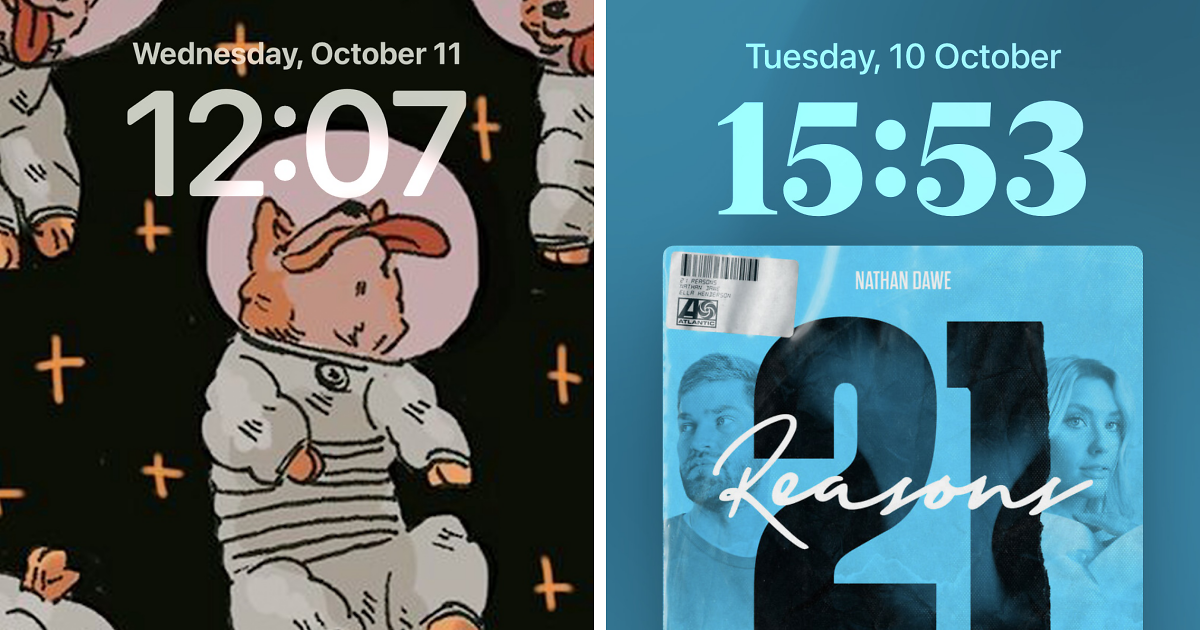
Your lock screen may be the most frequently viewed piece of art you own. You see it before checking the weather, answering a message, dismissing an alarm, or discovering that one app has sent 37 notifications because it desperately misses you.
Some people use family portraits. Others choose vacation scenery, pets, fictional characters, motivational quotes, abstract art, or a completely black background that whispers, “I have achieved digital minimalism.” Whatever appears there, a device lock screen can reveal a surprising amount about someone’s personality, priorities, memories, and sense of humor.
So, Pandas, here is today’s challenge: take a picture or screenshot of your device’s lock screen and share it. Before posting, however, give it a quick privacy inspection. Your wallpaper can join the party; your private messages, calendar appointments, and banking alerts should probably stay home.
Why Lock Screens Are So Personal
A lock screen is not exactly a public art gallery. It is usually designed for an audience of one, which is what makes seeing other people’s screens so interesting. It offers a small, unpolished glimpse into the images they want nearby every day.
Unlike a social media profile photo, a lock screen does not have to impress employers, distant relatives, former classmates, or people who suddenly became cryptocurrency experts last Tuesday. It can be sentimental, ridiculous, practical, messy, or deeply specific.
A Tiny Window Into Someone’s Life
A person who uses a family photograph may enjoy carrying a familiar moment everywhere. Someone with a picture of a mountain, beach, or forest might be remembering a favorite tripor mentally escaping a meeting that should have been an email. A pet wallpaper often says, “This animal contributes nothing financially, yet controls my household.”
Even plain backgrounds tell a story. A solid color may indicate a preference for simplicity and readability. A dark wallpaper can make bright interface elements less distracting. A carefully coordinated clock, font, widgets, and photograph might belong to someone who considers moving an icon three pixels to the left a legitimate Saturday project.
Memory, Mood, and Motivation
Many people choose lock-screen wallpapers for emotional reasons. A wedding picture, childhood photograph, departed pet, favorite city, or image of someone important can transform a routine glance at the time into a brief moment of connection.
Others prefer motivational reminders. A short phrase such as “Keep going,” “Drink water,” or “Do not order more houseplants” can serve as a repeated cue. Since the lock screen appears before most phone activities, it occupies valuable mental real estate.
Of course, inspirational lock screens do not always produce inspirational behavior. A wallpaper may say “Focus,” while the phone opens directly to a 46-minute video about a raccoon stealing cat food. Human beings contain multitudes.
Modern Lock Screens Can Do Much More Than Show a Picture
Today’s lock screens combine personalization with practical information. Depending on the device, users may be able to adjust the clock, change fonts and colors, add widgets, display notifications, choose shortcuts, rotate wallpapers, or show an always-on display.
Apple’s current iPhone customization tools support photo wallpapers, clock adjustments, widgets, and multiple appearance options. Google Pixel phones provide controls for wallpaper, clock styles, shortcuts, notification presentation, and optional lock-screen text. Samsung Galaxy devices offer photo and video wallpapers, widgets, always-on display options, and rotating Dynamic Lock Screen image packs. Windows users can select a personal picture, a slideshow, or rotating Windows Spotlight imagery.
The Organized Lock Screen
An organized lock screen typically includes useful information without looking like the dashboard of a malfunctioning spaceship. Weather, battery status, calendar events, activity progress, alarms, and timers can be helpful when chosen carefully.
The secret is restraint. Adding every available widget may seem efficient until the wallpaper is buried under seven circles, three graphs, a weather warning, and an aggressively judgmental fitness tracker.
The Aesthetic Lock Screen
Some users care more about atmosphere than information. They choose complementary colors, leave generous empty space around the clock, and select images that remain readable beneath interface elements.
Portraits often work best when the subject is positioned away from the time display. Landscapes can provide natural negative space in the sky. Abstract textures are forgiving because nobody complains when a clock appears directly over an important cloud.
The Chaotic Lock Screen
Then there is the chaotic category: screenshots of memes, blurry pet photographs, celebrity reaction images, badly cropped vacation pictures, and jokes that make no sense without eight minutes of explanation.
These may not win awards for visual harmony, but they are often the most entertaining submissions. A lock screen does not need to resemble a premium smartphone advertisement. Sometimes its job is simply to make its owner laugh before opening the work email.
Popular Types of Lock-Screen Wallpapers
Family and Relationship Photos
Partners, children, parents, siblings, and close friends are common wallpaper subjects. These images can be comforting, especially when they capture a candid moment instead of a perfectly posed photograph in which everyone is quietly negotiating where to stand.
Pets Being Photogenicor Completely Unhinged
Cats, dogs, birds, rabbits, reptiles, and other pets naturally dominate lock screens. A professional pet portrait is lovely, but an accidental close-up of a dog’s nose can possess even greater artistic power.
Travel and Nature
Sunsets, mountains, city skylines, beaches, lakes, and forests help turn a device into a pocket-sized escape hatch. Travel photographs also preserve the feeling of a trip long after the suitcase has been unpacked and the vacation credit-card bill has arrived.
Art, Animation, and Fandom
Illustrations, movie scenes, album artwork, game characters, anime, comic-book heroes, and television references allow people to carry a favorite fictional universe with them. The best examples balance recognizable imagery with enough open space for the clock and notifications.
Quotes and Personal Reminders
A quote-based wallpaper can communicate a value, goal, joke, or private reminder. Some people display ambitious statements about discipline and success. Others use practical messages such as “Bring the reusable bags,” which may be less poetic but considerably more useful in a grocery-store parking lot.
Minimalist Colors and Patterns
Simple gradients, geometric shapes, neutral colors, and dark backgrounds reduce visual clutter. They also make text and notification icons easier to read. Minimalism is particularly useful for people who want their device to feel calm, even when the notification counter has clearly chosen violence.
How to Join the Lock-Screen Photo Challenge
Participating is easy, but taking a clean screenshot may require slightly different steps depending on your device.
On an iPhone
On an iPhone with Face ID, press the side button and volume-up button together, then release them quickly. Models with Touch ID generally use the side or top button together with the Home button. The screenshot can then be cropped, edited, saved, or shared.
On an Android Phone
Many Android devices capture a screenshot when the power and volume-down buttons are pressed simultaneously. Some manufacturers also provide gesture controls, quick-settings buttons, or other shortcuts. Because designs vary between brands and models, the exact method may differ slightly.
On a Computer or Tablet
You can use the device’s built-in screenshot tool or simply photograph the screen with another device. A photograph may show reflections, fingerprints, and the mysterious crumbs living near your keyboard, but those details provide documentary realism.
What to Include With Your Submission
Along with the image, consider sharing a short explanation. Tell readers why you chose the wallpaper, how long you have used it, whether you change it frequently, and whether the picture has a special story.
A meaningful explanation can turn an attractive image into a memorable submission. Even a strange wallpaper becomes more interesting when readers learn that it came from a family joke, an unexpected travel moment, or a photograph taken seconds before a pet knocked something expensive onto the floor.
Check Your Privacy Before You Post
A lock-screen screenshot can accidentally reveal more than a wallpaper. Before uploading it publicly, inspect every corner of the image.
Hide Notification Previews
Messages may reveal names, conversation snippets, verification codes, health information, financial activity, workplace details, or personal plans. Both iPhone and Android devices provide options for limiting or hiding notification content on the lock screen. Privacy organizations also recommend reviewing these settings because an unlocked message preview is not required for someone nearby to read it.
Look for Location Clues
Weather widgets, map previews, calendar events, school names, workplace reminders, and local transportation alerts may identify where you live or where you plan to be. Crop or blur anything that provides more location information than you intended to share.
Remove Identifying Details
Check for full names, email addresses, phone numbers, account information, appointment details, QR codes, boarding passes, delivery notifications, and device-owner text. Even information that seems harmless can become revealing when combined with details from other public posts.
Do Not Weaken Your Actual Device Security
Sharing a wallpaper does not require disabling your passcode. Keep a proper PIN, password, or biometric lock enabled, and avoid posting anything that hints at your unlock code. Security guidance consistently treats device locking, software updates, encryption, and careful permission management as important layers of protection.
Crop First, Post Second
The safest approach is simple: capture the screen, open the image editor, crop unnecessary areas, cover private details, and inspect the final version again. Imagine that the screenshot will be viewed by your boss, your grandmother, and an unusually observant detective. If nothing concerns you, it is probably ready.
How to Create a Better Lock Screen
Choose an Image With Clear Space
Leave room for the clock, date, widgets, and notification area. A photograph with open sky, a plain wall, soft background blur, or an off-center subject usually works better than a crowded group picture.
Match the Image to the Screen Shape
Modern phones use tall displays, so horizontal photographs may require aggressive cropping. Test the image in the wallpaper preview before committing. Otherwise, your beautiful family portrait may become a close-up study of one person’s left eyebrow.
Prioritize Readability
Choose clock colors and fonts that contrast with the background. If the image is too busy, apply a subtle darkening or blur effect where available. A wallpaper can be beautiful without forcing you to squint every time you check whether you are late.
Use Widgets With Purpose
Select information you genuinely need at a glance. Weather and upcoming events may be valuable. A widget you never read is merely a tiny decorative employee occupying office space without completing any assignments.
Change It When It Stops Feeling Special
Even a favorite photograph can fade into the background after months of repetition. Rotating seasonal images, travel memories, art, or family pictures can make the device feel fresh without buying a new phonewhich is excellent news for both your budget and the drawer already containing three old charging cables.
What Your Lock Screen Might Say About You
Wallpaper personality analysis is not an exact science, so nobody should make major life decisions based on a picture of someone’s home screen. Still, certain choices often suggest entertaining possibilities.
A family photo may indicate sentimentality. A pet picture suggests devotion to a furry supervisor. A calendar-heavy layout may belong to a planner. A fantasy character could signal passionate fandom. A black screen might mean minimalism, battery awareness, or an inability to decide among 14,000 saved images.
A motivational quote may belong to someone pursuing a goalor someone who enjoys collecting motivational quotes more than pursuing goals. A vacation photograph can reflect adventure, nostalgia, or a powerful desire to return to a place where nobody asked for quarterly reports.
The point is not to judge anyone’s wallpaper. It is to enjoy the stories behind the choices. Two people may use the same image for entirely different reasons, and an ordinary photograph can carry enormous personal meaning.
Personal Experiences: The Stories Behind Our Lock Screens
My own relationship with lock-screen wallpapers has moved through several distinct eras. The first was the Default Wallpaper Period, during which I used whatever image came with the device. This required no effort and created the impression that my phone had been removed directly from a store display five minutes earlier.
Then came the Inspirational Quote Period. I selected a dramatic mountain photograph with a message about discipline. Every morning, the screen instructed me to chase my goals. Most mornings, I dismissed the message and checked whether anyone had liked something I posted. The wallpaper remained ambitious even when its owner did not.
Later, I switched to a travel photograph taken during a quiet evening near the water. It was not technically perfect. The horizon leaned slightly, the lighting was uneven, and a stranger’s shoulder occupied a suspicious amount of the lower corner. Yet the picture worked because it recalled the temperature, the sounds, and the feeling of having nowhere urgent to be.
That experience taught me that a successful lock-screen image does not need to be the best photograph in your collection. It only needs to create the right reaction when it appears. A professionally composed stock image may be visually flawless, but a crooked personal photograph can carry a memory that no stock library can reproduce.
Friends have shown me lock screens with equally memorable stories. One used a childhood photograph of her brother wearing an enormous cowboy hat. She kept it because it made her laugh during stressful workdays. Another used a picture of his dog staring accusingly at an empty food bowl. He claimed it reminded him to feed the dog, although the dog reportedly provided additional reminders every seven minutes.
One person maintained an elegant black-and-white cityscape with neatly coordinated widgets. Everything aligned perfectly. Another used a zoomed-in photograph of a frog with no explanation whatsoever. Both lock screens felt completely appropriate for their owners.
I have also experienced the danger of sharing a screenshot too quickly. Once, I prepared to send someone a wallpaper preview and noticed that a message notification displayed part of a private conversation. Nothing disastrous was revealed, but it was enough to demonstrate how easily attention can remain fixed on the big photograph while sensitive text sits in plain view above it.
Since then, I use a simple routine: clear notifications, check widgets, capture the image, crop the edges, and inspect it once more before sharing. This takes less than a minute and avoids the unpleasant experience of noticing private information only after other people have already seen it.
I have also become more selective about lock-screen widgets. At one point, I displayed weather, battery status, calendar events, activity data, and several shortcuts. It looked impressively productive but felt visually exhausting. Removing most of those elements made the screen calmer and helped the wallpaper feel like a picture again rather than a control panel for launching a satellite.
Today, I prefer one meaningful image, a readable clock, and only the information I actually need. The arrangement is not permanently fixed. Sometimes I change the wallpaper with the season. Sometimes a funny photograph earns immediate promotion. Sometimes an old image returns because the memory attached to it suddenly feels important again.
That is what makes this challenge worth joining. A lock screen is a small digital object, but the story behind it can involve family, friendship, grief, humor, travel, creativity, fandom, motivation, or simple visual pleasure. Sharing the image is entertaining. Sharing why you chose it is where the real conversation begins.
Final Thoughts: Show Us What You See Every Day
Your device’s lock screen may feature a breathtaking landscape, a beloved person, a chaotic pet, a favorite character, an inside joke, or the same default wallpaper you have been meaning to replace since the phone came out of the box.
Whatever it is, take a screenshot or photograph and tell us the story behind it. Does it make you laugh? Help you focus? Preserve a memory? Match your widgets? Confuse everyone who sees it?
Just remember to hide private notifications and identifying details first. The goal is to reveal your wallpaper personalitynot your verification codes, dentist appointment, delivery address, and the full opening paragraph of a message from your mother.
Note: Before publishing a lock-screen image, review the final file carefully and blur or crop any names, messages, locations, account details, calendar entries, or other sensitive information.