

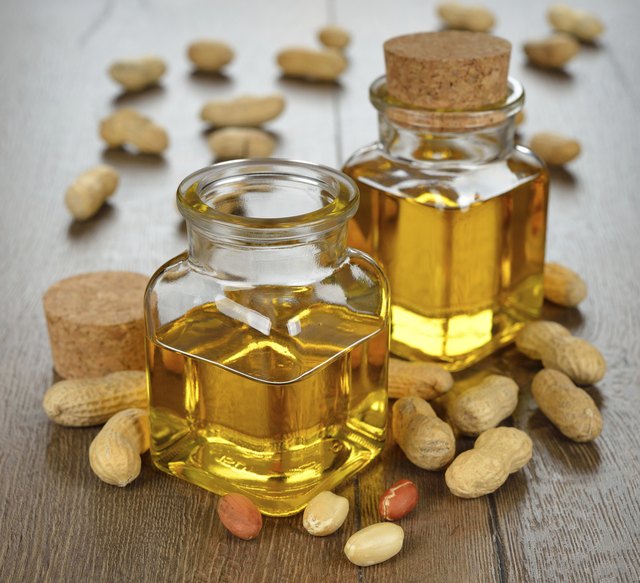
If you’ve just finished frying chicken, French fries, or a glorious batch of onion rings, you may be staring at that pot of peanut oil and asking the question every practical cook asks eventually: Do I really have to throw this out? The short answer is nonot always. Peanut oil can often be reused after cooking, but only if you store it properly and only if it still looks, smells, and behaves like good oil.
That matters because peanut oil is not exactly a budget-friendly puddle. It’s popular for frying because it handles heat well, gives food a crisp finish, and doesn’t bully your dinner with an overpowering flavor. But even this hardworking oil has limits. Once food particles, moisture, heat, and oxygen start crashing the party, the clock starts ticking.
So, how long can you keep peanut oil after you use it? In most home kitchens, the best practical answer is this: if the oil was used once or a few times, strained well, cooled safely, and refrigerated in a sealed container, it’s usually best to reuse it within about a month. In some food-safety guidance, used frying oil may keep longerup to about three months in a sealed, light-proof containerbut quality can drop before then, especially if the oil was pushed hard during frying. In other words, the calendar matters, but your senses matter too.
The Short Answer: How Long Used Peanut Oil Usually Lasts
If you want the quick kitchen answer without the science lecture wearing a lab coat, here it is:
- Best quality window: about 1 month if the used peanut oil is strained, covered, and refrigerated.
- Possible outer limit in some guidance: up to 3 months in a sealed, light-proof container, with refrigeration preferred for quality.
- Toss it sooner if it smells stale, looks cloudy or unusually dark, foams when reheated, or starts smoking too early.
That means the real answer is not “three months, no matter what.” It’s more like: one month is the safer everyday rule for home cooks, and three months is more of a ceiling if the oil was handled well and still seems fresh.
Why Peanut Oil Is So Popular for Reuse
Peanut oil earns its reputation in the frying world for a reason. Refined peanut oil has a high smoke point, which means it can tolerate the high temperatures needed for deep frying better than many delicate oils. That helps food cook fast and crisp instead of sitting around soaking up oil like a sponge at a sad brunch buffet.
Another perk is flavor. Refined peanut oil is fairly neutral, so your fries taste like fries, not like the oil had a dramatic monologue before dinner. It also tends to hold up well when you’re frying at a steady temperature, which is why many cooks reach for it when they want consistent results.
But “holds up well” does not mean “immortal.” Reheating oil repeatedly causes it to break down over time. Each round of frying introduces heat, tiny bits of food, and moisture. Together, those things speed up oxidation and degradation, which can change the oil’s taste, texture, smell, and safety.
What Actually Makes Used Peanut Oil Go Bad?
Used peanut oil doesn’t spoil the way milk does, but it does degrade. Once that starts happening, the oil becomes less pleasant to cook with and may produce lower-quality fried food. Sometimes the first warning is flavor. Sometimes it’s smell. Sometimes it’s a pot of oil that suddenly foams like it’s auditioning for a bubble bath commercial.
Here are the biggest culprits:
Heat
The hotter the oil getsand the more often it gets that hotthe faster it breaks down. If you ever let the oil reach its smoking point, you’ve basically pushed it too far. That’s a red flag for future reuse.
Food Particles
Breading, crumbs, spice bits, and tiny fried leftovers floating in the oil keep cooking even after you’re done. Those particles burn, darken the oil, and make the next batch taste older than it should.
Moisture
Water is not oil’s best friend. Moisture from food encourages splattering during cooking and contributes to faster breakdown during storage.
Oxygen and Light
Once used oil sits exposed to air and light, oxidation speeds up. That’s one reason clear containers sitting beside a warm stove are not exactly the VIP lounge for leftover frying oil.
How to Store Used Peanut Oil the Right Way
If you want to keep peanut oil after using it, storage is the whole game. The goal is simple: remove debris, limit air and light exposure, and keep the oil cool.
1. Let the Oil Cool Completely
Do not rush hot oil into a container unless you enjoy unnecessary drama. Let it cool first. Warm oil can damage containers, create condensation, and make the whole process messier than it needs to be.
2. Strain It Thoroughly
Pour the cooled oil through a fine-mesh strainer, cheesecloth, or coffee filter to remove food particles. The more junk you remove, the better the oil holds up. Think of this as oil housekeeping. Not glamorous, but very effective.
3. Use a Clean, Sealed Container
Store the strained oil in a clean container with a tight-fitting lid. Glass jars, food-safe bottles, or sturdy food-storage containers work well. If you can use an opaque or dark container, even better.
4. Keep It Away From Light
Light speeds deterioration, so don’t store used peanut oil where sunlight hits it. A dark cupboard can work for short-term storage, but the refrigerator is usually the better move for quality.
5. Refrigerate It
For home use, refrigeration is the smartest option. It slows degradation and gives your oil a better shot at staying usable for several weeks. Label the container with the date so you’re not playing mystery-oil roulette next month.
How Many Times Can You Reuse Peanut Oil?
This is where people want a neat, satisfying number. Sadly, the oil refuses to cooperate.
There is no universal rule like “exactly three times” or “five and you’re living dangerously.” The answer depends on:
- what you fried
- how hot the oil got
- how long it stayed hot
- whether the food was battered or breaded
- how well you strained and stored it
For example, oil used to fry plain potatoes may stay in better shape than oil used for heavily breaded fish. Strong-smelling foods can also leave behind flavor that transfers to the next thing you cook. Nobody wants doughnuts that whisper “shrimp.”
A practical rule for home cooks is to reuse peanut oil only while it still seems clean, neutral-smelling, and stable during heating. Once it starts showing wear, it’s done. The oil gets to retire. No farewell party required.
Signs It’s Time to Throw Used Peanut Oil Away
If you’re unsure whether your used peanut oil is still good, here are the signs that it’s time to say goodbye:
- It smells off: rancid, stale, bitter, fishy, or just plain weird.
- It looks dark or cloudy: especially compared with how it looked when fresh.
- It foams when reheated: persistent foaming is a classic warning sign.
- It smokes too soon: if it starts smoking before it should, the oil has likely degraded.
- It feels thick or sticky: used oil should not look like it’s trying to become syrup.
- Food tastes off after frying: bitter, stale, or old flavors mean the oil is probably past its prime.
When in doubt, throw it out. That advice may not sound thrilling, but it beats ruining dinner with tired oil that makes everything taste like regret.
Does It Matter Whether the Peanut Oil Is Refined or Unrefined?
Yes, very much.
Refined peanut oil is the version most people use for frying. It has the high smoke point and neutral flavor that make it ideal for deep frying, pan frying, and other high-heat cooking.
Unrefined peanut oil, sometimes labeled gourmet, cold-pressed, or aromatic, has more peanut flavor and a lower tolerance for high heat. It’s better suited for dressings, finishing, or lower-heat cooking. If you use unrefined peanut oil for frying and then try to reuse it, it may degrade faster and deliver less predictable results.
This distinction matters for allergies too. Highly refined peanut oil is treated differently from unrefined peanut oil because highly refined oils generally have the allergenic proteins removed. Still, if you are cooking for someone with a peanut allergy, don’t guesscheck the product and use caution.
Can You Store Used Peanut Oil at Room Temperature?
You can, but that doesn’t mean you should if you want the best quality. A cool, dark pantry is better than a warm counter beside the stove, but refrigeration is the more reliable choice for used oil.
Room-temperature storage leaves the oil more vulnerable to heat, air, and light. In a busy kitchen, those factors add up quickly. If you’re serious about reuse, the fridge wins.
Best Uses for Reused Peanut Oil
Even when used peanut oil is still good, it’s smart to reuse it strategically. The best match is similar food with similar flavor. For example:
- fries after fries
- fried chicken after fried chicken
- savory foods after savory foods
Less ideal? Using oil that fried fish for funnel cake, or using oil full of spicy breading sediment for delicate vegetables. That’s how you end up with dessert that seems emotionally confused.
How to Dispose of Peanut Oil Safely
When your used peanut oil is done, don’t pour it down the drain. That can clog pipes and create serious plumbing headaches. Instead, let it cool completely, pour it into a sealed disposable container, and throw it away according to local rules. Some areas also offer recycling for used cooking oil, which is the nicer environmental ending.
Common Mistakes That Shorten the Life of Used Peanut Oil
A few habits can turn reusable oil into trash faster than expected:
- leaving crumbs in the oil
- storing it uncovered
- keeping it near heat or sunlight
- mixing old oil with badly degraded oil
- reheating it over and over without checking condition
- using the same oil for wildly different foods
If you avoid those mistakes, your peanut oil has a much better chance of staying useful.
Real-World Kitchen Experiences With Reusing Peanut Oil
In real home kitchens, people usually learn about used peanut oil the same way they learn about cast iron, pie dough, or opening a package of bacon without a struggle: through trial, error, and at least one moment of staring into the pan and thinking, “Well, that seems questionable.”
One common experience is that the first batch fried in fresh peanut oil feels almost magical. The oil heats evenly, food browns quickly, and the finished result tastes clean and crisp. Then the oil gets stored, used again, and the second round is often still very goodespecially if the cook strained it carefully and kept it in the refrigerator. This is where people start feeling confident and slightly invincible. That confidence is useful, but it should not become a personality trait.
Another common experience is noticing how much the type of food matters. Oil used for homemade fries often stays in decent shape longer because potatoes don’t leave behind as much heavy seasoning or breading debris as something like fried chicken. On the other hand, cooks who reuse oil after breaded foods often report faster darkening, stronger smell, and more sediment in the container. In other words, the oil remembers everything. It keeps receipts.
People also notice that refrigeration makes a real difference. Used peanut oil stored in a sealed jar in the fridge tends to smell fresher later than oil left at room temperature. It may look a little cloudy when cold, which can surprise first-time reusers, but once brought back toward cooking temperature, it usually loosens up again. The bigger issue is whether it still smells neutral and heats normallynot whether it looks glamorous straight from the fridge.
Many cooks say the clearest clue that oil is past its best is not the date on the container but the behavior in the pan. If it starts foaming too much, smoking earlier than expected, or making food taste old, that’s when confidence vanishes and reality walks in. Experienced home fryers learn to trust those cues. A calendar helps, but your nose and eyes are often faster.
There’s also a practical lesson people learn after reusing peanut oil for different foods: flavor transfer is real. Oil that handled a neutral batch of fries may still be perfect for another savory fry session. But oil that cooked fish, strongly seasoned wings, or heavily spiced breading can carry those flavors forward in a way that is not always welcome. This is usually the moment when a cook realizes that “reusable” and “good for everything” are not the same thing.
Perhaps the most useful experience-based takeaway is this: successful reuse is less about squeezing every possible day out of the oil and more about storing it well, checking it honestly, and letting it go when it stops performing. The best cooks are not the ones who keep oil forever. They’re the ones who know when the oil still has another good meal in itand when it belongs in the discard container instead of tonight’s dinner.
Final Thoughts
So, how long can you keep peanut oil after you use it? For most home cooks, the practical answer is about a month in the refrigerator if the oil has been strained well and stored in a sealed container. Under ideal conditions, some guidance stretches that to about three months, but quality should always decide the final call.
The smartest approach is simple: use refined peanut oil for frying, strain it after cooking, store it cold and covered, and inspect it before every reuse. If it smells off, looks wrong, foams up, or smokes too soon, don’t try to be heroic. Toss it. Peanut oil may be sturdy, but it is not invincibleand your fried food deserves better than a second life crisis in a saucepan.