

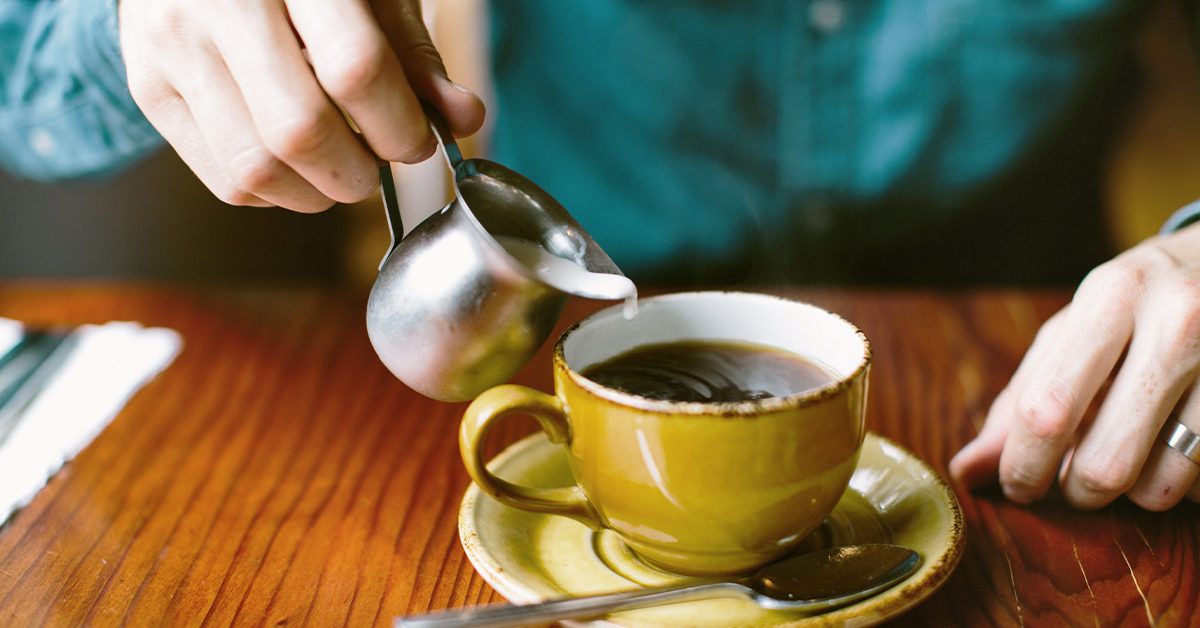
Coffee is one of those magical drinks that can be almost calorie-free, wildly indulgent, or somewhere in the cozy middle. A plain black coffee is basically the nutritional equivalent of a confident shrug: bold flavor, big aroma, and only a couple of calories. But add cream, sugar, flavored syrup, whipped cream, chocolate drizzle, oat milk, or a mountain of caramel, and suddenly your innocent morning cup may be auditioning for the dessert menu.
So, how many calories are in coffee? The simple answer is: plain brewed coffee has about 2 to 5 calories per cup. The more useful answer is: your coffee’s calorie count depends almost entirely on what you add to it. Black coffee, espresso, cold brew, and Americano are naturally very low in calories. Lattes, mochas, sweetened iced coffees, blended coffee drinks, and “just a little creamer” situations can range from 50 calories to well over 500 calories.
This guide breaks down coffee calories by drink type, add-in, serving size, and real-life habits, so you can enjoy your cup without doing math before sunrise. Nobody deserves algebra before caffeine.
How Many Calories Are in Black Coffee?
An 8-ounce cup of plain brewed black coffee contains roughly 2 calories. It has virtually no fat, no sugar, and almost no carbohydrates. That makes black coffee one of the lowest-calorie drinks you can choose, aside from water, unsweetened tea, and the tears of people who accidentally bought decaf.
The tiny number of calories in coffee comes from trace amounts of protein and natural compounds extracted from coffee beans during brewing. Coffee beans contain plant compounds, minerals, oils, and caffeine, but when brewed with water, only a very small amount of energy-containing material ends up in your cup.
Calories in common plain coffee drinks
| Coffee Drink | Typical Serving Size | Approximate Calories |
|---|---|---|
| Black brewed coffee | 8 ounces | 2 to 5 calories |
| Espresso | 1 ounce shot | 2 to 3 calories |
| Americano | 8 to 12 ounces | 5 to 15 calories |
| Cold brew, unsweetened | 12 to 16 ounces | 5 to 15 calories |
| Decaf black coffee | 8 ounces | 2 to 5 calories |
In other words, if you drink coffee black, calories are not the problem. Your bigger considerations are caffeine tolerance, sleep timing, hydration, acid sensitivity, and whether you are the kind of person who says “I like the taste of black coffee” with suspiciously intense eye contact.
Why Coffee Calories Change So Quickly
Coffee itself is low in calories. Coffee culture, however, is extremely talented at turning it into a milkshake wearing a business suit. The calorie count rises because of add-ins: sugar, syrup, milk, cream, sweetened creamers, whipped toppings, sauces, and blended bases.
One teaspoon of sugar adds about 16 calories. Two tablespoons of half-and-half add about 40 calories. Two tablespoons of heavy whipping cream add about 100 calories. Flavored syrups often add 10 to 20 calories per pump, and many coffee shop drinks use multiple pumps. Whipped cream can add around 70 calories or more, before the drizzle even enters the chat.
Calories in common coffee add-ins
| Add-In | Typical Amount | Approximate Calories |
|---|---|---|
| Granulated sugar | 1 teaspoon | 16 calories |
| Flavored syrup | 1 pump | 10 to 20 calories |
| Fat-free milk | 2 tablespoons | About 10 calories |
| Half-and-half | 2 tablespoons | About 40 calories |
| Heavy cream | 2 tablespoons | About 100 calories |
| Whipped cream | 2 tablespoons | About 70 calories |
Now let’s do the coffee math. A black coffee may start at 2 calories. Add two teaspoons of sugar and two tablespoons of half-and-half, and your cup becomes roughly 74 calories. That is still reasonable for many people, but if you drink three cups a day, you are looking at more than 200 calories from coffee add-ins alone.
And if your daily order includes flavored syrup, sweetened creamer, whipped cream, and caramel sauce, the calorie count can climb faster than your heart rate after realizing you replied-all to the office email.
Calories by Coffee Type
Different coffee drinks have different calorie ranges because they use different ratios of coffee, milk, sugar, and flavorings. Here is a practical breakdown.
Black coffee
Black coffee is the lowest-calorie option. A standard 8-ounce serving usually contains about 2 to 5 calories. It is naturally sugar-free and cholesterol-free. If your goal is weight management, blood sugar awareness, or simply keeping your morning routine light, black coffee is the easiest choice.
Espresso
A single shot of espresso has about 2 to 3 calories. Espresso tastes stronger than drip coffee because it is concentrated, not because it is loaded with calories. A double espresso still stays very low, usually under 10 calories unless you add sugar or milk.
Americano
An Americano is espresso diluted with hot water. Because it is mostly water and espresso, it typically contains about 5 to 15 calories depending on size and number of espresso shots. It is a great option for people who want a bold coffee flavor without the calories of a latte.
Cold brew
Unsweetened cold brew is also very low in calories, usually around 5 to 15 calories for a medium serving. The catch is that cold brew is often served with sweet cold foam, vanilla syrup, cream, or sweetened milk. The coffee itself is light; the toppings are where the calorie party begins.
Latte
A latte is made with espresso and steamed milk. Since milk contains calories, a latte is much higher in calories than black coffee. A small latte with low-fat milk may land around 100 calories, while a larger latte with whole milk can be closer to 180 to 250 calories. Add syrup, and the total rises.
Cappuccino
A cappuccino has espresso, steamed milk, and foam. Because it usually contains less milk than a latte, it may be slightly lower in calories. A plain cappuccino can range from about 60 to 150 calories depending on size and milk choice.
Mocha
A mocha is essentially coffee’s way of saying, “What if hot chocolate got a promotion?” It includes espresso, milk, chocolate sauce, and often whipped cream. A mocha can easily range from 200 to 500 calories depending on size and toppings.
Sweetened iced coffee
Iced coffee can be low-calorie if it is unsweetened. But sweetened iced coffee often includes liquid sugar, flavored syrups, cream, or sweetened milk. A medium sweetened iced coffee may range from 80 to 300 calories, depending on how it is made.
Blended coffee drinks
Blended frozen coffee drinks are usually the highest-calorie coffee category. They often include sugar, milk, flavored bases, whipped cream, and sauces. Many are closer to dessert than coffee. Delicious? Absolutely. Low calorie? Usually not even pretending.
Does Coffee Help With Weight Loss?
Plain coffee can fit into a weight-loss plan because it is low in calories and caffeine may temporarily increase alertness and energy expenditure. Some people also find that coffee slightly reduces appetite for a short period. However, coffee is not a magic fat-burning potion. If it were, every office break room would be a fitness center.
The real issue is not the coffee. It is the coffee routine. A daily black coffee is very different from a daily large caramel blended drink with whipped cream. If your coffee adds 300 calories per day and you do not adjust anything else, those calories can contribute to weight gain over time.
On the other hand, replacing a sugary coffee drink with a lighter version can make a meaningful difference. For example, switching from a 350-calorie blended coffee drink to a 50-calorie iced coffee saves about 300 calories. Do that five days a week, and you reduce your weekly intake by about 1,500 calories without giving up coffee entirely.
How to Order Lower-Calorie Coffee Without Making It Sad
Low-calorie coffee does not have to taste like punishment. The trick is choosing flavor strategically instead of letting sugar and cream do all the heavy lifting.
Choose unsweetened first
Start with unsweetened coffee, cold brew, espresso, or Americano. Then add only what you truly enjoy. Many people discover they need less sugar when they use better coffee, cinnamon, nutmeg, vanilla extract, or a splash of milk.
Ask for fewer syrup pumps
If your usual drink has four pumps of syrup, try two. You still get the flavor, but you cut the added sugar and calories significantly. This is the coffee version of negotiating with your sweet tooth.
Use milk instead of heavy cream
Heavy cream is rich and delicious, but it is calorie-dense. Low-fat milk, fat-free milk, or unsweetened almond milk can lighten your cup. Oat milk and coconut milk can be tasty, but check labels because some versions contain added sugar or more calories than expected.
Skip whipped cream and drizzle
Whipped cream, chocolate sauce, and caramel drizzle are fun, but they add calories quickly. Save them for occasional treat drinks rather than everyday coffee.
Watch the size
A small sweetened latte may fit easily into your day. A large version with extra syrup may not. Size matters because every ounce of milk, syrup, and topping adds up.
Is Decaf Coffee Lower in Calories?
Decaf coffee has about the same calories as regular black coffee: usually 2 to 5 calories per cup. Removing most of the caffeine does not significantly change the calorie count. So if you prefer decaf for sleep, anxiety, pregnancy guidance, or personal comfort, you are not adding calories by choosing it.
The same rule applies: decaf stays low-calorie until you add sugar, milk, cream, or syrups. A decaf mocha with whipped cream is still a mocha with whipped cream. Decaf does not magically erase chocolate sauce. A tragic fact, but an important one.
What About Caffeine?
Calories and caffeine are separate issues. Black coffee is low in calories, but it can still be high in caffeine. An 8-ounce cup of brewed coffee often contains around 95 milligrams of caffeine, though the amount varies depending on beans, brewing method, roast, grind, and serving size.
For many healthy adults, up to about 400 milligrams of caffeine per day is commonly cited as a moderate upper range. However, caffeine sensitivity varies. Some people can drink coffee after dinner and sleep peacefully. Others have one cappuccino at 2 p.m. and spend the night mentally reorganizing their sock drawer.
If coffee makes you jittery, anxious, sleepless, or uncomfortable, consider reducing your intake, switching to half-caf, choosing decaf, or drinking coffee earlier in the day.
Experience Section: Real-Life Coffee Calorie Lessons
Most people do not learn about coffee calories from a nutrition textbook. They learn from the moment their “small treat” coffee starts fitting suspiciously well into the same calorie range as a sandwich. The first experience many coffee drinkers have is thinking, “But it is just coffee.” Then they look closer and realize the drink contains espresso, whole milk, vanilla syrup, caramel sauce, whipped cream, and enough sugar to make a doughnut feel underdressed.
A common experience is the weekday coffee habit. Imagine someone who starts every morning with a large sweetened iced coffee with cream. It feels routine, not indulgent. It is not a birthday cake. It is not a milkshake. It has ice, so it feels responsible. But if that drink contains 250 calories and they drink it five days a week, that is 1,250 calories per week from coffee alone. Over a month, that can be around 5,000 calories. Nobody is saying the drink is forbidden, but the numbers explain why small daily habits matter.
Another real-world lesson comes from the home coffee station. At home, people often pour creamer freely instead of measuring it. A serving on the label may say one tablespoon, but the actual pour may be three or four tablespoons. That can turn a 2-calorie cup of coffee into a 120-calorie cup before breakfast even begins. The solution is not to drink miserable coffee. The solution is to measure once or twice, learn what a tablespoon looks like in your favorite mug, and then decide what amount is worth it.
Some coffee drinkers find success with gradual changes. Instead of jumping from a caramel latte to black coffee overnight, they reduce syrup from four pumps to two, switch from whole milk to low-fat milk, or order a smaller size. The taste still feels familiar, but the calorie count drops. This approach works because it respects the emotional truth of coffee: it is not just fuel. It is comfort, ritual, personality, and sometimes the only polite thing standing between you and a Monday morning.
There is also the weekend treat strategy. Many people prefer keeping weekday coffee simple and saving richer drinks for occasional enjoyment. Black coffee or a lightly sweetened latte during the week, then a mocha or seasonal drink on Saturday, can be a balanced pattern. This avoids the “all or nothing” trap. You do not have to break up with fancy coffee. You may just need to stop seeing it every single morning.
The most useful experience is learning to ask, “Do I want coffee, or do I want dessert?” Both answers are valid. If you want coffee, choose brewed coffee, cold brew, Americano, espresso, or a simple latte. If you want dessert, enjoy the mocha with whipped cream and do not pretend it is the same as black coffee. Food honesty is powerful. It removes guilt and replaces it with choice.
In the end, coffee calories are easy to manage once you know where they come from. The bean is not the issue. The extras are the plot twist.
Conclusion
So, how many calories are in coffee? Plain black coffee has about 2 to 5 calories per cup, making it one of the lowest-calorie drinks around. Espresso, Americano, cold brew, and decaf are also naturally low in calories when unsweetened. The calorie count rises when you add sugar, syrup, milk, cream, whipped toppings, chocolate, caramel, or sweetened creamers.
The smartest coffee strategy is not giving up your favorite drink. It is knowing what is in it. If you enjoy black coffee, great. If you like a little milk and sugar, that can fit too. If you love a giant whipped mocha, enjoy it as a treat rather than pretending it is a plain cup of coffee wearing a cute lid.
Coffee can be part of a healthy lifestyle, a weight-management plan, or a joyful morning ritual. Just remember: the coffee is usually innocent. The toppings may need a lawyer.