

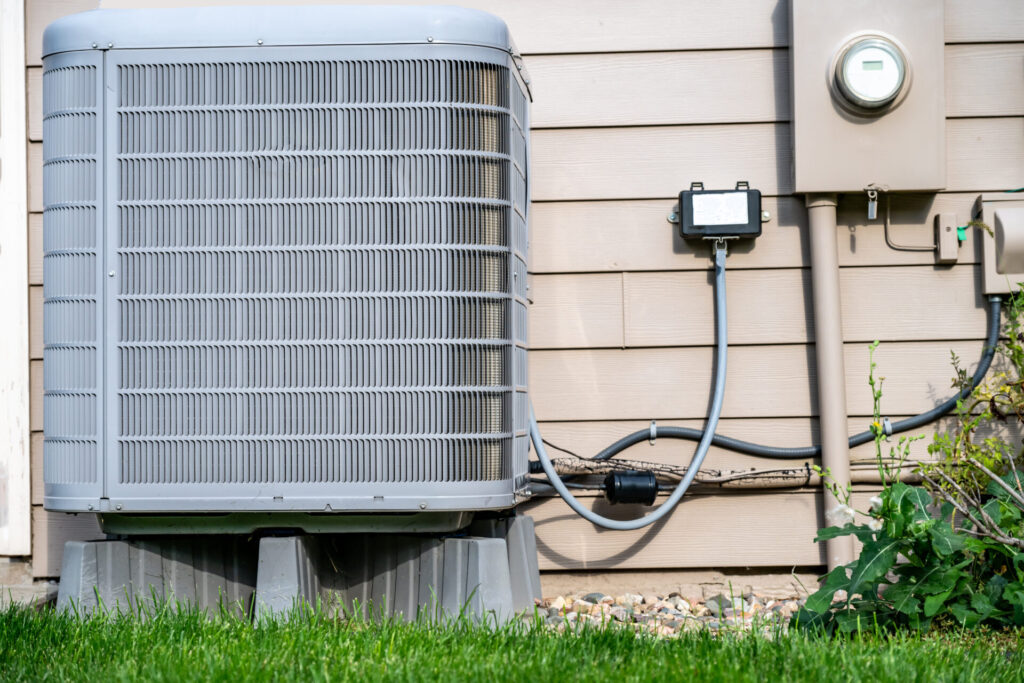
A 3,100-square-foot home is wonderful until July arrives and your old air conditioner begins making the sound of a lawn mower trying or a house this size is a major purchase, but the price is not determined by square footage alone. Your climate, insulation, ductwork, ceiling height, number of windows, existing furnace or air handler, and desired efficiency all affect the final number.
For many homeowners, a new central air conditioner for a 3,100-square-foot home will cost roughly $10,000 to $20,000 installed. A simple replacement with healthy ductwork may land near the lower end. A premium system, major duct repairs, zoning, electrical upgrades, or a full HVAC replacement can push the project beyond $25,000.
The key is to avoid shopping for an air conditioner the way you shop for a microwave. Bigger is not automatically better, and the lowest estimate is not always a bargain. Sometimes it is simply a future headache wearing a discount sticker.
Quick Answer: AC Cost for a 3,100-Square-Foot House
| Project Type | Typical Installed Cost | What It Usually Includes |
|---|---|---|
| Basic AC replacement | $9,000 to $14,000 | Standard-efficiency outdoor condenser, compatible indoor coil, labor, startup, and basic removal of old equipment |
| Mid-range 5-ton AC system | $14,000 to $20,000 | Higher-efficiency equipment, new thermostat, improved airflow setup, permits, and moderate installation upgrades |
| Premium or variable-capacity AC | $20,000 to $30,000+ | High-efficiency equipment, quieter operation, enhanced humidity control, zoning, upgraded controls, or difficult installation conditions |
| Full HVAC system replacement | $16,000 to $28,000+ | New AC plus furnace or air handler, evaporator coil, controls, and possible electrical or drainage upgrades |
| New or heavily rebuilt ductwork | Add $3,000 to $10,000+ | Duct replacement, resizing, sealing, insulation, new returns, registers, and repairs to access areas |
Note: These are broad U.S. planning ranges for 2026, not guaranteed quotes. Labor rates, permit fees, weather conditions, equipment availability, and regional demand can change pricing dramatically.
What Size Air Conditioner Does a 3,100-Square-Foot Home Need?
A 3,100-square-foot home often needs a 4- to 6-ton central air conditioning system. In many average homes, a 5-ton system, which provides about 60,000 BTUs of cooling capacity, is a common starting point. However, it is only a starting point, not a permission slip to buy the largest unit on the lot.
Some newer, tightly sealed homes in mild climates may cool comfortably with around 4 tons. A large home in Texas, Florida, Arizona, or another hot region may need 5 tons or more. Homes with large west-facing windows, cathedral ceilings, hot attics, poor insulation, or sunrooms may have a much higher cooling load than their square footage suggests.
Why Square Footage Alone Can Mislead You
Two homes can have the same 3,100 square feet and need very different HVAC systems. Picture one home with modern windows, attic insulation, tight exterior doors, and shade trees. Now picture another with skylights, tall ceilings, leaky ducts in a blazing attic, and windows that welcome afternoon sun like it is a paying guest. Same square footage. Very different cooling demand.
A professional contractor should perform a Manual J load calculation before recommending equipment. This process evaluates the home’s insulation, windows, orientation, local climate, occupants, ceiling height, duct system, and other details. It is much more reliable than a contractor glancing at your house, nodding thoughtfully, and saying, “Yep, probably five tons.”
When One Large System May Not Be the Best Choice
If your home has multiple stories, separate wings, a finished basement, or rooms that are always warmer than the rest of the house, one oversized system may not solve the comfort problem. In some cases, two smaller systems or a zoned HVAC design can provide better temperature control. It costs more upfront, but it may prevent the upstairs bedrooms from becoming a summer science experiment.
What Is Included in the Cost of a New Central Air Conditioner?
When comparing air conditioner quotes, do not focus only on the price of the outdoor unit. A complete central AC installation may include several components and services:
- Outdoor condenser unit
- Indoor evaporator coil
- Refrigerant lines or line-set modifications
- Electrical disconnect, breaker work, or wiring upgrades
- Condensate drain upgrades
- New thermostat or smart thermostat setup
- Labor, permits, equipment startup, and testing
- Removal and disposal of the old unit
- Refrigerant charging and airflow verification
- Duct sealing, duct repairs, or return-air improvements when needed
A low quote may leave out important work. For example, it may assume the existing coil is compatible, the ductwork is in good condition, and the electrical service needs no changes. Those assumptions can disappear quickly once installers begin opening panels and inspecting the system.
The Biggest Factors That Change AC Installation Cost
1. System Capacity and Tonnage
A 5-ton air conditioner typically costs more than a 3-ton model because it has more cooling capacity and generally requires larger components. For a 3,100-square-foot house, the equipment itself is likely to be more expensive than what would be used in a smaller ranch home or condo.
Still, do not pay for extra tonnage unless the load calculation supports it. An oversized unit may cool the house quickly but fail to remove enough humidity. That can leave rooms feeling clammy, sticky, and vaguely like your home has become emotionally attached to a swamp.
2. Efficiency Rating
Modern central air conditioners are rated using SEER2, which measures seasonal cooling efficiency. In general, a higher SEER2 rating means lower electricity use, but it also means a higher purchase price.
A standard-efficiency unit may be the practical choice for a homeowner planning to move soon or living in a mild climate. A higher-efficiency or variable-capacity model can make more sense in a hot, humid region where the system runs for long stretches every summer. The right choice depends on energy prices, expected years in the home, local weather, and your tolerance for utility bills that arrive with emotional damage.
3. Compressor Type
Single-stage systems are usually the least expensive. They operate at full blast whenever they turn on. Two-stage systems can run at lower capacity during milder conditions, which may improve comfort and reduce temperature swings.
Variable-capacity systems are often the most expensive option, but they can deliver smoother temperatures, quieter operation, and better humidity control. They are especially attractive for large homes where certain rooms tend to run warmer than others.
4. Ductwork Condition
Existing ductwork can make or break the budget. If your ducts are undersized, poorly insulated, leaking, damaged, or missing adequate return-air pathways, replacing only the outdoor AC unit may not fix comfort problems.
Leaky ducts can waste cooled air in an attic, crawlspace, or garage before it ever reaches the rooms where humans actually live. Duct repairs, sealing, balancing, or replacement can add thousands of dollars, but they may also improve comfort more than simply buying a fancier condenser.
5. Existing Furnace or Air Handler
If the furnace or air handler is old, incompatible, or unreliable, replacing only the condenser may be short-sighted. Your contractor may recommend installing a matched system that includes the condenser, evaporator coil, and indoor equipment.
A matched system usually costs more upfront, but it can improve efficiency, protect warranty coverage, and reduce the chances of pairing a shiny new AC with a 15-year-old component that has already started writing its retirement speech.
6. Electrical, Drainage, and Installation Access
Electrical panel upgrades, a new breaker, surge protection, condensate pump work, pad replacement, difficult attic access, crawlspace work, or tight mechanical closets can all raise installation costs. Homes with older electrical systems may need extra work before new equipment can be installed safely.
7. Climate and Local Labor Costs
HVAC pricing is local. A 5-ton AC installation in a small Midwestern town may be priced very differently from the same system in Miami, Dallas, Phoenix, Los Angeles, or New York. Hot-weather markets can also become more expensive during peak summer demand, when everyone suddenly discovers that their air conditioner has opinions.
Should You Choose Central AC or a Heat Pump?
If you are replacing both heating and cooling equipment, compare a traditional central air conditioner with a heat pump. A heat pump cools your home in summer and can provide heat in winter. In moderate climates, it may offer attractive operating savings and simplify the HVAC setup.
For homeowners with natural gas furnaces, a dual-fuel system can also be worth considering. The heat pump handles much of the heating season, while the furnace takes over during very cold weather. This is not automatically the cheapest option, but it can be a smart long-term design depending on local utility rates and climate conditions.
Ask each contractor to provide comparable estimates for a standard AC system and a heat pump system. You may be surprised by how close the installed prices are once the full project scope is considered.
How to Get Better HVAC Quotes for a 3,100-Square-Foot Home
Get at least three written estimates and ask every contractor to explain the recommendation. The goal is not to collect three random numbers. The goal is to compare three complete solutions.
Each proposal should clearly state:
- Recommended system size in tons and BTUs
- SEER2 and efficiency details
- Brand, model numbers, and warranty information
- Whether the evaporator coil is included
- Whether the furnace or air handler is being replaced
- Ductwork repairs, sealing, or return-air improvements
- Permit costs and electrical work
- Thermostat, drain, pad, and refrigerant-line work
- Startup testing, refrigerant charge verification, and airflow checks
Be cautious when one estimate is dramatically cheaper than the others. It may be a fantastic deal. It may also be missing a coil, permit, duct repair, warranty labor coverage, or several other details that become “unexpected” later. HVAC quotes are not treasure maps; the cheapest X does not always mark the best spot.
How to Spend Less Without Buying the Wrong System
You do not need the most expensive system to make a smart purchase. Start with proper sizing, duct inspection, and a clear installation scope. These steps often matter more than upgrading from one fancy efficiency rating to another.
Before signing a contract, consider improving attic insulation, sealing air leaks around doors and windows, repairing duct leaks, and installing a programmable thermostat. These upgrades can reduce cooling demand and help the new system perform better.
Also check utility-company and local incentive programs. Rebates can change by state, provider, equipment type, household income, and program funding. Do not assume a federal tax credit applies to a 2026 installation; verify every incentive directly before using it in your budget.
Final Takeaway
For most homeowners, the cost of an air conditioner for a 3,100-square-foot home will fall between $10,000 and $20,000, with complex or premium projects reaching $25,000 or more. A 5-ton system is often a reasonable starting point, but only a proper load calculation can confirm the best size.
The best AC purchase is not necessarily the cheapest unit, the biggest unit, or the one with the shiniest brochure. It is the correctly sized, professionally installed system that keeps every room comfortable, controls humidity, works with your ductwork, and does not turn your utility bill into a monthly jump scare.
Real-World Experiences: What Homeowners Learn When Replacing AC in a 3,100-Square-Foot Home
Homeowners replacing an air conditioner in a 3,100-square-foot house often begin with one simple question: “How much is a 5-ton unit?” Within a few contractor visits, they usually discover that the real question is much bigger. The condenser outside is only one piece of a whole-house comfort system, and the house tends to have plenty of opinions.
One common experience is receiving wildly different quotes. A homeowner may get one estimate for $10,500, another for $16,000, and a third for $24,000. At first glance, that can feel like contractors are spinning a pricing wheel in a back room. Usually, the difference is in the details. The lower quote may replace only the outdoor unit and use existing components. The middle estimate may include a new coil, thermostat, permit, and airflow improvements. The higher estimate may include duct repairs, a variable-speed system, upgraded electrical work, and a longer labor warranty.
Another frequent lesson involves upstairs comfort. Many larger homes have an upper floor that feels five degrees warmer than the downstairs area, especially during late afternoon. Homeowners sometimes expect a larger AC unit to solve this immediately. But the issue may actually be insufficient return air, leaky attic ducts, poor insulation, blocked vents, or an unbalanced duct design. Installing a bigger system without fixing airflow can create a faster version of the same problem.
Humidity is another surprise. A homeowner may say, “The old system cooled the house, so why does the new one feel better?” The answer is often proper sizing and better moisture removal. A correctly sized system runs long enough to dehumidify the home. An oversized system may cool the thermostat quickly, shut off too soon, and leave the air sticky. The temperature looks fine on paper, but the house feels like it is wearing a damp T-shirt.
Many homeowners also learn that ductwork deserves more respect than it receives. Ducts are usually hidden in attics, walls, crawlspaces, and ceilings, so they are easy to ignore. But when ducts leak, collapse, or lack insulation, they can waste cooling capacity and make certain rooms uncomfortable. A homeowner may spend thousands on a premium condenser and still have a hot bedroom because the duct feeding that room is damaged or undersized.
Timing matters, too. Replacing an AC system in the middle of a heat wave can feel like buying bottled water at a music festival: necessary, urgent, and rarely ideal for bargaining. Homeowners who plan ahead during spring or fall often have more time to compare contractors, ask questions, and schedule installation before emergency pricing becomes part of the conversation.
The most satisfied homeowners usually focus on comfort rather than just equipment labels. They ask for a load calculation, request itemized quotes, inspect ductwork, compare warranties, and make sure the installation includes proper startup testing. They understand that a quiet, evenly cooled home is worth more than bragging rights about buying the largest unit in the neighborhood.
In the end, replacing AC for a 3,100-square-foot home is less about finding a magic price and more about finding the right combination of equipment, airflow, installation quality, and efficiency. Spend carefully, ask detailed questions, and remember: a good HVAC system should be noticed only when you realize you have not thought about the temperature all day.