

Note: This article synthesizes current U.S. cost and safety guidance from Bob Vila, Angi, HomeAdvisor, Fixr, This Old House, the EPA, CDC, HUD, CPSC, OSHA, NCHH, and GoodRx. Prices are national planning estimates; local bids, property conditions, and regulations control.
Lead paint removal is one of those home projects that can begin with a thumbnail-size chip on a windowsill and end with containment walls, HEPA vacuums, protective suits, and a crew that looks prepared to renovate the moon. The equipment is not theatrical. Disturbing lead-based paint can create contaminated dust, which is why professional abatement costs much more than ordinary scraping and repainting.
For a limited project, homeowners commonly spend about $1,478 to $5,520, with a recent national average near $3,499. Full removal generally runs about $8 to $17 per square foot of affected painted surface. Extensive whole-house work can reach $10,000 to $30,000 or more, especially when windows, trim, siding, repairs, and disposal are involved.
Cost-range synthesis:
Lead Paint Removal Cost at a Glance
| Project or treatment | Typical planning range |
|---|---|
| Limited professional project | $1,478 to $5,520 |
| Full paint removal | $8 to $17 per sq. ft. |
| Encapsulation | About $4 to $10 per sq. ft. |
| Enclosure | About $6 to $16 per sq. ft. |
| Component replacement | $1,000 to $18,000+ |
| Substantial whole-house work | Often $10,000 to $30,000+ |
| Testing, cleanup, disposal, repairs | Hundreds to several thousand dollars |
These ranges overlap because “lead paint removal” can mean one room, four windows, an exterior wall, or every affected component in a 2,000-square-foot house. Square-foot pricing usually refers to the painted surface being treated, not simply the home’s floor area. A 12-by-12 bedroom has 144 square feet of floor but far more wall, ceiling, door, window, and trim surface.
Why Lead Paint Still Matters
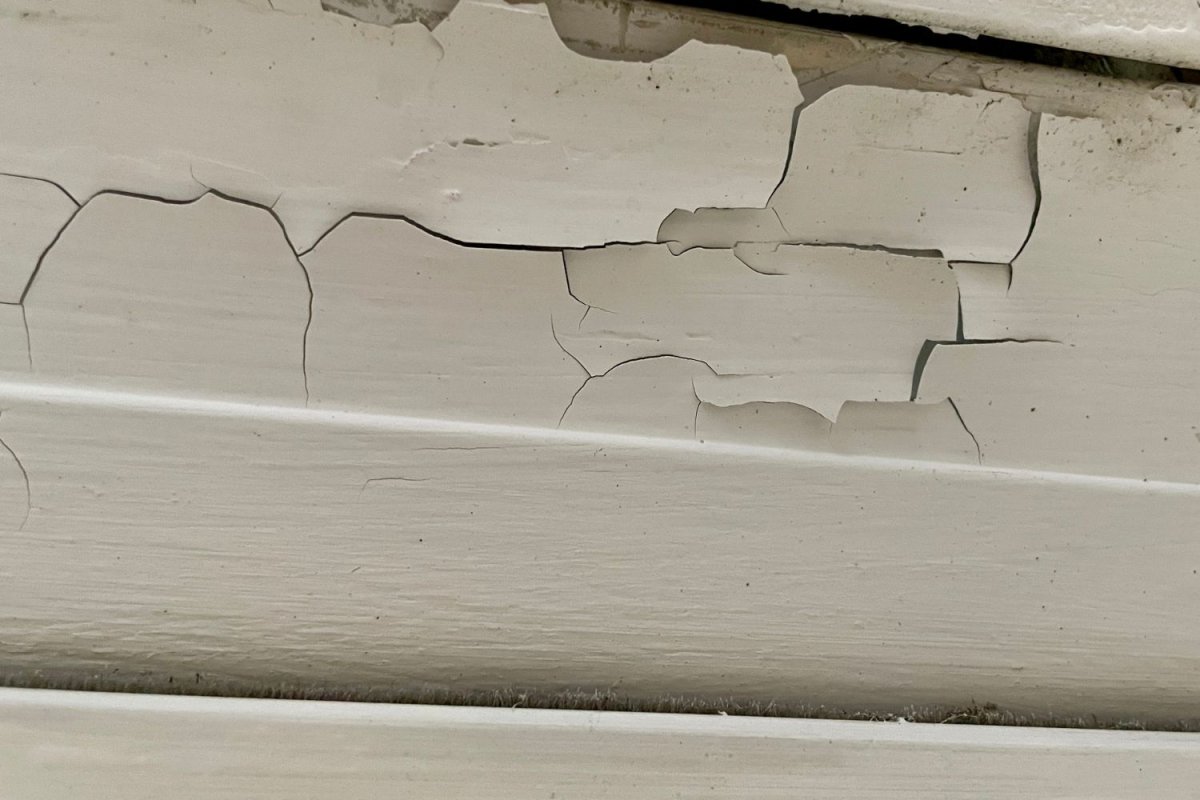
Federal rules banned consumer uses of lead-containing paint in 1978, but older coatings remain beneath newer paint in millions of homes. Lead hazards commonly develop on windows, doors, porches, stairways, cabinets, and other surfaces exposed to friction, impact, moisture, or peeling. The paint may look harmless until sanding, scraping, demolition, or daily rubbing turns it into chips and fine dust.
Ban and prevalence guidance:
Young children are especially vulnerable because they touch dusty floors and windowsills and frequently put their hands or objects in their mouths. Federal health guidance says no safe blood lead level in children has been identified. That makes this a poor project for testing whether a regular shop vacuum has secret superhero powers; ordinary equipment can spread fine dust instead of safely capturing it.
Health guidance:
What Determines Lead Paint Abatement Cost?
Size and complexity
More painted surface means more containment, labor, cleaning, and waste. Decorative molding, built-ins, stair spindles, radiators, and multi-pane windows cost more per square foot than broad flat walls because every edge and crevice requires controlled work.
Condition of the paint and substrate
Lead paint over sound plaster is simpler than lead paint over rotted trim, cracked walls, loose glazing, or water-damaged siding. Once coatings are removed, contractors may uncover repairs that were invisible during the estimate. A project budget that ignores the substrate is like a road-trip budget that forgets gasoline.
Interior or exterior location
Interior projects require room isolation, floor protection, HVAC controls, and careful occupant management. Exterior work may need scaffolding, lifts, weather protection, and ground containment to keep paint chips out of soil. Multi-story access and difficult landscaping raise labor and equipment costs.
Local requirements and labor rates
High-wage markets, permits, inspections, notification rules, and disposal requirements can push prices upward. Rental properties, child-occupied facilities, federally assisted housing, and houses renovated for resale may face obligations beyond those affecting an owner working on a personal residence.
Cost by Lead Paint Treatment Method
Encapsulation: about $4 to $10 per square foot
Encapsulation seals stable lead paint beneath a specialized coating. It is often the least disruptive and most affordable option for sound walls or ceilings. However, the coating must remain intact and be inspected over time. It is generally a poor choice for rubbing windows, door edges, damp surfaces, or areas that receive frequent impact.
Enclosure: about $6 to $16 per square foot
Enclosure covers the painted surface with drywall, paneling, siding, or another durable barrier. It can be faster than stripping, but the lead paint remains behind the new surface. Future renovation crews must know it is there, and outlets, trim, doors, or windows may need adjustment to fit the added thickness.
Full removal: about $8 to $17 per square foot
Removal physically separates the coating from the substrate through controlled wet scraping, HEPA-equipped sanding, chemical stripping, or another approved method. It is more permanent than covering the paint, but labor, containment, debris handling, HEPA cleaning, and surface repair make it expensive. Intricate historic woodwork usually lands near the upper end.
Replacement: about $1,000 to $18,000 or more
Replacing a lead-painted window, door, trim assembly, or siding section can be more practical than stripping a badly damaged component. Pricing varies wildly: two basic doors are one project; dozens of custom windows are another species entirely. Replacement may also trigger carpentry, insulation, plaster, flashing, and repainting costs.
Method ranges and practices:
Extra Costs to Include in the Budget
Inspection and risk assessment
A lead inspection identifies painted components that contain lead. A risk assessment focuses on active hazards such as damaged paint and contaminated dust. Professional testing usually costs a few hundred dollars, but larger properties, laboratory samples, soil testing, or detailed reports can cost more. Testing helps avoid treating safe surfaces while missing dangerous ones.
Containment, cleaning, and clearance
Professionals may seal rooms and vents, protect floors, establish controlled entry points, use negative air equipment, perform HEPA vacuuming and wet cleaning, and arrange clearance dust testing. Some quotes include these services; others list them separately. Ask before signing, because “included” is much friendlier than “unexpected containment surcharge.”
Disposal and repairs
Paint chips, filters, plastic, protective gear, and removed components must be packaged and handled correctly. After abatement, plaster patching, wood repair, priming, and finish painting can add roughly $500 to $5,000 or more. Large projects may also require temporary housing, storage, pet boarding, or moving help.
Add-on guidance:
Three Sample Project Budgets
Four deteriorated windows
Testing, containment, sash or trim work, repainting, cleanup, and clearance could total roughly $4,000 to $10,000. Historic windows, extensive rot, or custom replacements can push the cost higher.
One 12-by-12 bedroom
If stable walls are suitable for encapsulation, the project may cost approximately $2,000 to $5,000, depending on actual painted surface, trim, preparation, and testing. Full stripping generally costs more.
A 2,000-square-foot older house
Widespread hazards involving walls, windows, doors, trim, and exterior surfaces can easily cost $10,000 to $30,000, with complicated projects reaching $40,000 or more. The estimate should list every included component; otherwise, “whole house” can become a surprisingly philosophical phrase.
DIY Removal or Professional Abatement?
The EPA’s Renovation, Repair and Painting rule generally requires paid firms disturbing paint in pre-1978 housing and child-occupied facilities to be certified and follow lead-safe work practices. Homeowners working on their own residence may not be covered in the same way, but exceptions include rental units, home-based childcare, and renovation for resale. State and local rules may be stricter.
RRP scope and homeowner guidance:
Legal permission is not the same as a safety recommendation. Dry sanding, open-flame burning, uncontrolled grinding, and ordinary vacuuming can contaminate floors, vents, clothing, tools, vehicles, and neighboring rooms. For more than very limited maintenance, a lead-safe certified renovation or abatement professional is the safer choice.
Verify the company’s certification, insurance, containment plan, cleaning process, disposal method, and clearance procedure. A low bid that omits containment and final testing is not a bargain; it is a future cleaning project wearing a fake mustache.
How to Save Money Without Cutting Safety
- Collect three detailed bids. Compare surfaces, methods, repairs, disposal, and clearancenot only the final number.
- Prioritize actual hazards. Address peeling paint, friction surfaces, and rooms used by young children first.
- Use the right method. Stable walls may qualify for encapsulation instead of full removal.
- Prepare rooms as directed. Moving curtains, décor, and furniture can reduce labor when done safely.
- Repair moisture problems first. Leaks can destroy new coatings and force a second project.
- Check assistance programs. HUD-funded and local lead hazard programs may help eligible households.
Assistance and control guidance:
Real-World Experience: What Homeowners Commonly Learn
The first lesson is that the smallest visible defect is not always the full problem. A homeowner may call about one peeling windowsill and learn that the sash, casing, nearby floor dust, and other friction surfaces deserve testing. That does not mean every wall needs demolition. It means the smartest first purchase is often information: a qualified inspection or risk assessment that separates paint that merely contains lead from paint that is actively creating a hazard.
The second lesson is that estimates become useful only when the scope is painfully specific. One proposal may say “stabilize bedroom,” while another lists 420 square feet of wall, two doors, one window assembly, baseboards, containment, cleaning, disposal, and clearance. The second bid may appear higher because it includes work the first contractor may bill later. Homeowners who request line items can compare methods, identify exclusions, and avoid choosing a low number that represents half a project.
A third common experience is discovering that preserving original details costs more than replacement. In an old house, a carved newel post or multi-pane sash may be worth saving, but stripping detailed woodwork is slow. Every groove must be treated without scattering dust or damaging the feature. Replacement may be faster and improve energy performance, yet new components can change the home’s appearance. The best choice balances safety, historic value, durability, and budget rather than treating price as the only score.
Families also underestimate disruption. Even a well-managed project can mean sealed rooms, noisy HEPA equipment, restricted access, furniture stored elsewhere, and a strict return schedule. Arranging temporary sleeping space before work starts is easier than improvising after a bedroom becomes a plastic-wrapped rectangle. Pets need a plan too; a curious cat has never met a containment flap it did not consider a personal invitation.
Another lesson is that the substrate gets a vote. Once paint is removed, contractors may uncover rot around windows, cracked plaster, loose glazing, water intrusion, or damaged trim. A contingency fund of roughly 10 to 20 percent can help an older-home project absorb repairs without unsafe shortcuts. Correcting moisture, impact, and friction problems matters because a new coating will fail if the cause of the old failure remains.
Homeowners also learn to protect the schedule from wishful thinking. Clearance cannot happen until cleaning is complete, and failed dust-wipe results may require another cleaning cycle before rooms reopen. Building a few extra days into lodging, childcare, and furniture-storage plans prevents a safe delay from becoming a family emergency. It is better to reserve one unnecessary hotel night than to move children back into a room before clearance is documented.
Finally, documentation brings lasting value. Keep test results, contractor certifications, work plans, photographs, disposal records, clearance reports, invoices, and warranties. These records help with future renovation planning, maintenance, real estate disclosures, and insurance questions. They also clarify what was removed, what remains enclosed or encapsulated, and which surfaces require monitoring. The work may not produce a glamorous reveal, but a passing clearance report is the home-improvement equivalent of a standing ovation.
Conclusion
Lead paint removal usually costs about $1,478 to $5,520 for a limited professional project and roughly $8 to $17 per square foot for full removal. Encapsulation or enclosure may cost less when surfaces are stable, while replacement and whole-house abatement can push the total well into five figures. Testing, containment, disposal, clearance, repairs, repainting, and relocation can all change the final bill.
The best value is not simply the lowest estimate. It is a detailed plan that identifies real hazards, uses the correct treatment for each surface, prevents dust from spreading, and avoids paying twice for failed work. Hire qualified professionals, insist on a written scope, and treat a suspiciously cheap quote with the same caution you would give a ladder labeled “mostly stable.”