

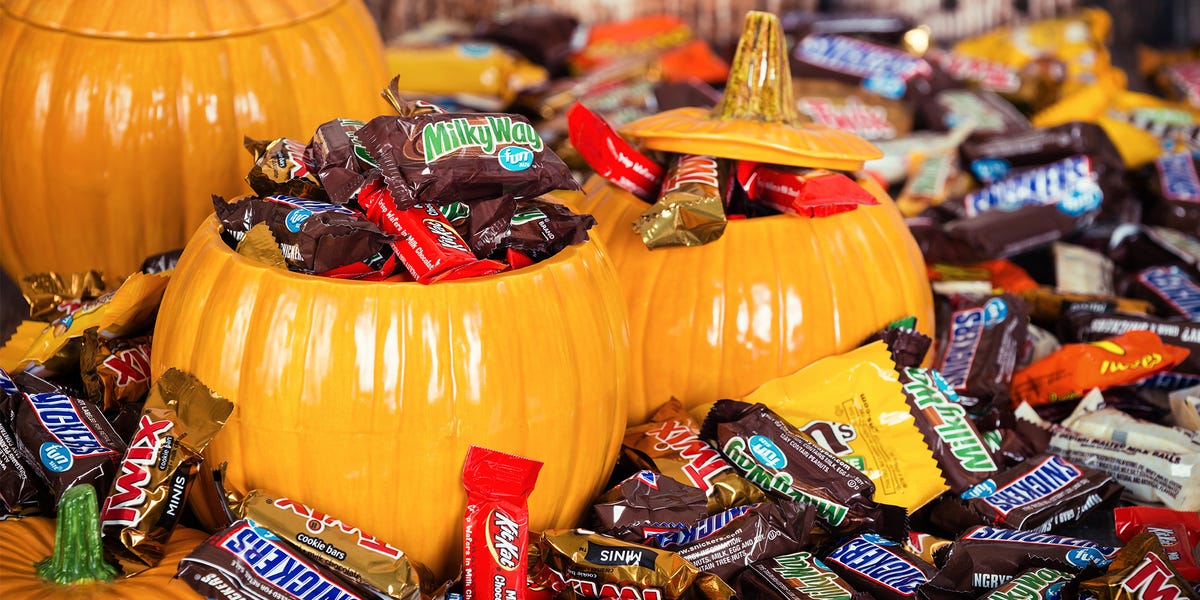
Buying Halloween candy sounds simple until you’re standing in the seasonal aisle, staring at a 250-piece variety bag like it’s a math exam with ghosts on it. Buy too little, and your porch becomes the neighborhood tragedy. Buy too much, and you spend November pretending fun-size chocolate is a balanced breakfast. So, how much Halloween candy should you buy?
The best answer is not “all of it,” although your inner 9-year-old may strongly disagree. A smarter answer depends on your neighborhood traffic, how generous you want to be, how long you’ll hand out candy, the weather, local events, and whether your house has become “that house” with the fog machine, giant skeleton, and suspiciously dramatic thunder sound effects.
For most American households, a safe starting point is 2 to 3 pieces of fun-size candy per trick-or-treater, plus a 10% to 25% buffer. If you expect 100 kids, buy about 220 to 375 pieces. If your street is quiet, you may only need 100 to 150 pieces. If your neighborhood is a Halloween hotspot, 500 pieces may disappear faster than a vampire at sunrise.
The Simple Halloween Candy Formula
Here is the easiest way to estimate how much candy to buy without summoning a spreadsheet demon:
Halloween Candy Formula
Expected trick-or-treaters × pieces per child + household snacking + safety buffer = total candy pieces needed
Let’s break that down:
- Expected trick-or-treaters: Estimate how many kids usually visit your home.
- Pieces per child: Use 2 pieces for normal traffic, 3 pieces if you want to be generous, and 1 piece if you expect a crowd.
- Household snacking: Add candy for the people in your home who “accidentally” test the product before Halloween.
- Safety buffer: Add 10% to 25% extra so you don’t run out too early.
Example: You expect 120 trick-or-treaters and plan to give each child 2 pieces. That equals 240 pieces. Add 30 pieces for family snacking and a 20% buffer, and your total lands around 325 pieces. If each bag contains 150 pieces, buy three bags. Congratulations, you have defeated Halloween algebra.
Quick Candy Buying Guide by Household Type
Every neighborhood is different, but these estimates work well for most homes:
Quiet Street or Rural Area
If you usually get fewer than 50 trick-or-treaters, buy 100 to 150 pieces. Give 2 pieces per child and keep a small backup bag in the pantry. If only a dozen kids arrive, you won’t be buried under a mountain of mini candy bars.
Average Suburban Neighborhood
If your home gets steady but manageable traffic, buy 250 to 400 pieces. This is the sweet spot for many families. It gives you enough room to hand out 2 pieces per child and survive the mysterious 7:15 p.m. rush when every child in town appears at once.
Busy Trick-or-Treat Destination
If your block is known for decorations, sidewalks, school-age families, or safe walking routes, buy 500 to 800 pieces. In high-traffic areas, hand out 1 piece early in the evening and become more generous later if supplies look strong.
Apartment, Condo, or Townhome Community
If your building hosts organized trick-or-treating, buy 150 to 300 pieces, depending on the number of families. For door-to-door apartment traffic, ask the building manager or neighbors what happened last year. Some buildings are candy deserts; others are tiny chocolate tornadoes.
Halloween Party at Home
For a party, plan on 4 to 6 pieces per child and 2 to 4 pieces per adult. Adults may claim they are “not really candy people,” then quietly demolish half the peanut butter cups while discussing mortgage rates.
How Many Pieces Should You Give Each Trick-or-Treater?
The polite standard is 2 pieces of fun-size candy per child. It feels generous without draining your bowl in ten minutes. If you expect a big crowd, start with 1 piece each. If traffic slows down later, you can upgrade to 3 pieces and become the local legend known as “the house that panicked productively.”
For full-size candy bars, 1 per child is plenty. Full-size bars are exciting, memorable, and expensive, so they work best for small neighborhoods or for the final round of kids when you still have candy left and want to end with flair.
How to Estimate Trick-or-Treater Traffic
The biggest mistake people make is guessing based on wishful thinking. Your candy needs are shaped by real neighborhood behavior. Before buying, ask yourself a few questions:
- How many kids came last year?
- Are there new families in the neighborhood?
- Is Halloween on a school night or weekend?
- Does your area have sidewalks and streetlights?
- Are there local trunk-or-treat events competing with door-to-door visits?
- Do you decorate heavily enough to attract extra visitors?
- Is the weather expected to be warm, cold, rainy, or windy?
A rainy Halloween can reduce traffic. A mild Friday night can turn a calm street into a candy parade. Houses with bright lights, decorations, music, and a visible candy station usually attract more trick-or-treaters than homes with one lonely porch bulb and a pumpkin that looks emotionally exhausted.
What Kind of Halloween Candy Should You Buy?
Variety is your best friend. A good Halloween candy bowl includes chocolate, fruity candy, chewy candy, and allergy-conscious alternatives. Chocolate classics such as Reese’s, M&M’s, Kit Kat, Snickers, and Twix remain crowd favorites. Fruity and chewy options like Skittles, Sour Patch Kids, Starburst, Nerds, and gummy bears are excellent choices, especially as chocolate prices fluctuate.
A balanced candy bowl might look like this:
- 40% chocolate candy for classic Halloween appeal
- 30% fruity or chewy candy for variety and budget control
- 20% nut-free or simpler ingredient options for broader accessibility
- 10% non-food treats such as stickers, glow sticks, pencils, or mini toys
Non-food treats are especially helpful for children with food allergies, dietary restrictions, or sensory preferences. Keep them in a separate bowl so families can choose easily. If you want to be extra welcoming, place a teal pumpkin or sign near your door to show that non-food treats are available.
How to Buy Halloween Candy on a Budget
Halloween candy can get expensive quickly, especially if you live in a busy neighborhood. To save money, compare the price per piece and the price per ounce. A giant bag is not always the best deal if it contains fewer pieces than a smaller-looking variety pack.
Here are smart budget tips:
- Buy early, before the most popular candy sells out.
- Use warehouse clubs for large crowds.
- Mix chocolate with lower-cost fruity candy.
- Avoid buying only your personal favorites, or they may vanish before Halloween.
- Choose candy your household will actually enjoy if there are leftovers.
- Look for store-brand variety packs if your budget is tight.
- Use non-food treats to stretch the candy bowl.
If you need 500 pieces, buying five small bags from a grocery store may cost more than one or two bulk boxes from a warehouse store. But if you only need 100 pieces, bulk buying may create leftovers you didn’t want. The best deal is the one that matches your expected traffic.
Should You Buy Extra Candy?
Yes, but not wildly extra. A 10% to 25% buffer is enough for most homes. If your neighborhood traffic is unpredictable, aim closer to 25%. If you live on a quiet street, 10% is fine.
Buy extra candy only if it meets at least one of these conditions:
- Your neighborhood had high traffic last year.
- Halloween falls on a weekend or mild-weather evening.
- Your house is heavily decorated.
- You are hosting a party.
- You like the candy enough to use leftovers later.
Do not buy three massive bags of candy just because the packaging has a cartoon ghost winking at you. That ghost does not care about your pantry space.
How to Avoid Running Out Too Early
The easiest way to avoid running out is to control portions from the beginning. Use a smaller serving bowl and refill it from a hidden backup stash. A giant overflowing bowl encourages handfuls, while a smaller bowl naturally signals “take one or two.”
You can also use a time-based candy strategy:
- Early evening: Give 1 to 2 pieces per child.
- Peak rush: Give 1 piece if the line is long.
- Late evening: Give 2 to 4 pieces if supplies remain.
- Final visitors: Let them choose extra candy and enjoy your heroic generosity.
If you run out, turn off your porch light. It is the universal Halloween signal for “the candy cauldron is empty.” Do not leave an empty bowl outside unless you want children to gaze into it like archaeologists discovering a ruined civilization.
Food Safety and Allergy Tips for Halloween Candy
Buy individually wrapped, commercially packaged treats. Avoid handing out loose candy, homemade snacks, or anything without a label unless you personally know the family. Parents are usually advised to inspect candy at home, check wrappers, remove choking hazards for young children, and read labels for allergens.
Good hosting habits include:
- Choose sealed, recognizable candy brands.
- Keep nut-heavy candies separate when possible.
- Offer non-food treats in a separate bowl.
- Avoid tiny hard candies for toddlers.
- Do not hand out anything with damaged packaging.
- Store candy away from pets, especially chocolate.
Halloween should feel fun, not stressful. A little planning makes your porch safer, friendlier, and less chaotic.
What to Do With Leftover Halloween Candy
Leftover candy is not a failure. It is simply November’s problem wearing orange packaging. Chocolate can often be frozen and used later in cookies, brownies, trail mix, milkshakes, or lunchbox treats. Fruity candy can be saved for birthday party favors, classroom prizes, or movie nights.
You can also donate unopened candy through local drives, community centers, or workplace collections when available. Another option is to create a “leftover basket” for guests, delivery drivers, or neighbors. Just be honest with yourself: if you keep your favorite candy on the kitchen counter, it will not last long. It will evaporate mysteriously, one wrapper at a time.
Best Examples: How Much Candy to Buy
Example 1: Small Neighborhood
You expect 40 kids and want to give 2 pieces each. That equals 80 pieces. Add a 20% buffer, and you need about 96 pieces. Buy one bag with 100 to 120 pieces.
Example 2: Average Suburban Street
You expect 125 kids and plan to give 2 pieces each. That equals 250 pieces. Add 50 pieces for snacking and a 15% buffer, and you need around 345 pieces. Buy two large variety bags or three medium bags, depending on piece count.
Example 3: Busy Halloween Block
You expect 300 kids. Give 1 piece during the rush and 2 pieces later. Estimate 400 to 500 pieces total. Buy three or four large bags and keep one unopened until you know traffic is strong.
Example 4: Halloween Party Plus Trick-or-Treaters
You expect 20 party guests and 100 trick-or-treaters. Plan 100 pieces for the party, 200 pieces for visitors, and a 20% buffer. You need about 360 pieces.
Experiences and Real-Life Lessons: What Candy Night Teaches You
The first lesson of Halloween candy buying is that your neighborhood has a personality. Some streets behave like polite little storybook villages, where children arrive in gentle waves, say “thank you,” and leave with two pieces. Other streets become full-scale sugar festivals. Wagons roll in. Parents trail behind with coffee cups. Someone’s inflatable dinosaur costume blocks half the sidewalk. Your candy bowl begins the night as a proud treasure chest and ends as a plastic bucket of panic.
One common experience is the “early confidence trap.” At 5:30 p.m., only three tiny superheroes have visited, and you think, “I bought too much.” Then 6:45 p.m. arrives, and suddenly your porch looks like a theme park entrance. This is why it helps to pace your candy. Start modestly. Two pieces are friendly. A fistful at 6 p.m. is how you become candy-poor by 7 p.m.
Another real-world lesson: decorations change everything. A house with carved pumpkins, lights, music, and a visible bowl can attract kids from across the block. A darker house may be skipped even if the people inside have enough chocolate to negotiate international peace. If you decorate big, buy big. The giant skeleton is not just décor; it is a marketing campaign.
Families also learn that not all candy disappears equally. Chocolate usually goes first, especially peanut butter cups and mini bars. Fruity candy lasts longer in some neighborhoods, but in others, sour candy is the superstar. A mixed bowl prevents disappointment and helps stretch your budget. Kids like choice, and parents appreciate wrapped, familiar treats.
Weather creates another surprise. A chilly drizzle can cut traffic in half. A warm evening can double it. If the forecast looks perfect, buy extra. If storms are expected, keep one bag unopened so you can return it, donate it, or save it for later.
The best experience-based advice is to keep notes. After Halloween, write down how many kids came, how many bags you bought, what ran out first, and what remained. Next year, you won’t have to guess. You’ll have porch data, which is the most festive kind of data.
Finally, remember that the goal is not perfection. If you run out, turn off the light. If you overbuy, freeze the chocolate. If a toddler dressed as a pumpkin forgets to say “trick or treat” and simply stares at your candy bowl in awe, give them the good stuff. Halloween is about delight, neighborhood fun, and controlled candy chaos. Buy with a plan, serve with a smile, and keep one peanut butter cup hidden for yourself. That is not greed. That is host compensation.
Conclusion
So, how much Halloween candy should you buy? For most homes, plan on 2 to 3 pieces per trick-or-treater, then add a 10% to 25% buffer. A quiet home may need only 100 pieces, an average neighborhood may need 250 to 400 pieces, and a busy Halloween destination may need 500 pieces or more.
The smartest candy bowl is balanced, budget-friendly, and welcoming. Mix chocolate with fruity candy, include a few non-food treats, check package counts before buying, and pace your handouts during the evening. Halloween candy math may not be glamorous, but it saves you from two classic horrors: running out too soon or eating leftover candy until Thanksgiving.
Note: This article synthesizes current U.S. Halloween retail trends, candy-buying behavior, confectionery industry insights, allergy-friendly treat practices, and food-safety recommendations into original, publish-ready guidance.