

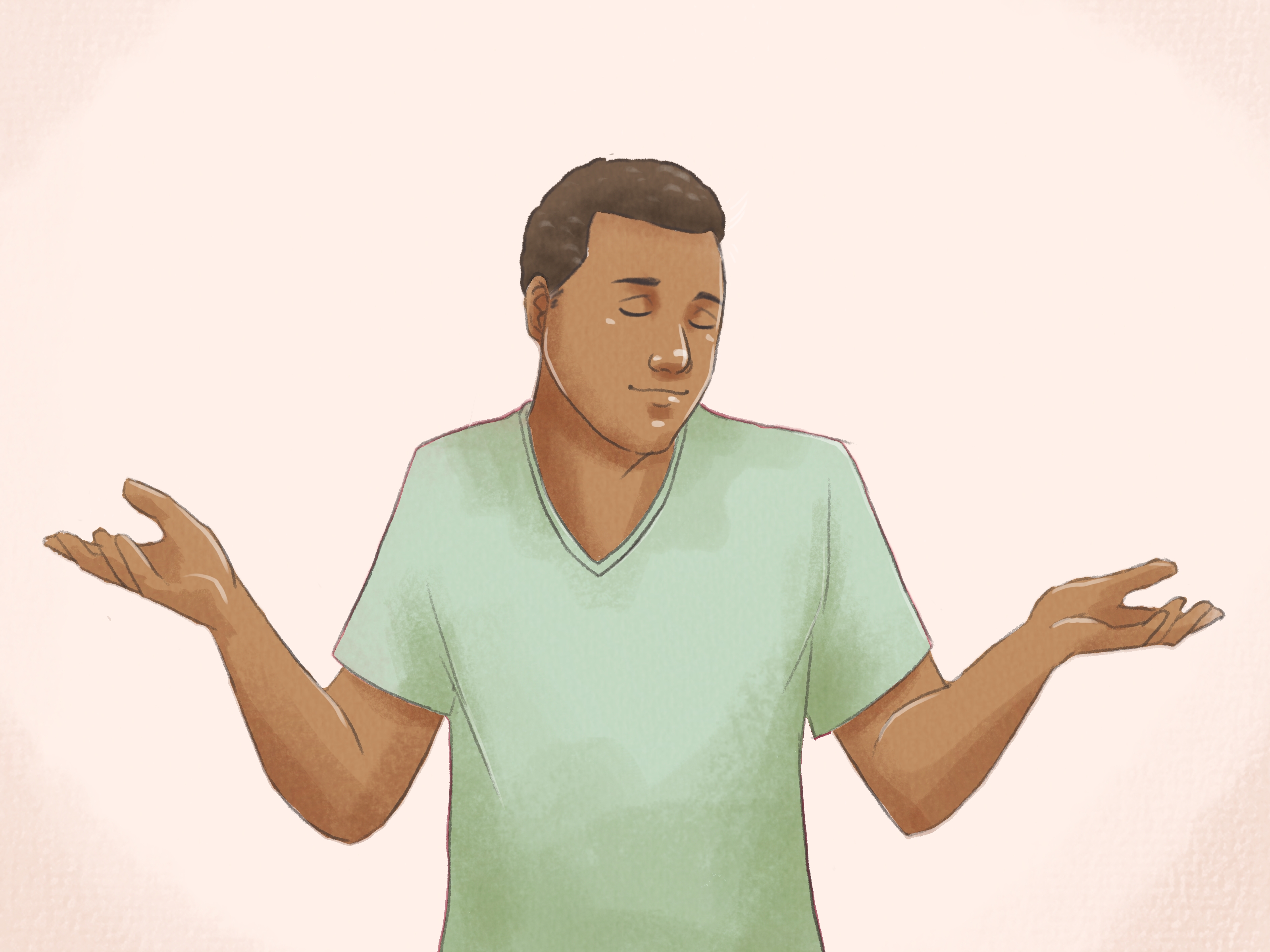
Some people can receive shocking news, sip their coffee, and say, “Interesting,” as if life just told them the Wi-Fi password. Others hear one slightly mysterious text tone and immediately become private detectives with three tabs open and a racing heart. So, how nonchalant are you really?
Being nonchalant can look like calm confidence, emotional balance, and the rare ability to not turn every inconvenience into a full Broadway production. But it can also slip into emotional distance, avoidance, or a “too cool to care” attitude that quietly damages relationships. The trick is knowing the difference.
What Does Nonchalant Really Mean?
The word nonchalant generally describes someone who appears calm, relaxed, and unconcerned. In everyday American English, it often means “cool under pressure.” Picture someone walking into a room after a minor disaster and calmly saying, “Okay, let’s fix it,” instead of screaming into a throw pillow. That is useful nonchalance.
However, nonchalant does not always mean emotionally healthy. Sometimes it suggests indifference, carelessness, or a refusal to show concern. In that case, the person may not be calm because they are emotionally grounded; they may be calm because they are checked out. There is a big difference between being unbothered and being unavailable.
Healthy nonchalance is not the absence of feeling. It is the ability to feel something without letting the feeling drive the car, text your ex, buy unnecessary office supplies, and sign up for a pottery class at 2 a.m.
The Psychology Behind a Nonchalant Personality
A nonchalant personality often connects with emotional regulation, resilience, self-awareness, and confidence. Emotional regulation is the ability to manage emotional responses instead of being dragged around by them like a dog owner holding the leash of a very ambitious golden retriever. People with good emotional regulation can pause, breathe, think, and respond with intention.
Resilience also plays a major role. Resilient people still experience stress, disappointment, and embarrassment, but they recover more quickly. They may not love being criticized at work, rejected by a date, or stuck behind someone paying with exact change from 1997, but they do not let one uncomfortable moment define their whole day.
That said, some people act nonchalant because they learned early that showing emotion was unsafe, embarrassing, or pointless. Their calm exterior may be a shield. This can happen in friendships, dating, families, and workplaces. A person may say, “I don’t care,” when they actually care very much but do not want to risk looking vulnerable.
Signs You Are Genuinely Nonchalant
You may be naturally nonchalant if you stay calm when plans change, avoid overreacting to small problems, and rarely need everyone around you to match your emotional temperature. You can receive feedback without instantly building a courtroom defense. You can wait for a reply without assuming the person has moved to another continent to avoid you.
1. You Pause Before Reacting
A calm person does not always respond instantly. They give themselves a moment. This pause can be as simple as taking a breath before answering a tense message, waiting before making a decision, or choosing silence instead of delivering a spicy sentence that will need an apology later.
2. You Do Not Need to Win Every Tiny Battle
Nonchalant people often know which hills are worth climbing and which hills are just decorative landscaping. They do not argue about every misunderstood tone, every delayed email, or every comment that was probably not that deep.
3. You Are Comfortable With Uncertainty
Life is full of unfinished information. A nonchalant person can tolerate not knowing everything immediately. They do not need constant reassurance, instant answers, or a full emotional weather report from everyone they know.
4. You Can Laugh at Yourself
One of the best signs of healthy nonchalance is the ability to be human without panic. You mispronounce a word, spill coffee, send “Thanks, love you” to your manager, and somehow survive. The nonchalant person says, “Well, that happened,” and keeps going.
Signs Your Nonchalance Might Be Emotional Avoidance
Here is where the plot thickens. Sometimes people confuse being calm with being emotionally unavailable. If your “nonchalant vibe” often leaves people feeling ignored, confused, or unimportant, it may not be confidence. It may be avoidance wearing sunglasses indoors.
1. You Say “I Don’t Care” When You Actually Do
This is one of the most common signs. Maybe you pretend you do not care about a relationship, a friendship, a job opportunity, or a personal goal because admitting you care feels risky. But pretending not to care does not make feelings disappear. It just makes them wear a fake mustache and hide in the basement.
2. You Avoid Serious Conversations
If someone wants to talk about feelings and your first instinct is to change the subject, make a joke, check your phone, or suddenly become very interested in organizing the refrigerator, your nonchalance may be a defense mechanism. Humor is wonderful, but it should not be a trapdoor you use to escape every meaningful conversation.
3. People Call You Cold or Distant
If one person says you seem distant, maybe it is a mismatch. If five people say it, there may be a pattern sitting in the living room eating chips. Emotional distance can make others feel like they are trying to connect with a locked door that occasionally sends memes.
4. You Feel Numb More Than Calm
Calmness feels steady. Numbness feels empty. If your version of nonchalant means you rarely feel excitement, sadness, affection, or concern, it may be worth paying attention. Emotional balance does not mean turning down the volume on life until it becomes background noise.
Why Nonchalance Became So Popular
Modern culture loves the “unbothered” aesthetic. Social media rewards people who look effortless, detached, and perfectly composed. Nobody wants to seem desperate, needy, dramatic, or overly invested. So people learn to act like they care less than they do.
In dating, this can look like delayed replies, vague answers, and pretending not to be excited. In friendships, it can look like never reaching out first. At work, it can look like acting unaffected by pressure even when your brain is quietly juggling flaming bowling pins.
The problem is that constant nonchalance can become lonely. People connect through responsiveness, honesty, and small signals of care. If everyone is pretending not to care, relationships become a room full of people wearing emotional sunglasses and wondering why it is so dark.
How Nonchalant Are You? A Simple Self-Check
This is not a clinical test, but it can help you reflect on your natural style. Read each statement and rate yourself from 1 to 5. A score of 1 means “rarely true,” and 5 means “very true.”
- I stay calm when plans suddenly change.
- I can wait for answers without spiraling into worst-case scenarios.
- I do not need to prove myself in every disagreement.
- I can admit when I care about something.
- I respond to people’s emotions instead of brushing them off.
- I can handle criticism without shutting down or attacking back.
- I know when to speak up instead of acting like everything is fine.
- I can relax without becoming careless.
Your Results
8–18 points: You may be more emotionally reactive than nonchalant. That is not a character flaw. It simply means your emotions arrive with luggage, snacks, and possibly a marching band. Practicing pauses, breathing, and perspective-taking may help.
19–30 points: You are probably balanced. You can stay calm but still show care. This is the sweet spot: relaxed, responsive, and not likely to start a group chat emergency over a punctuation mark.
31–40 points: You may be highly nonchalant. That can be a strength, especially under pressure. Just make sure your calmness does not become emotional distance. People should feel your steadiness, not your absence.
Healthy Nonchalance vs. Toxic Nonchalance
Healthy nonchalance is calm, flexible, and kind. Toxic nonchalance is dismissive, avoidant, and confusing. Healthy nonchalance says, “I am not panicking, but I am present.” Toxic nonchalance says, “Nothing matters, including your feelings, apparently.”
Healthy Nonchalance Looks Like This
You can stay composed during conflict. You listen before reacting. You let small things slide. You express interest without clinging. You are not controlled by every emotion, but you do not deny them either.
Toxic Nonchalance Looks Like This
You ignore messages to look powerful. You hide excitement because enthusiasm feels embarrassing. You dismiss other people’s concerns as “dramatic.” You avoid commitment, vulnerability, or accountability. You use “I’m chill” as a decorative label for “I refuse to communicate.”
How to Become More Calm Without Becoming Cold
If you want to be more nonchalant in the best way, aim for emotional steadiness, not emotional disappearance. The goal is not to become a stone statue with better outfits. The goal is to respond to life with more clarity and less panic.
Practice the Pause
Before reacting, give yourself a small gap. Take one breath. Count to five. Read the message twice. Ask, “What is the most mature version of me likely to do here?” This tiny pause can save friendships, jobs, and several regrettable paragraphs.
Name the Feeling
Instead of saying, “I’m fine,” try being specific. Are you disappointed, embarrassed, tired, anxious, jealous, or overwhelmed? Naming emotions makes them easier to manage. “I feel rejected” is more useful than “Whatever.”
Use Your Body to Calm Your Mind
Stress is not only mental; it is physical. Deep breathing, stretching, walking, meditation, and time outdoors can help your body shift out of high alert. You do not need to become a mountaintop monk. Even a short walk can help you stop arguing with imaginary people in your head.
Communicate Care Clearly
If you are naturally laid-back, remember that other people may not automatically know you care. Say it. Show up. Reply with warmth. Ask follow-up questions. A little emotional clarity can prevent someone from mistaking your calmness for indifference.
Nonchalance in Dating, Friendship, and Work
In Dating
A little nonchalance can make dating healthier. It keeps you from obsessing over every message, overanalyzing every emoji, or treating a first date like a congressional hearing. But too much nonchalance can make the other person feel unwanted. If you like someone, it is okay to act like it. Enthusiasm is not a crime. The dating police are not coming.
In Friendship
Nonchalant friends are often easy to be around because they do not create drama from dust. But friendship still requires effort. If you never check in, never express appreciation, and never respond emotionally when someone opens up, your “chill” may start to feel like neglect.
At Work
At work, healthy nonchalance can be a superpower. Calm people think better during deadlines, handle feedback more professionally, and avoid spreading panic through the office like glitter from a craft project. Still, being calm does not mean being passive. Speak up when needed, set boundaries, and take problems seriously without letting them eat your nervous system for lunch.
Real-Life Experiences: How Nonchalant Are You?
Most people discover their level of nonchalance not during peaceful moments, but during tiny emotional ambushes. Imagine you send a thoughtful message and the person replies six hours later with “lol.” A highly reactive person may immediately wonder what went wrong, whether the relationship is fading, and whether “lol” is actually a coded goodbye. A balanced nonchalant person may think, “They’re probably busy,” and continue living like a healthy citizen. A toxic nonchalant person may decide never to reply again because caring first feels like losing. Same situation, three very different inner movies.
Another common experience happens at work. Your manager says, “Can we talk later?” Suddenly, the brain opens a full investigation. Are you being promoted? Fired? Asked to join a committee no one survives? A genuinely nonchalant person may feel a flash of nerves but does not let the uncertainty take over. They prepare calmly, continue their tasks, and wait for actual information. This kind of nonchalance is not laziness; it is emotional efficiency.
Then there is social embarrassment, the great equalizer. You wave at someone who was waving at the person behind you. You tell a joke that lands like a wet sandwich. You trip slightly in public and immediately pretend you were experimenting with jazz walking. Nonchalant people recover quickly because they understand that most people are too busy thinking about themselves to archive your awkward moment forever. This is a powerful life skill. Honestly, it should come with a certificate.
Relationships reveal another layer. Some people believe being nonchalant means never asking for reassurance, never showing jealousy, never admitting hurt, and never saying, “I miss you.” But real emotional strength includes honesty. If you are upset, you can say, “That bothered me,” without turning the room into a courtroom. If you care, you can say, “This matters to me,” without handing someone the remote control to your dignity. Calm communication is far more attractive than mysterious emotional fog.
A personal growth experience many people share is learning that “being chill” sometimes masked fear. Maybe you acted like rejection did not matter because wanting something felt dangerous. Maybe you avoided excitement because disappointment had embarrassed you before. Maybe you used sarcasm as bubble wrap around your feelings. The moment you notice that pattern, you gain choice. You can still be relaxed, funny, and composed, but you no longer have to disappear emotionally to stay safe.
True nonchalance is not about proving you are unaffected. It is about trusting yourself enough to handle being affected. You can care about a job interview and still sleep the night before. You can like someone and still keep your self-respect. You can be disappointed and still move forward. You can be calm without pretending to be made of marble. That is the best version of nonchalance: soft enough to feel, strong enough not to fall apart, and wise enough not to start a dramatic podcast over one bad Tuesday.
Conclusion: So, How Nonchalant Are You?
Being nonchalant can be a strength when it means you are calm, confident, patient, and emotionally steady. It helps you handle stress, reduce unnecessary drama, and stay grounded when life throws confetti made of problems. But nonchalance becomes unhealthy when it turns into avoidance, indifference, or emotional silence.
The best goal is not to care less. It is to care wisely. Stay cool, but stay connected. Be calm, but be honest. Let small things pass, but do not let important feelings disappear. The most impressive people are not the ones who act like nothing matters. They are the ones who know what matters and respond with grace.