

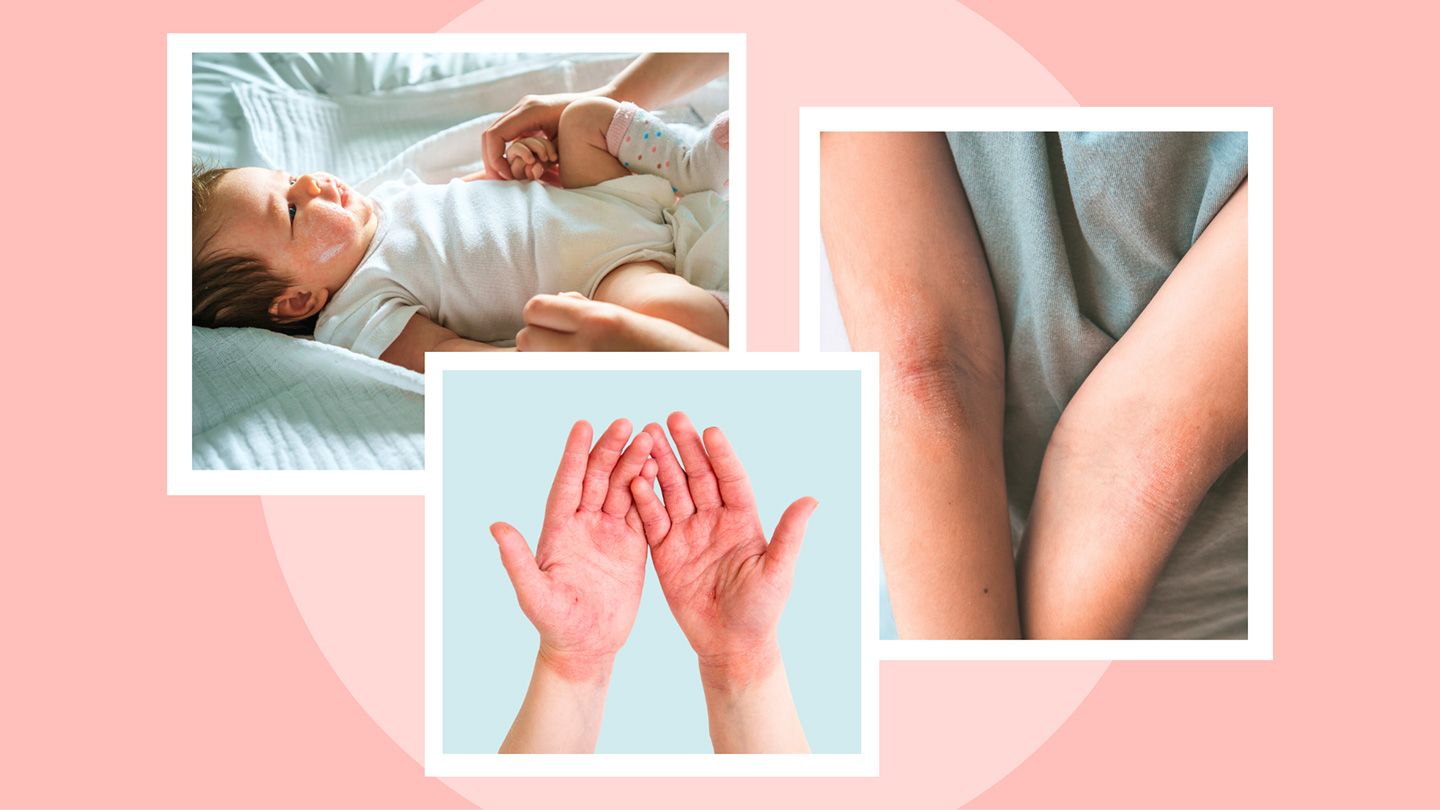
When a child has severe atopic dermatitis, better known as eczema, the whole house can feel itchy. The laundry routine changes. Bedtime becomes a negotiation. A tiny scratch can turn into a big flare. And somewhere between the fragrance-free detergent, the mystery rash, and the midnight “Mom, I’m itchy,” parents may start wondering whether they need a medical degree, a detective badge, or just a very large tub of moisturizer.
The good news: parents can make a major difference. Severe childhood eczema is not simply “dry skin,” and it is definitely not caused by bad parenting, poor hygiene, or a child being dramatic. Atopic dermatitis is a chronic inflammatory skin condition that can cause intense itching, redness, dryness, cracking, oozing, sleep problems, and emotional stress. For some children, it affects school, play, confidence, and family routines.
This guide explains practical, evidence-based ways parents can help children with severe atopic dermatitis, from building a daily skin-care routine to working with doctors, managing triggers, preventing infection, and supporting a child emotionally. It is educational and should not replace care from a pediatrician, dermatologist, or allergist.
Understanding Severe Atopic Dermatitis in Children
Atopic dermatitis is a long-lasting skin condition linked to inflammation, a weakened skin barrier, genetics, immune system activity, and environmental triggers. In children with severe eczema, the skin barrier does not hold moisture well. That means irritants, allergens, bacteria, sweat, and even everyday friction can stir up trouble. Think of the skin barrier like a brick wall. In eczema, some of the mortar is missing, so water escapes and irritants sneak in like tiny uninvited guests.
Severe eczema may involve widespread rash, constant itching, thickened skin, bleeding from scratching, frequent flares, sleep disruption, skin infections, or poor response to over-the-counter care. It can appear differently depending on skin tone. On lighter skin, eczema may look red or pink. On darker skin, it may appear brown, gray, purple, or darker than the surrounding skin. Parents should not wait for eczema to look “textbook red” before seeking care.
When Parents Should Seek Medical Help
Parents should contact a healthcare professional if eczema is widespread, painful, infected-looking, keeping the child awake, interfering with school or play, or not improving with a consistent care routine. Severe atopic dermatitis often needs prescription treatment and a clear action plan.
Watch for signs of infection
Children with severe eczema are more prone to skin infections because scratching breaks the skin. Call a doctor if you notice yellow crusting, pus, swelling, warmth, increasing pain, fever, rapidly spreading redness, or blisters. If the child seems very ill or has a painful blistering rash, urgent care may be needed.
Ask for a written eczema action plan
A written plan can save families from guessing during flares. It should explain what to do on good skin days, early flare days, and severe flare days. It may include bathing steps, moisturizers, prescription creams, wet wrap instructions, infection warning signs, and follow-up timing. A plan also helps grandparents, babysitters, school nurses, and daycare staff avoid creative but questionable ideas like “let’s try lemon juice.” Please do not try lemon juice.
Build a Daily Skin-Care Routine That Actually Works
For children with severe eczema, consistency matters more than perfection. Parents do not need a 14-step spa routine. They need a simple, repeatable system that protects the skin barrier every day, even when the rash looks calmer.
Use the soak-and-seal method
Many eczema experts recommend short, lukewarm baths or showers, followed immediately by moisturizer. Hot water can worsen dryness and itching, so keep the water warm, not steamy. After bathing, gently pat the skin dry, leaving it slightly damp. Then apply prescription medicine to active eczema areas if directed, followed by a thick moisturizer over the rest of the skin. Moisturizing within a few minutes helps trap water in the skin.
Choose thick, fragrance-free moisturizers
Ointments and thick creams usually work better than thin lotions for severe atopic dermatitis. Look for fragrance-free products, not simply “unscented,” because unscented products may still contain masking fragrances. Petroleum jelly and thick barrier creams can be helpful because they seal in moisture. The best moisturizer is the one your child will tolerate and your family can use consistently without needing a second mortgage.
Moisturize more than once a day
Once-daily moisturizing is often not enough for severe eczema. Many children benefit from moisturizing at least twice daily and after handwashing, swimming, sweating, or bathing. Keep small containers of moisturizer in practical places: bathroom, backpack, bedside table, diaper bag, and the car. If moisturizer is always within reach, parents are less likely to play the classic game of “Where did the cream go?”
Use Prescription Treatments Correctly
Parents sometimes worry about prescription eczema medicines, especially topical steroids. That concern is understandable, but undertreating severe eczema can also cause harm. Constant inflammation, broken skin, poor sleep, and infection risk can deeply affect a child’s health and quality of life.
Topical corticosteroids can calm inflammation
Topical corticosteroids are commonly used to treat eczema flares. They come in different strengths, and doctors choose them based on the child’s age, body area, severity, and flare pattern. A mild steroid may be used on sensitive areas, while thicker skin or severe patches may need a stronger option for a limited time. Parents should follow the exact instructions, including where to apply it, how often, and for how many days.
Non-steroid topical medicines may be part of the plan
Some children may be prescribed non-steroid medicines such as topical calcineurin inhibitors, PDE-4 inhibitors, or other anti-inflammatory options. These may be used on sensitive areas, for maintenance, or when steroid-sparing treatment is appropriate. The right choice depends on the child’s age, severity, medical history, and response to previous treatment.
Do not dilute medicine unless instructed
Parents may be tempted to mix prescription cream with moisturizer to make it “gentler.” However, mixing can dilute the medication and make it less effective unless the doctor specifically recommends it. A better approach is to apply the medication to active eczema patches as directed, then apply moisturizer to the rest of the skin or over treated areas according to the care plan.
Consider Wet Wrap Therapy for Severe Flares
Wet wrap therapy can be very helpful during severe eczema flares, especially when itching is intense and sleep has become a nightly wrestling match. It usually involves applying moisturizer or prescribed medication, covering the area with a damp cotton layer, then adding a dry layer on top. This helps hydrate the skin, reduce scratching, and improve absorption of treatment.
Wet wraps should be used with medical guidance, especially when topical steroids are involved. Parents should ask the doctor how long to leave wraps on, which products to use, and when to stop. Wet wraps can be done on arms, legs, hands, feet, or larger areas depending on the plan. Pajamas, cotton gloves, gauze, or specialized garments may be used.
Help Your Child Stop the Itch-Scratch Cycle
The itch-scratch cycle is one of the hardest parts of severe atopic dermatitis. Eczema itches, the child scratches, the skin gets more inflamed, and then it itches even more. This is not a willpower problem. It is biology being rude.
Keep nails short and smooth
Trim nails regularly and file rough edges. For babies and younger children, soft cotton mittens or pajamas with fold-over sleeves may reduce nighttime scratching. Older children may prefer cotton gloves, especially during flares.
Use distraction without blame
Instead of saying, “Stop scratching!” try, “Let’s press, tap, or hold something cool on that spot.” Some children respond well to fidget toys, story time, music, or a quick game that keeps hands busy. Scratching is often automatic, especially during sleep or stress, so shame does not help.
Make bedtime eczema-friendly
Nighttime itching can be brutal. A calming bedtime routine may include a lukewarm bath, prescribed medication, thick moisturizer, soft cotton pajamas, trimmed nails, and a cool room. Avoid overheating, because sweat can trigger itching. If sleep remains poor, talk with the child’s doctor. Chronic sleep loss affects mood, learning, behavior, and the entire family’s sanity.
Identify Triggers Without Turning Life Into a Science Lab
Triggers vary from child to child. Common eczema triggers include heat, sweat, harsh soaps, fragrances, rough fabrics, dry air, pollen, dust mites, pet dander, stress, saliva, certain detergents, and skin infections. Food allergies may play a role in some children, especially younger children with severe eczema, but food is not the cause for every case.
Track patterns, not perfection
A simple eczema diary can help. Record flares, sleep, weather, new products, activities, foods, illnesses, and stress. Parents do not need to write a novel. A few notes in a phone can reveal patterns, such as flares after soccer practice, swimming, winter air, or a certain scented bubble bath that smells like “strawberry volcano.”
Be careful with food restrictions
Do not remove major foods from a child’s diet without medical advice. Unnecessary food restriction can lead to poor nutrition, anxiety around eating, and false assumptions. Allergy testing may be helpful for selected children, but broad testing can produce false positives. If food allergy is suspected, work with a pediatrician or allergist.
Choose soft clothing and gentle laundry habits
Soft, breathable fabrics such as cotton are often better tolerated than wool or scratchy synthetics. Wash new clothes before wearing. Use fragrance-free detergent and skip fabric softeners or dryer sheets if they irritate the skin. Remove clothing tags if they cause rubbing.
Know When Severe Eczema Needs Advanced Treatment
If a child’s eczema remains severe despite good skin care and prescription topical treatment, parents should ask about advanced options. These may include phototherapy, biologic medications, or other systemic treatments. For example, dupilumab is FDA-approved for moderate-to-severe atopic dermatitis in children as young as 6 months when topical prescription therapies do not provide enough control or are not advisable. Treatment decisions should be made with a specialist who can review benefits, risks, age requirements, monitoring needs, insurance coverage, and family preferences.
Parents should not feel they have “failed” if their child needs advanced therapy. Severe atopic dermatitis can be a serious inflammatory condition. Sometimes moisturizer and topical medication are not enough, just as a garden hose is not enough to put out a house fire. You still need water, but you may also need the fire department.
Support Your Child’s Emotional Health
Severe eczema can affect more than skin. Children may feel embarrassed, frustrated, tired, or different from their peers. They may avoid shorts, swimming, sports, sleepovers, or photos. Some children are teased because classmates misunderstand eczema and think it is contagious. It is not contagious.
Give your child simple language
Teach children how to explain eczema in a confident, age-appropriate way. For example: “I have eczema. My skin gets itchy and dry, but you can’t catch it.” This small script can help children feel less helpless when others ask questions.
Work with school and daycare
Parents can provide teachers or school nurses with moisturizer, medication instructions if allowed, trigger notes, and a copy of the eczema action plan. Ask for practical accommodations when needed, such as avoiding overheated rooms, allowing water breaks after sweating, using gloves for messy art projects, or applying moisturizer during the school day.
Celebrate effort, not perfect skin
Some days the skin will flare despite doing everything right. Praise the child for participating in care, speaking up about itching, using moisturizer, or resisting scratching for a few minutes. Children should never feel that eczema is their fault.
Practical Home Tips for Parents
Parents can make eczema care easier by reducing friction in the daily routine. Keep moisturizers visible. Use a medication chart. Take photos before and after flares to track progress. Put prescription instructions in plain language. Set phone reminders for treatment times. Create a small “eczema kit” with moisturizer, cotton gloves, bandages, and doctor-approved medications.
During flares, simplify expectations. A child who slept four hours because of itching may not be ready for a packed schedule, scratchy costume, and three birthday parties. Protecting the skin sometimes means protecting the calendar too.
Common Mistakes Parents Should Avoid
One common mistake is stopping treatment too soon. Skin may look better before inflammation is fully controlled. Follow the doctor’s plan for flare treatment and maintenance. Another mistake is using too little medication because of fear. Ask the doctor to demonstrate the right amount, such as fingertip-unit guidance, so dosing feels less mysterious.
Parents should also avoid harsh “natural” remedies that can irritate eczema, including essential oils, lemon juice, baking soda scrubs, alcohol-based products, and heavily fragranced creams. Natural does not always mean gentle. Poison ivy is natural, and no one invites it to a skin-care party.
Experiences From Real-Life Eczema Parenting
Parents of children with severe atopic dermatitis often describe eczema care as a marathon with surprise hurdles. One week, the routine works beautifully. The next week, a cold, a heat wave, or a new classroom carpet seems to wake the eczema dragon. This unpredictability can be emotionally exhausting, but families often learn small strategies that make daily life easier.
For many parents, the first turning point is accepting that severe eczema needs a system, not random rescue missions. Instead of waiting until the skin is cracked and bleeding, they build a morning and evening routine. The child wakes up, washes gently if needed, applies medicine to active patches, moisturizes, gets dressed in soft clothes, and heads into the day. At night, the routine repeats with a bath or shower, moisturizer, pajamas, and itch-control steps. It may not feel glamorous, but neither is brushing teeth, and everyone agrees teeth are worth the effort.
Another common experience is learning to advocate without apologizing. Parents may need to explain to relatives why scented lotion is not a cute gift, why wool sweaters stay in the drawer, or why the child cannot “just stop scratching.” Some families prepare a short explanation: “Her skin barrier is sensitive, and fragrance can trigger a flare. We use only the products recommended by her doctor.” Clear, calm language prevents long debates and protects the child from feeling like the problem.
School can be another challenge. Children may be embarrassed to apply moisturizer in class or ask for help. Parents often find it useful to meet with the teacher early, before a flare becomes a crisis. A small supply bag can stay with the nurse or teacher, including moisturizer, gloves, and written instructions. Older children may prefer carrying a travel-size moisturizer in a backpack. Giving children some control, such as choosing between two approved moisturizers or picking cotton pajamas they like, can reduce resistance.
Parents also learn that sleep is not a luxury. Severe itching at night can turn the whole household into tired raccoons. When sleep is disrupted, children may become cranky, distracted, or tearful, and parents may feel guilty or overwhelmed. A doctor-guided nighttime plan can help. Wet wraps, adjusted medication, infection treatment, or advanced therapy may be needed if itching is severe. Families should not normalize months of poor sleep as “just eczema.”
Emotionally, children need reassurance that their skin does not define them. Parents can say, “Your eczema is having a loud day, but you are still you.” This kind of language separates the child from the condition. It also reminds parents to notice the whole child: the funny jokes, the Lego masterpiece, the soccer goal, the kindness to a sibling, the dramatic storytelling at dinner.
Finally, many parents discover that progress is rarely a straight line. Improvement may look like fewer wake-ups, less bleeding, shorter flares, or a child saying, “I’m itchy,” before scratching until the skin breaks. These are wins. Severe eczema may require patience, medical support, and a lot of laundry, but children can feel better, sleep better, and enjoy life more when parents have the right tools and a steady plan.
Conclusion
Helping a child with severe atopic dermatitis starts with understanding that eczema is a real inflammatory condition, not just dry skin. Parents can help by building a consistent skin-care routine, using prescription treatments correctly, reducing triggers, watching for infection, protecting sleep, and working closely with pediatric dermatology or allergy specialists when needed. Severe eczema can be frustrating, but it is manageable. With the right plan, parents can help children feel more comfortable in their skin, literally and emotionally.