

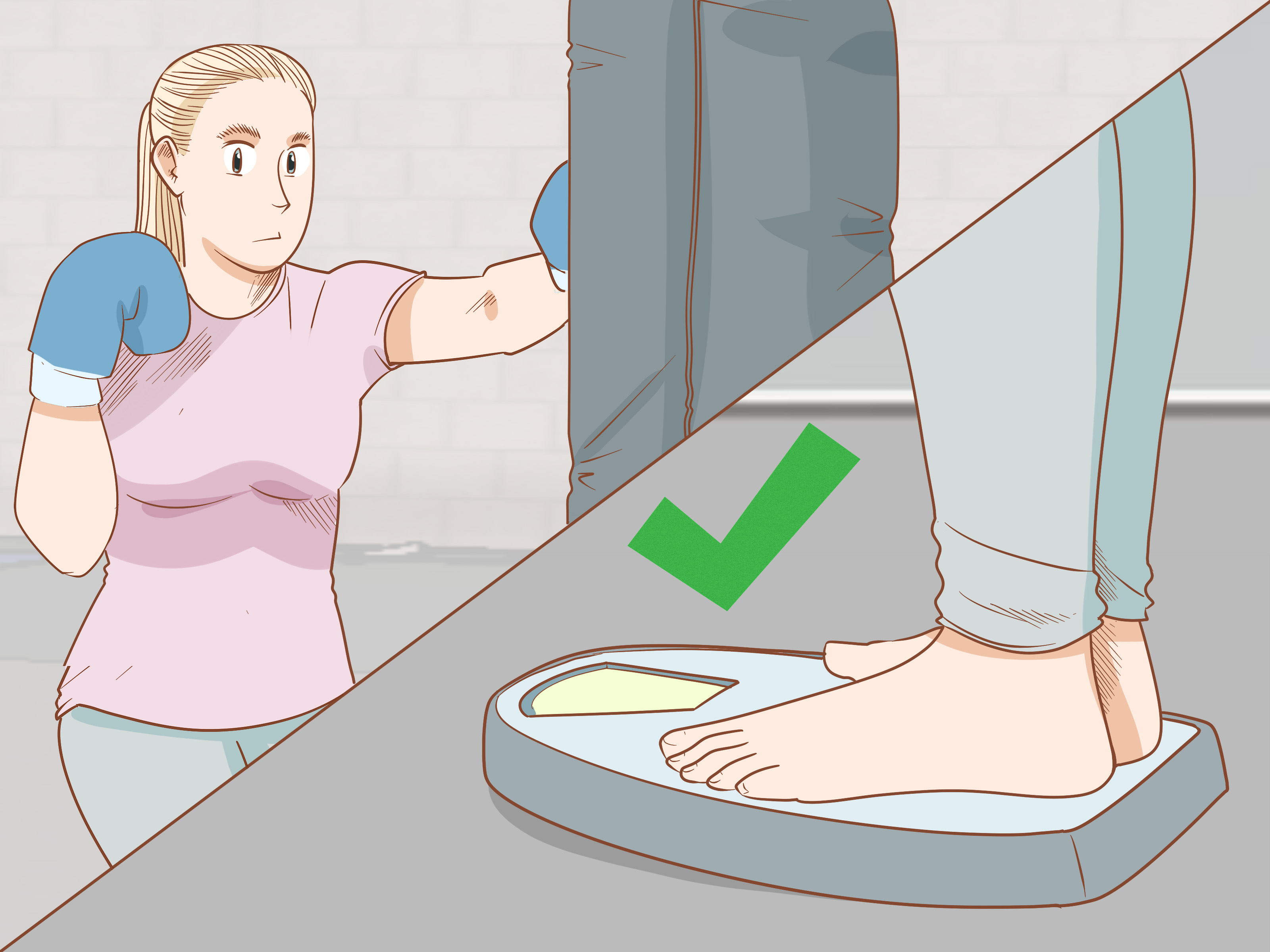
Kickboxing looks simple on highlight reels: two people in gloves, one person forgetting their legs exist, and the other person reminding thempolitely, with a shin. In real life, becoming a professional kick boxer is a long game of skill-building, paperwork, patience, and learning to love boring fundamentals almost as much as you love spinning things.
This guide breaks down what the path typically looks like in the United Statesfrom choosing the right gym to getting licensed, building an amateur record, managing weight cuts like an adult, and finally stepping into the pro circuit with a plan (and not just vibes).
What “Professional Kickboxing” Actually Means (In the U.S.)
In the U.S., “pro” doesn’t just mean you feel confident and own matching gear. It usually means you’re competing on events that are regulated (often by a state athletic commission), you’re licensed, you meet medical requirements, and your bout is being sanctioned under a specific ruleset. You’ll also find that “kickboxing” can mean a few different things depending on the promotion:
- Full contact / above-the-waist kicking (more traditional “American kickboxing” styles)
- K-1 style (commonly allows leg kicks; limited clinch rules)
- Low kick rules (emphasizes leg kicks)
- Muay Thai (often treated separately, but frequently promoted alongside kickboxing)
Before you chase a “pro debut,” get clear on which ruleset your gym trains for, which organizations are active in your region, and what your state commission requires. Pro is a legal/regulated status in many placesnot just a mood.
Step 1: Pick the Right Gym (Because You’re Renting a Second Home)
A professional career starts with one unglamorous decision: where you train. The best gym for your buddy might be the wrong gym for you. You want a place that’s both serious and safeyes, you can have both. Look for:
Coaching that produces fighters, not just sweaty selfies
Ask straightforward questions: Do they actively corner fighters? How often do their athletes compete? Do they have amateurs moving up responsibly? A good coach should be able to explain why you’re drilling somethingnot just yell “AGAIN!” like a cardio demon.
A culture of controlled sparring
If the gym treats every round like a pay-per-view main event, your brain cells will file a complaint. You need sparring that builds timing and decision-makingnot a weekly concussion subscription.
Training partners across levels
You need beginners to help you teach (and stay humble), peers to push pace, and experienced fighters to expose holes in your gamepolitely, with jabs.
Step 2: Build a Technical Base That Doesn’t Collapse Under Pressure
Most people learn kickboxing in the reverse order. They start with “cool stuff” (spinning kicks) and eventually discover “uncool stuff” (footwork) is what keeps them conscious. A pro-ready base typically includes:
Footwork and stance you can keep for rounds
Your stance should let you move, defend, and strike without telegraphing. Early on, train to keep your balance when tiredbecause fatigue is a snitch. It tells everyone what you’re about to do.
Defense that isn’t just “I can take it”
Real defense is layers: guard position, head movement, checks, blocks, distance management, and exits. “I can eat shots” is not a strategy; it’s a short-term rental agreement with regret.
High-percentage combinations
Pros rely on combos that work under stress. Think: jab-cross-low kick, cross-hook-cross, teep to reset distance, body shots that make people hate their life choices. Save the circus kicks for when you’ve earned themor when your coach sighs and says, “Fine, but set it up.”
Step 3: Train Like a Pro Before You’re Paid Like One
Professional kickboxing is built on repeatable weeks, not inspirational bursts. Here’s what a realistic training structure can look like (adjusted for your work/school life):
- 3–5 skill sessions/week: pads, technical drilling, bag work, strategy
- 1–2 sparring days/week: controlled, with specific goals
- 2–3 strength sessions/week: progressive, periodized, not random
- 2–4 conditioning blocks/week: intervals + steady aerobic base
- Daily mobility/prehab: hips, ankles, thoracic spine, shoulders
Strength and conditioning should follow principles like progressive overload, specificity, and planned training cycles (so you peak for fights instead of peaking for… Tuesday). If you’re just “going hard” all the time, you’re not trainingyou’re auditioning for burnout.
Step 4: SparringThe Fastest Teacher and the Most Expensive Mistake
Sparring is essential for becoming a professional kick boxer. It’s also where people sabotage their careers by treating training partners like enemies. Smart sparring looks like this:
- Technical sparring: light contact, focus on timing, defense, setups
- Situational rounds: “only jabs,” “only exits,” “pressure fighter vs counter fighter”
- Hard rounds (limited): closer to fight pace, used strategicallynot constantly
Combat sports carry concussion risk. If you get rocked, don’t “tough it out” by stacking more damage on top of damage. A real fighter protects their career with recovery and medical clearance when needed. Your future self wants to remember your win, not forget your own ZIP code.
Step 5: Compete as an Amateur (Because “Pro” Skips the Tutorial)
Most legitimate pro paths go through the amateur circuit first. Amateur fights teach things sparring can’t fully replicate: walkouts, adrenaline dumps, judging, unfamiliar opponents, rule enforcement, corner communication, and the special joy of waiting around all day to fight at night.
How many amateur fights do you need?
There’s no single universal number. Some rule frameworks and jurisdictions commonly expect a baseline of experience. In practice, many fighters build 6–15 amateur bouts (or more) before a responsible pro debut, depending on performance, age, and quality of competition.
Where amateurs go wrong
They chase outcomes (wins) instead of building skills (craft). If your style relies on chaos and toughness at amateur level, pros will turn that into a learning experience you didn’t ask for.
Step 6: Understand Licensing, Medicals, and Athletic Commission Reality
This is the part nobody puts on posters: professional competition often requires licensing and medical documentation. Requirements vary by state and event, but commonly include items like:
- Physical exam (often yearly)
- Bloodwork (commonly HIV and hepatitis screenings, with specific time windows)
- Eye exam (sometimes required, sometimes conditional)
- Proof of experience (especially for first pro events in certain states)
- Identification + photos and sometimes a national ID card for combat sports
Translation: you can’t just show up, shadowbox in the parking lot, and declare yourself “ready.” Start asking about licensing early, especially if you plan to fight in multiple states.
Step 7: Weight Classes, Weight Cuts, and the Art of Not Being a Raisin
Weight cutting is where athletic potential goes to die if you do it recklessly. The best “secret” in pro fighting is that good fighters aim for the smallest cut possible while keeping performance high.
Smarter weight management
- Walk-around weight discipline: live closer to your class year-round
- Gradual fat loss: weeks and months, not last-minute panic
- Practice your fight-week plan: don’t try a new sauna ritual from the internet
- Rehydration strategy: fluids + electrolytes + carbs, not just “chug water and pray”
If you’re getting dizzy standing up, your weight cut is no longer a “cut.” It’s an “unplanned documentary.”
Step 8: Nutrition and RecoveryYour Quiet Competitive Advantage
At pro level, training volume climbs and recovery becomes the limiter. Nutrition isn’t just for aesthetics; it’s for output.
Fueling basics that actually matter
Hard training demands adequate energy, especially from carbohydrates to replenish glycogen and support high-intensity work, plus protein to repair and build tissue. If you chronically under-eat, you’ll feel “disciplined” right up until your performance and mood fall off a cliff.
Timing without obsessing
A practical approach: eat a carb-forward meal a few hours before hard sessions, and follow training with a recovery meal that includes carbs + protein. For two-a-days, the post-session window matters more because you have less time to reload.
Hydration that isn’t guesswork
Hydration needs vary widely by body size and sweat rate. A simple field method: weigh yourself before/after hard sessions and replace fluids accordingly. During long, sweaty sessions, electrolytes can help maintain performance and reduce crampsespecially in hot gyms where the air feels like soup.
Step 9: Strength & Conditioning That Transfers to the Ring
Strength training for kickboxing isn’t bodybuilding cosplay. It’s about force production, resilience, and repeatability across rounds. A well-designed program typically blends:
- Max strength: squats/hinges/presses/pulls (with good technique)
- Power: jumps, throws, Olympic-derivative movements if coached well
- Unilateral work: lunges, split squats, single-leg hinges for stability
- Neck/upper-back durability: for clinch and impact tolerance
- Core training: anti-rotation and bracing under movement
Plan your training in blocks so you can build capacity, then sharpen power and speed closer to fights. If you max out everything all the time, your body will eventually max out… on complaining.
Step 10: Turning ProMatchmaking, Promoters, and Money Reality
Going pro usually happens through a combination of:
- Your coach recommending it (this matters more than your ego)
- A promoter offering a bout based on your amateur performance
- Meeting commission/sanctioning requirements
Early pro pay can be modest. You may spend more on travel, medicals, and training support than you make at first. That’s not pessimismit’s budgeting. Treat your career like a small business:
- Track expenses (medical tests, licensing fees, travel, gear)
- Read bout agreements carefully
- Ask your coach what’s standard in your region
- Don’t accept mismatches just because it’s “a chance”
Step 11: Build a Brand Without Becoming a Walking Hashtag
Like it or not, modern pros benefit from visibility. You don’t need to be an influenceryou need to be discoverable.
What actually helps
- Clean, consistent highlights (pads, sparring snippets, fight clips)
- A simple story: who you are, where you train, what you’re chasing
- Professional photos on fight week
- Be reliable: show up, make weight, be respectful, fight hard
Promoters remember the fighter who’s easy to work with almost as much as they remember the fighter who can throw lightning.
Step 12: Protect Your ReputationAnti-Doping and Supplement Smarts
Many competitions and organizations align with anti-doping standards, and banned substance rules can apply depending on the event. Even if you’re not being tested today, you’re building habits for the career you want tomorrow. Be cautious with supplements, know what you’re taking, and understand that “the label said…” is not a great defense when your career is on the line.
Common Mistakes Aspiring Pros Make (So You Don’t Have To)
- Too much hard sparring → skill plateaus, injuries spike
- Big weight cuts → performance tanks, recovery suffers
- Random conditioning → you get tired in weird ways at the worst times
- Ignoring defense → you become “exciting” for the wrong reasons
- Chasing quick pro status → you skip development and pay for it
Conclusion: A Practical 12-Month Roadmap (If You’re Serious)
If you’re starting from a solid base (you’ve trained consistently, you can spar responsibly, and you’re coachable), a realistic 12-month push toward an amateur-to-pro pipeline can look like:
- Months 1–3: Fundamentals + strength base + controlled sparring goals
- Months 4–6: First amateur bout prep + fight simulation + recovery habits
- Months 7–9: More amateur bouts + tactical development + weight class clarity
- Months 10–12: Build record, polish weaknesses, begin pro licensing research and medical planning
Becoming a professional kick boxer isn’t about “wanting it badly.” Plenty of people want it badly. It’s about doing the unsexy work consistently, competing smart, staying healthy, and learning faster than the other person across from you.
Experiences From the Journey: What It Feels Like (The Part Nobody Mentions)
There’s a moment in almost every kickboxer’s journey where you realize the hardest opponent isn’t the person in front of youit’s future you. Future you is the one who has to wake up early to run after sparring the night before. Future you is the one who has to stretch when everyone else is eating tacos. Future you is the one who has to choose sleep over “one more episode,” even when your brain is convinced you deserve entertainment as compensation for getting kicked.
Your first real sparring round is usually a mix of adrenaline and confusion. The techniques you drilled perfectly on pads suddenly feel like you’re trying to text while riding a roller coaster. You may discover you hold your breath when pressured, or you blink when punches come close, or you forget you have a jab because your mind is busy writing a dramatic internal monologue: “This is it. I’m in a fight. I should do… fight things.” Over time, the chaos quiets down. You start seeing patterns. You recognize the shoulder twitch before the cross, the hip turn before the kick, the subtle step that means they’re about to close distance. That’s when kickboxing becomes less like a panic sprint and more like a chess match where the pieces occasionally try to remove your head.
Amateur fight day has its own weird rhythm. You might arrive early, warm up, then wait. And wait. And wait. You’ll watch other bouts, listen to coaches call instructions, and try not to overthink. You’ll rewrap your hands at least once because suddenly the wrap feels “wrong,” even though it’s identical to the one you wore yesterday. Then your name gets called and the world shrinks: your opponent, your corner, the ring, the ref’s voice. Win or lose, you learn fast. You learn what it feels like when your legs get heavy in round two. You learn whether you keep your guard when you’re tired. You learn if you can follow a game plan when someone is actively trying to disrupt your plans with violence.
Weight management is another rite of passageespecially the first time you realize the scale has no empathy. The experience teaches you discipline, but it also teaches you humility. The fighters who last aren’t the ones who do the most dramatic cut; they’re the ones who treat weight like a long-term project. They learn what foods sit well before training. They learn how to rehydrate without upsetting their stomach. They learn that “I’ll just sweat it out” is a strategy that works right up until it doesn’tusually at the worst possible time.
The paperwork phase is surprisingly emotional. Getting medicals done, tracking deadlines, submitting formsnone of it feels heroic, but it’s a signal: you’re taking the sport seriously. It’s also when you start seeing the sport as a profession. You schedule bloodwork like it’s part of camp. You keep copies of documents like you’re a small business (because you are). You begin to understand that talent gets attention, but reliability gets opportunities.
And then there’s the identity shift. You stop saying “I train kickboxing” and start realizing, “I’m building a kickboxing career.” Your social circle changes. Your weekends look different. You become picky about recovery because you’ve felt what it’s like to train injured and you’re not interested in that sequel. You learn to respect your coach’s boring advice because the boring advice is usually the stuff that keeps you improving when motivation fades. And when you finally line up your skills, your experience, your licensing, and your opportunitywhen you’re truly ready to step into a pro boutyou’ll know it wasn’t one big heroic decision. It was a thousand small choices that added up to a fighter.