

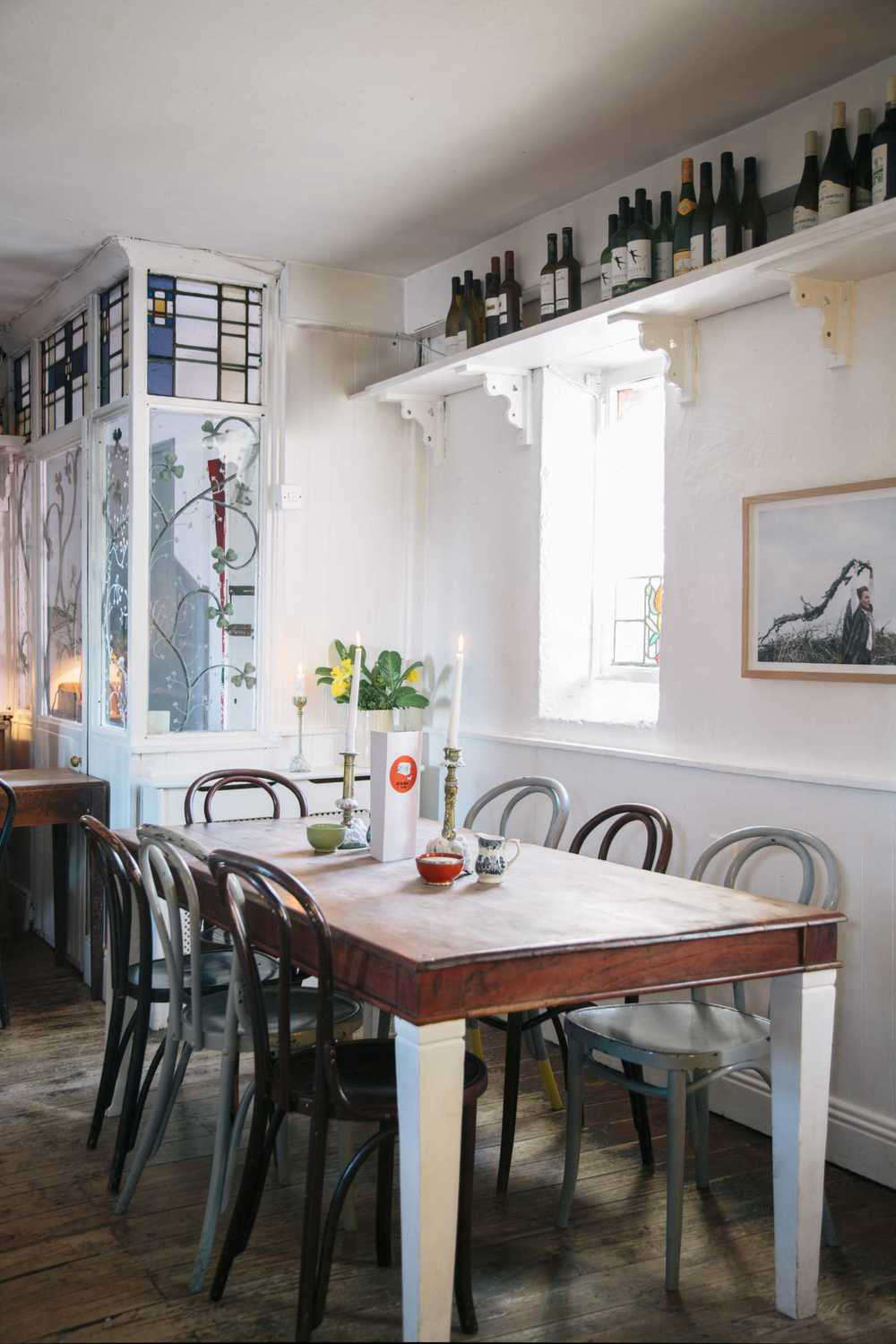
If you’ve ever sat in a charming café and thought, “Wow, this chair is somehow both delicate and indestructible,”
there’s a very good chance you were flirting with a Thonet No. 14 Vienna chair. Known as the
iconic café chair (or “bistro chair”), the No. 14 isn’t just furnitureit’s basically the original
“design went viral” story, long before the internet had opinions.
This chair helped rewrite how furniture was made, shipped, and sold. It turned wood into curves with steam,
turned craftsmanship into repeatable production, and turned cafés into the cozy, people-watching theaters we still
love today. And somehowdespite decades of knockoffsit still looks fresh in a modern kitchen, a minimalist dining
room, or an “I swear I’m not a vintage hoarder” apartment.
What Is the Thonet No. 14, Exactly?
The Thonet No. 14 is a classic bentwood chair associated with Vienna’s
coffeehouse culture and the rise of industrial-age design. Designed by Michael Thonet and produced
by his company, it became one of the most widely distributed chair models in furniture historybecause it nailed a
rare combo: beautiful, light, strong, affordable, and easy to ship.
Museums and design historians treat it like an icon, but the No. 14 earned its reputation the hard way:
by supporting millions of elbows, espresso breaks, newspapers, flirtations, arguments about politics, and
dramatic sighs over dessert menus.
Why the No. 14 Became a Design Legend
1) It’s the Chair That Industrialized “Good Taste”
Before the No. 14, lots of furniture was either heavy, ornate, expensiveor all three (a trifecta no one asked for).
The No. 14 helped prove that a chair could be simple without being boring, and mass-produced
without feeling cheap. Its curves weren’t decorative fluff; they were structural and efficient.
2) It Made Flat-Pack Feel… Normal
Here’s the sneaky genius: the No. 14 was designed so it could be shipped as parts and assembled at the destination.
That meant lower shipping costs, easier distribution, and faster scaling. If you’ve ever assembled furniture using an
Allen key while questioning every life choice that led you there, the No. 14 is an early ancestor of that moment
only significantly more charming.
3) It Became the “Default Chair” of Café Life
Vienna’s coffeehouses weren’t just places to drink coffee; they were social hubs. The No. 14’s light weight made it
easy to move around, its compact footprint worked at small tables, and its comfort-to-cost ratio made it a
no-brainer for restaurants and cafés. It helped shape the visual language of public leisure: relaxed, civilized,
and ready for lingering.
The Bentwood Breakthrough: How Steam Made Style Possible
The No. 14 is closely tied to steam-bent beechwood. Beech bends well when heated with steam,
then holds its curve once dried and set. This wasn’t just a cool party trickit was a manufacturing revolution.
Instead of carving thick wood into shape (wasteful and slow), Thonet’s approach bent solid wood into elegant
structural arcs. Less material, less weight, more repeatability.
The result was a chair with that signature Thonet silhouette: rounded back, slim legs, and a seat that looks like it
belongs in both a 19th-century coffeehouse and a 2026 Pinterest board titled “Warm Minimalism With a Side of Croissant.”
Design Anatomy: What Makes a No. 14 a No. 14?
The classic “No. 14” form is famous for being deceptively simple. At a glance, it’s just a chair.
But under that calm exterior is a whole strategy: fewer parts, stronger curves, easy assembly, and repair-friendly
construction.
The Famous Parts Count
The original concept is often described as consisting of six main wooden components joined with
a small number of fasteners. That “minimum viable chair” mindset is a big reason it scaled globally.
Materials That Matter
- Beechwood frame: chosen for its bending properties and strength.
- Cane seat (common version): breathable, visually light, and surprisingly practical in cafés.
- Finish options: from natural beech to dark stains and painted versions, depending on era and maker.
Institutions like the Museum of Modern Art have collected No. 14 examples in beechwood and cane,
underscoring that this wasn’t “just café furniture”it’s a key artifact in design history.
The Business Genius: Shipping, Distribution, and Scaling Up
The No. 14 didn’t conquer the world by being loud. It conquered the world by being logistically brilliant.
When chairs ship efficiently, they sell efficiently. When they sell efficiently, they show up everywhereand once
they show up everywhere, they become the mental image of what a “café chair” looks like.
One often-cited detail captures the idea: large numbers of disassembled chairs could fit into a compact shipping crate,
then be assembled on site. That approach helped Thonet reach markets far beyond Central Europe and made the No. 14
feel almost inevitable in restaurants and public spaces.
How to Identify a Thonet No. 14 (And Avoid “Vintage-ish” Regret)
Let’s be honest: the No. 14 has been copied so much it probably has more “cousins” than a family reunion.
Some reproductions are excellent. Some are… chairs in the same way instant noodles are “Italian cuisine.”
If you’re shopping for oneespecially vintageuse a few practical checks.
1) Look for Maker Marks and Labels
Authentic Thonet chairs (and reputable later makers) may have stamps, paper labels, branded marks, or model references.
Placement varies by era: under the seat, on the frame, or on structural elements. Missing marks don’t automatically mean
“fake,” but clear markings can help confirm origin.
2) Check the Joinery and Hardware Quality
A good No. 14 feels tight and balanced. Wobbles can happen with age, but the overall geometry should feel intentional.
Sloppy screws, misaligned holes, or oddly thick clunky parts can be signs of cheaper reproductions.
3) Inspect the Bentwood Curves
Thonet-style bentwood should look smooth and continuouscurves that feel “drawn” rather than forced. Cracks, splintering,
or inconsistent arcs may indicate poor bending or later damage.
4) Know the Modern Naming Confusion
Today, you may see related models referenced by different numbers (including updated product codes by manufacturers).
Many brands sell “Vienna chairs” inspired by the No. 14 look. If the goal is the vibe (not strict provenance), a high-quality
reproduction can still be a winjust pay reproduction prices, not museum-piece prices.
How the No. 14 Works in Modern Interiors
The No. 14 is a rare design classic that doesn’t demand a themed room to look right. It’s visually light, has negative space,
and pairs well with both modern and traditional materials. Here are a few specific ways it shines today:
In a Small Dining Area
If you’re working with a tight footprint, the No. 14’s slim profile helps a room feel less crowded. Pair it with a round table
and suddenly your breakfast nook feels like a European caféwithout requiring a passport or a dramatic scarf.
In a Mixed-Chair Set (On Purpose)
Want a “collected” look without actually collecting chaos? Use No. 14 chairs on the sides and a different chair at the head
of the table. The No. 14 is neutral enough to anchor the set while still bringing personality.
In a Home Office or Reading Corner
A bentwood chair adds warmth to minimalist spaces. If you’re styling a desk area, it reads as intentional and classiclike you
own fountain pens, even if you mostly own charging cables.
Care, Maintenance, and Restoration Tips
Whether you own a vintage No. 14, a newer production, or a well-made reproduction, the same basic care principles apply.
Bentwood is strong, but it’s still woodso treat it like wood, not like a gym machine.
Everyday Care
- Dust regularly: soft cloth, no harsh abrasives.
- Avoid soaking: wipe spills promptly; don’t let water sit on joints.
- Mind the sunlight: prolonged direct sun can fade finishes and dry wood.
Fixing the Classic Wobble
Many older chairs loosen over time. A careful tightening of hardware can help, but don’t over-torque screws and strip the wood.
If joints are loose or cracked, a furniture restorer who understands bentwood can often stabilize it without ruining the chair’s
character.
Cane Seat Notes
Cane seats are breathable and iconic, but they can sag or break with age. The good news: cane can be replaced, and a properly
re-caned seat brings the chair back to life. Keep cane away from extreme dryness; modest humidity helps prevent brittleness.
Why the Thonet No. 14 Still Matters
It’s tempting to say the No. 14 is “timeless,” but that’s almost too vague. The real reason it lasts is more specific:
the design is honest. The structure is visible. The curves do work. The chair doesn’t rely on decoration to
look refined. And it sits at a rare intersection of values that still matter today:
- Efficient materials: less waste than chunky carved furniture.
- Repairability: parts and seats can often be restored rather than trashed.
- Adaptability: it fits homes, cafés, studios, galleries, and just about any aesthetic mood.
In other words, the No. 14 isn’t popular because it’s old. It’s old because it’s popular.
Conclusion: The Chair That Bent Furniture History
The Thonet No. 14 Vienna chair earned its place in design history the way the best icons do:
by being useful, beautiful, and widely lovednot by being precious. It helped define the café experience, introduced
scalable manufacturing ideas that feel surprisingly modern, and proved that simplicity can have serious staying power.
Whether you’re hunting for an authentic vintage piece, choosing a quality reproduction for daily life, or just trying to
understand why this chair shows up in every “design classics” list, the No. 14 offers a lesson: innovation doesn’t always
shout. Sometimes it just quietly supports you while you sip coffee and judge strangers’ pastry choices.
Experiences With the Thonet No. 14 Vienna Chair (Extended)
Ask people why they love the No. 14 and you’ll hear a theme: it “disappears” in the best way. Not because it’s boring, but
because it simply workslike a great white T-shirt, a perfectly sharp pencil, or that one song you never skip. Here are a few
real-world experience patterns that come up again and again with No. 14 owners and everyday users.
A Café Owner’s Perspective: The Chair That Pays Rent
In cafés and restaurants, chairs are basically employees. They show up every day, handle constant use, andunlike human staff
never call in sick. The No. 14 has long been favored in hospitality settings because it’s light enough for quick table resets
but stable enough to feel secure. Owners often appreciate that the chair doesn’t dominate the room visually. You can change the
vibe with lighting, table tops, or wall color and the chairs still make sense. That flexibility matters when a café refresh is
needed but a full renovation budget is not.
Another common experience: the No. 14 is friendly to floor plans. Its footprint is compact, so you can fit more seating without
making people feel like they’re dining inside a suitcase. And when customers drag chairs around to form impromptu “we’re totally
not eavesdropping” clusters, the chair is easy to move without sounding like a dinosaur marching across the tiles.
The Small-Apartment Reality: Airy, Not Cluttery
In apartments where every square foot has opinions, the No. 14 can be a lifesaver. People often describe the chair as “visually
light”and that’s not design-speak fluff. The open back and slim frame let the eye travel through the space, which can make a small
dining area feel less cramped. Pair it with a round table and suddenly the corner feels intentional rather than accidental.
Practical bonus: bentwood chairs are easier to slide in and out than bulkier upholstered options. That might sound small until you’re
doing the daily shuffle around a table that’s positioned exactly two inches from where it should be. Many owners also like how
the No. 14 ages. Small scuffs don’t always read as damage; they read as character. It’s the chair version of a leather jacket that looks
better after it’s lived a little.
The Vintage Hunter’s Story: Labels, Luck, and the “Wobble Test”
If you’ve ever gone thrift-store chair shopping, you know the emotional roller coaster: excitement, suspicion, bargaining, then a
quiet moment of “where will I put this?” No. 14-style chairs show up often enough to be tempting, but not so often that the good ones
sit around waiting for you. Experienced hunters typically do a fast routine: flip the chair (politely), look for markings, check the
curve integrity, and then do the gentle wobble test on a flat surface.
The most common learning moment? Not all “Vienna chairs” are equal. Some are fantastic. Some are bargain versions that look right until
you sit down and the chair politely negotiates a new shape. People who love the No. 14 usually end up prioritizing build quality over the
romance of a too-good-to-be-true deal. When they find a solid examplevintage or modernthe chair tends to become a keeper, not a flip.
Living With Cane: Surprisingly Forgiving (If You Treat It Like a Material, Not a Myth)
Cane seats have a reputation for being delicate, but many everyday users find them comfortable and practical. They don’t trap heat the way
some upholstery does, and they suit dining areas because crumbs don’t embed into fabric. The biggest “experience tip” people share is simple:
keep cane away from extreme dryness and don’t treat it like it’s waterproof. With basic care, cane holds up welland if it fails, it’s often
repairable. That repairability is part of why the No. 14 feels less disposable than many modern chairs.
The Unexpected Joy: It Makes Ordinary Moments Feel Designed
The No. 14 has a funny effect: it makes normal routines feel slightly more intentional. Sitting down to answer emails feels a bit less like
“life admin” and a bit more like “I am a person with a tidy mind and tasteful preferences.” Even if your desk is a mess. Even if your coffee
is instant. The chair doesn’t fix your schedule, but it does give your space a quiet sense of order.
And that may be the most enduring experience of all: the No. 14 doesn’t demand attention, but it rewards attention. The more you notice the
curves, the proportions, and the honest structure, the more you understand why this chair has survived trends, technologies, and a truly
impressive number of spilled drinks.