

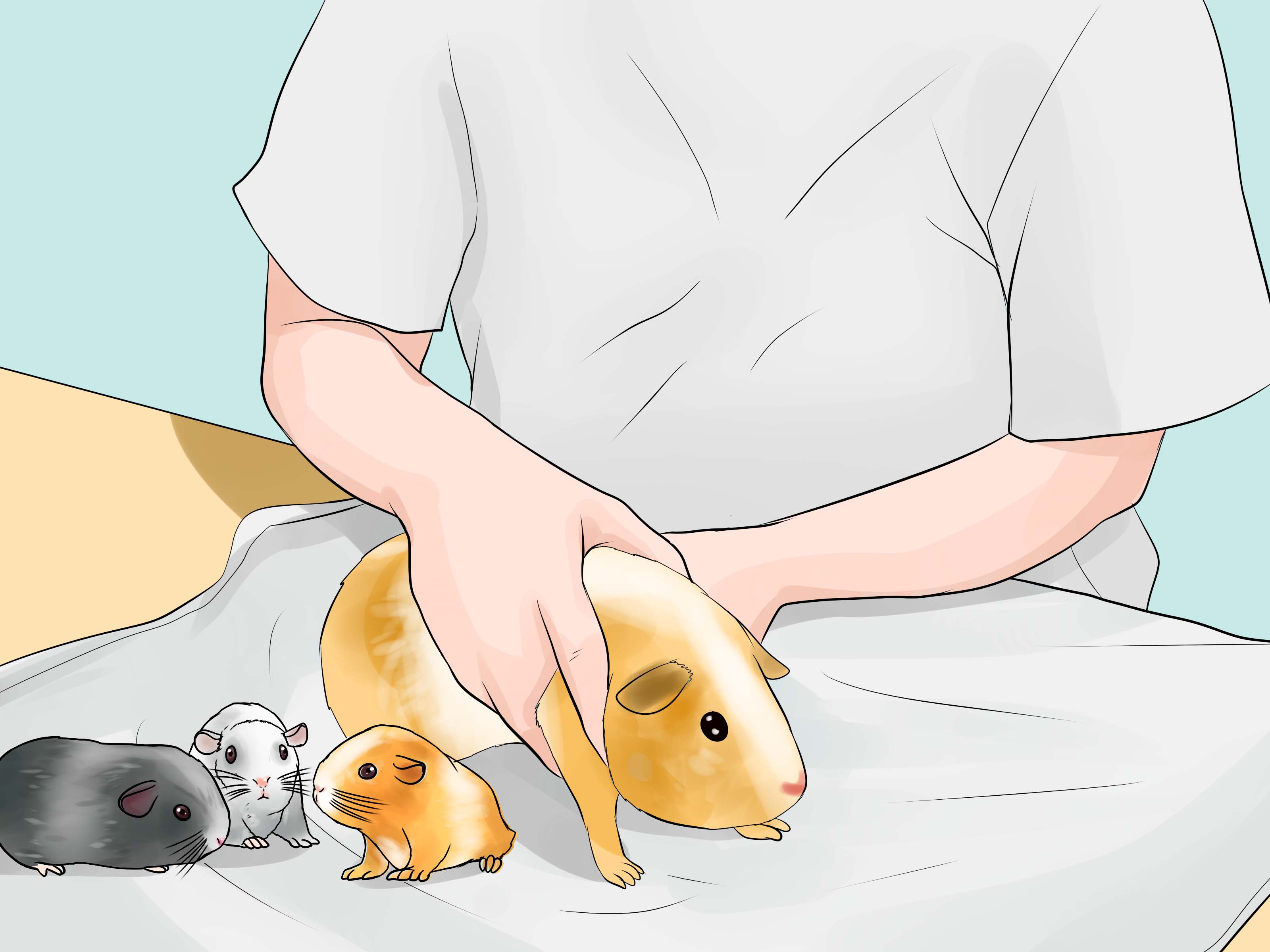
Breeding standard guinea pigs sounds simple at first: put one fluffy potato next to another fluffy potato and wait for smaller fluffy potatoes. In real life, responsible cavy breeding is much more serious. Guinea pigs are delicate animals with specific nutrition needs, real pregnancy risks, and a surprisingly strict “do not wing it” policy written by nature itself.
This guide explains how to breed standard guinea pigs responsibly, with a strong focus on health, genetics, housing, diet, show-quality selection, pregnancy care, and ethical decision-making. It is written for people who want to understand the process before making a commitmentnot for impulse breeding, surprise litters, or “my guinea pig looks lonely, let’s add babies” experiments.
Before breeding any guinea pig, speak with an experienced exotic-animal veterinarian. Guinea pig pregnancy can be risky, especially for older first-time females, overweight sows, poorly nourished animals, or pairs with unknown genetics. The goal is not simply to produce pups. The goal is to produce healthy, well-socialized guinea pigs while protecting the sow, improving the line, and ensuring every baby has a safe, permanent home.
What Does “Standard Guinea Pig” Mean?
In the breeding world, a “standard guinea pig” usually refers to a cavy bred toward a recognized breed standard. In the United States, show breeders often refer to standards published through cavy and rabbit breeding associations. These standards describe ideal body type, coat quality, color, markings, condition, and overall presentation.
For beginners, the most familiar standard guinea pig is the American guinea pig, sometimes called the short-haired guinea pig. It has a smooth, short coat, a rounded body, bright eyes, and a compact, balanced appearance. Other recognized varieties include breeds with longer hair, rosettes, satin coats, crests, and specific color patterns. However, breeding for standard quality is not the same as breeding “cute pets.” Cute is nice. Healthy, well-structured, genetically sound, and temperamentally stable is better.
Responsible Breeding Starts Before the Pairing
The most important breeding decision happens before any guinea pigs meet. Ask yourself: Why am I breeding? If the answer is “because baby guinea pigs are adorable,” pause. Baby guinea pigs are adorable. They are also expensive, fragile, fast-growing, and capable of creating even more babies before many owners realize what has happened.
Responsible breeding should have a clear purpose. You may be preserving a healthy line, improving a recognized breed, producing show-quality cavies, or working under the guidance of an experienced breeder. You should already have homes lined up, separate housing ready, emergency veterinary funds available, and a plan for pups that cannot be sold or placed.
Good breeders also understand that not every guinea pig should be bred. A pet can be wonderful and still not be breeding quality. Guinea pigs with dental disease, chronic respiratory issues, poor body condition, aggressive temperament, unknown background, suspected genetic defects, or previous difficult births should not be used for breeding.
Choose Healthy Breeding Stock
Start with a healthy boar and sow from known lines. Both should be active, alert, bright-eyed, and free from signs of illness. A healthy guinea pig should breathe quietly, move comfortably, eat enthusiastically, and have a clean coat, clean nose, and normal droppings. Avoid breeding animals with recurring infections, unexplained weight loss, mites, fungal skin problems, dental trouble, or poor appetite.
What to Look for in the Sow
The sow carries the greatest physical risk, so she deserves the strictest screening. She should be mature enough to handle pregnancy but not an older first-time mother. Many veterinary resources warn that first pregnancies in older sows can be more dangerous because of pelvic changes that may make delivery difficult. A breeding sow should be in excellent condition: not underweight, not obese, and not recovering from illness.
She should also have a calm temperament. A nervous sow that panics during handling may experience more stress during pregnancy and nursing. Stress is not just inconvenient; it can affect appetite, weight, and overall health.
What to Look for in the Boar
The boar should be healthy, fertile, and well-mannered. He should have good body type, correct coat qualities for the standard being bred, strong appetite, and no history of serious health problems. If you are breeding for show standards, choose a boar that complements the sow’s weaknesses rather than doubling them. Two guinea pigs with the same fault may produce a whole litter of tiny copycats with the same problem.
Understand Guinea Pig Reproduction
Guinea pigs mature early. Females can become capable of pregnancy at a very young age, and males can become fertile quickly as well. This is why accurate sexing and early separation are essential. A mixed-sex group can become a population explosion wearing whiskers.
The guinea pig pregnancy period is long for a rodent, typically around two months, often described as roughly 59 to 72 days. Pups are born unusually developed: fully furred, eyes open, teeth present, and ready to nibble solid food soon after birth. That sounds convenient, but it is one reason pregnancy is demanding for the sow. The babies are large compared with the mother’s body.
A sow can also become pregnant again very soon after giving birth. For this reason, the boar must be removed before delivery. Leaving him with the sow can result in an immediate back-to-back pregnancy, which is hard on her body and poor breeding practice.
Know the Risks Before You Breed
Guinea pig breeding is not risk-free. Difficult birth, pregnancy toxemia, calcium-related problems, stillbirth, weak pups, and emergency surgery are all possible. Some complications develop quickly and require urgent veterinary attention.
Pregnancy toxemia is one of the most feared problems. It is more likely in overweight sows, stressed sows, underfed sows, or animals that stop eating. Warning signs may include poor appetite, weakness, depression, labored breathing, or sudden decline. Because guinea pigs are prey animals, they often hide illness until they are seriously unwell.
Dystocia, or difficult birth, is another major concern. If a sow strains without producing pups, seems exhausted, has unusual discharge, or goes beyond the expected pregnancy range, veterinary care is urgent. Responsible breeding means having an exotic vet identified before breeding, not searching “guinea pig emergency help” while pacing the room at midnight.
Prepare the Breeding Environment
A breeding setup should be calm, clean, spacious, and safe. Guinea pigs need excellent ventilation, soft bedding, constant hay, fresh water, and protection from drafts, heat, and stress. Avoid wire flooring because it can injure feet. Use absorbent bedding that stays dry and does not create dust.
Guinea pigs are social animals, but breeding pairs and pregnant sows need careful management. The sow should not be housed with aggressive animals. She should have hiding spaces, easy access to food and water, and enough room to move comfortably. Near the end of pregnancy, reduce unnecessary handling. She is not a football, a science project, or a guest star in a daily photoshoot.
Feed for Health, Not for “Big Babies”
Nutrition is one of the biggest parts of successful guinea pig breeding. Guinea pigs need unlimited grass hay, fresh water, quality guinea pig pellets, and daily vitamin C from appropriate foods or supplements. Unlike many animals, guinea pigs cannot make their own vitamin C, so deficiency can lead to serious health problems.
For ordinary adult guinea pigs, timothy hay or another grass hay is the daily foundation. Pregnant and nursing sows may need adjusted nutrition, and many care guides recommend access to richer foods such as alfalfa hay during pregnancy or nursing because of increased calcium and protein needs. However, overfeeding is dangerous. Obesity increases pregnancy risk, so the goal is balanced nutritionnot turning the sow into a furry loaf of bread.
Useful Foods During Breeding and Pregnancy
Good options often include fresh leafy greens, bell pepper, small amounts of appropriate vegetables, high-quality pellets formulated for guinea pigs, and constant hay. Introduce foods gradually to avoid digestive upset. Avoid sugary treats, sudden diet changes, iceberg lettuce, and foods known to be unsafe for guinea pigs.
Fresh water must always be available. Check bottles daily because guinea pigs can empty them, clog them, or develop strong opinions about nozzle performance.
Pairing the Boar and Sow
Only introduce a compatible, healthy boar and sow when you are fully prepared for pregnancy. The introduction should happen in a clean, neutral, supervised space. Watch for excessive aggression. Normal courtship may include rumbling, chasing, sniffing, and mounting. Serious fighting, biting, or injury means the pairing is not safe.
Some breeders leave the pair together for a short planned period, while others manage introductions according to the sow’s cycle. The key is documentation. Record dates, behavior, weight, and any signs of mating. Good breeders are record keepers. Bad breeders rely on vibes and then act shocked when the cage contains popcorn-shaped babies.
Confirming and Monitoring Pregnancy
Do not squeeze a sow’s abdomen to check for babies. Rough handling can hurt the sow or pups. Instead, track weight weekly with a kitchen scale and consult an exotic vet if pregnancy is suspected. A gradual weight increase, widening body shape, and later visible movement may suggest pregnancy, but veterinary confirmation is best.
During pregnancy, keep the environment consistent. Avoid major cage changes, new companions, loud disturbances, and unnecessary transport. Continue monitoring appetite, water intake, droppings, and behavior. If the sow stops eating, seems weak, develops discharge, struggles to move, or acts unusually quiet, contact a veterinarian immediately.
Preparing for Birth
As the due date approaches, the sow should be housed safely without the boar. Provide clean bedding, easy access to hay and water, and a calm space. Most guinea pig births are quick, and pups may arrive close together. The mother usually cleans them and begins nursing.
Do not interfere unless there is a clear problem. Human panic can make things worse. However, be ready to call a vet if labor appears prolonged, the sow strains without progress, a pup seems stuck, there is heavy bleeding, the sow becomes weak, or she ignores pups completely.
Caring for Newborn Guinea Pig Pups
Newborn guinea pigs are astonishingly capable. They are born with fur, open eyes, and the ability to walk. Within hours, they may nibble hay and pellets, although they still need their mother’s milk. Check that each pup is breathing, warm, and able to reach the sow.
Weigh pups daily at first. A small digital scale is one of the best tools a breeder can own. Healthy pups should gradually gain weight. A pup that loses weight, seems cold, cannot nurse, or sits apart from the group needs immediate attention.
Handle newborns gently and briefly. The goal is to monitor health, not host a cuddle marathon. Keep the cage clean but do not over-clean to the point of stressing the mother. Fresh hay, fresh water, and proper nutrition for the sow are essential during nursing.
Separating Male Pups
Sexing pups correctly is critical. Male pups must be separated from female relatives before they become capable of breeding. Many owners accidentally create second-generation litters because they waited too long or guessed wrong. Have an experienced breeder or exotic vet confirm the sex of each pup if you are unsure.
Plan separate housing before the litter is born. Never wait until the last minute. “I’ll figure it out later” is how one cage becomes three cages, then seven cages, then a spreadsheet named Guinea Pig Chaos.
Breeding for Standard Quality
If your goal is to breed standard guinea pigs for show or improvement, learn the written standard for your breed. Evaluate head shape, body type, coat, color, markings, condition, and temperament. A show-quality guinea pig should be healthy first and attractive second. No ribbon is worth poor welfare.
Keep detailed records of parentage, birth dates, litter size, colors, coat traits, health issues, weights, and placement homes. Over time, records help you understand which pairings produce strong animals and which should not be repeated.
Avoid Breeding Too Often
Responsible breeders limit litters. Sows need recovery time, and repeated pregnancy can weaken them. Retire breeding animals early and give them excellent pet homes. A sow is not a production machine. She is a living animal whose value does not end when her breeding career does.
Common Beginner Mistakes
One common mistake is breeding guinea pigs from pet stores with unknown genetics. Another is breeding an older first-time sow. A third is failing to separate males soon enough. Beginners also underestimate veterinary costs, overfeed pregnant sows, or assume “natural birth” means “no risk.”
The biggest mistake is breeding without homes ready. Guinea pigs can live for years and need daily care, proper diet, companionship, and space. Every pup deserves a responsible owner who understands guinea pig care, not someone who says, “Sure, I’ll take one,” then feeds it cereal in a shoebox.
Ethical Placement of Pups
Before placing pups, screen homes carefully. New owners should understand housing, diet, vitamin C needs, social care, nail trimming, veterinary costs, and the importance of same-sex companionship. Provide written care instructions and be willing to take back animals if a placement fails.
A responsible breeder never dumps unwanted guinea pigs, sells sick animals, or places mixed-sex pairs with inexperienced owners. Clear communication prevents accidental litters and protects the animals you brought into the world.
When Not to Breed Guinea Pigs
Do not breed if you cannot afford emergency veterinary care. Do not breed if the sow is older, unhealthy, overweight, underweight, or genetically unknown. Do not breed if you lack separate cages. Do not breed if local rescues are overwhelmed and you have no placement plan. And do not breed because children want to “see the miracle of birth.” There are safer miracles, such as growing basil on a windowsill or successfully folding a fitted sheet.
In many cases, the best choice is not to breed at all. Adopting from a rescue, supporting ethical breeders, or learning show standards without producing litters can be more responsible. Knowledge is valuable even when it leads you to say, “Actually, I’ll just enjoy my two spoiled guinea pigs.”
Experience-Based Notes: Practical Lessons From Responsible Guinea Pig Breeding
One of the biggest lessons in breeding standard guinea pigs is that preparation matters more than enthusiasm. People often imagine the exciting parts: choosing a beautiful pair, seeing pups for the first time, and watching tiny guinea pigs zoom around like wind-up toys. The less glamorous parts are more important: cleaning cages twice as often, weighing animals every day, checking water bottles, tracking dates, calling vets, and saying no to pairings that look tempting but are not wise.
A good breeding notebook becomes your best friend. Record the sow’s starting weight, pairing date, expected delivery window, weekly weight changes, appetite notes, and behavior. After birth, record each pup’s weight, sex, markings, personality, and growth. These notes help you notice problems early. For example, if one pup gains steadily while another stays the same weight for two days, you know to act quickly rather than assuming everything is fine.
Another practical lesson is that housing disappears faster than expected. You may think one extra cage is enough. Then you need a maternity area, a boar cage, a weaned male pup cage, a female pup cage, and maybe a separate space for a youngster that needs monitoring. Responsible breeders plan for the “what if” situation. What if a buyer changes their mind? What if a pup needs extra time? What if two boars do not get along? The answer should never be overcrowding.
Feeding also teaches humility. Pregnant and nursing sows need excellent nutrition, but more food is not always better. A sow that becomes overweight is at higher risk. The practical approach is steady, balanced feeding with unlimited hay, measured pellets, vitamin C-rich vegetables, and careful observation. If appetite changes, that is not a small detail. In guinea pigs, appetite is a health report written in lettuce.
Handling is another area where beginners often overdo it. Pregnant sows should be treated gently, especially late in pregnancy. Pups should be checked and weighed, but they do not need constant handling in the first days. Calm routines work better than excitement. Wash hands, move slowly, support the body, and keep sessions short.
Finally, experienced breeders learn that the best breeding decision is sometimes not breeding. Retiring a sow, keeping a pup instead of selling it, canceling a pairing, or choosing adoption over another litter may not sound dramatic, but those choices protect animals. The best standard guinea pig breeder is not the person with the most litters. It is the person whose guinea pigs are healthy, well-housed, carefully matched, and loved long after the cute baby stage is over.
Conclusion
Breeding standard guinea pigs requires knowledge, patience, money, space, and a serious commitment to animal welfare. It is not a casual hobby to begin on impulse. The safest path starts with veterinary guidance, healthy breeding stock, strong records, proper nutrition, careful housing, and a clear purpose rooted in improving or preserving qualitynot simply producing more pets.
If you are ready to breed, do it slowly and responsibly. If you are not ready, there is no shame in waiting, learning, volunteering with rescues, or enjoying guinea pigs as companions. A well-cared-for guinea pig does not need to become a parent to live a full and happy life. Sometimes the most responsible breeding plan is the one that begins with education and ends with a clean cage, a fresh pile of hay, and two content cavies wheeking for dinner.