

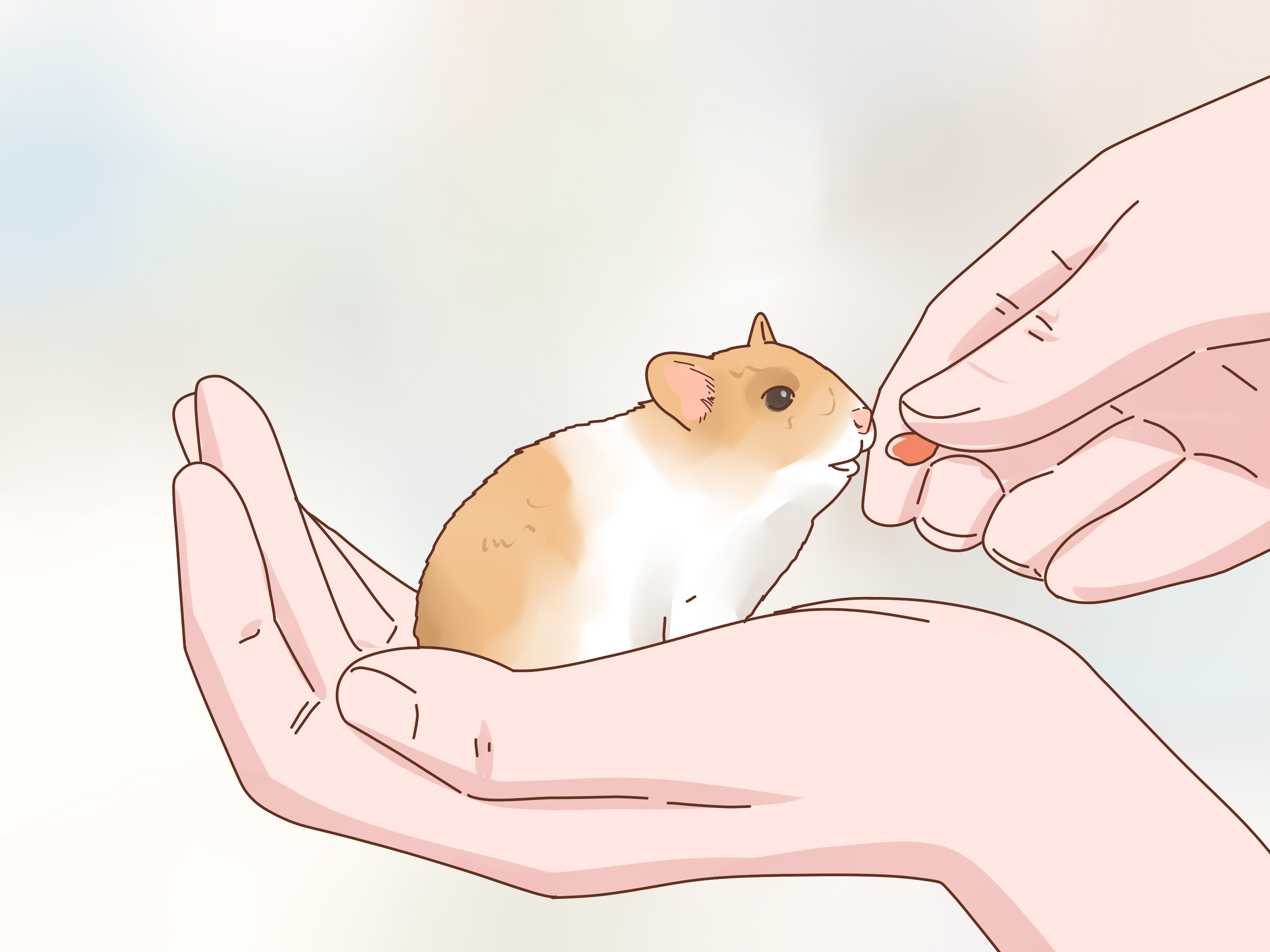
Finding baby hamsters in a nest can feel like discovering a secret popcorn shipment with whiskers. They are tiny, pink, squeaky, and unbelievably fragile. The big surprise? The best way to care for hamster babies is often to do less, not more. Newborn hamster pups need warmth, milk, quiet, and a calm mother far more than they need human cuddles, cage makeovers, or dramatic rescue missions.
This complete guide explains how to care for hamster babies from birth to weaning, including what to feed the mother, when to clean the cage, when babies can eat solid food, how to prevent stress, and when to call an exotic veterinarian. Whether your “male” hamster suddenly became a mother overnight or you are preparing for a planned litter, the goal is the same: keep the family safe, quiet, well-fed, and undisturbed while the pups grow from jelly-bean-sized newborns into miniature hamsters with opinions.
Understanding Baby Hamster Development
Hamster babies are called pups. At birth, they are hairless, blind, deaf, and completely dependent on their mother. Their eyes and ears are closed, but they are not helpless in every way. They are born with front incisors, which is one reason they begin exploring food surprisingly early.
Most litters contain around six to eight pups, though litter size varies by species, age, genetics, and the mother’s condition. Syrian hamsters often have larger litters than dwarf hamsters. Gestation is short, usually about 15 to 18 days for Syrian hamsters and about 18 to 25 days for dwarf hamsters. Translation: hamster pregnancy moves faster than a browser tab you meant to close.
Typical Baby Hamster Timeline
- Birth to day 7: Pups are pink, hairless, blind, and fully dependent on nursing.
- Days 7 to 10: Fur begins to appear, and pups may start wiggling more confidently.
- Around day 10: Softened solid food can be placed within reach, but mother’s milk remains essential.
- Days 14 to 18: Eyes begin opening, ears lift, and pups explore the nest area more actively.
- Weeks 3 to 4: Pups look like tiny adult hamsters and begin weaning.
- Around week 4: Baby hamsters should be separated from the mother and sorted by sex to prevent fighting and accidental breeding.
The First Rule: Do Not Disturb the Nest
The most important rule in newborn hamster care is simple: leave the mother and babies alone as much as possible during the first week. Avoid touching the pups, moving the nest, rearranging bedding, or introducing new scents. A stressed mother hamster may abandon, injure, or cannibalize her pups. That sounds scary, but it is often a stress response, not “bad parenting.” In the hamster world, survival instincts run the show.
Give the cage privacy. Keep it away from loud televisions, barking dogs, curious cats, excited children, direct sunlight, drafts, and heavy foot traffic. A quiet room is best. If the mother feels safe, she is more likely to nurse properly and retrieve pups that wander from the nest.
What You Should Do During the First Week
- Refill food and water quietly.
- Keep movements slow and calm near the cage.
- Do not touch the babies unless there is an emergency.
- Do not fully clean the cage.
- Spot clean only very wet areas, and only if absolutely necessary.
If a pup is outside the nest, wait first. Mother hamsters often retrieve wandering babies themselves. If a pup is truly in danger, use a clean spoon rubbed lightly in existing bedding to move the baby back. The goal is to avoid transferring strong human scent.
Prepare a Safe Habitat for the Mother and Pups
A safe hamster baby habitat should be warm, quiet, escape-proof, and easy for the mother to manage. If you know a hamster is pregnant, clean the enclosure before she gives birth. After birth, avoid deep cleaning until the pups are older and the family is stable.
Use safe bedding such as unscented paper-based bedding or clean, soft aspen shavings. Avoid cedar and pine shavings, which can irritate the respiratory tract. Avoid fluffy cotton nesting material, fabric scraps, stringy fibers, newspaper ink, and anything that can wrap around tiny limbs or be swallowed. Baby hamsters are small enough to turn bad bedding into a tiny emergency very quickly.
Make Food and Water Easy to Reach
Place food and water low enough for the mother and, later, the pups to access. A heavy ceramic food dish is useful because it is harder to tip over. Use a water bottle that works reliably and check the spout daily for clogs or leaks. Once pups start exploring, make sure they cannot fall into deep bowls. A shallow dish of softened food can help babies transition, but it should be removed before it spoils.
What to Feed a Nursing Mother Hamster
Baby hamster care begins with caring for the mother. A nursing hamster needs steady access to a high-quality hamster pellet or lab block, clean water, and extra nutrition. Pregnancy and nursing are demanding, and the mother is feeding an entire tiny football team with milk.
Good protein boosters include small amounts of hard-boiled egg, plain cooked chicken, mealworms, or other veterinarian-approved protein treats. Offer tiny portions, remove leftovers promptly, and avoid seasoning, salt, oil, garlic, onion, chocolate, caffeine, alcohol, and sugary snacks. Fresh vegetables such as broccoli, carrot, spinach, squash, peas, or cucumber can be offered in small amounts, but wash produce well and introduce it carefully to avoid digestive upset.
Feeding Tips for the First Two Weeks
- Keep the mother’s regular food available at all times.
- Offer extra protein in small portions.
- Change water daily.
- Place food near the nest, but do not bury or disturb the nest.
- Remove fresh foods before they spoil.
Do not try to hand-feed newborn pups unless an exotic veterinarian gives specific instructions. Hand-raising hamster babies is extremely difficult because pups are tiny, fragile, and vulnerable to aspiration, chilling, and digestive problems. In most cases, the mother is the best caregiver.
When Can Baby Hamsters Eat Solid Food?
Baby hamsters begin nibbling before they are fully weaned. Around 10 days old, you can place softened solid food within easy reach. A small amount of pelleted hamster food moistened with water works well. You can also offer tiny pieces of soft, hamster-safe vegetables. Keep portions small, fresh, and easy to access.
At this stage, pups are still nursing. Solid food is practice, not a replacement for milk. Think of it as hamster kindergarten lunch: messy, experimental, and somehow adorable. By three to four weeks, pups usually eat more solid food and begin looking like miniature adults.
Handling Baby Hamsters: When Is It Safe?
During the first week, avoid handling baby hamsters. Some experienced sources say gentle handling may begin around day seven, but for most pet owners, waiting longer is safer, especially if the mother is nervous or this is her first litter. Around two weeks, when the pups have fur and are more mobile, brief, careful handling may be possible if the mother remains calm.
Before touching pups, wash your hands with unscented soap and rub your fingers lightly in clean bedding so your scent is less dramatic. Handle babies over a soft, low surface because they can wiggle suddenly. Never squeeze, chase, or lift them high in the air. Baby hamsters are fast once they discover their legs, and they have the self-preservation strategy of a runaway bean.
How to Socialize Baby Hamsters Gently
- Start with short sessions of one to two minutes.
- Let the pup walk onto your hand rather than grabbing from above.
- Keep your hand low and cupped.
- Stop if the mother becomes agitated.
- Never wake sleeping pups just to handle them.
Cleaning the Cage Without Causing Stress
Cleanliness matters, but timing matters more. Before birth, a full cage cleaning is helpful. After birth, do not deep clean the cage during the first week unless there is a serious problem. Removing the nest or replacing all bedding can stress the mother and disrupt scent cues that help her recognize the environment.
After the first week, you can gently spot clean wet corners while leaving the nest intact. Once the pups are older, active, and eating solid food, gradually return to normal cleaning routines. Keep some familiar bedding during any cleaning so the cage does not smell like a brand-new hotel lobby to the hamster family.
Weaning and Separating Baby Hamsters
Hamster pups are usually weaned between 21 and 28 days of age. Dwarf hamsters may wean closer to three weeks, while Syrian hamsters may nurse a little longer. By three to four weeks, babies should be eating solid food, drinking water, exploring, grooming, and acting like tiny adults with tiny agendas.
Around four weeks, separate pups from the mother and divide males and females into separate enclosures. This step is important because hamsters mature quickly. Waiting too long can lead to accidental breeding, fighting, stress, and injuries. Syrian hamsters are especially solitary and should eventually live alone. Dwarf hamsters can also fight, so do not assume siblings will remain peaceful forever.
How to Prepare for Separation
- Set up clean, secure enclosures before separation day.
- Use safe bedding, hideouts, food, water, and solid exercise wheels.
- Check sex carefully; ask an exotic vet or experienced breeder if unsure.
- Monitor weight, eating, drinking, and activity after moving pups.
- Separate any hamster that bullies, chases, bites, or blocks another from food.
Warning Signs That Require a Veterinarian
Hamster babies can decline quickly, so watch quietly for problems. Contact an exotic veterinarian if the mother refuses to nurse, seems weak, has discharge, stops eating, breathes with difficulty, or acts unusually aggressive beyond normal protectiveness. Also seek help if pups are cold, wrinkled, injured, not gaining size, scattered repeatedly, or crying constantly.
Do not give human medicine, cow’s milk, kitten formula, or random internet “rescues” without veterinary guidance. Hamsters are small, and small mistakes can become big problems. A qualified exotic vet can advise whether intervention is needed and how to do it safely.
Common Mistakes to Avoid
Many hamster baby problems come from good intentions delivered too enthusiastically. The most common mistake is handling newborn pups too early. The second is cleaning the cage too soon. The third is feeding too many fresh foods or rich treats, which can upset digestion. The fourth is leaving males and females together after weaning. Hamsters do not need a complicated social calendar; they need safety, space, and species-appropriate care.
Do Not Do These Things
- Do not bathe hamster babies in water.
- Do not use scented bedding or air fresheners near the cage.
- Do not introduce other pets to the litter.
- Do not move the nest for photos.
- Do not feed chocolate, candy, salty snacks, caffeine, alcohol, garlic, or onion.
- Do not delay separating sexes around four weeks.
Practical Experience Notes: What Caregivers Usually Learn
People who unexpectedly care for hamster babies usually learn one lesson first: panic is louder than the pups. The babies may squeak, the mother may dash around, and the whole nest may look too delicate to be real. But in many normal litters, the best human job is to become a quiet room-service employee. Bring food. Bring water. Leave. No applause required.
A common experience is the temptation to check the nest every hour. It is understandable. Baby hamsters are fascinating, and new owners want reassurance that all pups are alive and nursing. Still, constant checking can stress the mother. A better routine is to observe from a distance once or twice a day. Look for general signs: the mother returns to the nest, pups are grouped together, the cage is calm, and food and water are being used. You do not need a clipboard, binoculars, and a dramatic documentary voice.
Another experience is realizing how much the mother eats. A nursing hamster may seem unusually hungry, and that is normal. Keep her staple food steady and add small protein portions. Many owners find that hard-boiled egg or plain cooked chicken disappears quickly. Fresh food should be treated like a tiny side dish, not an all-you-can-eat buffet. If leftovers remain, remove them before they spoil.
Owners also discover that bedding choice matters more than decoration. A cute cage can be unsafe if it has gaps, high platforms, fluffy nesting fibers, or bowls deep enough for pups to fall into. During the baby stage, function beats style. Low food access, safe bedding, a quiet nest, and secure walls matter more than colorful tubes and hamster furniture that looks ready for a magazine shoot.
By the second week, the experience changes. The pups begin looking less like pink erasers and more like actual hamsters. They wobble, sniff, and nibble softened food. This is when gentle socialization can begin, but patience still wins. Short handling sessions are better than long ones. If the mother seems upset, pause and try again later.
The final surprise is how quickly separation day arrives. At three to four weeks, the babies may still look small to human eyes, but biologically they are moving fast. Preparing extra enclosures early prevents rushed decisions. Sorting males and females correctly is essential, and when in doubt, ask for expert help. A calm plan at week four prevents a second accidental litter, which is the hamster-care version of a plot twist nobody ordered.
Conclusion
Caring for hamster babies is a balance of preparation, patience, and respectful distance. Give the mother a quiet home, safe bedding, excellent food, clean water, and privacy. Avoid handling newborn pups too soon, keep the nest intact, introduce softened solid food around 10 days, and separate babies by sex around four weeks. Most of all, remember that baby hamster care is not about doing everything; it is about doing the right things at the right time.
If anything looks wrong, contact an exotic veterinarian. Hamster pups are tiny, but responsible care makes a big difference. With calm attention and a little restraint, those fragile newborns can grow into healthy, active young hamsters ready for safe homes of their own.
Note: This guide is for educational pet-care content and does not replace advice from an exotic veterinarian. If a mother hamster or pup appears sick, injured, cold, weak, or abandoned, seek professional veterinary help promptly.