

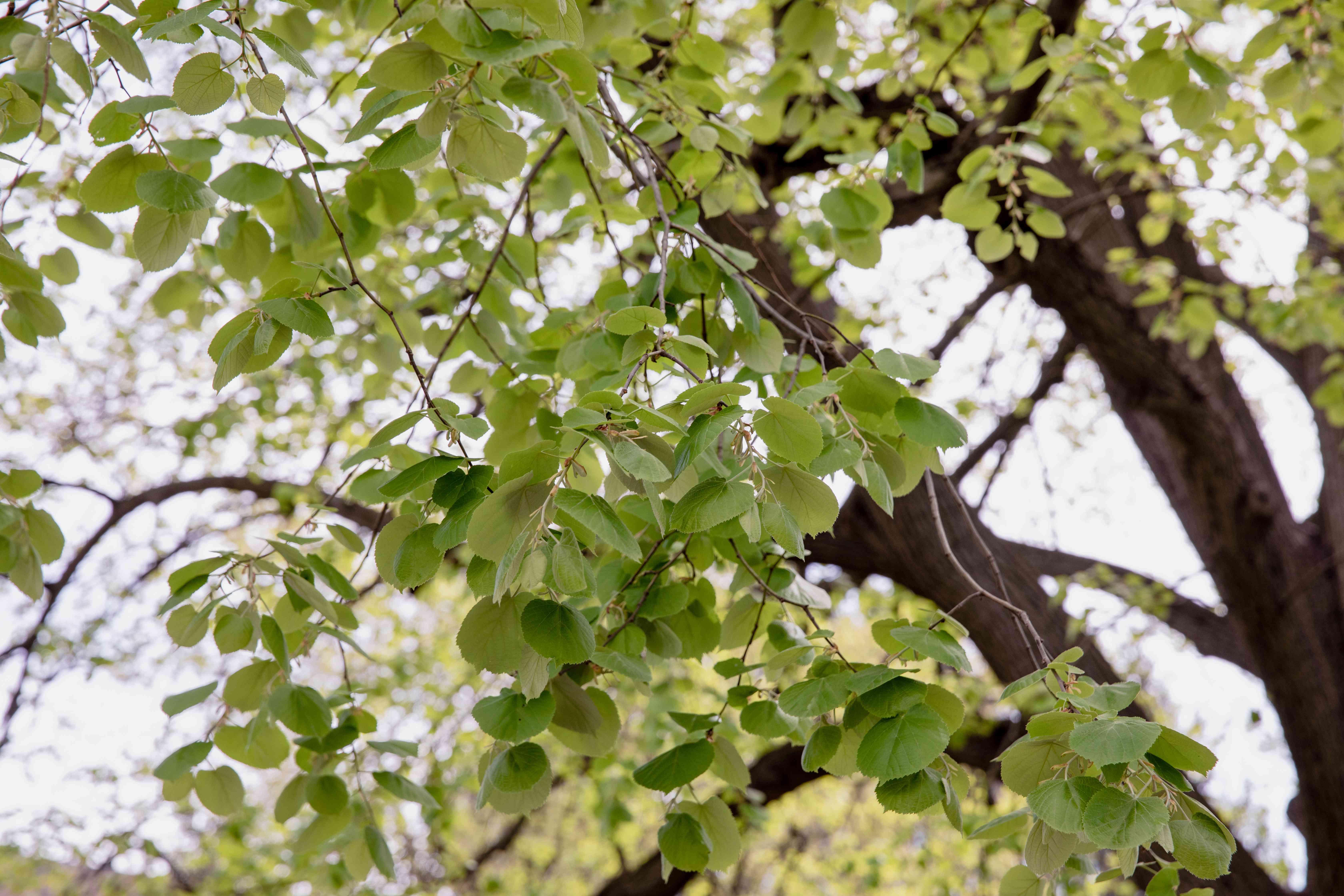
If you want a shade tree that looks refined, smells amazing in bloom, and makes pollinators behave like they just found an all-you-can-eat dessert buffet, linden trees deserve a serious look. Also called basswoods in North America, lindens are known for their heart-shaped leaves, fragrant flowers, and elegant branching. They can be formal enough for a classic front yard, soft enough for a cottage-style landscape, and sturdy enough to handle a city street if you choose the right type.
There is one tiny botanical wrinkle worth mentioning before we dig in: gardeners often lump all lindens together, but a couple of the most popular landscape choices are technically hybrids rather than strict species. That sounds like the sort of fact a plant nerd would bring up at a barbecue, and yes, it is. Still, they are widely sold and widely planted, so they absolutely belong in a practical guide for homeowners.
Below, you will find 10 of the best linden trees for landscapes, along with what makes each one shine, where it fits best, and the small annoyances that may try to crash the party. Spoiler: the most common troublemakers are aphids, Japanese beetles, and homeowners who plant a 70-foot tree like it is a polite little shrub.
Why Linden Trees Are So Popular in Landscaping
Lindens earn their keep in several ways. First, they create dense, cooling shade. Second, their pale yellow flowers are fragrant enough to make you slow down on purpose when you walk past. Third, many types have a naturally handsome shape, which means you do not have to spend every spring standing on a ladder wondering what went wrong.
In general, linden trees do best in full sun to part shade with moist, well-drained soil. Many adapt well to loam and clay, and some are especially good for urban conditions. They are often used as lawn trees, specimen trees, street trees, and parkway trees. The catch is that not every linden is ideal for every site. Some get huge. Some attract aphids that drip sticky honeydew on cars and patio furniture. Some are especially appealing to Japanese beetles. In other words, choosing the right linden matters.
How to Choose the Right Linden for Your Yard
Before you fall in love with a photo of a dreamy tree-lined avenue, think about scale. Large native basswoods can become magnificent canopy trees, but they need space. If your yard is smaller, look for a linden with a narrower or slower-growing habit. Also think about maintenance. If your driveway is directly under the canopy, a honeydew-prone linden may turn your car into a sticky monument to poor planning.
Climate matters, too. Some lindens handle cold winters beautifully, while others appreciate somewhat milder conditions. If your site is windy, dry, or urban, look for types known for toughness rather than pure romance. Romance is nice, but a tree that survives August is nicer.
1. American Basswood (Tilia americana)
Why it stands out
American basswood is the classic native linden for large landscapes. It has broad, heart-shaped leaves, a rounded crown, and fragrant summer flowers that bees absolutely adore. Mature trees can become imposing shade trees, which is great if your goal is “backyard sanctuary” and less great if your goal is “tiny patio with two folding chairs.”
Best landscape use
This is a strong choice for spacious yards, parks, naturalized plantings, and properties where a native tree makes sense ecologically and aesthetically. It pairs well with woodland edges and traditional American landscapes.
Possible drawbacks
It is not a small-space tree. Aphids can be an issue in some years, and like many lindens, it appreciates decent soil moisture while getting established.
2. Littleleaf Linden (Tilia cordata)
Why it stands out
Littleleaf linden is one of the most widely planted lindens in North American landscapes, and for good reason. It has a tidy, dense habit, smaller leaves than American basswood, and very good tolerance for urban conditions. It is the tree equivalent of someone who arrives on time, dresses well, and never forgets the host gift.
Best landscape use
Use it for streets, formal yards, parkways, and classic shade-tree plantings. Its structure works beautifully in symmetrical designs and allée-style layouts.
Possible drawbacks
Littleleaf linden is famously attractive to Japanese beetles in many regions, and aphids may also produce sticky honeydew. If you park under it, your windshield may become part of the ecosystem.
3. Silver Linden (Tilia tomentosa)
Why it stands out
Silver linden may be the show-off of the group, and honestly, it has earned the right. Its leaves are glossy green on top and strikingly silvery underneath, so the whole canopy shimmers in the breeze. It is also valued for handling urban conditions better than some other lindens.
Best landscape use
This is an excellent choice for a specimen tree, a street tree, or any spot where you want foliage drama without stepping into tropical-plant chaos. It looks especially good where afternoon light can catch the undersides of the leaves.
Possible drawbacks
It still grows into a large tree, so it needs room. The good news is that silver linden is often considered less troublesome than littleleaf linden when it comes to certain insect issues.
4. Bigleaf Linden (Tilia platyphyllos)
Why it stands out
As the name suggests, bigleaf linden has larger leaves than littleleaf linden, giving it a lush, substantial look. The flowers are fragrant, the overall form is handsome, and the texture reads bold and generous rather than delicate.
Best landscape use
Choose bigleaf linden for larger residential lots, estate-style landscapes, and places where you want a broad shade canopy with a traditional European feel.
Possible drawbacks
It is not as easy to find in nurseries as littleleaf or silver linden, and it still needs space. Think “stately tree,” not “cute accent by the mailbox.”
5. Crimean Linden (Tilia × euchlora)
Why it stands out
Crimean linden is a landscape favorite because it combines beauty with toughness. It typically has a dense, pyramidal shape, glossy leaves, fragrant flowers, and good urban tolerance. It is also often praised as being less prone to aphid problems than some other lindens, which is the sort of practical compliment mature gardeners appreciate deeply.
Best landscape use
This is a smart choice for streets, lawns, and medium-to-large yards where you want a more formal silhouette without giving up flower fragrance and summer shade.
Possible drawbacks
Like many improved landscape trees, it is often propagated and sold more as a reliable design solution than a wild woodland personality. If you want a native ecological statement, American basswood may appeal more.
6. European Linden (Tilia × europaea)
Why it stands out
European linden has a long history in formal landscapes, boulevards, and old-world plantings. It usually develops a broad, stately habit and carries the classic linden charm of fragrant flowers and heart-shaped leaves. If your yard dreams involve an estate look but your actual budget says “let us stay calm,” this tree can still bring some of that atmosphere.
Best landscape use
It works best in larger landscapes, traditional designs, and settings where a formal canopy is welcome. It is especially good for avenue planting and long views.
Possible drawbacks
It is large, and some forms can eventually become more than a modest suburban lot really wants. Site it with the future in mind, not just the nursery tag in hand.
7. Japanese Linden (Tilia japonica)
Why it stands out
Japanese linden is a graceful medium-to-large tree that resembles littleleaf linden in general appearance but often stays a bit shorter. Its foliage has a softer, slightly blue-green cast, which gives it a refined texture in the landscape.
Best landscape use
Use it as a specimen tree or in a collection-style landscape where subtle differences in foliage and form are appreciated. It also suits gardeners who want a linden that feels a touch less common.
Possible drawbacks
Availability can be limited compared with the more commonly planted species. You may need to hunt through specialty nurseries instead of grabbing one during a casual weekend mulch run.
8. Amur Linden (Tilia amurensis)
Why it stands out
Amur linden is a cold-hardy, medium-to-large linden with a neat appearance and relatively small leaves. It is somewhat similar to Japanese linden but typically grows a bit taller. For colder regions, it can be a very useful option when you want the linden look without unnecessary drama.
Best landscape use
This tree fits larger yards, parks, and colder-climate landscapes where durability matters just as much as appearance. It works well as a shade tree with a slightly more understated personality.
Possible drawbacks
It is less common in the nursery trade than littleleaf linden, so sourcing one may take patience. The tree is cooperative. The supply chain, less so.
9. Mongolian Linden (Tilia mongolica)
Why it stands out
Mongolian linden is a gem for gardeners who want something unusual. It is smaller and slower-growing than many other lindens, with interesting lobed leaves and exfoliating bark. In a group famous for being grand and broad, this one is a little more tailored and quirky.
Best landscape use
This is one of the better choices for smaller landscapes, collector gardens, and spots where bark character and distinctive foliage matter. It is also a good fit where a giant shade tree would simply be too much.
Possible drawbacks
Growth is slower, and nursery availability can be limited. It rewards patience, which is a beautiful gardening lesson and a mildly annoying shopping experience.
10. White Basswood (Tilia heterophylla or Tilia americana var. heterophylla)
Why it stands out
White basswood is closely related to American basswood and is sometimes treated as a separate species, sometimes as a variety. Taxonomy aside, it is a handsome tree with leaves that look pale or whitish underneath because of dense hairs. That gives the canopy a brighter, softer effect when the wind moves through it.
Best landscape use
It is a lovely choice for woodland-edge landscapes, native-leaning designs, and larger properties where a less common North American linden can shine. It also has a reputation for good bee value, which is a nice bonus if you want to support pollinators.
Possible drawbacks
Like its American relative, it is not a tiny-tree solution. It belongs where roots, canopy, and long-term scale are taken seriously.
Common Linden Tree Problems to Know Before You Plant
Linden trees are beautiful, but no landscape tree is a flawless angel. Aphids are common on many lindens, and their honeydew can coat leaves, cars, walks, and outdoor furniture. That can also lead to sooty mold, which sounds gothic and dramatic because it is. Japanese beetles may also skeletonize leaves, especially on littleleaf linden. Well-established healthy trees usually recover, but newly planted trees can be stressed by repeated defoliation.
The smart move is not panic. It is placement. Avoid planting honeydew-prone lindens directly over patios, driveways, or prized outdoor seating areas. Give the tree enough soil volume, water it well during establishment, and keep it mulched properly without piling mulch against the trunk like a volcano of regret.
Which Linden Tree Is Best for Your Landscape?
If you want a native giant for a spacious yard, go with American basswood. If you want a classic formal shade tree, littleleaf linden is still a strong contender. If you need a more urban-tolerant tree with eye-catching foliage, silver linden is a standout. If your space is smaller or you love unusual bark and leaves, Mongolian linden is the clever pick.
For many homeowners, the best linden is not the rarest one or the most romantic one. It is the one that fits the site. That may not sound poetic, but it is how you end up with a thriving tree instead of a very expensive lesson in landscape optimism.
Real-Life Experiences With Linden Trees in the Landscape
Living with a linden tree is one of those gardening experiences that tends to make people sentimental in a hurry. Ask someone who has one in bloom near the porch, and they will not start with the Latin name. They will start with the smell. They will tell you about the sweet fragrance drifting through an open window in early summer, the low hum of bees working the flowers, and the way the shade feels cooler somehow, even if science would probably like a more measured statement.
One of the most common experiences people describe is how quickly a linden becomes the “real” center of the yard. You may think the patio is the feature. You may think the garden bed is the star. Then the tree matures a little, the canopy broadens, and suddenly every chair is angled toward the shade like loyal fans at a concert. Under a good linden, the yard feels organized, grounded, and useful. It becomes the place where kids read, dogs nap, and adults remember they meant to sit outside more often.
There is also a seasonal rhythm to lindens that makes them satisfying for people who like their landscapes to feel alive rather than static. In spring, the leaves come on soft and fresh. In summer, the canopy thickens into serious shade. During bloom, the tree feels animated by pollinators. In fall, many lindens shift to yellow tones that are not the loudest performance in the neighborhood, but they still bring warmth and light to the scene. In winter, the branching structure has a calm, architectural quality, especially on trees planted where their form can be appreciated from indoors.
Of course, real-life experience also includes the practical side. Gardeners who have planted lindens near driveways often become accidental experts in honeydew. More than one homeowner has admired the tree deeply while muttering about the car underneath it. Others learn that Japanese beetles seem able to identify littleleaf linden from several zip codes away. These are not deal-breakers, but they are reminders that beautiful trees still need smart siting and a little tolerance for imperfection.
Many people who grow lindens talk about the emotional effect more than the technical one. A mature linden has presence. It can make a new house feel settled, a sparse yard feel established, and a hot summer afternoon feel bearable. It is the kind of tree that quietly improves daily life. Not in a flashy, social-media-ready way, but in the much better way: you notice you are using your landscape more, enjoying it more, and slowing down under it without really planning to.
That may be the strongest argument for planting a linden tree. Yes, it offers shade, flowers, habitat value, and curb appeal. But beyond all that, it creates atmosphere. And in landscaping, atmosphere is often the difference between a yard that looks finished and a yard that actually feels like home.