

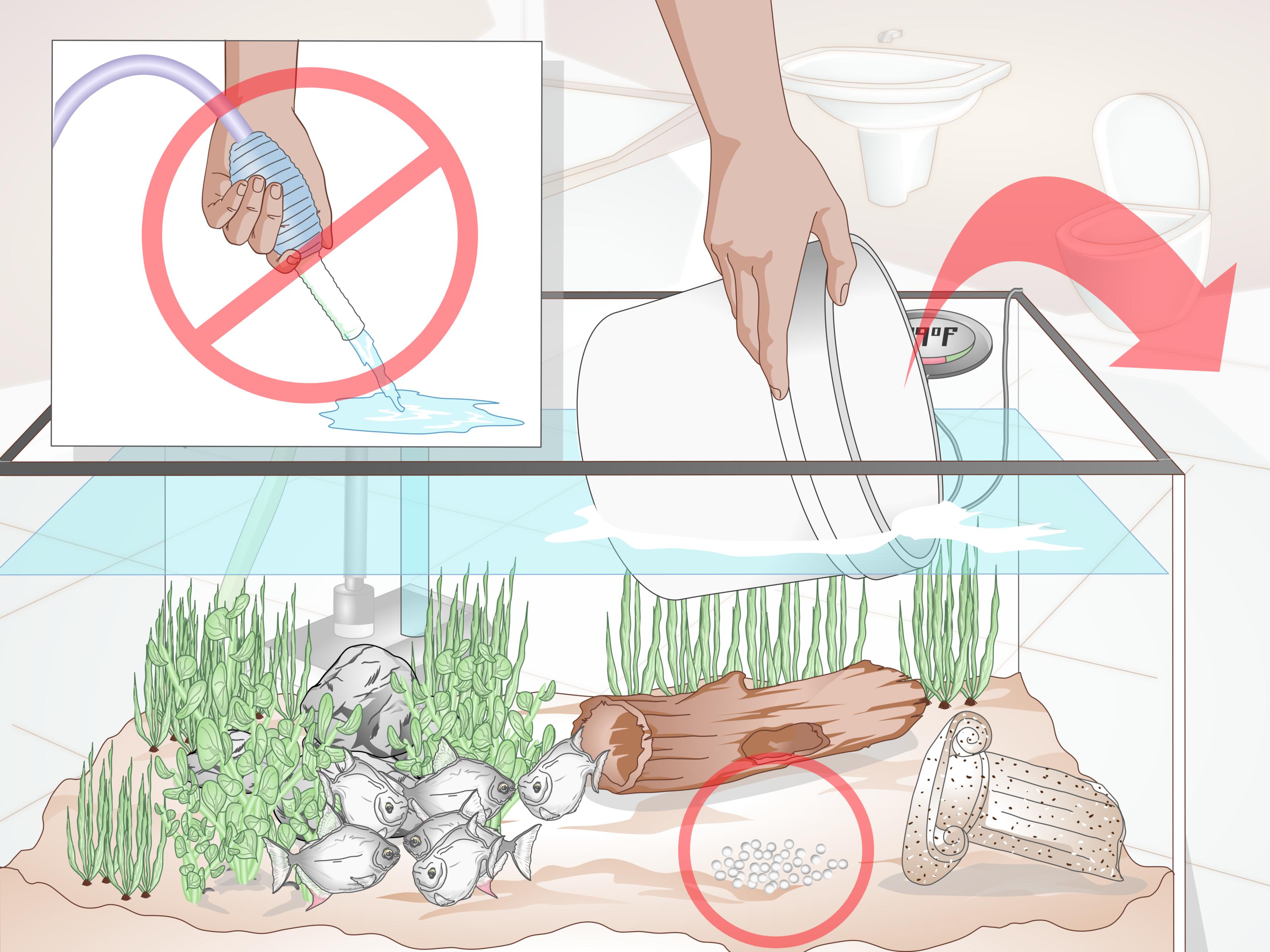
Silver dollar fish look like somebody tossed a handful of shiny coins into an aquarium and accidentally created a personality. They are bright, fast, social, and surprisingly charming. They are also one of those fish that lure beginners in with a sweet face and then quietly demand a large tank, strong filtration, a vegetable-heavy menu, and roommates that know how to behave.
If you want to keep silver dollar fish successfully, the trick is simple: stop thinking of them as “easy big community fish” and start thinking of them as active schooling herbivores with expensive taste in square footage. When you give them room, clean water, steady tank conditions, and a proper group, they become confident show fish that glide through the tank like polished dinnerware. When you cut corners, they become nervous, hungry salad machines with stress issues.
This guide breaks down exactly how to care for silver dollar fish in 14 practical steps, with real-world advice that helps you avoid the classic mistakes: tanks that are too small, plants that become lunch, and water quality problems that sneak up on owners who assumed “clear water” meant “healthy water.” Spoiler: the fish do not agree with that logic.
Why Silver Dollar Fish Need a Thoughtful Setup
Silver dollar fish are South American freshwater fish known for their round, flat, reflective bodies. They are related to piranhas, which sounds dramatic, but their behavior is far less action-movie and far more buffet-line. In aquariums, they usually grow to around 6 inches, can live for many years with good care, and do best when kept in a social group rather than alone.
That social behavior is not a cute bonus feature. It is a major part of their care. A lonely silver dollar fish is often a shy, jumpy silver dollar fish. A properly grouped school is far more likely to swim openly, eat confidently, and show normal behavior. So yes, the first step to caring for them well is accepting that one shiny pancake with fins is not the plan.
How to Care for Silver Dollar Fish: 14 Steps
Step 1: Know what you are buying before you bring them home
Silver dollar fish are often sold small, which can fool people into thinking they are medium community fish. They are not. Juveniles may look tiny and innocent, but adults are fast, deep-bodied fish that need horizontal swimming room and a stable environment. They are also long-term pets, not a “try it and see” project for a neglected corner tank.
Before you buy, plan for their adult size, group needs, and waste output. This one decision will save you money, fish stress, and that painful moment where you realize your “starter tank” has become a very expensive waiting room.
Step 2: Keep a group, not a solo fish
Silver dollar fish are schooling fish. In practical terms, that means they feel safer and behave better in a group. Aim for at least five to six individuals if you want to see natural movement and reduce skittish behavior. A bigger group can work beautifully too, but only if the tank size increases with it.
Keeping one or two often creates nervous fish that hide, dash around when startled, or stay stressed more often than they should. A proper school spreads out tension, encourages confident swimming, and makes the tank look dramatically better. One silver dollar looks like a coin. Six look like a parade.
Step 3: Choose a tank that matches adult life, not baby life
Here is the big one: tank size. For long-term care, a 75-gallon aquarium is a sensible minimum for a small group, and larger is even better. A long tank is especially helpful because silver dollar fish are active swimmers. They do not just hover around looking decorative. They move. A lot.
If you keep more than five or six, scale up. The goal is to provide enough room for the school to cruise without constantly turning like confused shoppers in a crowded aisle. A cramped tank increases stress, territorial friction, and water-quality headaches because larger fish produce larger messes. Nature is rude that way.
Step 4: Cycle the aquarium before adding fish
Silver dollar fish are hardy compared with some species, but “hardy” does not mean “immune to chemistry.” A brand-new, uncycled aquarium is a classic trap for fish owners. Without established biological filtration, toxic waste compounds build up fast, and larger fish can show stress quickly.
Do not add silver dollars to a tank that has not finished cycling. Test the water and make sure the system is biologically mature. This is not the glamorous part of fishkeeping, but it is the part that keeps your fish alive. Aquarium patience is not exciting, but it is cheaper than emergency regret.
Step 5: Keep water warm, stable, and boring in the best possible way
Silver dollar fish generally do well in warm freshwater around 75 to 82 degrees Fahrenheit, with slightly acidic to near-neutral pH. Exact numbers can vary a little depending on the source and the type you keep, but stability matters more than chasing a mythical perfect reading.
Test water regularly for the basics: ammonia, nitrite, nitrate, and pH. Do not rely on your eyes. Clear water can still be polluted, and fish are famously terrible at filing complaints before they get sick. If the water chemistry swings wildly, even durable fish can become stressed, lose appetite, or develop health problems.
Step 6: Use strong filtration and good oxygenation
Because silver dollar fish are active, grow fairly large, and live in groups, they put a real load on the filtration system. Use a filter rated for the aquarium size, and do not be shy about choosing a strong one. Many experienced keepers prefer slightly oversized filtration for messy or large-bodied fish.
You also want good water movement and oxygenation. Silver dollars tend to do best in clean, well-aerated water. Think of the filter as the tank’s cleaning crew, circulation manager, and part-time therapist. If it is underpowered, everybody suffers.
Step 7: Give them open swimming space and secure cover
The ideal silver dollar tank is not packed wall-to-wall with decorations. These fish need room to move through the center of the aquarium. At the same time, they also appreciate cover, especially around the edges and back of the tank, where they can retreat if startled.
Driftwood, rocks, sturdy décor, and dark substrate often work well. Subdued lighting can help them feel more secure too. They are peaceful fish, but they can be nervous if the setup feels too exposed. A tank with open lanes for swimming and sheltered zones for security gives you the best of both worlds.
A tight-fitting lid is also smart. Active schooling fish can spook easily, and a startled fish with good speed is basically a flying silver pancake. Not the kind of airborne display you want.
Step 8: Accept that most plants are snacks
Silver dollar fish are famous plant-eaters. If you dream of a delicate aquascape full of soft leafy stems, your fish may dream of an all-you-can-eat salad bar. Those two dreams rarely survive in the same aquarium.
You have three realistic options. First, use artificial plants. Second, use very sturdy live plants and accept some damage. Third, build the tank around hardscape and tough species while keeping your expectations low and your sense of humor high. In other words, do not install an underwater garden and then act shocked when your silver dollars act like goats with fins.
Step 9: Feed a mostly plant-based diet
Diet is one of the most important parts of silver dollar fish care. These fish are primarily herbivorous in aquarium life, so the menu should lean heavily toward vegetable matter. Good staples include quality plant-based flakes or pellets, spirulina foods, algae wafers, and fresh greens or vegetables offered in fish-safe portions.
Common options include blanched peas, cucumber, zucchini, romaine, spinach, and other leafy greens. Variety helps. A mixed plant-forward diet supports digestion, general condition, and normal behavior. It also gives them something to focus on besides your décor choices.
You can offer occasional protein treats such as brine shrimp or bloodworms, but these should be extras, not the foundation of the diet. Think “side dish,” not “main event.”
Step 10: Feed small portions and remove leftovers
Silver dollar fish are enthusiastic eaters, which is fun until it becomes a water-quality problem. Feed only what they can finish in a short period, and remove leftover fresh vegetables before they decay in the tank. Rotting food is basically a handwritten invitation to bad water chemistry.
A simple twice-daily feeding schedule works well for many keepers. The exact routine can vary depending on the fish, the temperature, and the foods used, but the core principle stays the same: small, controlled meals are better than a tank full of forgotten lettuce drifting into chaos.
Step 11: Pick tank mates for temperament, size, and common sense
Silver dollar fish are peaceful, which makes them excellent community candidates in the right large aquarium. Good tank mates are typically calm, sturdy species that can handle similar water conditions and will not bully the school. Larger peaceful catfish, plecos, doradids, and non-aggressive cichlids are commonly recommended.
Avoid chronic fin nippers, hyper-aggressive fish, or tank mates that turn every mealtime into a wrestling match. Also avoid assuming “peaceful” means “anything goes.” A calm fish still gets stressed if it is constantly chased, outcompeted, or forced to share a tank that feels like a reality show.
Step 12: Stick to a maintenance routine
Silver dollar fish do best in clean water, so routine maintenance is not optional. A practical schedule includes regular testing, partial water changes, filter upkeep, and removal of debris before it breaks down. Many aquarium care guides suggest either a small weekly change or a larger biweekly one, but with active schooling fish, weekly attention is often the safer habit.
Clean the filter according to the manufacturer’s instructions, but do not sterilize everything into oblivion. Your goal is to support beneficial bacteria, not declare war on them. Consistency is what matters most. Stable maintenance beats frantic rescue every single time.
Step 13: Quarantine new arrivals before they join the display tank
Quarantine feels annoying right up until the moment it saves your whole aquarium. New fish can carry parasites, bacterial issues, or stress-related problems that are not obvious on day one. A separate quarantine setup gives you time to observe, treat if necessary, and avoid spreading disease to the main tank.
Even a temporary quarantine system is better than none. If you skip this step, you are basically inviting strangers into your house, handing them the refrigerator key, and hoping nobody has the flu. That is one way to live, but it is not good fishkeeping.
Step 14: Watch behavior and adjust before problems snowball
The best silver dollar fish keepers notice patterns early. Are the fish hiding more than usual? Darting into the glass? Breathing faster? Ignoring food? Getting pushed around at feeding time? These signs often point to stress, poor water quality, bad tank mate dynamics, or a setup problem that needs fixing.
Healthy silver dollars usually school confidently, eat eagerly, and move with smooth, active energy. When behavior changes, treat it like useful information, not random fish drama. Fishkeeping gets easier when you stop reacting only to emergencies and start responding to early signals.
Common Mistakes to Avoid
- Buying one silver dollar fish because the store tank made it look “fine alone.”
- Using a tank sized for juveniles instead of adults.
- Adding them to an uncycled aquarium.
- Stuffing the tank with soft plants and then blaming the fish for being fish.
- Feeding too much protein and not enough vegetable matter.
- Ignoring water tests because the water looks clear.
- Skipping quarantine and introducing disease to the whole aquarium.
Real-World Experiences: What Keepers Learn the Hard Way
A common experience among silver dollar fish keepers is that these fish almost always seem easier in the store than they are at home during the first month. In the shop, you see a few shiny juveniles in a big display tank and think, “What lovely peaceful fish.” Then they come home, the tank suddenly feels smaller, and you realize you did not buy decorations for a tropical aquarium. You bought a school of fast-moving vegetarians with opinions.
Many hobbyists first notice trouble not through disease, but through behavior. A too-small group may stay nervous and cling to one side of the tank. A poorly planned setup with no cover can make them dash every time someone walks by. Some owners discover that their fish only become relaxed after the group size increases and the layout includes both open swimming lanes and sheltered zones. That is a useful lesson: silver dollars are not just “waterproof ornaments.” They respond strongly to social comfort and environment.
Another classic keeper experience involves plants. New owners often try once to create a beautiful planted layout and then never make that mistake again. What looked like a carefully designed aquascape on Sunday can look like a buffet aftermath by Wednesday. That does not mean silver dollars are impossible in a display tank. It means you have to design around their habits. Experienced keepers either switch to artificial plants, choose tougher species, or accept that any greenery in the tank is temporary entertainment.
Feeding teaches its own lessons. Plenty of aquarists start by offering random mixed foods, only to find that silver dollars clearly prefer vegetable-heavy options and can become pushy at feeding time. Once owners add spirulina foods, greens, and a more structured routine, the fish often look fuller, act more settled, and spend less time test-biting the environment. In plain English, a well-fed silver dollar is still curious, but it is less likely to treat your aquascape like a snack emergency.
Water quality is another area where experience changes habits fast. Larger community fish create real waste, and silver dollars are no exception. Many keepers report that once they started testing water consistently and committing to weekly maintenance, the tank became far easier to manage. The fish ate better, looked brighter, and behaved more confidently. That is one of the least glamorous truths in fishkeeping: the most impressive improvement often comes from boring consistency, not fancy gadgets.
Perhaps the most valuable long-term lesson is that silver dollar fish reward thoughtful care. They are not the fish you buy for a tiny “starter setup,” but they are absolutely the fish you keep when you want movement, group behavior, and a striking display in a larger freshwater aquarium. Owners who plan ahead usually end up loving them. Owners who improvise usually end up shopping for a larger tank while muttering to themselves in the pet store parking lot.
Final Thoughts
Silver dollar fish are beautiful, peaceful, and deeply entertaining when kept correctly. The secret is not complicated: keep them in a real group, give them a tank big enough to swim, build a secure environment, feed them like the plant-loving fish they are, and stay on top of water quality. Do that, and they can become one of the most rewarding large community fish in freshwater fishkeeping.
Ignore those basics, and they will still try their best, but the aquarium will feel stressful for them and frustrating for you. Good silver dollar care is really about respect. Respect their size, their appetite, their social nature, and their need for clean stable water. Also respect the fact that any plant you add may be filing its own final paperwork.