

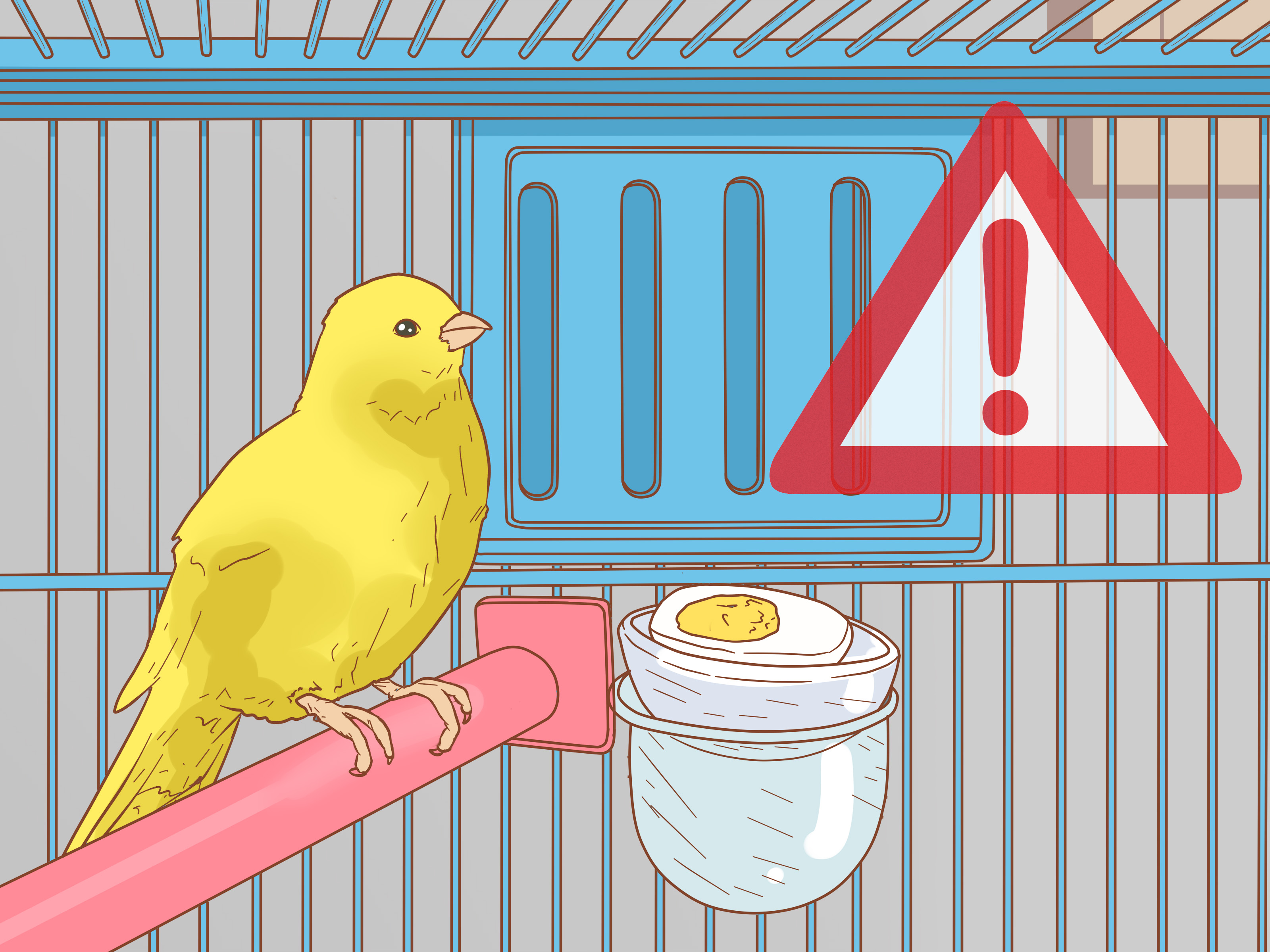
Canaries may be small, but they arrive with a surprisingly large personality, a tiny opera voice, and the confidence of a bird who believes your living room is now a concert hall. Caring for a canary is not difficult, but it does require consistency. These birds thrive when their cage is roomy, their diet is balanced, their environment is calm, and their daily routine feels predictable.
Unlike parrots, canaries are not usually “cuddle me while I watch television” pets. Most prefer to be admired rather than handled. Think of them as feathered roommates: independent, musical, charming, and slightly judgmental when breakfast is late. This guide explains how to care for your canary in 13 practical steps, from choosing the right cage to feeding, cleaning, bathing, enrichment, and spotting early signs of illness.
How to Care for Your Canary: 13 Steps
1. Choose a Spacious Cage Built for Flight
The first rule of canary care is simple: bigger is better. Canaries are active flyers, not climbing birds like parrots, so they need horizontal space more than height. A long rectangular cage gives your bird room to flutter from perch to perch, stretch its wings, and burn energy without needing a gym membership.
For one canary, choose the largest cage you can reasonably fit and maintain. Avoid round cages because they can make birds feel insecure and provide poor flying space. Look for safe metal construction, secure doors, and bar spacing narrow enough that your canary cannot squeeze through or get stuck. The cage should be sturdy, easy to clean, and free of lead, zinc, peeling paint, rust, or sharp edges.
2. Place the Cage in a Safe, Calm Location
Location matters almost as much as cage size. Put your canary’s cage in a bright, social area of the home where the bird can observe daily life without being overwhelmed. A family room or quiet corner of a living room often works well. Avoid kitchens, bathrooms, garages, laundry rooms, or any area with fumes, smoke, drafts, or extreme temperature changes.
Canaries are sensitive to air quality. Nonstick cookware fumes, aerosol sprays, perfumes, tobacco smoke, essential oil diffusers, paint fumes, cleaning chemicals, and self-cleaning oven fumes can be dangerous. Keep the cage away from air conditioners, heaters, open windows, ceiling fans, and direct sunlight that could overheat your bird. A comfortable household temperature, generally around 65–80°F, is suitable for most healthy canaries.
3. Add Proper Perches for Healthy Feet
Perches are not just decoration. They are your canary’s furniture, exercise equipment, and favorite thinking spots. Use several perches of different diameters and textures so your bird’s feet do not always grip the same shape. Natural wood perches are excellent because they offer variation, but they must be clean, bird-safe, and pesticide-free.
Place perches so the canary can fly between them without bumping into toys, dishes, or cage walls. Do not crowd the cage. Also avoid placing perches directly above food or water bowls unless you enjoy cleaning bird poop from breakfast dishes, which is nobody’s dream hobby.
4. Feed a Balanced Canary Diet
A healthy canary diet should not be just seed. Seeds are tasty, but a seed-only diet can be too high in fat and too low in important vitamins and minerals. Many canaries love seed the way humans love fries: delicious, familiar, and not exactly a complete nutrition plan.
A good daily diet usually includes a high-quality canary pellet or formulated food, a measured amount of canary seed mix, and fresh vegetables. Offer leafy greens such as kale, romaine, dandelion greens, spinach in moderation, broccoli, carrot, peas, zucchini, or small pieces of bell pepper. Fruits such as apple, orange, pear, or berries can be offered in tiny amounts as occasional treats.
Introduce new foods slowly. Canaries can be suspicious of unfamiliar vegetables, especially if they look at broccoli and decide it is a tiny green monster. Clip greens to the cage bars, chop vegetables finely, or mix a small amount with familiar food. Remove uneaten fresh foods after a few hours to prevent spoilage.
5. Provide Fresh Water Every Day
Your canary should always have access to clean, fresh water. Change the water daily, and more often if your bird bathes in it, drops seed hulls into it, or treats it like a soup pot. Wash water cups thoroughly to prevent bacterial growth.
Use sturdy dishes that are easy to remove and clean. Some owners prefer water bottles, but dishes are natural and easy for canaries to use. If you use a bottle, check the tip daily to make sure water is flowing properly. A blocked water bottle can become dangerous quickly.
6. Offer a Bath Regularly
Canaries usually enjoy bathing, and regular baths help keep feathers and skin in good condition. Offer a shallow bird bath with lukewarm water several times a week, or daily if your canary enjoys it. Some birds splash immediately like tiny feathery dolphins; others stare at the bath for days before deciding it is not a trap.
Place the bath in the cage for a limited time, then remove it after bathing so the water does not become dirty. Avoid soaps, shampoos, or sprays unless specifically recommended by an avian veterinarian. Clean water is enough for normal feather care.
7. Keep the Cage Clean
Cleanliness is one of the most important parts of canary care. Replace cage liner or paper regularly, wipe dirty surfaces, and wash food and water dishes every day. At least once a week, clean the cage more thoroughly by removing old food, feathers, droppings, and debris.
Deep clean the cage periodically with bird-safe cleaning products, hot water, and careful rinsing. Any soap or disinfectant residue should be completely removed before your canary returns. Replace worn wooden perches and porous accessories when they become impossible to clean. A clean cage reduces odor, discourages pests, and helps prevent disease.
8. Give Your Canary a Predictable Light and Sleep Schedule
Canaries need a natural rhythm of light and darkness. Too much artificial light late at night can disrupt sleep, molting, singing, and breeding behavior. Aim for a consistent routine with daytime light and quiet darkness at night.
Many owners cover the cage at bedtime to reduce drafts and help the bird settle. Use a breathable cage cover and leave enough airflow. Do not keep the cage in a room where lights, television noise, or late-night activity continue for hours. A well-rested canary is healthier, calmer, and more likely to greet the morning like a tiny feathered alarm clock.
9. Provide Exercise and Safe Flight Time
Even with a roomy cage, canaries benefit from movement. If your home allows it, provide supervised flight time in a bird-safe room. Close windows and doors, turn off ceiling fans, cover mirrors, remove toxic plants, block fireplaces, and keep cats and dogs out of the room.
Do not chase your canary around the room. Let the bird explore calmly and return to the cage on its own if possible. You can encourage return by placing fresh food or a favorite treat inside the cage. Flight keeps muscles strong, supports mental health, and gives your canary a chance to do what canaries are built to do: fly gracefully while making you slightly nervous about the curtains.
10. Offer Enrichment Without Overcrowding the Cage
Canaries are not heavy chewers like parrots, but they still need mental stimulation. Add simple toys, swings, foraging opportunities, and safe greens clipped to cage bars. Rotate accessories occasionally to prevent boredom, but avoid filling the cage so much that your bird cannot fly.
Good enrichment can be as simple as a fresh spray of millet as an occasional treat, a shallow bath, a new perch, or leafy greens placed in a different spot. Canaries often enjoy watching household activity, listening to gentle music, or hearing other canary songs. Keep stimulation pleasant, not chaotic.
11. Handle Your Canary Gently and Respect Its Personality
Most canaries do not enjoy frequent handling. They are typically kept for their beauty, song, and lively behavior rather than cuddling. With patience, some canaries may learn to perch on a finger, but forcing interaction can create stress and damage trust.
Move slowly around the cage, speak softly, and use treats to create positive associations. If you must catch your canary for a health check or cage transfer, do it calmly and safely. Never squeeze the body, because birds need chest movement to breathe. When in doubt, ask an avian veterinarian or experienced bird professional to demonstrate safe handling.
12. Watch for Signs of Illness
Birds often hide illness until they are seriously sick, so small changes matter. Warning signs include fluffed feathers for long periods, sitting low on the perch, sleeping more than usual, tail bobbing, labored breathing, wheezing, discharge from the eyes or nostrils, loss of appetite, weight loss, changes in droppings, dirty feathers around the vent, lameness, or sudden silence in a normally singing male.
Molting can temporarily reduce singing, and seasonal changes can affect behavior, but do not assume every change is harmless. A canary that looks weak, struggles to breathe, stops eating, or sits on the cage floor needs urgent veterinary care. Because canaries are small, they can decline quickly. Fast action can make a major difference.
13. Schedule Avian Veterinary Care
Find an avian veterinarian before there is an emergency. A newly acquired canary should have a health exam, especially if you already have other birds at home. Quarantine new birds away from existing pets for several weeks and wash your hands between cages.
Routine checkups help catch nutrition problems, parasites, respiratory issues, overgrown nails, feather concerns, and early signs of disease. Do not medicate your canary with random products from the internet. Birds are sensitive, and incorrect treatment can make things worse. A qualified avian veterinarian is your best partner for long-term canary health.
Common Canary Care Mistakes to Avoid
Feeding Only Seed
Seed mixes are popular, but they should not be the entire diet. A canary that eats only seed may become overweight or miss essential nutrients. Balance matters. Use pellets or formulated food, fresh vegetables, and measured seed rather than an unlimited seed buffet.
Keeping the Cage Near the Kitchen
The kitchen is one of the riskiest places for birds. Fumes from overheated cookware, smoke, cleaning sprays, and strong odors can harm a canary’s respiratory system. Keep your bird in a clean-air zone far from cooking fumes.
Ignoring Small Health Changes
A canary that stops singing, eats less, sleeps more, or looks puffed up may be showing an early illness sign. Waiting several days to “see what happens” can be risky. Small birds have small energy reserves.
Overcrowding the Cage
Decorating a canary cage like a miniature amusement park may look cute, but your bird needs open flight space. Choose a few useful accessories and leave room for movement.
What Should a Canary Eat Daily?
A practical daily feeding routine might include a small measured portion of high-quality canary seed mix, access to canary pellets or formulated diet, and a small serving of chopped vegetables. Fresh greens can be offered often, while fruit should be limited because of sugar. Treats such as millet spray should be occasional, not the main event.
Avoid avocado, chocolate, caffeine, alcohol, salty snacks, sugary foods, greasy human meals, fruit pits, and apple seeds. Also avoid sharing food from your mouth. Human saliva contains microorganisms that are not safe for birds. Your canary may look curious about your sandwich, but that does not mean it needs a bite.
How to Keep a Canary Happy
A happy canary has space, routine, clean surroundings, fresh food, and a sense of safety. Many canaries sing when they feel secure, especially males. Singing can vary with age, season, molt, health, and daylight. Do not panic if your bird sings less during molt, but pay attention if silence comes with other symptoms.
Canaries can live alone and often do well as single birds when their environment is enriching. If you keep more than one, avoid housing two males together in a small cage because fighting may occur. Introductions should be slow, supervised, and based on the birds’ behavior.
Real-Life Experiences: What Canary Care Teaches You Over Time
One of the first things many canary owners learn is that these birds are small but not boring. A canary may weigh less than a handful of paperclips, yet it can completely change the atmosphere of a room. The morning song becomes part of the household routine. You start noticing when the bird prefers bathing, which greens get eaten first, and which perch is clearly the “royal balcony.”
In everyday care, consistency is more powerful than fancy equipment. A simple routine of fresh water in the morning, clean dishes, a quick cage check, and a small serving of greens creates a healthier bird than a pile of expensive toys and irregular attention. Many owners discover that their canary watches them closely. The bird may not want to be held, but it still recognizes patterns. It learns when breakfast happens, when the room gets quiet, and which person is most likely to deliver millet.
Another practical lesson is that canaries communicate through behavior. A bright, alert bird that hops between perches, eats normally, preens, bathes, and sings is usually telling you life is good. A bird that sits puffed up, avoids food, breathes with effort, or stays on the cage floor is saying something is wrong. The challenge is that canaries whisper their problems before they shout them. Successful owners become observant, not anxious, noticing small changes without panicking over every feather.
Diet is often the area where experience changes habits. New owners may assume a colorful seed mix is enough because the canary eats it enthusiastically. Over time, they learn that enthusiasm is not the same as nutrition. A child may enthusiastically eat cookies for dinner too, but no pediatrician is applauding. Gradually introducing pellets, greens, and vegetables makes a visible difference in energy, feather quality, and long-term health. The trick is patience. Some canaries need repeated exposure before they accept a new food. Offering finely chopped vegetables in the morning, when the bird is naturally hungry, can help.
Cleaning also becomes easier once it becomes automatic. Using plain cage paper, placing dishes wisely, and doing small daily cleanups prevents the dreaded “weekend cage disaster.” A clean cage does not need to smell like chemicals. In fact, strong chemical scents are exactly what bird owners should avoid. Hot water, safe cleaning methods, complete rinsing, and good ventilation are the real heroes.
Many owners also learn to respect the canary’s boundaries. A canary may bond with you without wanting hands-on affection. It may sing when you enter the room, hop closer when you speak, or calmly remain nearby during cage maintenance. That is trust. Forcing handling can break that trust, while gentle routines build it. The reward is not a bird that acts like a parrot; the reward is a confident canary that feels safe enough to behave naturally.
Finally, caring for a canary teaches you to enjoy small rituals. The soft rustle before dawn, the splash of bath water, the first notes of song, the careful nibbling of greensthese moments are simple but surprisingly satisfying. Good canary care is not about spoiling a bird with constant attention. It is about creating a clean, safe, predictable world where a small singer can thrive. Do that well, and your canary will repay you with color, movement, personality, and music that makes even an ordinary Tuesday feel a little more cheerful.
Conclusion
Caring for a canary is a blend of good housing, balanced nutrition, clean routines, safe air, gentle observation, and respect for the bird’s naturally independent personality. Give your canary a roomy cage, fresh water, a varied diet, regular baths, safe exercise, and access to avian veterinary care. Avoid fumes, dirty cages, seed-only diets, and rough handling. With steady care, your canary can become a bright, musical companion that brings life to your home without demanding the emotional intensity of a tiny feathered celebrity.
Note: This article is for general educational pet-care information and should not replace advice from a qualified avian veterinarian, especially if your canary shows signs of illness.