

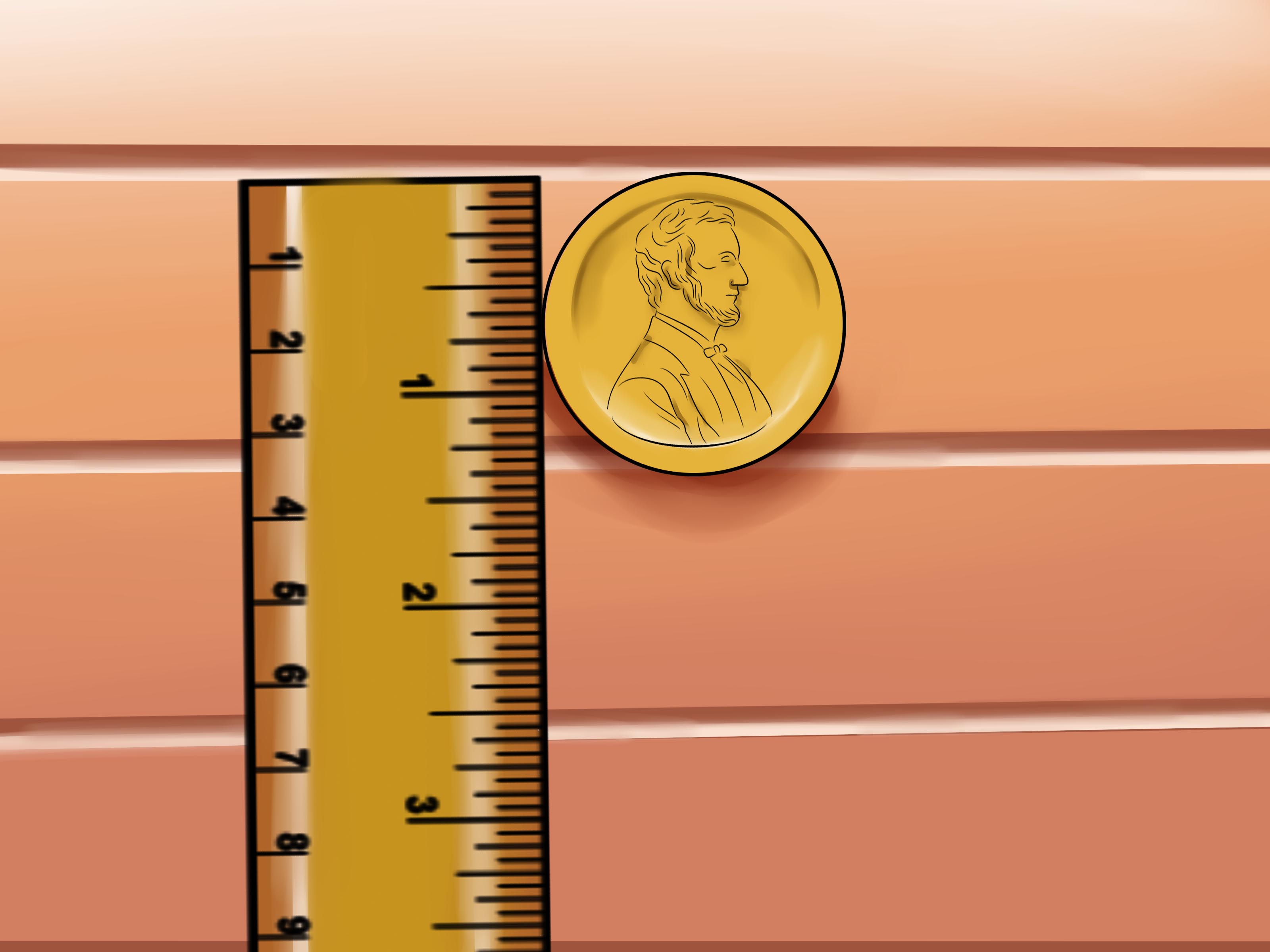
If circles had a favorite hobby, it would probably be making students wonder which formula to use. The good news is that finding the circumference of a circle is much easier than it first looks. Once you know what circumference means and which measurement you already have, the problem becomes surprisingly friendly.
In simple terms, the circumference is the distance all the way around a circle. It is the circle’s version of perimeter. Whether you are measuring a bike tire, a pizza pan, a round table, a bracelet, or a clock face, the circumference tells you how far it is around the outside edge.
This guide breaks the process into four simple ways so you can solve circumference problems with confidence. We will go over the formulas, show when to use each one, work through examples, and point out the mistakes that trip people up most often. By the end, circles may not become your best friends, but they will at least stop being so dramatic.
What Is the Circumference of a Circle?
The circumference of a circle is the total distance around its curved edge. If you wrapped a string once around a circular object and then straightened the string, that length would be the circumference.
To work out circumference, you usually need one of two measurements:
- Radius (r): the distance from the center of the circle to the edge
- Diameter (d): the distance across the circle through the center
These measurements are connected. The diameter is always twice the radius, and the radius is always half the diameter. That relationship is the reason there are two main circumference formulas that actually mean the same thing.
The Two Main Circumference Formulas
Here is the cheat sheet you want to keep handy:
- C = πd
- C = 2πr
In these formulas, C stands for circumference, d stands for diameter, r stands for radius, and π is pi, which is approximately 3.14.
If the problem gives you the diameter, use C = πd. If it gives you the radius, use C = 2πr. Same circle, same answer, different starting point.
One more thing matters: some teachers or worksheets want an exact answer, while others want an approximate answer.
- Exact answer: leave π in the answer, such as 10π inches
- Approximate answer: replace π with 3.14 or your calculator value, such as 31.4 inches
4 Simple Ways to Work Out the Circumference of a Circle
1. Use the Diameter
This is the fastest method when the diameter is already given. Since the diameter stretches from one side of the circle to the other and passes through the center, you can plug it directly into the formula:
C = πd
Example: A circle has a diameter of 8 inches.
Substitute 8 for d:
C = π(8)
Exact answer:
C = 8π inches
Approximate answer:
C ≈ 3.14 × 8 = 25.12 inches
This method is popular because it is short, clean, and hard to mess up unless you accidentally use the radius instead of the diameter. That happens more often than students like to admit.
When this method works best:
- You are given the full distance across the circle
- You measure the circle straight through the center
- The diagram labels the diameter clearly
2. Use the Radius
If the problem gives you the radius instead, use this formula:
C = 2πr
This works because the diameter is twice the radius. So if you know the radius, you are already halfway to the answer.
Example: A circle has a radius of 5 centimeters.
Substitute 5 for r:
C = 2π(5)
Simplify:
C = 10π centimeters
Approximate answer:
C ≈ 2 × 3.14 × 5 = 31.4 centimeters
This method is especially common in geometry problems because radius shows up everywhere. If the center point is marked and a line goes from the center to the edge, that is your cue to use the radius formula.
When this method works best:
- You are given the radius directly
- The circle diagram shows the center and one segment to the edge
- You are solving a problem involving wheels, circles, lids, or round objects measured from the center outward
3. Use the Area to Find the Radius First
Sometimes a problem does not give you the diameter or radius. Instead, it gives you the area. That sounds rude, but it is still workable.
Start with the area formula:
A = πr2
Solve for r:
r = √(A ÷ π)
Then plug that radius into the circumference formula C = 2πr.
Example: A circle has an area of 49π square feet.
Use the area formula:
49π = πr2
Divide both sides by π:
49 = r2
Take the square root:
r = 7
Now find circumference:
C = 2π(7) = 14π feet
Approximate answer:
C ≈ 43.96 feet
This method takes an extra step, but it is still simple once you know the plan: area first, radius next, circumference last. Think of it as a math scavenger hunt where the radius is hiding behind the area formula.
When this method works best:
- You are given the area, not the radius or diameter
- You are solving multi-step geometry problems
- You need to move between circle formulas
4. Measure a Real Circle and Estimate the Circumference
Not every circumference problem comes wrapped in a textbook. In real life, you may need to measure a circular object yourself. In that case, there are two easy approaches.
Option A: Measure the diameter
Measure straight across the circle through its center, then use C = πd.
Option B: Wrap and measure
Wrap a flexible tape measure or string around the outside edge of the object. Then measure that length. This gives a direct estimate of the circumference.
Example: A round flower pot measures 12 inches across.
Use the diameter formula:
C = π(12) = 12π inches
Approximate answer:
C ≈ 37.68 inches
This method is useful in practical situations like home projects, crafts, sports equipment, packaging, and construction. It also helps students understand that math is not trapped inside worksheets. It is quietly hanging out on bicycle tires and cookie tins.
How to Choose the Right Method
If you are not sure which way to go, ask one question first: What measurement do I already have?
- If you have the diameter, use C = πd
- If you have the radius, use C = 2πr
- If you have the area, find the radius first
- If you have a real object, measure it and apply the formula or wrap a tape around it
That is really the whole game. Most confusion happens when people rush and use the wrong measurement.
Common Mistakes to Avoid
Mixing Up Radius and Diameter
This is the big one. If the radius is 6, the diameter is 12. If the diameter is 10, the radius is 5. One is not just the other wearing different shoes.
Using the Area Formula by Accident
The area formula is A = πr2. The circumference formula is C = 2πr. If you square the radius when finding circumference, your answer will be way off.
Forgetting Units
Circumference is a linear measurement, so the answer uses units like inches, feet, centimeters, or meters. Do not use square units unless you are finding area.
Rounding Too Early
When possible, keep π in your calculations until the end. Early rounding can make your final answer less accurate.
Worked Examples for Extra Practice
Example 1: Diameter Given
A clock face has a diameter of 14 inches.
C = πd = 14π inches ≈ 43.96 inches
Example 2: Radius Given
A circular rug has a radius of 4 feet.
C = 2πr = 2π(4) = 8π feet ≈ 25.12 feet
Example 3: Area Given
A circle has an area of 81π square yards.
81π = πr2, so r2 = 81, which means r = 9.
Now use circumference:
C = 2π(9) = 18π yards ≈ 56.52 yards
Why Circumference Matters in Real Life
Learning how to find the circumference of a circle is not just a school exercise. It shows up in all kinds of ordinary situations. You may need it when choosing trim for a round tabletop, estimating ribbon for a wreath, measuring the distance a wheel travels in one full turn, planning a circular garden bed, or figuring out the size of a round frame.
Engineers, builders, designers, mechanics, teachers, and students all use circle measurements. Even if you never announce, “I am now calculating the circumference,” you will probably use the idea anytime a round object and a measurement problem show up in the same place.
Experiences and Practical Lessons From Working With Circumference
One of the most memorable things about learning circumference is that it usually clicks when people stop seeing circles as drawings and start seeing them as objects. In a classroom, students often understand the formula much faster when they measure jar lids, plates, cans, tape rolls, or hoops. The moment they notice that the distance around a circle is always a little more than three times the distance across it, pi suddenly feels less mysterious and more like a pattern they discovered for themselves.
In everyday life, a lot of people first run into circumference without calling it that. Someone wraps ribbon around a round gift box and realizes they need the distance around the lid. A cyclist hears about wheel size and later understands that the circumference helps explain how far the bike moves in one full rotation. A gardener measuring a circular planter may need the outside edge to estimate border material. In each case, circumference is quietly doing useful work behind the scenes.
Another common experience is discovering how easy it is to confuse radius and diameter when you are in a hurry. Many students can do the math perfectly and still get the wrong answer because they grabbed the wrong measurement from the diagram. That is why experienced teachers often recommend pausing before calculating and labeling the known values clearly. A ten-second check can save five minutes of confused staring later.
Hands-on projects also teach an important lesson about precision. When people measure real circular objects, they learn that tiny differences matter. If the diameter measurement is slightly off, the circumference will be off too. This becomes obvious in crafts, construction, and sewing, where materials have to fit well. Measuring a round tabletop for trim or a circular cushion for fabric can quickly reveal whether your math and your measuring tape are cooperating.
There is also something satisfying about exact answers. In school, students often write answers like 12π and wonder why they cannot just convert it to a decimal immediately. Later, they learn that exact answers preserve accuracy and are often preferred in algebra and geometry. Then, in practical settings, decimals become more useful because real projects usually need approximate lengths. Seeing both styles in action helps learners understand that math changes slightly depending on the goal.
Perhaps the best experience related to circumference is the confidence it builds. At first, circle problems can look intimidating because of symbols, formulas, and curved lines. But after solving a few examples, most learners realize the process is consistent. Identify what you know, choose the right formula, substitute carefully, and simplify. That repeatable process turns what felt complicated into something manageable. And honestly, that is one of the best parts of math: the moment when a topic that seemed confusing suddenly becomes familiar.
Final Thoughts
If you want to work out the circumference of a circle quickly and correctly, the key is to start with the measurement you already have. Diameter? Use C = πd. Radius? Use C = 2πr. Area? Find the radius first. Real object? Measure and estimate. Those are the four simple ways that cover most circumference questions you will ever see.
Once you understand the relationship between radius, diameter, and pi, circle problems become much less intimidating. Practice a few examples, keep an eye on your units, and do not let the area formula crash the party when circumference is the one invited.