

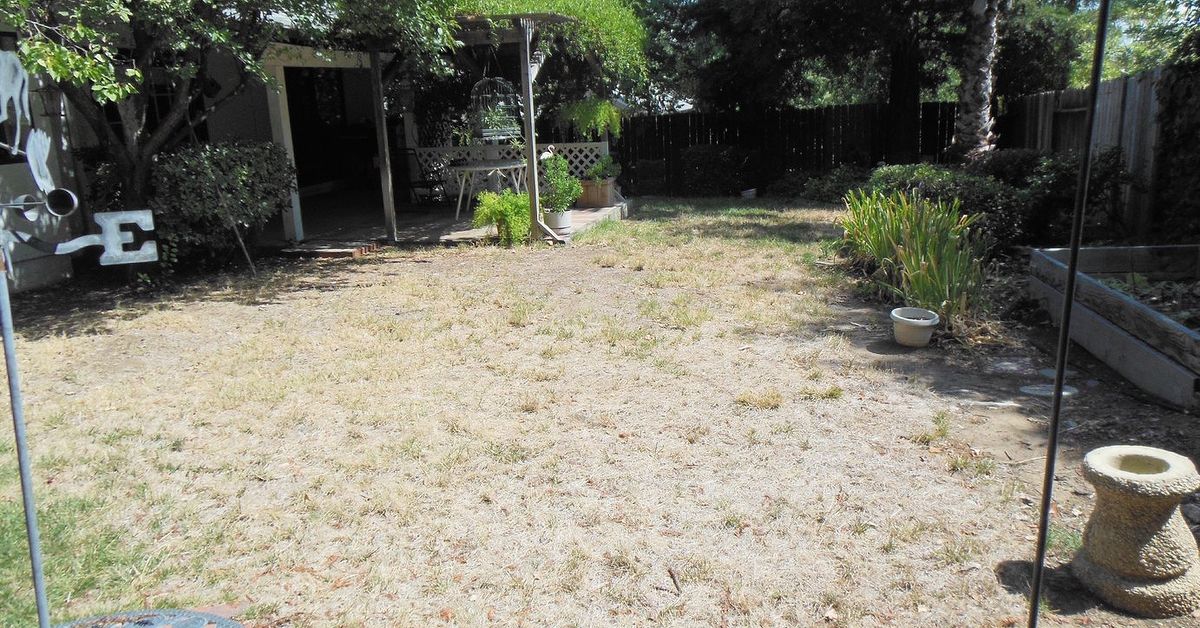
If your lawn drinks water like it just ran a marathon in July, you are not alone. Traditional turf can be one of the thirstiest features in a yard, especially in hot or dry climates. The good news is that you do not need a professional crew, a landscape architecture degree, or a spiritual awakening next to a bag of mulch to fix it. A smart DIY lawn conversion can cut water waste, lower maintenance, and leave you with a yard that still looks good without behaving like a diva.
This guide walks through how to change out your lawn to save water DIY style, from planning and turf removal to plant selection, irrigation, mulch, and long-term care. The goal is not to create a yard that looks like a gravel parking lot with a cactus in witness protection. The goal is a water-wise landscape that fits your climate, your budget, and the way you actually use your outdoor space.
Why Replacing Part of Your Lawn Saves So Much Water
Outdoor watering is a major part of household water use in the United States, and lawns often take the biggest share of that pie. That means even a modest lawn makeover can make a noticeable difference on your water bill. The biggest savings usually come from replacing nonfunctional turf, which is the grass nobody plays on, sits on, or even likes that much. You know the spots: the narrow strip by the driveway, the awkward side yard, the patch under a tree that grows exactly three sad blades per season, and the section you mow mostly out of guilt.
Water-wise landscaping is not about declaring war on every blade of grass. It is about keeping turf where it earns its keep and replacing the rest with better options. A practical lawn area for pets, kids, or backyard games can still make sense. The rest can become planting beds, low-water groundcovers, mulched paths, native or climate-adapted plants, and shady areas that need far less irrigation.
Step 1: Decide What Stays and What Goes
Before you touch a shovel, walk your yard and divide it into three categories: useful lawn, useless lawn, and troublemaker lawn. Useful lawn is where people actually gather or play. Useless lawn is decorative grass that costs water and time without giving much back. Troublemaker lawn is grass on slopes, narrow strips, around trees, or in spots that are hard to water evenly.
This step matters because the best DIY lawn replacement project is not “remove everything and panic later.” It is “remove the thirsty areas that make the least sense.” That approach is cheaper, easier, and less likely to leave you staring at bare dirt while wondering how your weekend project turned into a new personality.
Questions to ask before removing turf
How do you use the space now? How do you want to use it in a year? Which spots stay wet, turn brown, or get baked by afternoon sun? Where does runoff happen? Where do sprinklers hit sidewalks instead of plants? These answers help shape a yard that saves water because it is designed on purpose, not because you got mad at your grass on a Tuesday.
Step 2: Check Rebates, Rules, and Your Watering Setup First
Do this before you remove a single square foot of turf. Many local water agencies offer rebates for lawn conversion, but some require photos, applications, or pre-approval before work begins. If you start first and apply later, that rebate money may vanish faster than a hose nozzle in a shared garage.
Also review local watering rules, plant lists, and neighborhood design requirements if they apply where you live. Then inspect your irrigation system. A lawn conversion is the perfect time to stop watering sidewalks, separate turf zones from planting bed zones, and replace outdated clock-based scheduling with smarter watering controls.
Step 3: Choose the Best DIY Turf Removal Method
There is no single perfect method for every yard. Your climate, grass type, timeline, budget, and patience level all matter. Bermuda grass, for example, is famously stubborn. Other lawns are much easier to retire.
Option 1: Sheet mulching
Sheet mulching is one of the most popular DIY methods because it is affordable, low-tech, and improves soil as it works. You mow the grass low, wet the area, cover it with overlapping cardboard or thick newspaper, then top it with compost and several inches of mulch. The layers block light, suppress grass, and gradually break down into the soil.
This method is excellent if you want to build planting beds and do not need instant results. It is more “slow-cooked transformation” than “demolition montage.” The tradeoff is time. Depending on climate and conditions, it can take months to fully finish the job.
Option 2: Solarization or light exclusion
In hot, sunny climates, covering turf with plastic can kill grass and many weeds. Clear plastic is used for solarization, while black plastic can work as light exclusion. This is more climate-dependent than sheet mulching and usually works best during warmer months. It can be effective, but it is less attractive during the process and not everyone wants their yard to look like a suspicious baking project all summer.
Option 3: Sod cutting or scalping
If you want fast physical removal, a sod cutter or aggressive scalping can strip turf quickly. This is satisfying in a very immediate, “take that, lawn” kind of way. But it is also more labor-intensive, can disturb soil, and may damage shallow roots near established trees and shrubs. Use caution around woody plants, because saving water is great, but sacrificing a mature shade tree to win an argument with grass is not.
Step 4: Protect Trees and Existing Plants
One of the biggest mistakes in lawn replacement projects is turning off irrigation too abruptly around mature trees that were quietly depending on that water. Trees growing in turf often rely on the same moisture that kept the lawn green. If the grass goes away, the tree still needs a plan.
Keep mulch away from the trunk, avoid deep digging over root zones, and transition irrigation thoughtfully. Expand mulch rings around trees, but do not pile mulch like a volcano. The goal is healthier roots and less evaporation, not a dramatic compost turtleneck.
Step 5: Design for Water Savings, Not Just Decoration
This is where good projects become great ones. Water-wise landscaping works best when plants are grouped by similar water needs, a strategy often called hydrozoning. Thirstier plants can share one area. Tougher, drought-tolerant plants can live in another. Turf, if you keep some, should have its own irrigation zone. Mixing everything together makes watering a guessing game, and the house usually loses.
Smart design moves that reduce water use
Replace narrow strips of lawn with mulched planting beds. Use paths, seating areas, or dry creek features to break up former turf. Put shrubs and perennials where they can fill space over time. Keep sight lines simple so the yard looks intentional. Add groundcovers where you want softness without the mowing. And remember that native plants can be a great choice, but “native” is not magic by itself. The best performers are plants that match your real site conditions, including sun, soil, wind, and drainage.
Step 6: Improve the Soil Without Overdoing It
Healthy soil helps plants establish roots and use water more effectively. In many planting beds, compost can improve structure and water-holding capacity. But do not assume every square foot needs the same treatment. Some native and drought-adapted plants prefer leaner soil, and heavy amendments can sometimes create drainage problems or encourage the wrong kind of growth.
The practical move is to test your soil or at least understand whether it is sandy, loamy, or clay-heavy. Then choose plants and irrigation strategies that match those conditions. This is less glamorous than buying fancy pots, but it works better and costs less.
Step 7: Mulch Like You Mean It
Mulch is a quiet hero in any low-water landscape. It reduces evaporation, suppresses weeds, moderates soil temperature, and helps the space look finished. Organic mulches such as shredded bark or wood chips are common choices for planting beds. Stone mulch can work in some designs and climates, but it reflects heat and can create a hotter environment around plants if overused.
A good general target is a few inches of mulch in beds, while keeping it away from stems and trunks. Mulch is not a decoration sprinkled on top like parsley. It is part of the water-saving system.
Step 8: Convert Irrigation the Right Way
If you remove turf but keep watering the new landscape with the same old spray pattern, you have basically put hiking boots on a goldfish. Wrong tool, wrong job.
Planting beds usually perform better with low-volume irrigation such as drip tubing, emitters, or micro-irrigation. These systems apply water more directly to the root zone and reduce evaporation and overspray. Turf areas, by contrast, need equipment designed for even surface coverage. That is why separate zones matter so much.
DIY irrigation upgrades worth doing
Cap or reroute sprinkler heads you no longer need. Convert shrub and perennial beds to drip. Check for leaks. Adjust heads so they do not spray pavement. Water in the early morning, not the heat of the afternoon. And if your budget allows, install a smart irrigation controller or weather-based controller. It can automatically adjust watering based on conditions instead of blindly watering because the timer says it is Wednesday at 6:00 a.m. and feelings are not part of the algorithm.
Step 9: Pick Plants That Can Handle Your Reality
The best lawn replacement plants are not simply the prettiest tags at the garden center. They are the ones suited to your region and to your exact site. Full sun is different from blazing reflected heat off a driveway. Dry shade under a mature tree is different from a cheerful front bed with morning light and decent soil.
Look for drought-tolerant, climate-adapted, and regionally appropriate plants. Mix structure with softness: a few anchor shrubs, ornamental grasses or grass-like plants, flowering perennials, groundcovers, and seasonal accents. Use repetition to make the design feel calm rather than chaotic. If everything is a “statement plant,” the yard starts to look like everyone is yelling.
Good lawn replacement ideas
Depending on your region, you might use native bunchgrasses, low-water sedges, spreading groundcovers, flowering pollinator plants, desert-adapted shrubs, Mediterranean herbs, or durable mulch-centered beds with a few bold focal plants. In cooler climates, reducing lawn size and keeping a smaller practical turf area may be the most sensible option. In arid climates, wider turf removal can pay off quickly.
Step 10: Expect an Establishment Period
This is the part people forget. Water-wise plants are not born with a tiny canteen and a rugged backstory. Most need regular irrigation while they establish. The difference is that, once rooted in the right place, they usually need less supplemental water than a conventional lawn.
During the first season, monitor moisture closely. Water deeply enough to encourage roots to grow downward. Then gradually reduce frequency as plants mature. Overwatering low-water plants is one of the fastest ways to make them unhappy, floppy, and weirdly expensive.
Common DIY Mistakes to Avoid
Removing turf without a plan
Bare dirt is not a water-wise landscape. It is just a future weed convention. Know what will replace the lawn before you kill it.
Keeping one mixed irrigation zone
Turf, shrubs, and perennials do not want the same watering schedule. Group by water need and separate zones whenever possible.
Using too little mulch
A whisper of mulch does not save water. Proper coverage does.
Ignoring tree roots
Fast turf removal near mature trees can create stress if you remove roots or cut off moisture too abruptly.
Trying to save water with high-maintenance plant choices
If the replacement landscape requires constant pampering, pruning, and extra irrigation, you may have traded one needy yard for another one wearing trendier shoes.
What a Simple DIY Lawn Conversion Might Look Like
Imagine a front yard with 1,000 square feet of grass. Instead of keeping the whole thing, you preserve 250 square feet near the sidewalk for play, then convert the remaining 750 square feet. A narrow side strip becomes a mulched path with shade-tolerant plantings. The sunny center becomes a hydrozoned bed with drought-tolerant shrubs, flowering perennials, and a few groundcovers. Sprinkler spray in those areas is capped and replaced with drip irrigation. A smart controller is installed. Mulch is added throughout. The yard still looks full and welcoming, but it requires far less watering and much less mowing.
That is the sweet spot: not a sterile landscape, not a giant gravel shrug, but a yard designed to use water where it matters.
Experience and Real-World Lessons From Doing It Yourself
What surprises most DIY homeowners is that replacing lawn is as much a mindset shift as a landscaping project. At first, many people feel nervous about letting go of the old green carpet. A lawn is familiar. It reads as safe, neat, and normal. But once the project starts, the biggest lesson tends to be this: the yard becomes more interesting, not less.
People often discover that their old lawn was doing a lot of pretending. It looked simple, but it demanded constant mowing, edging, fertilizing, watering, patching, and apologizing. Meanwhile, the new landscape usually has more texture, more seasonal color, and more purpose. Birds show up. Pollinators show up. The hose gets used less. Weekend maintenance starts to feel optional instead of mandatory.
Another common experience is learning that patience matters more than perfection. Right after turf removal, the space can look underwhelming. Fresh mulch and young plants rarely scream “magazine cover” on day one. They whisper, “trust the process.” Then a few months pass, roots settle in, plants begin to fill out, and the yard starts to make sense. In year two, it often looks better than the homeowner expected.
Many DIYers also realize that small choices make a big difference. Moving one thirsty plant to a better spot. Widening a mulch ring around a tree. Fixing a sprinkler head that has been watering the sidewalk since the Obama administration. Switching a shrub bed from spray to drip. None of these changes feel dramatic alone, but together they create a yard that behaves better with less water.
There is also an emotional payoff that people do not always expect. A water-saving yard feels more intentional. Instead of fighting the climate, the landscape works with it. Instead of forcing every square foot into the same green look, the space gets variety and personality. A shady corner can be cool and lush. A sunny bed can be architectural and tough. A small patch of lawn can remain for play, while the rest of the yard stops acting like it belongs on a golf course.
And yes, there are moments of DIY comedy. Cardboard blows away. Drip tubing tangles itself like holiday lights. You buy three plants and somehow come home with twelve. You stand in the yard holding a shovel, wondering whether the phrase “low maintenance” was invented by someone with staff. But most homeowners who complete the project say the same thing: once the lawn conversion is done, they wish they had started sooner.
The best experience-based advice is to go section by section if the whole yard feels overwhelming. Convert the side yard first. Then the narrow strips. Then the front bed. Success builds confidence. You learn what plants perform, how your soil behaves, and how much mulch your car can carry before it begins to question your decisions. A phased project is still a real project, and often a smarter one.
In the end, changing out your lawn to save water DIY style is not about making your yard less beautiful. It is about making beauty more practical. It is about replacing waste with intention, maintenance with function, and endless watering with smarter design. That is a pretty good trade.
Conclusion
If you want to change out your lawn to save water DIY, start by removing the grass you do not actually use, then replace it with a plan that includes hydrozoning, mulch, climate-appropriate plants, and efficient irrigation. Keep practical turf only where it serves a real purpose. Protect established trees, expect an establishment period, and remember that a successful water-wise landscape is not anti-beauty or anti-comfort. It is simply pro-common-sense. And in a thirsty yard, common sense is worth a lot more than another patch of struggling grass.