

Choosing the right dust mask sounds simple until you stand in the safety aisle staring at N95, P95, P100, disposable masks, half-face respirators, cartridges, valves, straps, and packaging that looks like it was written by a committee of engineers after three cups of black coffee. The good news? You do not need a PhD in airborne particles to protect your lungs. You just need to know what you are working around, how much protection you need, and whether the mask actually seals to your face.
A dust mask is not just a “thing you wear when the garage gets dusty.” It can be the difference between finishing a weekend project comfortably and inhaling a cloud of sawdust, drywall powder, smoke particles, mold spores, or other airborne hazards that your lungs would very much like to avoid. Your lungs are excellent at breathing. They are not built to be shop vac filters.
This guide explains how to choose the right dust mask for DIY projects, woodworking, sanding, cleaning, wildfire smoke, construction dust, and other common situations. It also explains when a simple disposable mask is fine, when you need a NIOSH-approved respirator, and when you should step away from the project and call a professional.
Dust Mask vs. Respirator: What Is the Difference?
Many people use the phrase “dust mask” for anything that covers the nose and mouth, but there is an important difference between a basic nuisance dust mask and a respirator. A basic dust mask may help block large visible dust particles, but it is not necessarily tested or approved to protect you from hazardous airborne particles. A respirator, on the other hand, is designed and tested to reduce exposure to specific contaminants when worn correctly.
For serious dust protection, look for a NIOSH-approved particulate respirator. NIOSH stands for the National Institute for Occupational Safety and Health, the U.S. agency that tests and approves respirators. A NIOSH-approved respirator will usually show markings such as “N95,” “P100,” and an approval number beginning with “TC.” If the package only says “comfort mask,” “nuisance dust mask,” or “general purpose face covering,” do not assume it offers real respiratory protection.
Here is the simplest rule: if the dust could harm your lungs, choose a certified respirator, not a decorative face covering with big dreams.
Step 1: Identify the Hazard Before Choosing a Mask
The right dust mask depends on what is floating in the air. Sawdust is different from silica dust. Drywall dust is different from paint fumes. Wildfire smoke is different from solvent vapor. One mask does not magically solve every problem, even if the packaging looks heroic.
Common Dust and Particle Hazards
For light household dust, pollen, sweeping, and occasional yard work, a basic disposable mask may be enough for comfort, but a NIOSH-approved N95 respirator is a better choice if you want reliable filtration. For woodworking, sanding, drywall work, attic cleaning, and dusty remodeling, an N95 or better is typically the minimum practical choice.
For heavier dust, fine particles, or longer work sessions, consider a reusable half-face respirator with replaceable P100 filters. P100 filters are highly efficient against particulate matter and are often preferred for high-dust tasks because they offer a stronger filtration level than N95 filters. They may also be more comfortable over time because the facepiece seals better and the filters can be replaced.
Hazards That Need More Than a Dust Mask
Some hazards require more than a disposable dust mask. Paint fumes, solvent vapors, pesticides, chemical sprays, and certain adhesives require the correct chemical cartridges, not just a particulate filter. Particulate respirators protect against particles; they do not protect against gases and vapors unless paired with the correct cartridges.
Asbestos, lead paint removal, heavy mold contamination, silica exposure, and fire cleanup can be especially hazardous. If you suspect asbestos or lead in an older home, do not attack it with sandpaper and optimism. These projects often require professional assessment, containment, specialized respirators, protective clothing, and strict cleanup procedures.
Step 2: Understand N95, N99, N100, P95, and P100 Ratings
Respirator ratings look confusing at first, but they follow a pattern. The letter tells you how the filter handles oil particles. The number tells you the minimum filtration efficiency under test conditions.
What the Letters Mean
N means the filter is not resistant to oil. N-rated respirators are commonly used for non-oil particles such as wood dust, drywall dust, pollen, and many airborne particles from smoke.
R means resistant to oil for limited use. R-rated filters are less common for casual DIY users but may be used in certain environments where oily particles are present.
P means oil-proof or strongly resistant to oil. P-rated filters, especially P100 filters, are often used for higher-protection particulate work and some professional applications.
What the Numbers Mean
95 means the filter captures at least 95% of certain airborne particles under test conditions. 99 means at least 99%. 100 means at least 99.97%, similar to HEPA-level filtration for particulates.
For many home projects, an N95 respirator is a practical and affordable option. For high-dust work, fine particles, long sanding sessions, or situations where you want a higher margin of protection, a P100 filter is often the better choice.
Step 3: Match the Mask to the Job
The best dust mask is the one matched to the actual task. Buying the most expensive respirator is not always necessary, but buying the cheapest mask and hoping for the best is not a safety plan. It is a wish with ear loops.
For Woodworking and Sanding
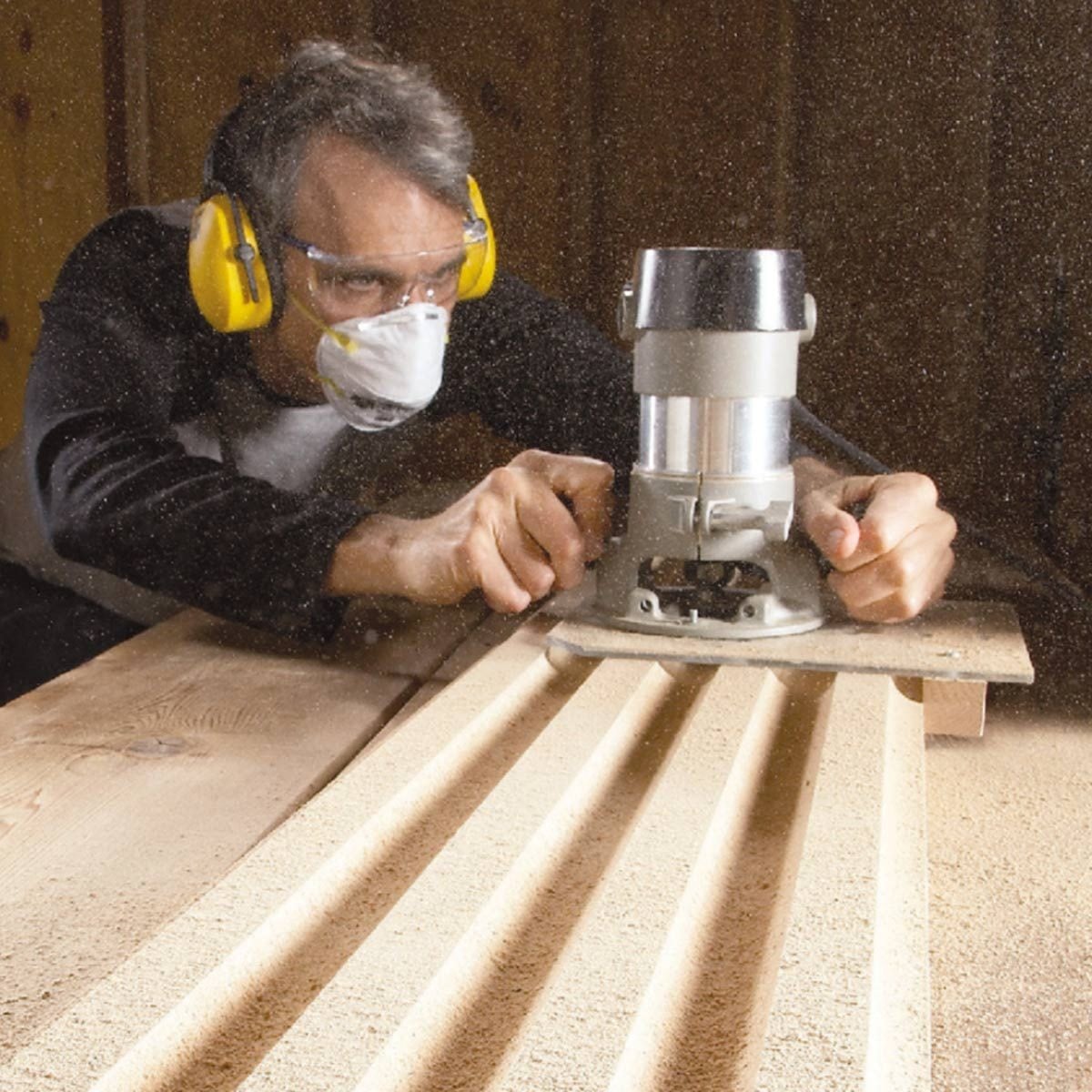
Wood dust may look harmless, but fine dust from sanding can hang in the air and enter your lungs. For quick sanding or cutting, a NIOSH-approved N95 may be acceptable. For longer woodworking sessions, power sanding, turning, routing, or working in a small shop, a reusable half-face respirator with P100 filters is usually more comfortable and protective.
Also use dust collection, open doors when safe, and clean with a HEPA vacuum instead of blasting dust around with compressed air. A respirator is important, but it should not be your only defense.
For Drywall Dust and Construction Dust
Drywall sanding creates very fine dust that can spread everywhere, including places you did not know dust could reach. For small patch jobs, an N95 may help. For heavy sanding, demolition, or extended renovation work, step up to a better-fitting respirator, preferably with P100 filters.
Some construction materials may contain crystalline silica, especially concrete, stone, brick, mortar, and tile. Silica dust is not a casual nuisance; it can cause serious lung disease. If you are cutting, grinding, or drilling silica-containing materials, use wet methods, dust extraction, proper respirators, and follow applicable safety guidance.
For Wildfire Smoke
Wildfire smoke contains fine particles that can irritate the lungs and worsen asthma, COPD, heart disease, and other health conditions. A properly fitted NIOSH-approved N95, N100, or P100 respirator can reduce exposure to smoke particles when you must go outside. Cloth masks and loose paper masks are not reliable protection against fine smoke particles.
People with lung disease, heart disease, older adults, pregnant people, and children should be especially careful during smoke events. A respirator can make breathing feel harder, so anyone with a medical condition should consider medical advice before relying on one for extended periods.
For Painting, Staining, and Solvents
A dust mask is not the right tool for paint fumes, stains, varnishes, spray paint, lacquer, or strong adhesives. These products can release gases and vapors that pass through ordinary particulate filters. For these jobs, you may need a reusable respirator with organic vapor cartridges, sometimes combined with particulate prefilters.
Always read the product label and safety data sheet. If the label says ventilation and respirator protection are required, believe it. Product labels are not written for dramatic flair.
For Mold, Lead, and Asbestos
Small areas of surface mold may be manageable with the right precautions, but large mold problems require more care. Lead paint and asbestos are higher-risk hazards and should not be treated like ordinary dust. Disturbing these materials can release dangerous particles into the air and contaminate the entire area.
If a home was built before modern restrictions on lead paint or asbestos-containing materials, test before sanding, scraping, drilling, or demolition. When in doubt, hire a qualified professional. The right mask is important, but containment, cleanup, disposal, and exposure control matter just as much.
Step 4: Choose the Right Style
Respirators come in several styles. The right one depends on comfort, protection level, job length, and whether you need compatibility with goggles, face shields, helmets, or hearing protection.
Disposable Filtering Facepiece Respirators
Disposable N95 respirators are lightweight, affordable, and easy to store. They are useful for short tasks such as sanding a small surface, mowing during pollen season, cleaning a dusty garage, or making a quick trip outside during smoky air.
The downside is fit. Disposable respirators must seal tightly around the nose and mouth. If the nose clip is weak, the straps are loose, or the mask leaks around your cheeks, the filter rating becomes less meaningful. Air always chooses the lazy route. If it can sneak through a gap, it will.
Reusable Half-Face Respirators
A reusable half-face respirator covers the nose and mouth and uses replaceable filters or cartridges. It usually seals better than disposable masks and is often more comfortable for long jobs. For woodworking, remodeling, and frequent DIY work, this is often the best long-term choice.
Reusable respirators require maintenance. You need to clean the facepiece, store it properly, replace filters when needed, and make sure the cartridges match the hazard. They cost more up front but can save money if you use respiratory protection regularly.
Full-Face Respirators
A full-face respirator covers the eyes, nose, and mouth. It can provide higher protection and built-in eye coverage. This style may be useful for heavy-duty work, chemical splash concerns, or environments where particles irritate the eyes.
However, full-face respirators are more expensive, warmer, and bulkier. They also require proper fit and correct filter or cartridge selection. For most casual DIY dust jobs, a half-face respirator is more practical.
Step 5: Fit Is Everything
A great filter with a bad seal is like locking the front door while leaving every window open. Fit matters because respirators work by forcing inhaled air through the filter. If air leaks around the edges, you are breathing unfiltered air.
A proper respirator should cover your nose and mouth, sit under your chin, and seal against the skin. It should not pinch painfully, collapse awkwardly, fog your glasses excessively, or slide around when you talk. Facial hair can interfere with tight-fitting respirators. A beard under the sealing surface may look majestic, but it can ruin the seal.
How to Do a User Seal Check
Each time you put on a tight-fitting respirator, perform a seal check according to the manufacturer’s instructions. For many respirators, a positive pressure check involves gently exhaling while blocking the exhalation paths and feeling for leaks. A negative pressure check involves inhaling while blocking the filter inlets and checking whether the facepiece pulls inward slightly.
If you feel air leaking around the nose, cheeks, or chin, adjust the straps and nosepiece. If it still leaks, try a different size, model, or style. Faces are not one-size-fits-all. That is why sunglasses, hats, and family photos all prove humanity has many shapes.
Step 6: Check Comfort Before You Commit
The best dust mask is not only protective; it is wearable. If a respirator is painful, hot, unstable, or hard to breathe through, you are less likely to use it correctly. Comfort matters because safety gear only works when it is actually worn.
Look for adjustable straps, a flexible nose bridge, soft sealing material, and a shape that leaves room for your nose and chin. Some disposable respirators include exhalation valves, which can reduce heat and moisture inside the mask. Valved respirators may be comfortable for dusty work, but they are not always appropriate when source control is needed, such as certain healthcare or infection-control situations.
For long jobs, reusable respirators often feel more stable than disposable masks. They may look more serious, but your lungs will not complain about fashion.
Step 7: Know When to Replace It
Disposable respirators should be replaced when they become dirty, damaged, wet, hard to breathe through, misshapen, or unable to seal properly. Do not keep using a disposable mask that has been crushed in a toolbox since last summer. At that point, it is less “protective equipment” and more “dust-flavored origami.”
Reusable respirator filters also need replacement. Replace particulate filters when breathing becomes difficult, when they are damaged or soiled, or according to the manufacturer’s instructions. Chemical cartridges require even more caution because they can become saturated before you notice obvious warning signs. Follow the cartridge service-life guidance for the product and hazard.
Step 8: Buy from Reliable Sources
Choose respirators from reputable retailers and manufacturers. Look for clear NIOSH approval markings, model numbers, filter ratings, and manufacturer instructions. Be cautious with products that make vague claims such as “filters 99% of dust” without a recognized certification.
For U.S. users, “NIOSH-approved” is the phrase to look for when buying respirators for occupational-style particulate protection. KN95 and KF94 masks may be useful in some situations, but they follow different standards and are not the same as NIOSH-approved N95 respirators. If your work requires OSHA-compliant respiratory protection, use the required approved equipment and follow the full respiratory protection program.
Common Mistakes When Choosing a Dust Mask
Choosing by Price Alone
The cheapest mask may be fine for sweeping a dusty porch, but it may be a poor choice for sanding drywall, cutting concrete, or cleaning after smoke damage. Match the mask to the hazard, not the bargain bin.
Ignoring the Seal
A loose mask does not protect well. If you can feel air leaking around the edges, the mask is not doing its job. Try another size or style.
Using a Dust Mask for Chemical Vapors
Dust masks and particulate respirators do not protect against most gases and vapors. For paint fumes, solvents, and chemical sprays, use the correct cartridge respirator and ventilation.
Reusing Disposable Masks Too Long
Disposable respirators are not meant to live forever. Replace them when they are dirty, damaged, damp, stretched out, or difficult to breathe through.
Assuming All Dust Is Equal
House dust, wood dust, silica dust, lead dust, asbestos fibers, and smoke particles are not the same. Some are irritants; others can cause serious disease. Treat unknown dust with caution.
Best Dust Mask Choices by Situation
Light cleaning: A basic mask may reduce nuisance dust, but an N95 is better if fine particles are present.
Wood sanding: Choose at least a NIOSH-approved N95. For frequent or heavy sanding, use a half-face respirator with P100 filters.
Drywall sanding: Use an N95 for small jobs and P100 filters for larger jobs or extended work.
Concrete cutting or grinding: Use dust control methods and appropriate respiratory protection. Silica dust requires serious precautions.
Wildfire smoke: Use a well-fitting NIOSH-approved N95, N100, or P100 when outdoor exposure cannot be avoided.
Paint fumes and solvents: Use a respirator with the correct vapor cartridges, not a simple dust mask.
Lead paint or asbestos: Stop and get professional guidance. Do not rely on a disposable dust mask.
Practical Experience: What People Learn After Actually Wearing Dust Masks
After enough projects, most people learn that choosing the right dust mask is not just about reading the label. It is about how the mask behaves when the room gets hot, the sander starts screaming, the goggles fog up, and your project suddenly produces three times more dust than expected. Real-world use has a way of humbling even the most confident DIY warrior.
One common experience is that disposable masks feel convenient at first, especially for quick jobs. You open the package, bend the nose clip, pull the straps over your head, and get to work. For a ten-minute sanding job, that may be perfectly reasonable. But during longer work, many people notice the mask gets damp, the straps loosen, and the seal around the nose starts leaking. That leak often announces itself by fogging safety glasses. When your glasses look like a bathroom mirror after a hot shower, your mask is probably not sealing well.
Another lesson is that comfort can change behavior. A mask that feels scratchy, tight, or suffocating may spend more time hanging around your neck than protecting your lungs. That is why reusable half-face respirators become popular with people who do regular woodworking, renovation, or shop work. They look more intense, but they often seal better, stay in place, and feel more stable during long tasks. Once you get used to replacing filters and cleaning the facepiece, the routine becomes simple.
People also discover that dust control matters as much as the mask. A respirator helps protect you, but it does not clean the room. Sanding drywall without a vacuum attachment can turn a small repair into a powdered-sugar disaster. Cutting wood without dust collection can leave fine particles floating long after the tool stops. The best results come from combining a good mask with ventilation, dust extraction, wet methods when appropriate, and careful cleanup.
Fit is another practical surprise. Two masks with the same N95 rating can feel completely different. One may seal perfectly, while another leaks at the cheeks or digs into the nose. This does not mean one face is “wrong.” It means respirators are shaped differently. Trying a few models is often the fastest path to finding one that works. The right dust mask should feel snug, not punishing.
Storage is a final lesson people learn the hard way. A respirator tossed into a dusty toolbox, crushed under screws, or left on a garage shelf next to solvents may not be ready for safe use later. Keep disposable masks clean and dry until use. Store reusable respirators in a sealed bag or container after cleaning. Filters and cartridges should be protected from dirt, damage, and contamination.
The biggest experience-based rule is simple: choose protection before the dust starts flying. It is much easier to put on the right mask at the beginning than to cough your way through cleanup afterward. Your future self, especially your lungs, will appreciate the planning.
Conclusion
Choosing the right dust mask starts with one question: what are you trying not to breathe? For light dust, a disposable NIOSH-approved N95 may be enough. For heavy dust, fine particles, woodworking, drywall sanding, or frequent DIY work, a reusable respirator with P100 filters may be the smarter investment. For chemicals, fumes, lead, asbestos, silica, or major mold problems, do not guess. Use the correct respirator, follow safety guidance, and bring in professionals when the hazard is beyond ordinary DIY work.
A dust mask is small, but the decision matters. The right respirator protects your lungs, keeps projects more comfortable, and helps you finish the job without turning your respiratory system into a souvenir bag of sawdust. Choose carefully, check the fit, replace it when needed, and remember: breathing clean air is not an optional upgrade.