

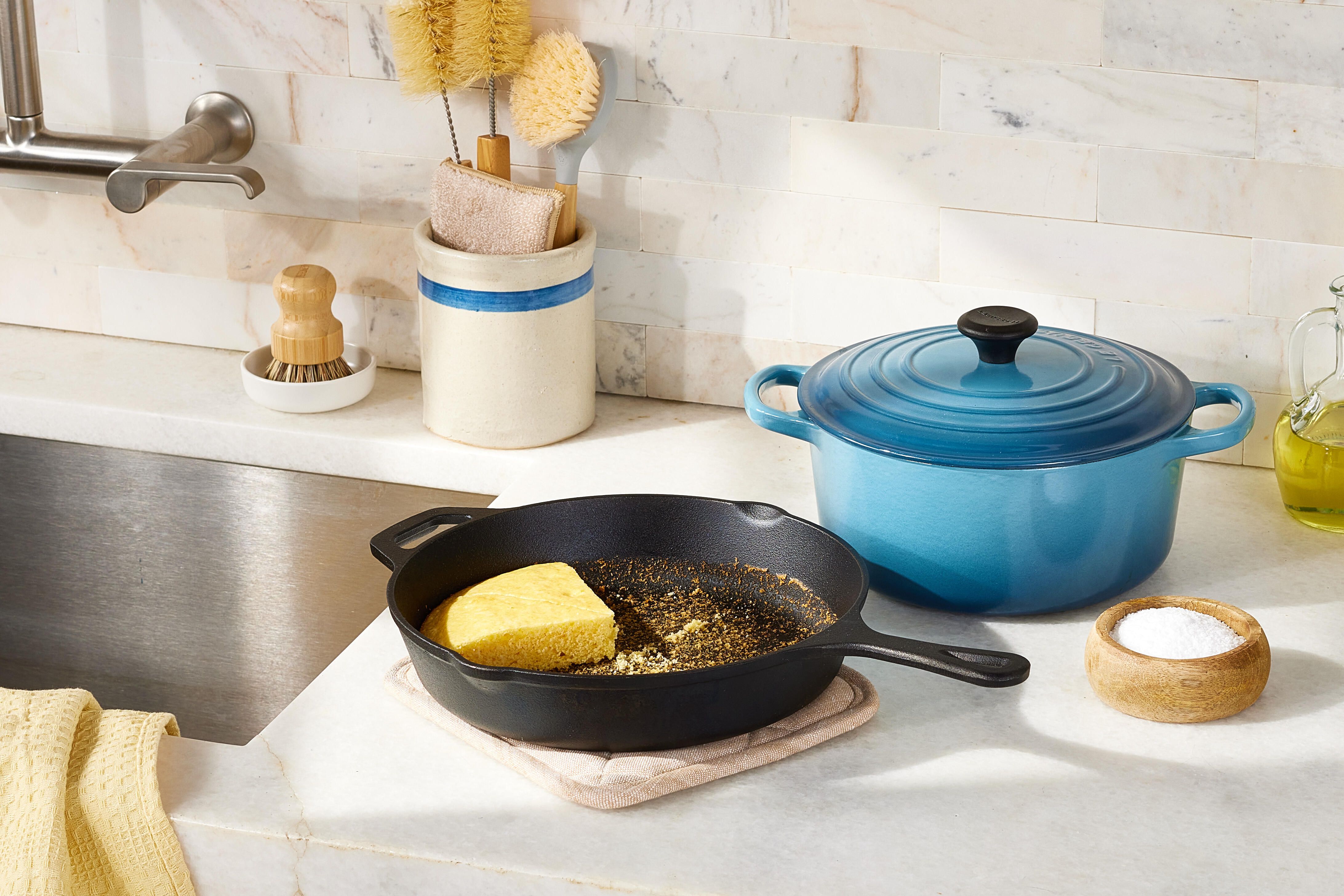
Cast iron is the cockroach of cookware: it survives almost anything, gets better with age, and will probably outlive your next three phones. But it does have one dramatic weaknesswater. Treat your skillet like a gremlin (no soaking, no “I’ll deal with it tomorrow”), and it’ll reward you with crunchy-edged cornbread, steakhouse sears, and eggs that don’t cling like they’re paying rent.
This guide breaks down exactly how to clean a cast-iron skillet so it lasts foreverwithout weird myths, panic, or a ceremonial chanting circle. You’ll learn the daily routine, how to handle stuck-on messes, what to do about rust, and how to reseason when your pan is acting… emotionally.
First, What “Seasoning” Actually Is (And Why Cleaning Won’t Ruin It)
Seasoning isn’t leftover grease. It’s a thin, hard layer of polymerized oiloil that’s bonded to the metal after heat transforms it into a protective, semi-nonstick coating. Think of it like a rain jacket for iron: it helps prevent rust and makes cooking smoother over time.
The big takeaway: normal cleaning doesn’t “strip” seasoning. What damages cast iron is usually one of these three things:
- Extended moisture (soaking, air-drying, dishwasher life choices)
- Harsh abrasion (grinding the surface down repeatedly)
- Too much oil left behind (sticky, gummy buildup instead of a clean, hard finish)
The Forever Rules (Put These on a Sticky Note)
- Clean it soon. The longer food sits, the more it bonds like a dramatic TV couple.
- Keep it dry. Water is the villain. Moisture + iron = rust.
- Use thin oil, not a “spa treatment.” A whisper of oil protects; a puddle turns sticky.
- Heat is your finishing move. A short warm-up after cleaning evaporates moisture and sets a micro-layer of seasoning.
The Best Daily Cleaning Routine (5 Minutes, No Stress)
This is the routine for a well-seasoned skillet after everyday cooking: sautéed veggies, chicken thighs, pancakes, grilled cheese, you name it.
Step 1: Let It Cool Slightly (Warm Is GreatMolten Lava Is Not)
Cleaning is easiest when the pan is still warm, because residue loosens faster. But don’t run a blazing-hot skillet under cold water unless you enjoy the sound of thermal shock and regret.
Step 2: Rinse With Warm Water and Scrub Gently
Use warm water and a non-scratch brush or sponge. For most meals, that’s enough. If you need it, use a small amount of mild dish soapespecially if you cooked something greasy or funky-smelling.
Reality check: Modern dish soap is designed to lift oils from food. It’s not the old lye-heavy soap that could chew through seasoning back in the “churn butter by candlelight” era. If your seasoning is solid, mild soap won’t erase it.
Step 3: Dry Like You Mean It
Dry the skillet with a towel, then take it one step further: place it on a burner over low heat for 1–3 minutes until it’s fully dry. This drives off the sneaky moisture that loves hiding in pores and corners.
Step 4: Add a “Micro-Season” (Optional, but Magical)
When the pan is dry and still warm, add ½ teaspoon of a neutral oil (canola, grapeseed, avocadoanything with a decent smoke point). Rub it over the cooking surface (and lightly over the outside if it’s looking dry). Then buff it out until the pan looks almost dry. No shine. No slick. Just a satiny glow like it moisturized and drank water.
Heat for another 30–60 seconds, then turn off the burner and let it cool. That’s ityour skillet just leveled up.
Stuck-On Food? Here’s the “Escalation Ladder”
Sometimes dinner leaves evidence. If your pan has bits stuck like they’re filing for residency, don’t go straight to power tools. Use this ladder from gentle to strong:
Level 1: The Warm-Water + Brush Reset
Pour a little warm water into the pan and scrub with a stiff brush. Often, that’s all it takes.
Level 2: Kosher Salt Scrub (The Cast-Iron Classic)
Pour 1–2 tablespoons of coarse kosher salt into the pan. Add a splash of water to make a gritty paste, then scrub with a folded paper towel or cloth. Salt is abrasive enough to lift residue but gentle enough for seasoning.
Level 3: Boil a Little Water (A.k.a. “Steam Therapy for Burnt Bits”)
Add a little water (just enough to cover the bottom), bring it to a simmer for a minute or two, and scrape gently with a wooden spatula. This loosens stuck food without turning your skillet into a soak bucket.
Level 4: Chainmail Scrubber (For When You Mean Business)
A chainmail scrubber is the “biceps” optiongreat for crusty buildup, especially if you cook with sugary sauces or sear frequently. Use it with water, scrub, rinse, then follow the dry-and-oil routine. It’s tough on debris and generally friendly to good seasoning when used reasonably.
Level 5: The Nuclear Option (Rare)
If your pan is heavily neglected, sticky all over, or rusted, jump to the restoration section below. You don’t need to punish a normal panjust reset it.
Soap on Cast Iron: When It’s Helpful (And When It’s Not Necessary)
Here’s the balanced truth: you can use mild soap, but you don’t always need to.
- Use soap if the pan feels greasy, smells like last week’s fish, or has buildup that water alone won’t remove.
- Skip soap if the pan cleaned up easily with water and brushingand you want to preserve the fresh oil layer from cooking.
The key is what happens after: dry thoroughly, then apply a very thin coat of oil. That’s how you keep seasoning strong and rust away.
What Not to Do (Unless You Enjoy Cast-Iron Drama)
- Don’t soak it. A quick rinse is fine. Leaving it underwater is basically sending rust an invitation.
- Don’t air-dry. “It’ll dry on the rack” is how orange freckles happen.
- Don’t use the dishwasher. The combination of water, detergent, and long cycles is a seasoning nightmare.
- Don’t store food in it. Especially acidic foods like tomato sauceshort cooks are usually okay, but overnight storage can weaken seasoning and invite metallic flavors.
- Don’t over-oil. If your pan feels sticky, that’s not “extra protected.” That’s “you used too much.”
Common Cast-Iron Problems (And the Fix That Actually Works)
Problem: Rust Spots
Fix: Scrub rust with fine steel wool or a firm scrubber until you hit clean metal. Wash with warm water (a little soap is fine here), dry completely, then reseason (see below). If rust is heavy, a short vinegar-and-water soak can helpjust don’t forget that vinegar is acidic, so you don’t want to leave it too long.
Problem: Sticky or Gummy Surface
Cause: Too much oil that never fully polymerized (usually from “I’ll just leave a nice layer on it” optimism).
Fix: Wash the pan with warm water and a little soap, scrub lightly, dry, then heat the pan empty for a minute. Add the tiniest amount of oil and buff until it looks nearly dry. If it’s extremely gummy, you may need a full reseason.
Problem: Flaking Seasoning
Cause: Thick layers of seasoning can flake, especially if built up unevenly.
Fix: Scrub off loose bits, wash, dry, then do a full oven reseason with thin coats. Thin layers bond better and flake less.
Problem: Food Suddenly Sticks More Than Usual
Fix: Do a “reset cook”: after cleaning, oil lightly and cook something fatty (like pan-fried potatoes) to rebuild smooth seasoning. Cast iron often improves through useespecially with oil and heat.
How to Reseason a Cast-Iron Skillet (Quick Method + Full Reset)
If your pan is dull, rust-prone, sticky, or just went through a rough patch, reseasoning restores the protective layer.
Quick Stovetop Reseason (Good for Maintenance)
- Wash and dry the skillet completely.
- Warm it on low heat for 2 minutes.
- Add a small amount of neutral oil and rub over the surface.
- Buff like crazy until the pan looks almost dry.
- Heat on low-to-medium until you see the faintest wisp of smoke, then turn off heat and cool.
Full Oven Reseason (Best for Rust, Flaking, or Major Reset)
- Clean thoroughly. Remove rust or residue as needed, then wash and dry completely.
- Oil in a thin coat. Rub oil over every surfaceinside, outside, handlethen buff until it looks nearly dry.
- Bake upside down. Place the skillet upside down on the oven rack. Put foil on a lower rack to catch drips.
- Heat for about an hour. Many guides recommend a hot oven (often in the 350°F–500°F range depending on method). The consistent rule: thin oil + enough heat + enough time to polymerize.
- Cool in the oven. Turn off heat and let it cool down gradually.
- Repeat if needed. Two to four thin rounds builds a stronger base than one thick coat.
Oil choice tip: Neutral oils are popular because they polymerize predictably. Whatever you pick, the “thin coat, buff dry” part matters more than the brand on the bottle.
Storage: How to Put It Away Without Inviting Rust
- Store the pan in a dry place.
- If stacking pans, place a paper towel or pan protector between them to absorb moisture and protect seasoning.
- Don’t store the skillet with the lid sealed tight if there’s any moisture around. Cast iron prefers airflow.
Cast-Iron Cleaning Cheat Sheet
If you only remember one thing, make it this:
- Rinse + scrub (warm water, brush; mild soap if needed)
- Dry fully (towel + warm burner)
- Oil thin (buff until nearly dry)
- Heat briefly (sets it, prevents rust)
Final Thoughts: The Goal Isn’t PerfectionIt’s Momentum
A cast-iron skillet lasts forever because it’s maintained foreverbut “maintenance” doesn’t mean a complicated ritual. It means small habits that prevent rust and keep seasoning healthy. If your skillet looks a little uneven, that’s normal. If it’s darkening over time, that’s a victory. And if you messed it up? Congratulations: you now own one of the few kitchen tools that truly forgives and forgets.
Extra: of Real-World Cast-Iron Experiences (So You Don’t Learn the Hard Way)
Most people don’t ruin cast iron with one dramatic mistake. They ruin it with tiny, innocent decisions that feel reasonable in the momentlike “I’ll just let it soak while I eat,” or “I’ll wash it later,” or the classic, “It’s basically dry.” Here are the most common cast-iron life lessons home cooks share after they’ve been humbled by a skillet.
Lesson #1: ‘I’ll deal with it tomorrow’ is how rust gets a job. Cast iron is patient, but moisture is faster. Leaving a pan in the sink overnightespecially with a little water pooled in itcan create rust spots that look like freckles you definitely didn’t ask for. The good news is rust is fixable. The annoying news is you could’ve avoided it with one minute of drying and a quick warm-up on the burner.
Lesson #2: Too much oil is worse than not enough. A lot of beginners assume seasoning means leaving a visible oily sheen. Then the pan cools and turns tacky, like it was licked by a caramel apple. The “aha” moment is realizing seasoning works best when oil is applied thin and buffed until the surface looks almost dry. If you can see thick shine, you probably used too much. Cast iron likes a whisper, not a monologue.
Lesson #3: Soap isn’t the monsterneglect is. Plenty of people grow up hearing “never use soap,” so they avoid it even when the pan is greasy or smells off. That often leads to buildup and off flavors. The practical approach many cooks land on is simple: use mild soap when you need it, rinse well, dry thoroughly, and do a quick oil buff. A clean pan with solid seasoning beats a grimy pan with superstition.
Lesson #4: The first egg is a liar. Someone finally seasons their pan, tries eggs the next morning, and the eggs stick. Panic ensues. But cast iron is a relationship: it improves through repetition. Cooking a few fatty foods firstpotatoes, bacon, smash burgers, cornbreadoften helps build a smoother surface. Also, heat control matters. A ripping hot pan can make eggs cling; a properly preheated pan with enough fat is where the magic happens.
Lesson #5: Your skillet doesn’t need babying; it needs consistency. People who love cast iron the most tend to have the simplest routines: clean shortly after cooking, dry completely, oil lightly, heat briefly. That’s it. No guilt if the seasoning isn’t perfectly uniform. No panic if you cooked tomatoes for 20 minutes. The pan isn’t fragileit’s just allergic to being left wet and forgotten.
If you want cast iron to last forever, the secret isn’t a fancy product or a perfect method. It’s building a rhythm you’ll actually keepbecause the best cast-iron care routine is the one you’ll do on a Tuesday night when you’re tired and the sink is judging you.