

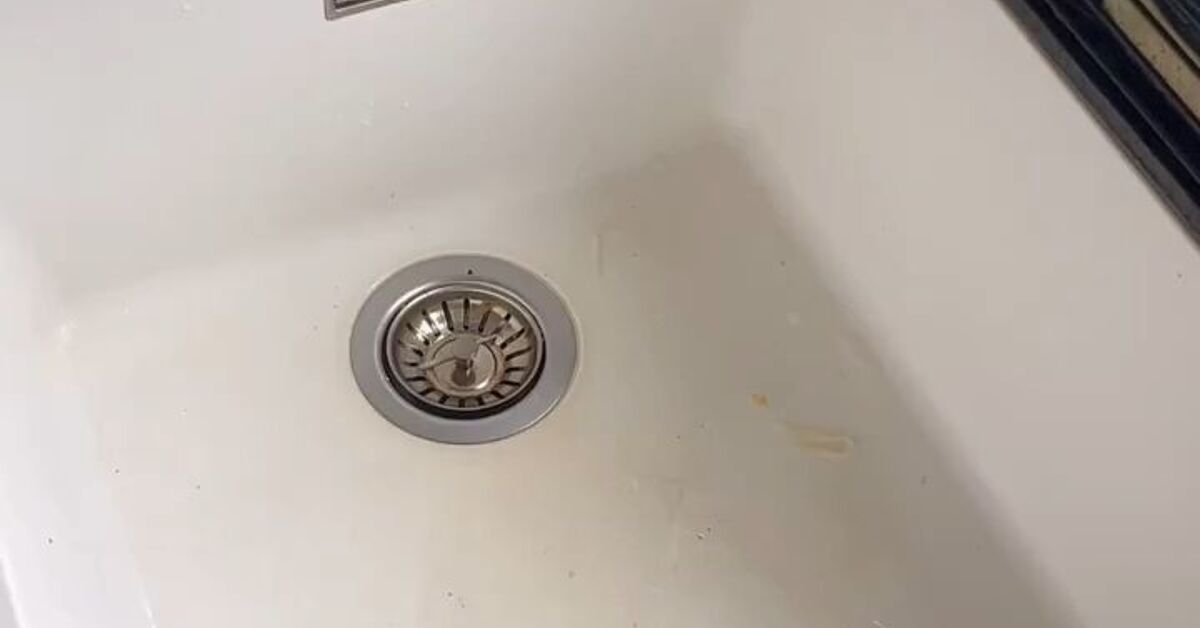
A white sink beside gleaming quartz countertops can make a kitchen look bright, spacious, and suspiciously organized. Unfortunately, white surfaces also have a talent for displaying every coffee splash, tomato-sauce fingerprint, hard-water ring, and mysterious gray streak.
The good news is that most of these marks are removable. The secret is not stronger scrubbing; it is choosing a cleaning method that matches the material. Quartz countertops contain resins that can be dulled by abrasives or damaged by harsh chemicals, while a white sink might be porcelain, enameled cast iron, fireclay, solid surface, or quartz composite. One heroic cleaning cocktail cannot safely rule them all.
This guide explains how to clean a white sink and quartz countertops using gentle everyday methods, material-specific stain treatments, and a realistic maintenance routine.
Identify Your White Sink Before Cleaning It
Begin by checking the sink manufacturer’s paperwork, model number, or product page. If that information has vanished into the same dimension as missing food-storage lids, examine the surface carefully.
- Porcelain or vitreous china: Smooth, glossy, and common in bathrooms. It may chip and reveal a different material underneath.
- Enameled cast iron: Heavy, glossy, and often found in traditional kitchens. Gray lines may be metal transfer rather than scratches.
- Fireclay: A durable, glazed ceramic material frequently used for farmhouse sinks.
- Quartz or granite composite: Usually has a slightly textured, stone-like appearance and contains mineral particles bound with resin.
- Solid surface: Has a consistent color and a softer, more uniform appearance than glazed ceramic.
If you are unsure, start with warm water, mild dish soap, and a soft microfiber cloth. This is the safest general cleaning method for most white sinks and engineered quartz countertops. Test any stronger treatment in an inconspicuous spot first.
Supplies You Will Need
- Mild, nonabrasive dishwashing liquid
- Warm water
- Two or three clean microfiber cloths
- A soft, non-scratch sponge
- A soft toothbrush for seams and faucet bases
- A plastic scraper or plastic putty knife
- A manufacturer-approved quartz or sink cleaner
- Optional 70% isopropyl alcohol for approved quartz stain treatment
- Optional baking soda or hydrogen peroxide for compatible porcelain surfaces
- Rubber gloves
Avoid steel wool, wire brushes, metal scrapers, rough scouring pads, and gritty powders unless the sink manufacturer specifically approves them. Even products marketed as “natural” can be abrasive or chemically unsuitable for quartz.
How to Clean a White Sink Every Day
Step 1: Remove Debris
Take out the drain strainer, sink rack, dishes, and food scraps. Rinse away loose residue with warmnot necessarily boilingwater. Removing grit first prevents it from being dragged across the finish like tiny pieces of sandpaper.
Step 2: Wash With Mild Dish Soap
Apply a few drops of mild dish soap to a damp microfiber cloth or soft sponge. Wipe the basin, rim, drain area, and corners using gentle circular motions. Give extra attention to the flat bottom of the sink, where coffee, grease, and standing water tend to gather for a small convention.
Step 3: Clean Around Fixtures
Use a soft toothbrush to loosen residue around the faucet base, drain flange, caulk line, and overflow opening. Do not aggressively scrub caulk or grout, because damaged seals can allow water to enter the cabinet or countertop joint.
Step 4: Rinse Thoroughly
Rinse until no soap remains. This step matters more than it appears: leftover detergent can dry into a cloudy film that makes a white sink look dingy even when it is technically clean.
Step 5: Dry the Sink
Dry the basin with a clean microfiber cloth. Frequent drying helps prevent hard-water deposits, especially around the drain and faucet. It also produces the satisfying shine that makes the previous five minutes feel unusually productive.
How to Deep-Clean Different White Sink Materials
Porcelain and Vitreous China
For ordinary soil, stay with dish soap and a soft cloth. If compatible with the manufacturer’s instructions, a damp sponge lightly sprinkled with baking soda can help lift discoloration. Use minimal pressure because baking soda is mildly abrasive.
Some porcelain stains respond to 3% hydrogen peroxide. Place peroxide-dampened white paper towels over the affected area, allow a short contact period, and then rinse thoroughly. Never combine hydrogen peroxide with bleach, vinegar, or other cleaners.
Dark lines in a porcelain or enameled sink may be marks deposited by aluminum cookware rather than cracks. A cleaner specifically approved for vitreous china or enameled cast iron is safer than attacking them with a metal scrubber.
Enameled Cast-Iron Sinks
Use a soft cloth, mild detergent, and a cleaner approved for enameled cast iron. Pot marks can often be gently rubbed away with the manufacturer’s recommended product. Do not use steel wool, wire brushes, or aggressive scouring powders; they can scratch or dull the fired enamel.
If the surface is chipped and the underlying iron has begun to rust, cleaning alone will not permanently solve the problem. The damaged area may need an enamel repair product or professional restoration.
Fireclay Sinks
Fireclay is nonporous and relatively easy to maintain. Wash it with dish soap and a non-scratch sponge, rinse, and dry. Certain manufacturers permit a 50/50 solution of white vinegar and water for mineral buildup, but verify that advice for your model before using it.
Limit contact time, rinse well, and keep vinegar away from acid-sensitive natural stone surrounding the sink. Fireclay is durable, but its glaze can still be damaged by hard impacts or harsh abrasives.
Quartz or Granite Composite Sinks
Use mild detergent, warm water, and a soft cloth for daily cleaning. Composite sinks can develop pale mineral deposits or darker food stains, depending on their color. Some manufacturers recommend diluted vinegar for major grime, while others prefer a branded composite-sink cleaner.
Do not assume that a method approved for one composite formula is safe for every brand. Avoid prolonged chemical soaking, abrasive pads, drain cleaner splashes, and undiluted bleach unless your care guide explicitly permits them.
How to Clean Quartz Countertops Safely
Engineered quartz is nonabsorbent and does not generally require sealing, polishing, or reconditioning. It is highly stain-resistant, but the resin binding its mineral content can react badly to excessive heat, concentrated bleach, strong solvents, high-pH chemicals, and abrasive scrubbing.
Routine Quartz Countertop Cleaning
- Remove crumbs with a clean, dry microfiber cloth.
- Add a small amount of mild dish soap to warm water.
- Wipe the counter using a soft cloth or nonabrasive sponge.
- Use a separate damp cloth to remove all detergent.
- Dry and buff the surface with clean microfiber.
Work in manageable sections so dirty water is not spread across the entire counter. Rinsing is essential because soap buildup is a common cause of cloudy-looking quartz.
Removing Grease and Cooking Film
Place a warm, damp cloth over greasy residue for several minutes. Wipe with diluted dish soap or a nonabrasive degreaser approved by the quartz manufacturer. Rinse with clean water and dry immediately.
Avoid oil-based soaps or countertop polishes. They can leave a film that attracts fingerprints and makes the surface appear unevenly shiny.
Removing Dried Food or Sticky Residue
Soften dried material with a damp towel. Hold a plastic scraper at a low angle and gently lift the residue without digging into the surface. Follow with soap and water. Never substitute a razor blade or metal putty knife unless the countertop manufacturer specifically authorizes it.
Treating Coffee, Wine, Tomato, and Turmeric Marks
Blot colorful spills promptly. Clean the area with mild dish soap, rinse, and dry. If discoloration remains, use a stain remover listed in your quartz brand’s care guide.
Some manufacturers permit brief spot treatment with 70% isopropyl alcohol. Apply it to a soft cloth rather than flooding the countertop, gently dab the mark, and promptly wipe the area with clean water. Other manufacturers have different chemical restrictions, so brand-specific directions take priority.
Removing Ink or Dye
Ink and hair-dye marks should be handled quickly. When permitted by the manufacturer, lightly dab the stain with isopropyl alcohol on a white cloth. Work from the outside toward the center so the pigment does not spread. Rinse completely and dry.
Do not use paint thinner, acetone, or adhesive remover without explicit manufacturer approval. These solvents may alter the resin or finish.
Handling Hard-Water Spots
First remove soap residue with warm water and dry the area. If a chalky deposit remains, consult the quartz manufacturer’s recommendations. Certain brands approve specific limescale removers or diluted vinegar, while others advise avoiding acidic products.
This variation is why a viral cleaning recipe is not a warranty document. Use a quartz-approved mineral-deposit cleaner, respect its contact time, rinse thoroughly, and dry the counter.
Clean the Sink-to-Countertop Joint
The narrow seam around an undermount sink collects crumbs, grease, soap, and water. Wipe it daily with a damp microfiber cloth. For buildup, use mild soapy water and a soft toothbrush, moving parallel to the seam instead of jabbing at the sealant.
Dry the joint afterward. If the caulk is split, loose, moldy beneath the surface, or pulling away from the sink, replace it rather than repeatedly scrubbing it. Failed sealant is a repair issue, not a challenge to purchase a more dramatic brush.
Products and Methods to Avoid
- Concentrated bleach: It can discolor quartz resin and damage some sink finishes.
- Oven or drain cleaners: These highly caustic products can harm quartz and nearby fixtures.
- Steel wool and rough pads: They can scratch, dull, or leave metal residue.
- Abrasive powders and gritty pastes: Repeated use may change the surface sheen.
- Metal blades: Use an approved plastic scraper instead.
- Direct high heat: Quartz can scorch or yellow, so use trivets and heat-resistant pads.
- Countertop polish or sealer: Engineered quartz normally requires neither.
- Unverified internet mixtures: Vinegar, lemon juice, baking soda, and bleach are not universally safe simply because they live in ordinary cabinets.
A Practical Cleaning Schedule
| Frequency | White Sink | Quartz Countertops |
|---|---|---|
| After use | Rinse away food, coffee, toothpaste, or soap. | Blot colored or oily spills promptly. |
| Daily | Wash with mild soap, rinse, and dry. | Wipe with soapy water, rinse, and buff dry. |
| Weekly | Clean the drain, faucet base, rack, and seams. | Remove grease film and inspect sink joints. |
| As needed | Use a material-approved stain treatment. | Spot-treat marks according to the brand’s care guide. |
Real-World Cleaning Experiences and Lessons
The following scenarios reflect recurring experiences homeowners encounter with white sinks and quartz countertops. The most important lesson is surprisingly consistent: patient, low-intensity cleaning usually works better than one furious round of scrubbing.
Experience 1: The Tomato-Sauce Ring That Looked Permanent
A common kitchen mishap begins with a warm saucepan placed beside the sink. A thin ring of tomato sauce remains on the white quartz until the next morning, when it looks far more serious than it did after dinner.
The useful response is to start small. A microfiber cloth, warm water, and a few drops of dish soap often remove the oily layer surrounding the mark. Rinsing reveals whether actual discoloration remains. If it does, a countertop-brand-approved stain cleaner can be applied briefly and wiped away.
The mistake is escalating immediately to bleach or an abrasive powder. That might trade one red spot for a permanently dull patch. Cleaning in stages preserves both the finish and one’s blood pressure.
Experience 2: Gray “Scratches” in a White Sink
After washing an aluminum roasting pan, gray lines may appear across an enameled cast-iron or porcelain sink. They look like scratches, leading many people to scrub harder. In numerous cases, however, the sink is harder than the pan, and the lines are metal transferred onto the glaze.
A soft cloth and a cleaner approved for that sink material can lift the marks with gentle rubbing. Once the transfer disappears, what seemed like permanent damage turns out to have been cookware leaving its autograph.
A sink grid can reduce future pot marks and protect the basin from dropped pans. It still needs to be removed and cleaned regularly because food residue and water can collect beneath it.
Experience 3: The Quartz Countertop That Suddenly Looked Cloudy
Cloudiness is often blamed on damaged quartz, but the culprit may be layers of dish soap, spray cleaner, cooking oil, or polish. Adding more product only builds a more impressive film.
The effective approach is several passes with clean, warm water and fresh microfiber cloths. One cloth loosens residue, another removes it, and a dry one buffs the surface. If the sheen returns evenly, buildupnot damagewas the problem.
When a cloudy patch remains in one specific area after thorough rinsing, consider chemical or abrasive damage. A countertop fabricator can evaluate it, but ordinary cleaning cannot restore resin altered by strong chemicals.
Experience 4: Hard Water That Returned Overnight
In hard-water areas, white crust may repeatedly form around the faucet, drain, and sink-to-counter seam. Removing the deposit without changing the routine provides only temporary victory.
Drying the sink and countertop after the final evening use makes a noticeable difference. Fixing a dripping faucet also prevents a constant supply of new mineral residue. For existing buildup, use only a descaling method approved for the specific sink and quartz brand.
This experience demonstrates that prevention is often the fastest deep-cleaning technique. Thirty seconds with a dry cloth each night can save a much longer argument with a mineral ring on Saturday.
Final Thoughts
To clean a white sink and quartz countertops without damaging them, begin with the gentlest effective combination: warm water, mild dish soap, microfiber, thorough rinsing, and complete drying. Identify the sink material before treating stains, and follow the countertop manufacturer’s rules before using alcohol, vinegar, peroxide, bleach-containing products, or specialty cleaners.
White surfaces are not necessarily high maintenance; they are simply enthusiastic reporters. Clean spills early, protect quartz from hot cookware, avoid abrasive tools, and keep the sink joint dry. With those habits, the kitchen can stay bright without requiring a chemistry experiment every weekend.
Research Note
This guide synthesizes current care and safety guidance from Cambria, Caesarstone, MSI Surfaces, Cosentino, Kohler, Elkay, Sterling, Better Homes & Gardens, The Spruce, Martha Stewart, Good Housekeeping, Consumer Reports, the U.S. Environmental Protection Agency, and Clorox safety guidance. Product formulas and warranty rules vary, so the care manual for the installed surface remains the final authority.