

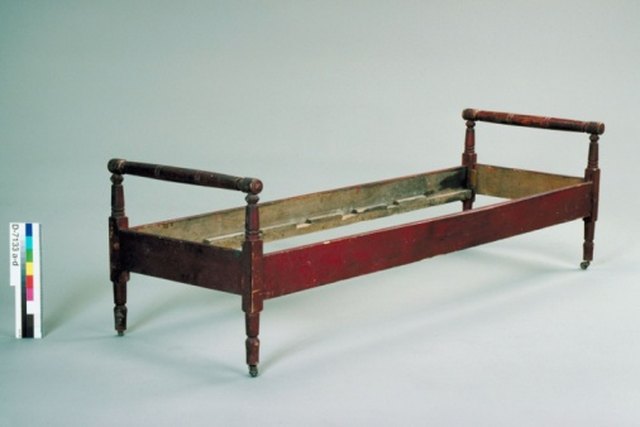
A spare bed is useful when guests arrive, but for the other 360-ish days of the year, it can occuply to your collection of unfolded laundry. Converting that bed into a couch gives the room a daytime purpose without sacrificing its ability to host overnight visitors.
The transformation can be surprisingly simple. Position the bed correctly, hide traditional bedding, add substantial back support, and style the surrounding area like a living space. The result is essentially a homemade daybed: comfortable enough for reading, streaming, working, or pretending you did not hear someone ask for help carrying groceries.
Daybeds, twin beds, and sofa-like sleeping platforms often share similar dimensions and functions. Interior-design and home-improvement guidance consistently emphasizes supportive cushions, durable mattress foundations, multipurpose storage, and a visually tidy cover as the keys to making the arrangement work. an Any Bed Be Converted Into a Couch?
Almost any stationary bed can serve as occasional seating, but some beds make much better couch candidates than others. Before buying a mountain of throw pillows, inspect the bed’s size, height, frame, mattress, and location.
Twin beds are the easiest option
A standard twin bed is generally the best choice because its narrow width creates a deep but manageable sofa seat. When placed lengthwise against a wall, it already resembles a daybed. Add a row of thick back cushions, and the sitting depth becomes much closer to that of an ordinary couch.
A twin XL can also work, especially for taller sleepers. Its extra length simply creates a longer couch. This may be perfect beneath a wide window or along a home-office wall.
Full and queen beds require more planning
A full or queen mattress is much deeper than a normal sofa seat. Without enough back padding, people will either sit with their legs stretched straight ahead or slowly disappear into the gap behind the cushions.
You can still convert a larger bed by using oversized backrest pillows, firm foam wedges, or a freestanding false back positioned several inches in front of the wall. A queen bed may function more like an oversized lounge or movie-day nest than a formal couch, but that is not necessarily a tragedy.
Check the mattress and frame
Make sure the frame is stable enough for people to sit repeatedly along its front edge. Tighten bolts, inspect slats, and confirm that center supports are secure. A platform frame with evenly spaced slats is usually more practical than a lightweight folding frame.
The mattress should also have reasonably strong edge support. Mattresses that collapse dramatically when someone sits near the perimeter can feel unstable and may wear out faster in couch mode. Hybrid and innerspring mattresses often have firmer edges than very soft all-foam models, although construction varies by product. aterials You May Need
A basic no-build conversion does not require power tools or a television contractor who mysteriously disappears halfway through the job. Gather the following items according to your preferred design:
- A fitted sheet, tailored daybed cover, mattress cover, or washable slipcover
- Two to four large Euro pillows or firm back cushions
- One or two lumbar pillows
- Bolster pillows or firm cushions for the ends
- A throw blanket
- Non-slip rug pads or cushion-grip material
- Under-bed baskets, drawers, or storage containers
- An optional upholstered wall panel, headboard, or DIY backrest
- An optional bed skirt for hiding the frame and stored items
Choose removable, washable covers whenever possible. A couch receives more daytime traffic than a guest bed, including snacks, shoes, pets, children, coffee, and that one pen that always leaks despite your unwavering faith in it.
How to Convert a Twin Bed to a Couch
Step 1: Position the bed lengthwise against a wall
Move the bed so one long side sits parallel to a solid wall. The wall becomes the foundation for your back cushions and immediately changes how the furniture reads visually. Instead of seeing a bed that projects into the room, you see a long seating surface.
Leave a tiny gap if needed for baseboards, outlets, or curtain movement, but avoid a large opening where pillows can vanish. Make sure the bed does not block a doorway, heating vent, radiator, or emergency exit.
If the frame slides on hard flooring, place rubber furniture cups beneath the legs or use a nonslip pad. Do not rely on the wall to stop an unstable frame from moving.
Step 2: Remove obvious bedroom bedding
A tall stack of sleeping pillows and a puffy comforter will continue announcing, “Hello, I am definitely a bed.” Store conventional bedding in an under-bed drawer, storage bench, closet basket, or lidded container during the day.
Cover the mattress with a fitted sheet in a durable neutral fabric, a tightly tucked coverlet, or a tailored daybed cover. Smooth the surface and tuck excess material beneath the mattress. A neat, structured cover produces a seat-cushion effect, while loose bedding tends to look unfinished.
Home-design guides commonly recommend tightly fitted covers and neatly arranged pillows when styling a daybed as living-room seating. tep 3: Build a supportive cushion wall
Arrange two or three large, firm pillows along the wall. Euro pillows are useful because their square shape creates height and fills more space than standard sleeping pillows. For a longer bed, use three or four matching cushions.
Place firmer foam inserts inside the covers rather than soft down-only inserts. The cushions should support a person’s back instead of flattening into decorative pancakes after ten minutes.
Add one or two lumbar pillows in front of the larger cushions. This layered arrangement shortens the effective seat depth and supports the lower back. Apartment Therapy, Better Homes & Gardens, and Wayfair all recommend combining large back pillows with smaller lumbar or decorative cushions to create a more convincing sofa profile. tep 4: Create armrests at both ends
If the bed already has a headboard and footboard of similar height, they can visually function as couch arms. Pad hard surfaces with bolster pillows or rectangular cushions.
For a bed without end panels, place a firm bolster, wedge pillow, or oversized square pillow at each end. You can also use upholstered storage cubes beside the mattress, provided they are stable and do not create awkward gaps.
Keep end cushions proportional. Tiny decorative pillows placed on a twin mattress look less like armrests and more like two potatoes waiting for instructions.
Step 5: Add living-room accessories
Place a small side table or C-table next to the converted bed. Add a reading lamp, coaster, book, or plant. A rug beneath the front legs helps define the area as a seating zone, while framed artwork above the bed reinforces the couch-like arrangement.
Drape one throw blanket casually across an end rather than covering the entire mattress. The goal is “comfortable lounge,” not “someone woke up late and abandoned the scene.”
Soft lighting, layered textiles, and a nearby table can turn a basic daybed arrangement into a purposeful reading or relaxation corner. ow to Convert a Full or Queen Bed to a Couch
The same principles apply to a larger bed, but the excessive seat depth must be reduced. Large mattresses work best for casual lounging areas, media rooms, finished basements, studio apartments, and guest rooms that double as offices.
Use two layers of back cushions
Start with a rear row of dense foam wedges or oversized backrest pillows. Add a second row of softer Euro or lumbar cushions in front. Together, these layers move the sitting position forward and allow users to place their feet comfortably on the floor.
To prevent sliding, place nonslip rug material beneath the rear cushions. You can also attach removable hook-and-loop strips to cushion covers and an upholstered back panel, but avoid applying adhesives directly to painted walls or valuable fabric.
Build a false back
For a more permanent conversion, construct a freestanding backrest from plywood, upholstery foam, batting, and durable fabric. The panel can be supported by triangular wooden braces or attached securely to wall studs. It should never depend on a few decorative nails or drywall anchors intended for lightweight pictures.
Another rental-friendly option is to place a narrow, sturdy console or low shelving unit between the bed and wall. Cushion the front-facing side and confirm that the unit cannot tip. Anchor tall or top-heavy furniture according to the manufacturer’s instructions.
Embrace the lounge look
A queen bed may never resemble a conventional three-seat sofa, and forcing the illusion can make the room feel crowded. Instead, style it as an oversized daybed or low lounge. Use a restrained color palette, substantial pillows, and a large rug to make the depth appear intentional.
Optional DIY Upgrades
Add furniture legs to a mattress foundation
A simple mattress foundation or sturdy platform can be elevated with properly rated furniture legs, creating a streamlined midcentury-style daybed. The legs must attach to structural wood, not thin fabric or flimsy backing. Bob Vila highlights this approach as a straightforward way to repurpose a twin mattress into a daybed. nstall an upholstered wall panel
An upholstered panel creates a soft backrest while making the conversion appear custom-built. Wrap plywood with upholstery foam and batting, cover it with fabric, and mount it to studs using a secure cleat system. Choose a panel wide enough to extend nearly the full length of the bed.
For a no-drill alternative, use several lightweight upholstered headboard panels designed for removable mounting. Verify the mounting system’s weight limits before leaning against the panels.
Use under-bed storage
Store sheets, pillows, and guest blankets beneath the converted couch. Matching baskets make open frames look organized, while a bed skirt can conceal less glamorous plastic containers. Purpose-built daybeds frequently combine seating, sleeping, and drawers because hidden storage makes daily conversion much easier. ow to Make the Converted Couch Comfortable
Comfort depends on more than adding decorative pillows until the mattress is no longer visible. Sit on the finished arrangement and check the following:
- Your lower back should contact a supportive cushion.
- Your feet should reach the floor or rest comfortably on an ottoman.
- The mattress edge should not collapse or tilt forward.
- The back pillows should stay upright when you move.
- Hard headboards and footboards should be padded where arms or shoulders may touch.
- The frame should remain silent and stable when several people sit down.
If the seat is too high, remove a box spring or replace it with a compatible low-profile foundation only if the mattress and frame manufacturer permit it. If the seat is too low, use a structurally appropriate platform rather than balancing the bed on improvised blocks.
Common Bed-to-Couch Conversion Mistakes
Using only ordinary sleeping pillows
Sleeping pillows are designed to support a reclining head, not an upright adult. They compress quickly and leave too much space behind the sitter. Use firm Euro inserts, foam wedges, or purpose-made backrest cushions for the main support layer.
Ignoring mattress protection
Daily sitting places concentrated pressure on the mattress edge. Add a washable protector beneath the decorative cover and rotate the mattress periodically when the manufacturer recommends rotation.
Choosing a loose, slippery cover
A silky flat sheet may look acceptable for four minutes. Then it wrinkles, slides, and attempts to follow the first person who stands up. Use fitted, textured, or tightly tucked material.
Adding too many tiny pillows
Small pillows provide color but little structural support. Establish comfort with large cushions first, then add one or two decorative accents. The couch should still have somewhere for a human to sit.
Forgetting nighttime storage
Plan where the daytime cushions will go when someone sleeps on the bed. A storage bench, empty closet shelf, or large basket prevents the overnight guest from waking up inside a decorative pillow fortress.
A Fast Daily Sofa-to-Bed Routine
- Move decorative cushions into a nearby basket or storage bench.
- Remove the tailored daytime cover if it is separate from the fitted sheet.
- Retrieve sleeping pillows and folded bedding from under-bed storage.
- Make the bed using clean linens.
- In the morning, fold and store the bedding before rebuilding the cushion wall.
Keeping every item within the same room makes the conversion practical. If the sheets live in a distant closet, the pillows are in the attic, and the blanket has somehow migrated to the car, the system will not survive real life.
Experience Notes: What Makes a Bed-to-Couch Conversion Work in Real Life
The biggest practical lesson from typical bed-to-couch projects is that visual styling matters less than back support. A freshly covered mattress with attractive pillows can photograph beautifully, yet still feel awkward after five minutes. The most successful setups begin with dense rear cushions that reduce seat depth. Decorative pillows are added afterward, once the couch is genuinely comfortable.
Twin beds consistently produce the easiest transformations. In a small home office, for example, placing a twin platform bed against the longest wall can create enough seating for two adults without overwhelming the room. Three firm Euro cushions across the back, two smaller lumbar pillows, and one bolster at each end are often sufficient. The bed remains recognizable when the cushions are removed, but during the day it reads as a deliberate lounge rather than spare furniture.
Full-size mattresses are more complicated. A common first attempt is to place three pillows against the wall and declare victory. The sitter then leans back, the pillows collapse into the gap, and everyone ends up reclining at an angle usually associated with airport delays. Adding foam wedges behind the visible pillows dramatically improves the experience. The wedges do the structural work, while the attractive outer cushions handle public relations.
Another recurring lesson involves fabric. Smooth sheets and loosely draped blankets require constant adjustment. They bunch around the sitter, expose the mattress corners, and make the room look untidy by lunchtime. Fitted covers, quilted mattress protectors, canvas slipcovers, and tightly tucked coverlets behave much better. Medium-tone fabrics are especially forgiving in homes with pets or children because they hide minor lint and everyday marks more effectively than bright white material.
Storage determines whether the conversion remains useful after the novelty fades. A design that requires carrying six cushions to another floor every night becomes annoying quickly. Under-bed drawers, an upholstered storage bench, or two large baskets make the process almost automatic. The most convenient arrangement gives every sleeping pillow, sheet, blanket, and daytime cushion a designated location within a few steps of the bed.
Height also deserves attention. Some beds combine a tall frame, box spring, and thick mattress, producing a seat that leaves shorter users with dangling feet. Others sit so low that standing up feels like escaping a beanbag. Testing the setup before purchasing accessories prevents expensive mistakes. Sit at the front edge, lean against temporary cushions, and note where your feet, knees, shoulders, and lower back naturally land.
Finally, converted beds look most convincing when the entire room supports the idea. A small rug, side table, wall art, reading lamp, and neatly folded throw tell the eye that this is a seating area. Leaving nightstands, visible bedroom linens, and a collection of sleeping pillows in place sends the opposite message. The conversion does not need to fool a furniture expert; it simply needs to feel intentional, comfortable, and easy to reverse when a guest arrives.
Conclusion
Learning how to convert a bed to a couch is mostly an exercise in smart positioning and supportive layering. Place the bed lengthwise against a wall, cover the mattress neatly, use firm cushions to create a functional backrest, and add end pillows that resemble sofa arms. Complete the look with a rug, side table, lighting, and accessible bedding storage.
A twin bed offers the most sofa-like proportions, but a full or queen bed can become an inviting lounge with foam wedges or a false back. Prioritize frame stability, mattress edge support, washable fabrics, and a conversion routine simple enough to use regularly. Done well, the project turns an underused guest bed into the hardest-working piece of furniture in the roomand possibly the most popular place for an accidental afternoon nap.
Research note: This guide synthesizes practical information from home-improvement, sleep, furniture, and interior-design resources including The Spruce, Apartment Therapy, Better Homes & Gardens, IKEA, Home Depot, Lowe’s, Bob Vila, Martha Stewart, Wayfair, Architectural Digest, Sleep Foundation, and Family Handyman.