

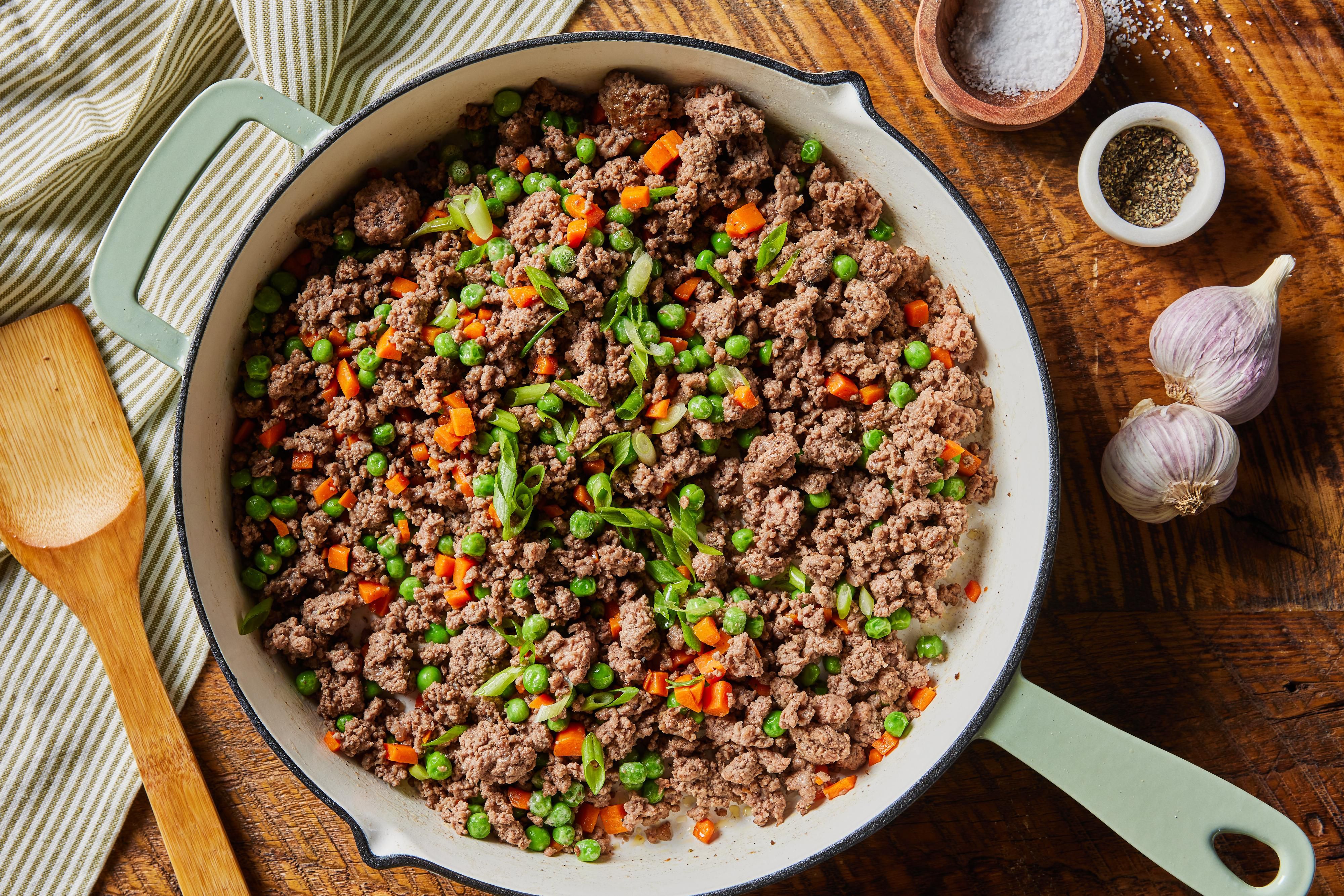
Ground beef is the weeknight overachiever of the American kitchen. It is affordable, flexible, fast, and somehow always ready to become tacos, pasta sauce, chili, meatballs, sloppy joes, stuffed peppers, rice bowls, or that “I have exactly 27 minutes and zero emotional energy” dinner. The trick is knowing how to cook ground beef the right way for the job.
If you only ever brown it in a skillet, you are not doing it wrong. You are just leaving a few good options on the table. Depending on how much beef you are cooking, how much cleanup you can tolerate, and whether your stovetop is already hosting onions, pasta, or your hopes and dreams, you may be better off using the oven or a pressure cooker instead.
In this guide, you will learn three different methods for cooking ground beef: the stovetop skillet method, the oven method, and the pressure cooker or Instant Pot method. You will also get smart tips on flavor, texture, food safety, storage, and the little mistakes that turn beautifully browned beef into gray, watery sadness.
Why Ground Beef Is Worth Learning Properly
Ground beef cooks quickly because it has a lot of surface area. That is great for speed, but it also means it can lose moisture fast, steam instead of brown, and go from juicy to dry before you can say, “Why is this pan suddenly full of liquid?” Learning the best way to brown ground beef helps you get better flavor, better texture, and much more control over the final dish.
Pick the Right Fat Ratio First
Before you even heat the pan, start with the right beef for your recipe. For general cooking, 80/20 and 85/15 are the all-purpose sweet spots. They have enough fat for flavor and browning without turning dinner into a grease management exercise. If you are making tacos, pasta sauce, burgers, or a hearty casserole, these blends usually perform best.
If you want less grease to drain, choose 90/10 or another leaner option. Lean beef works especially well in recipes with extra richness coming from cheese, olive oil, sauce, or broth. Super-lean ground beef can be useful, but it dries out faster and is less forgiving. In other words, it behaves like a perfectionist: technically impressive, emotionally exhausting.
Method 1: How to Cook Ground Beef in a Skillet
The stovetop skillet method is the classic for a reason. It is fast, flavorful, and ideal when you are cooking about 1 pound of ground beef and want the best browning. If your recipe starts with onions, garlic, peppers, or spices, this method also gives you the most control over building flavor in layers.
Best For
Use a skillet when you want bold flavor, nicely browned crumbles, and quick access to the pan for seasoning and stirring. This is the best method for tacos, pasta sauces, skillet dinners, sloppy joes, hamburger helper-style meals, and anything else where the beef is the first chapter of the story.
How to Do It
- Set a large skillet over medium-high heat.
- If your beef is very lean or your pan is not naturally slick, add 1 to 2 teaspoons of oil.
- Add the ground beef and break it into a few large chunks.
- Let it cook undisturbed for a few minutes so real browning can happen.
- Season with salt, pepper, and any dry spices you want.
- Break the beef into smaller crumbles with a wooden spoon, sturdy whisk, potato masher, or spatula.
- Continue cooking until the meat is browned, the moisture has mostly evaporated, and the beef reaches 160°F.
- Drain excess grease if needed, then use the beef right away or cool and store it.
Why This Method Works
Skillet cooking gives the beef direct contact with hot metal, which means better browning and deeper flavor. That matters because ground beef tends to release liquid quickly. If the pan is crowded or not hot enough, the meat steams instead of sears. The result is pale, soft, and a little tragic.
The fix is simple: use a roomy pan, avoid over-stirring early, and let the liquid cook off. Browning happens when moisture evaporates and the meat can finally build those savory, roasted flavors everyone wants. In practical terms, that means patience for a minute or two before you start aggressively poking it like it owes you money.
Common Skillet Mistakes
- Overcrowding the pan: Too much beef in too small a pan creates steam.
- Starting with an ice-cold meat brick: Letting it sit briefly before cooking can help it cook more evenly.
- Stirring too soon: Some contact time with the hot pan improves browning.
- Judging doneness by color alone: Ground beef should reach 160°F.
Method 2: How to Cook Ground Beef in the Oven
The oven method is the sleeper hit. It is not as theatrical as a sizzling skillet, but it is incredibly useful when you need to cook more beef with less hands-on work. If you are meal prepping, feeding a crowd, or multitasking with three other dishes, oven-baked ground beef is a smart move.
Best For
Use the oven when cooking around 2 pounds of ground beef, especially for casseroles, meal prep, taco filling for a crowd, or batch cooking for the week. It is also great when your stovetop is busy and your sink has already filed a formal complaint.
How to Do It
- Preheat the oven to 400°F.
- Line a large sheet pan or rimmed baking pan with foil for easier cleanup.
- Break the ground beef into rough chunks and spread it across the pan.
- Cover with foil and bake for about 15 minutes.
- Remove the foil, stir the beef, and continue baking uncovered for about 10 more minutes, or until evenly browned and fully cooked.
- Let it rest briefly, then drain the fat carefully or remove the beef with a slotted spoon.
- Check that it reaches 160°F before serving or storing.
Why This Method Works
The oven cooks the meat more evenly over a larger surface area, which makes it especially useful for larger batches. You do not get quite the same skillet-style sear, but you do get consistency, volume, and minimal babysitting. That is a strong trade if your end goal is adding ground beef to enchiladas, baked ziti, stuffed peppers, or freezer meals.
Another bonus is cleanup. The foil liner does a lot of the dirty work, and you are not standing over a skillet draining splatters off your cooktop later like a detective at a grease crime scene.
Method 3: How to Cook Ground Beef in a Pressure Cooker or Instant Pot
The pressure cooker method is a clever option when you want cooked beef with very little active attention. It is particularly helpful for batch cooking 1 to 2 pounds, and it works well when your main goal is efficient, evenly cooked beef for soups, casseroles, taco bowls, or freezer-ready meal starters.
Best For
This method shines for batch prep, busy weeknights, and anyone who wants one more reason to justify the appliance occupying half the cabinet. It is also useful when you want to cook beef while handling other meal components.
How to Do It
- Pour 1 cup of water into the pressure cooker.
- Place a trivet or metal steamer basket inside.
- Set thawed ground beef on top, or crumble it into a steamer basket.
- Cook on high pressure for about 6 minutes for 1 pound or about 10 minutes for 2 pounds.
- Allow the pressure to release naturally.
- Open the lid, break the beef into smaller pieces, and drain if needed.
- Use the sauté setting afterward if you want additional browning or to cook off excess moisture.
- Confirm the beef reaches 160°F.
Why This Method Works
The pressure cooker is less about deep browning and more about convenience. It cooks beef thoroughly with very little hands-on work and can handle a solid amount at once. If you like prepping taco meat, chili starter, or future dinner insurance, this is a highly practical method.
For the best flavor, many cooks still finish the meat with a quick sauté to evaporate extra moisture and build a little more color. Think of the pressure cooker as your efficient coworker: dependable, fast, and not always the one bringing the best party tricks.
Which Method Is Best?
For the Most Flavor
The skillet wins. Direct heat gives you the best browning and the deepest savory flavor.
For the Biggest Batch
The oven is the easiest way to handle more beef at once without hovering over the stove.
For Convenience and Batch Prep
The pressure cooker or Instant Pot is excellent when you want cooked beef with minimal active work.
For Everyday Weeknight Cooking
The skillet is still the best all-around choice, especially for 1 pound of beef and recipes that need fast flavor.
Ground Beef Safety Tips That Actually Matter
Food safety with ground beef is not the glamorous part of dinner, but it is the part that keeps dinner from becoming a bad memory. Because the meat is ground, bacteria that might be on the surface of a whole cut can be mixed throughout. That is why the safe cooking target is higher than for a steak.
- Cook ground beef to 160°F. Use a food thermometer.
- Do not rely on color alone. Brown does not always mean safe, and a touch of pink can still be safe if the temperature is correct.
- Store raw ground beef in the fridge for 1 to 2 days.
- Store cooked ground beef for 3 to 4 days.
- Do not leave it out too long. Refrigerate within 2 hours, or within 1 hour if the room is above 90°F.
- Thaw safely. Refrigerator thawing is best. If you use cold water or the microwave, cook the beef immediately afterward.
How to Make Ground Beef Taste Better
Knowing how to brown ground beef is one thing. Knowing how to make it taste like you know what you are doing is another. A few small upgrades make a big difference:
- Season in layers: Salt early, then add spices once the beef starts browning.
- Add aromatics: Onion and garlic are the reliable opening act.
- Use umami boosters: Tomato paste, Worcestershire sauce, soy sauce, or a spoonful of Dijon can deepen flavor fast.
- Match fat to recipe: Richer beef for tacos and sauces, leaner beef for lighter skillet meals.
- Drain only when needed: Some dishes benefit from a little fat; others get greasy fast.
Easy Ways to Use Cooked Ground Beef
Once you know the best way to cook ground beef, dinner gets easier all week. Cook a batch and turn it into:
- Taco filling with cumin, chili powder, and garlic
- Pasta sauce with onions, tomato paste, and crushed tomatoes
- Beef and rice bowls with vegetables and teriyaki sauce
- Chili with beans, peppers, and smoked paprika
- Casseroles, stuffed peppers, shepherd’s pie, and sloppy joes
This is one reason ground beef remains such a staple. It is not just one dinner. It is a launchpad for half a dozen dinners, plus one lunch you pretend was “intentional meal prep.”
Real-Life Kitchen Experience: What These 3 Methods Are Actually Like
In real kitchens, the “best” method often depends less on theory and more on what kind of day you are having. If I am making tacos on a Tuesday and want dinner on the table fast, I reach for the skillet every time. The sizzling sound, the quick browning, the way onion and garlic hit the pan right after the beef starts to color, that is the method that feels like cooking. It gives the most control, the most aroma, and the most immediate payoff. It is also the easiest way to taste and adjust seasoning as you go. If the beef needs cumin, more salt, or a little Worcestershire, the skillet lets you pivot in seconds.
That said, the skillet is not always the most peaceful method. If I try to cook too much at once, the pan fills with liquid and suddenly I am not browning beef anymore, I am supervising a simmering puddle. That is usually my cue to admit I got overconfident. Smaller batches really do make a difference. So does leaving the meat alone for a moment instead of stirring it constantly like I am trying to win a speed contest.
The oven method feels different. It is less dramatic, but extremely useful. I like it when I am cooking for several people or prepping beef for multiple meals. Two pounds of ground beef in the oven means I can also chop vegetables, boil pasta, or answer messages while dinner keeps moving. The texture is a little more uniform, and while it may not have the same seared personality as skillet beef, it is dependable. For enchiladas, pasta bakes, or meal prep containers, that consistency is actually a plus.
The Instant Pot or pressure cooker method is the one I appreciate most when life gets crowded. It is not the method I use when I want deeply browned flavor right out of the gate, but it is incredibly handy when I need cooked beef without standing at the stove. If I know the beef is headed for soup, chili, or a saucy dish, pressure cooking gets me most of the way there. A quick finish on sauté mode can help dry it out a bit and add more color, which is worth doing if time allows.
Over time, the biggest lesson is this: ground beef rewards attention, but it does not require culinary gymnastics. Use enough heat, do not crowd it, cook it safely, and choose the method that matches the meal. That is really the whole game. On busy nights, that kind of flexibility matters more than any fancy technique. Ground beef is not trying to be complicated. It just wants a little space, the right temperature, and a decent plan.
Conclusion
When it comes to how to cook ground beef using 3 different methods, the smartest choice depends on what you are cooking and how much of it you need. The skillet method gives you the best browning and flavor. The oven method is ideal for bigger batches and easier cleanup. The pressure cooker or Instant Pot method is a practical shortcut for batch cooking and busy schedules.
No matter which method you choose, the fundamentals stay the same: use the right fat ratio, avoid overcrowding, build flavor in layers, and cook the beef to 160°F. Once you have those basics down, ground beef stops being a random package in the fridge and becomes one of the most useful tools in your dinner routine.