

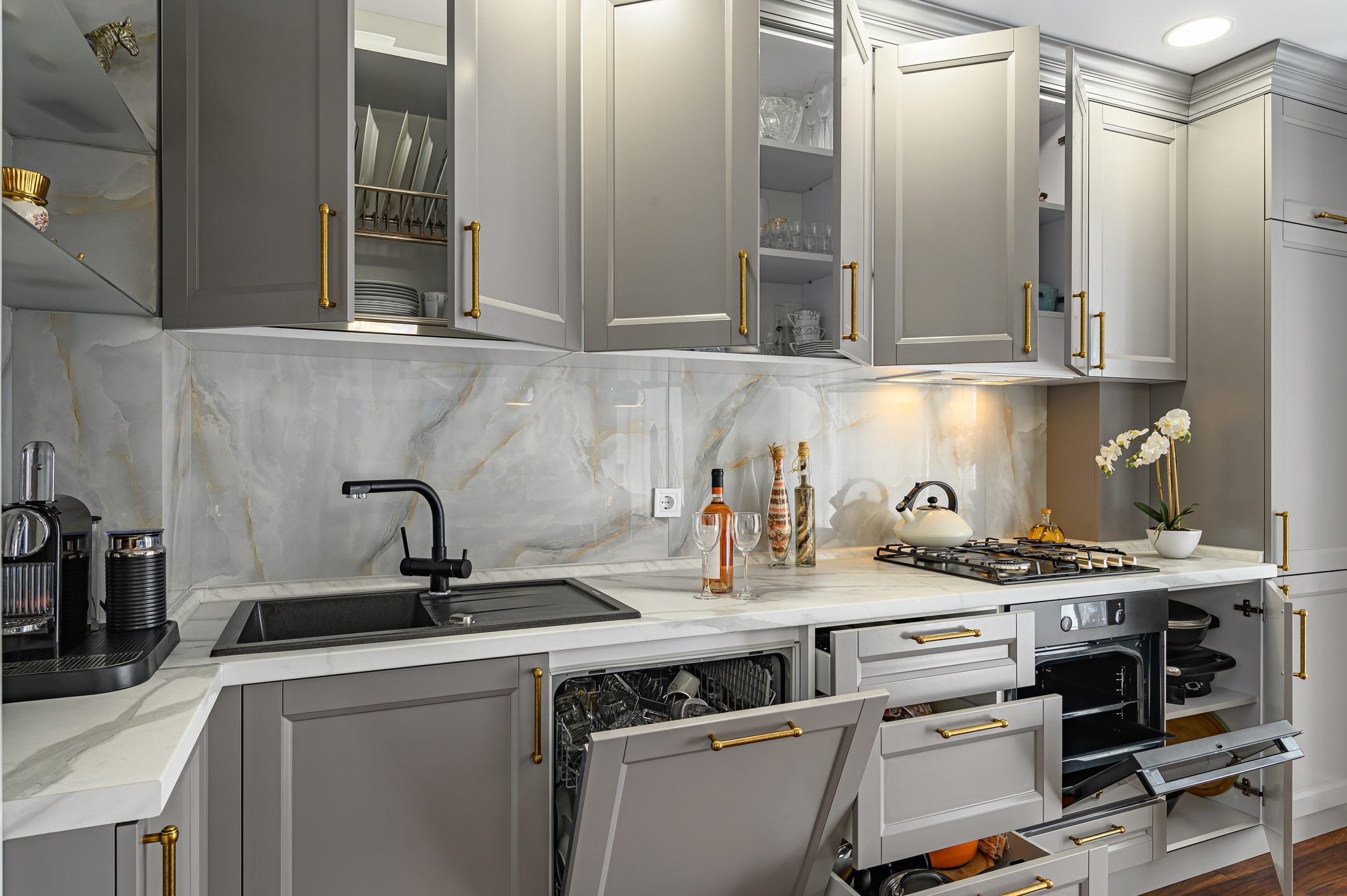
Some kitchen appliances are born to be admired. A gorgeous range? Sure. A statement fridge? Absolutely. A dishwasher? Well, it is usually the quiet coworker in the corneruseful, necessary, and not exactly the life of the party. The good news is that you do not have to let a bulky stainless steel rectangle interrupt your carefully planned kitchen style. If you want your kitchen to look calmer, cleaner, and a little more custom, you can absolutely hide your dishwasher in plain sight.
The trick is doing it the smart way. “Hidden” should never mean awkward, unsafe, or impossible to use. A dishwasher still needs ventilation, clearance, access, and a door that opens without drama. So instead of trying to stage a disappearing act with wishful thinking and two cabinet hinges, the best approach is to use design strategies that are made for real kitchens and real messes.
Below, you will find the best ways to disguise a dishwasher, the design details that make the illusion work, and the mistakes that can turn a sleek kitchen into a daily annoyance. In other words: this is the guide for anyone who wants their dishwasher to blend in so well that guests ask, “Wait… where is it?”
Why homeowners want to hide a dishwasher
There is a reason hidden dishwashers show up so often in modern remodels, luxury kitchens, small-space renovations, and minimalist homes. They reduce what designers often call visual noise. When the dishwasher front matches the cabinetry, your eye reads the kitchen as one continuous surface instead of a collection of shiny appliance boxes.
That visual calm matters in open-concept homes, where the kitchen is visible from the dining room, living room, or entryway. A hidden dishwasher can make the whole area look more furniture-like and less like a hardworking cleanup zone. It is also a great move in galley kitchens, compact kitchens, and homes with lots of custom millwork, where every finish matters.
And yes, there is also a tiny thrill in watching someone search for the dishwasher like it is a secret level in a video game. Tasteful mischief has a place in good design.
The best way to hide a dishwasher: choose a panel-ready model
If you want the cleanest, most convincing result, start with a panel-ready dishwasher. This type of unit is designed to accept a custom cabinet front so the appliance blends with surrounding doors and drawers. Instead of looking like an appliance, it looks like part of the cabinetry.
What “panel-ready” actually means
A panel-ready dishwasher is built so a custom front panel can be attached to the door. That panel is usually made by your cabinet maker or ordered to match your kitchen cabinets. The handle may match the rest of your hardware, or it may be integrated into the design so the dishwasher nearly disappears.
This is not the same thing as simply buying a basic dishwasher and hoping a decorative door will magically fit. Panel-ready units are engineered for the added panel, the mounting method, and the way the door opens once that extra weight is attached. That is why the result looks intentional instead of improvised.
Why panel-ready works so well
The big advantage is continuity. When the finish, color, style, and proportions match the surrounding cabinets, the dishwasher stops shouting for attention. In some kitchens, it vanishes so thoroughly that the sink becomes the only clue that cleanup equipment is nearby.
Panel-ready models are especially effective in these kitchen styles:
- Minimalist kitchens with flat-front cabinetry
- Traditional kitchens with inset or Shaker-style cabinets
- Luxury kitchens with custom millwork
- Small kitchens where fewer visual interruptions make the room feel bigger
- Open-plan spaces where the kitchen needs to blend into living areas
Top-control dishwashers are the next-best visual trick
If a panel-ready model is not in the budget, a top-control dishwasher is a strong second choice. On these models, the controls sit on the top edge of the door instead of the front face. That means when the door is closed, the control panel is hidden from view.
The result is a more streamlined look than a front-control dishwasher, which tends to advertise its buttons, lights, and cycle labels to everyone in the room. Top-control models still look like dishwashers, of course, but they are visually quieter and more modern. If you pair one with cabinetry-colored surroundings, matching hardware, and a simple finish, it blends in far better than older, button-heavy designs.
Think of it as the kitchen equivalent of a person wearing a well-tailored black outfit: not invisible, but very good at not making a fuss.
Match the dishwasher to your cabinetry, not just your appliances
One of the biggest design mistakes homeowners make is assuming the dishwasher should match the range and refrigerator first. Sometimes that works. But if your goal is to make the dishwasher disappear, the better question is this: What should it visually belong to?
If the dishwasher sits between base cabinets, it should usually belong to the cabinetry, not the appliance suite. That is why panel-ready fronts work so well. Even when you do not go fully panel-ready, you can still reduce contrast by choosing finishes and surrounding details carefully.
Ways to make the dishwasher visually recede
Choose a finish that does not fight the room. In some kitchens, fingerprint-resistant stainless steel works because other appliances share the finish. In others, a black or matte finish feels quieter against darker cabinetry. In a warm wood kitchen, a panel-ready front is often the most elegant choice because the dishwasher visually becomes part of the casework.
You can also reduce attention with hardware. A chunky, flashy handle draws the eye. A slimmer one that echoes nearby cabinet pulls feels more integrated. In some designs, a pocket-style or understated handle helps the front read more like a cabinet door and less like an appliance.
Use flush installation to create a custom look
A dishwasher can technically fit in a kitchen and still look awkward. That happens when the appliance sticks out too far from the surrounding cabinets, creating a noticeable bump in the cabinet line. If your goal is stealth, a flush or near-flush installation makes a big difference.
A flush installation means the dishwasher front aligns more neatly with surrounding cabinetry rather than protruding forward. That cleaner line helps the appliance disappear into the layout, especially in contemporary kitchens where small alignment issues stand out fast.
This is one place where planning matters more than styling. Even a beautiful panel front can look off if the dishwasher juts out like it is trying to leave the kitchen early. Cabinet depth, toe-kick alignment, flooring height, and panel thickness all affect the final look, so it is worth coordinating the appliance choice with your installer or cabinet professional before ordering anything.
Do not ignore size: standard, compact, and integrated options
Most built-in dishwashers in the U.S. are made for a standard opening, usually around 24 inches wide, with compact models commonly around 18 inches wide. That matters because the easiest hidden look usually comes from choosing a unit that fits your space correctly from the start.
If you are working with a narrow kitchen, butler’s pantry, basement kitchenette, or older home with unusual openings, compact integrated models can be a lifesaver. They give you the built-in look without forcing major layout changes. In a smaller kitchen, an 18-inch panel-ready model may actually look more custom than a full-size unit squeezed into the wrong proportions.
There is also another option worth considering: the integrated dishwasher drawer. Drawer-style dishwashers can blend into cabinetry beautifully, and they are especially useful when the kitchen layout makes a traditional swinging door inconvenient. They also work well for people who like flexible loading or who want a more ergonomic setup. In the right kitchen, a hidden dishwasher drawer is not just stylishit is genuinely practical.
The smartest places to “hide” a dishwasher
Sometimes hiding a dishwasher is less about the front panel and more about location. The appliance still needs to live near plumbing and should make sense in your workflow, but a thoughtful position can reduce how much it dominates the room.
Next to the sink
This is still the most practical location. It keeps scraping, rinsing, loading, and unloading easy. If the dishwasher is panel-ready, placing it beside the sink lets it vanish while staying exactly where you need it.
In a scullery, prep kitchen, or back kitchen
If your home has a secondary cleanup zone, this is the ultimate stealth move. You get all the function of a dishwasher without asking the main kitchen to visually carry every hardworking appliance.
At the end of a cabinet run
With the right panel treatment, a dishwasher at the end of a run can blend beautifullyespecially if the panel matches adjacent cabinetry and the handle is subtle.
In an island
This can work very well in large kitchens, especially when the dishwasher is panel-ready and the island already includes the sink. The appliance disappears into the island face instead of interrupting perimeter cabinetry.
What not to do when hiding a dishwasher
This is where good intentions often go slightly off the rails. Not every “clever” idea is a good one. Some are the design equivalent of putting a fake mustache on your dishwasher and hoping nobody notices.
Do not trap a standard dishwasher behind a decorative cabinet door
Unless the dishwasher is designed for a custom panel or integrated application, forcing it behind extra cabinetry can interfere with door movement, control access, heat release, or everyday usability. The safer and better-looking solution is to buy a model intended to wear a panel in the first place.
Do not forget the handle experience
A hidden dishwasher still needs to open easily, especially when your hands are wet or full. If the hardware is too tiny, too low, or inconsistent with the rest of the kitchen, the appliance may look beautiful but feel annoying. And a kitchen that is annoying loses points fast.
Do not over-design the disguise
If the panel has fake drawer lines, mismatched rails, or decorative details that do not align with the real cabinets, the illusion breaks. Hiding an appliance works best when the front treatment is calm, accurate, and consistent.
Style ideas that make the hidden look more believable
If you want your dishwasher to truly disappear, small design details matter. The best hidden kitchens are not relying on one big trick. They are winning through repetition, alignment, and restraint.
Keep materials consistent
Use the same cabinet finish, sheen, and door style across the run. The more consistent the surfaces are, the more the dishwasher fades into the background.
Align reveals and hardware
Gaps around cabinet doors, panel edges, and toe kicks should feel intentional. One awkward reveal can expose the “secret” immediately.
Minimize visual clutter nearby
If the dishwasher area is surrounded by magnets, towels, oversized pulls, and a parade of countertop gadgets, even a hidden panel will not save the effect. A calm zone helps the disguise work.
Choose quiet performance
A dishwasher that visually disappears but sounds like a small airport is only half-hidden. In open-concept homes, quieter models make the appliance feel less present overall. Hidden design is not just about what you see; it is also about what you hear.
Do not sacrifice performance for a pretty face
Yes, looks matter. But the dishwasher still has one main job: cleaning dishes without turning your life into a hand-washing comeback tour. So while you are shopping for a hidden model, pay attention to the practical stuff toorack layout, drying performance, noise level, leak protection, interior flexibility, and energy efficiency.
An ENERGY STAR certified model is a smart choice if you want the kitchen to look polished and run efficiently. It is the sort of behind-the-scenes upgrade that pairs well with a hidden-appliance strategy: better performance, less waste, lower visual fuss. Beauty and common sense can absolutely be roommates.
Real-world experiences: what people learn when they hide a dishwasher in plain sight
In real kitchens, the experience of hiding a dishwasher is often less about drama and more about relief. Homeowners who make the switch from a visible front-control model to a panel-ready or top-control design often describe the room as feeling instantly calmer. Nothing else changednot the backsplash, not the flooring, not the cabinet countyet the kitchen suddenly looked more expensive and more intentional. That is the funny power of removing one visual interruption. A dishwasher may be just one appliance, but it usually sits in a very noticeable spot, right in the middle of the lower cabinet line. Once it blends in, the whole kitchen tends to exhale.
Another common experience is that people become much pickier about alignment once the dishwasher is supposed to disappear. Before, a slightly proud appliance front or a tiny mismatch in height might have gone unnoticed. After installing a custom panel, those details matter. Homeowners often say the panel itself was easy to love, but the real difference came from careful finishing: matching the cabinet sheen, using the right hardware, and getting the toe-kick line clean. In other words, the “hidden” look usually succeeds because of precision, not because of magic.
Small-kitchen homeowners often have the most dramatic results. In a narrow galley or apartment kitchen, a visible dishwasher can break up the room and make the lower cabinets feel chopped into pieces. When the dishwasher front matches the cabinetry, the room often looks wider and less busy. It is not a structural change, but it feels like one. That is why many people who prioritize clean design say the hidden dishwasher gives them more visual impact than a trendy faucet or a fancy light fixture. The faucet sparkles; the hidden dishwasher quietly fixes the whole background.
Families also tend to discover that hidden does not mean inconvenient. At first, some worry that guests will not know where the dishwasher is, or that children will tug on the wrong cabinet. In practice, those are pretty minor issues. Most households learn the new layout quickly. In fact, once the dishwasher sits next to the sink and uses hardware that feels natural in the hand, daily use becomes second nature. The bigger adjustment is usually social: visitors open the “wrong cabinet” once, laugh, and then act like they have uncovered a secret passage in a mystery novel.
There are also lessons from people who tried shortcuts. One of the most repeated regrets is underestimating how important it is to choose a dishwasher that was actually designed for a custom panel. A few homeowners attempt to fake the look with a standard unit, only to realize that the proportions feel off, the controls are annoying to reach, or the door action is awkward. The experience teaches a useful design truth: when an appliance is supposed to disappear, the engineering matters just as much as the finish. The hidden look is best when it is built in from the beginning, not improvised halfway through the remodel.
Finally, many people say the hidden dishwasher changes how they feel about the kitchen as a whole. The room feels less like a workspace and more like part of the home. That matters in open layouts where the kitchen is always on display. Even when there are dishes inside, the exterior stays calm and consistent. It is not that the mess vanishes completelysadly, we do not yet have a dishwasher that also folds laundry and answers emailsbut the room feels more controlled, more elegant, and easier to live with. And for a design choice that spends most of its life pretending not to exist, that is a pretty excellent outcome.
Final thoughts
If you want to hide your dishwasher in plain sight, the best answer is simple: choose a solution that is designed to blend in, not one that merely hopes to. A panel-ready dishwasher is the gold standard. A top-control model is a strong alternative. Flush installation, thoughtful hardware, consistent cabinetry, and the right location all help complete the illusion.
The goal is not to make your kitchen feel fussy or complicated. It is to make it feel smoother. More unified. More intentional. Your dishwasher can still do the dirty work while keeping a very low profile. Honestly, that is the dream job.