

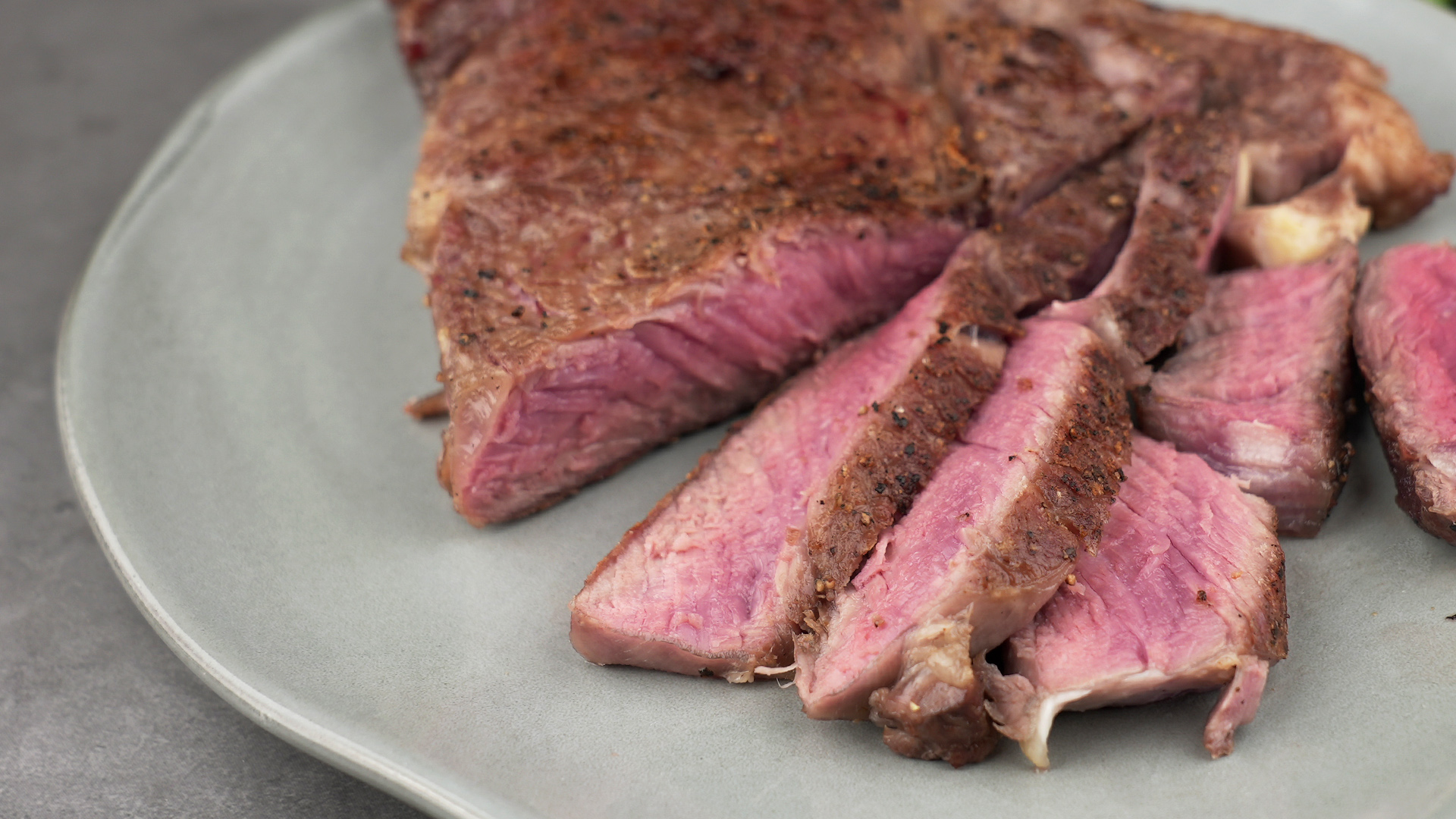
Cooking a medium rare steak is one of those kitchen skills that sounds fancy until you realize the whole game is heat, timing, patience, and not poking the poor steak like it owes you money. A properly cooked medium rare steak has a browned, flavorful crust, a warm red-to-pink center, and enough juiciness to make you briefly consider opening a tiny steakhouse in your kitchen.
The ideal culinary temperature for medium rare steak is usually around 130°F to 135°F. However, food safety agencies such as the USDA recommend cooking whole beef steaks to 145°F followed by a 3-minute rest. That means home cooks should understand the difference between restaurant-style doneness and official safety guidance. If you are serving children, older adults, pregnant people, or anyone with a weakened immune system, follow the USDA minimum. If you choose the classic medium rare target, use fresh, properly handled whole-muscle steak and an accurate thermometer.
This guide walks you through how to cook medium rare steak in 14 practical steps, whether you are using a cast-iron skillet, grill, or reverse-sear method. No guesswork. No steak sadness. No gray mystery meat pretending to be dinner.
What Is Medium Rare Steak?
Medium rare steak is cooked enough to develop flavor and tenderness while keeping the center warm, red, and juicy. The texture should be tender but not raw, with a slight spring when pressed. It is often considered the sweet spot for ribeye, New York strip, filet mignon, porterhouse, T-bone, and sirloin because the fat softens, the crust browns, and the inside stays moist.
A medium rare steak is not judged by color alone. Lighting, meat type, aging, and even the steak’s pH can affect color. The most reliable way to know doneness is to use an instant-read thermometer inserted into the thickest part of the steak from the side.
How to Cook Medium Rare Steak: 14 Steps
Step 1: Choose the Right Cut
Start with a steak that is at least 1 inch thick. Thin steaks cook too quickly and can jump from medium rare to medium well faster than you can say, “Where did my dinner go?” Good options include ribeye for rich marbling, New York strip for beefy flavor, filet mignon for tenderness, and sirloin for a leaner, budget-friendly choice.
Step 2: Check the Steak Quality
Look for bright color, fine marbling, and a clean smell. Marbling matters because intramuscular fat melts during cooking and adds flavor. A steak with some visible fat streaks will usually taste juicier than a completely lean piece. Avoid steak with excessive liquid in the package or a sour odor.
Step 3: Pat the Steak Dry
Moisture is the enemy of crust. Before seasoning, pat the steak dry with paper towels. A dry surface sears; a wet surface steams. Steaming is wonderful for dumplings, not for a steak you want to brag about.
Step 4: Season Generously
Use kosher salt and freshly ground black pepper. Salt draws out moisture at first, then helps the meat reabsorb seasoned juices if given enough time. For best results, salt the steak 40 minutes before cooking or even the night before, uncovered in the refrigerator. If you are in a hurry, season right before it goes into the pan.
Step 5: Let the Surface Warm Slightly
You do not need to leave steak out for hours. In fact, that is not food-safe. But letting a thick steak sit at room temperature for about 20 to 30 minutes can take the refrigerator chill off the surface and help it brown more evenly. Keep it covered loosely and do not forget it on the counter while you reorganize your entire spice cabinet.
Step 6: Preheat Your Pan or Grill
For pan-seared medium rare steak, use cast iron or stainless steel. Heat the pan until it is very hot. For grilling, preheat the grill and clean the grates. A hot cooking surface creates the Maillard reaction, the browning process that gives steak its deep, savory crust.
Step 7: Use the Right Oil
Choose a high-smoke-point oil such as avocado, canola, grapeseed, or refined vegetable oil. Butter tastes great, but it burns quickly if used from the beginning. Add butter later for basting after the crust has formed.
Step 8: Sear the First Side
Place the steak in the hot pan or on the grill and leave it alone for 2 to 4 minutes, depending on thickness. Do not slide it around. Do not lift it every 10 seconds. The steak is trying to build a crust, and it needs a little privacy.
Step 9: Flip and Sear the Other Side
Flip the steak with tongs and sear the second side. For a 1-inch steak, total cooking time may be around 6 to 8 minutes for medium rare, but timing is only a rough guide. A thicker steak may need more time or a lower-heat finish. Always confirm with a thermometer.
Step 10: Sear the Edges
Hold the steak with tongs and press the fatty edge against the pan or grill for 30 to 60 seconds. This renders some fat and adds flavor. This step is especially useful for ribeye and strip steak, where the fat cap can become crisp and delicious.
Step 11: Add Butter and Aromatics
When the steak is nearly done, reduce the heat slightly and add butter, smashed garlic, rosemary, or thyme. Tilt the pan and spoon the foaming butter over the steak for 30 to 90 seconds. This adds aroma and richness without burning the butter at the start.
Step 12: Check the Internal Temperature
For classic medium rare, aim for a final temperature of about 130°F to 135°F. Because steak continues to cook after leaving the heat, remove it a few degrees early, often around 125°F to 130°F depending on thickness and method. Insert the thermometer horizontally into the thickest part, avoiding bone and large fat pockets.
Step 13: Rest the Steak
Rest the steak on a plate or wire rack for 5 to 10 minutes. Resting allows juices to redistribute and carryover heat to finish the cooking. Avoid tightly covering it with foil, which can trap steam and soften the crust. If you want to keep it warm, loosely tent it or rest it in a warm spot.
Step 14: Slice and Serve Correctly
Slice against the grain for tenderness. The grain is the direction the muscle fibers run; cutting across those fibers makes each bite easier to chew. Finish with flaky salt, a spoonful of pan butter, chimichurri, compound butter, or a simple squeeze of lemon if you like brightness.
Medium Rare Steak Temperature Guide
| Doneness | Typical Culinary Temperature | Center Appearance |
|---|---|---|
| Rare | 120°F to 125°F | Cool red center |
| Medium Rare | 130°F to 135°F | Warm red-pink center |
| Medium | 135°F to 145°F | Warm pink center |
| Medium Well | 145°F to 155°F | Slightly pink center |
| Well Done | 155°F and above | Little to no pink |
Important safety note: The USDA recommends cooking whole beef steaks to 145°F and resting for at least 3 minutes. Ground beef should be cooked to 160°F because bacteria can be mixed throughout the meat during grinding. Medium rare cooking is a personal doneness preference and should be approached with proper food handling and a reliable thermometer.
Best Methods for Cooking Medium Rare Steak
Cast-Iron Skillet Method
The cast-iron skillet method is perfect for home cooks because it creates a hard sear and allows easy butter basting. Heat the pan until very hot, add oil, sear both sides, baste with butter and herbs, then rest. It is fast, flavorful, and wonderfully dramatic in a “yes, chef” kind of way.
Grill Method
Grilling adds smoky flavor and excellent char. Use two heat zones if possible: a hot direct zone for searing and a cooler indirect zone for finishing thicker steaks. This helps prevent the outside from burning before the center reaches medium rare.
Reverse-Sear Method
Reverse searing is ideal for thick steaks, usually 1 1/2 inches or thicker. Cook the steak gently in a low oven, often around 225°F to 275°F, until it reaches about 115°F to 120°F, then sear it hard in a hot pan. This method gives even doneness from edge to edge and a crisp crust.
Common Mistakes to Avoid
Cooking by Time Only
Cooking time changes based on steak thickness, pan temperature, starting temperature, and cut. A thermometer is the difference between confidence and culinary astrology.
Using a Cold Pan
A cold pan causes sticking and weak browning. Preheat until the oil shimmers and the steak sizzles immediately when it touches the surface.
Cutting Too Soon
If you slice the steak immediately, juices spill out onto the board. Resting gives the steak time to settle, making it juicier when served.
Forgetting Carryover Cooking
Carryover cooking can raise the internal temperature several degrees after the steak leaves the heat. Pulling the steak at the final target temperature may lead to overcooking.
What to Serve with Medium Rare Steak
Medium rare steak pairs beautifully with roasted potatoes, creamed spinach, grilled asparagus, garlic mushrooms, wedge salad, or a crisp green salad with vinaigrette. For sauces, try peppercorn sauce, red wine reduction, béarnaise, chimichurri, compound butter, or a simple pan sauce made with broth, wine, and butter.
If you want a steakhouse-style plate, serve sliced steak with flaky salt, roasted garlic mashed potatoes, and a bright vegetable. If you want something lighter, place sliced steak over arugula with shaved Parmesan and lemon dressing. If you want maximum comfort, add fries and pretend you are in a bistro with much better lighting.
Extra Experience Notes: Real-Life Lessons for Cooking Medium Rare Steak
The biggest lesson in cooking medium rare steak is that confidence comes from repetition. The first time you cook steak, you may stare at it like it is a ticking clock. The second time, you start to recognize the sound of a proper sear. By the fifth time, you understand that steak is less mysterious than it seems. It simply responds to heat, salt, time, and attention.
One useful experience is learning how different cuts behave. A ribeye is forgiving because its marbling keeps it juicy, even if you overshoot by a few degrees. A filet mignon is tender but lean, so it benefits from butter basting or a sauce. A New York strip gives you a nice balance of chew, fat, and beefy flavor. Sirloin can be excellent, but it rewards careful cooking and slicing against the grain.
Another lesson is that the crust matters as much as the center. Many beginners focus only on the pink interior, but a great medium rare steak needs contrast. The outside should be deeply browned, salty, and savory. The inside should be tender and warm. That contrast is what makes steak exciting. Without a good crust, even a perfectly pink center can taste flat.
Home cooks also learn that patience is not optional. Pat the steak dry. Wait for the pan to heat. Let the steak sear before flipping. Rest it before slicing. These tiny pauses feel annoying when you are hungry, but they are the difference between “pretty good” and “why does this taste like a restaurant?” Steak punishes panic and rewards calm.
Thermometers deserve special praise. Some cooks like the finger test, and with enough experience it can be helpful, but an instant-read thermometer removes the drama. It tells you exactly where you are. When your steak hits the right pull temperature, you can stop guessing. That is especially important when cooking expensive cuts, because nobody wants to turn a beautiful ribeye into a leather bookmark.
Resting is another habit that improves results immediately. The steak may look ready when it leaves the pan, but those few minutes of rest help the juices stay inside the meat instead of running across the cutting board. Resting also gives you time to finish side dishes, make a quick pan sauce, or simply admire your work like a proud backyard philosopher.
Finally, remember that medium rare steak is personal. Some people want it closer to rare, some closer to medium, and some prefer the USDA safety recommendation of 145°F. The best cook is not the one who argues with guests about doneness. The best cook knows the temperatures, understands the method, and serves steak that makes people happy.
Conclusion
Learning how to cook medium rare steak is really about learning control. Choose a good cut, season it well, dry the surface, use high heat for a crust, check the internal temperature, and let the steak rest. Once you understand those basics, you can cook steak in a skillet, on a grill, or with the reverse-sear method and still land that juicy, warm red-pink center.
The secret is not a secret ingredient. It is attention. A thermometer, a hot pan, and a little patience can turn an ordinary steak dinner into something that feels special. And if the first steak is not perfect, congratulations: you have discovered the most delicious skill-building exercise on earth.