

Note: This guide helps hamster owners recognize warning signs and decide when to seek veterinary care. It does not replace diagnosis or treatment from an exotic-pet veterinarian. Hamsters are tiny, fast-moving creatures with even faster health changes, so when breathing looks wrong, treat it seriously.
Hamsters may look like pocket-sized comedians with cheeks full of snacks, but they are also fragile animals that can become sick quickly. Respiratory illness in hamsters can start with a few sneezes, a damp nose, or a faint clicking sound. Then, seemingly overnight, it may turn into labored breathing, lethargy, appetite loss, or pneumonia. Because hamsters often hide illness until they feel very unwell, owners need to become good observersnot panicked detectives with a magnifying glass, but calm, consistent “hamster health reporters.”
This article explains how to diagnose hamster respiratory illnesses in 14 practical steps. You will learn what normal breathing looks like, which symptoms matter most, how cage conditions can trigger or worsen breathing problems, and when your hamster needs urgent veterinary help. The main keyword here is hamster respiratory illnesses, but the real goal is simple: help your tiny roommate breathe easier and get professional care before a small problem becomes a big one.
Understanding Hamster Respiratory Illness
A hamster respiratory illness may affect the upper respiratory tract, such as the nose, sinuses, and throat, or the lower respiratory tract, including the lungs. Mild cases may look like sneezing or watery eyes. More serious cases can involve wheezing, open-mouth breathing, pus-like discharge, blue or pale gums, weakness, or collapse. Pneumonia is especially dangerous because hamsters have small bodies, high metabolisms, and limited reserves when oxygen levels drop.
Respiratory problems may be caused by bacteria, viruses, environmental irritation, dusty bedding, poor ventilation, ammonia buildup from urine, drafts, sudden temperature changes, stress, or exposure to sick humans. Older hamsters may also develop heart disease that looks like respiratory illness because fluid and poor circulation can make breathing difficult. That is why “diagnosing” at home should mean identifying signs and risk factorsnot guessing medications from the internet, which is how many tiny tragedies begin.
How to Diagnose Hamster Respiratory Illnesses: 14 Steps
1. Learn Your Hamster’s Normal Breathing Pattern
Before you can spot abnormal breathing, you need to know what normal looks like. A healthy hamster usually breathes quietly through the nose. You may see gentle movement along the sides of the body, especially when the hamster is resting. Normal breathing should not include loud wheezing, clicking, gasping, exaggerated belly movement, or open-mouth breathing.
Observe your hamster when it is relaxed, not after sprinting on the wheel like it is training for the Rodent Olympics. A short period of faster breathing after exercise can be normal. Fast breathing while resting, however, is a warning sign.
2. Watch for Repeated Sneezing
An occasional sneeze does not automatically mean your hamster is sick. Dust, bedding particles, or a bit of food powder can irritate the nose. But repeated sneezing, especially with discharge, lethargy, or appetite loss, may suggest an upper respiratory infection or environmental irritation.
Track when the sneezing happens. Does it begin after cage cleaning? After adding new bedding? When the cage is near an air vent? Patterns can help your vet understand whether the issue may be infectious, environmental, or both.
3. Check the Nose for Discharge
A healthy hamster’s nose should usually look clean and dry to slightly moist. Watery, cloudy, yellow, green, or crusty discharge can be a sign of respiratory disease. Mucus or pus around the nostrils is especially concerning. If the fur around the nose looks wet or matted, your hamster may be wiping discharge away with its paws.
Do not try to forcefully clean inside the nostrils. You can gently note what you see and call an exotic veterinarian. A blocked or irritated nose can make breathing harder because hamsters normally breathe through their noses.
4. Inspect the Eyes
Respiratory infections in hamsters can show up around the eyes too. Look for watery eyes, crusting, swelling, redness, half-closed eyes, or sticky discharge. Eye discharge paired with sneezing or nasal discharge is a stronger clue that your hamster may have an infection rather than a random dusty-nose moment.
Also check whether your hamster is grooming less. Sick hamsters often develop dull, messy, or puffed-up fur because they no longer feel well enough to maintain their usual “small potato with whiskers” elegance.
5. Listen for Wheezing, Clicking, Crackling, or Rattling
Healthy hamster breathing is usually quiet. Audible wheezing, clicking, rattling, or crackling can suggest inflammation, mucus, fluid, or airway narrowing. A clicking sound that matches each breath is not the same as normal tooth chattering. If the sound seems to come from the chest or nose and follows the breathing rhythm, it deserves veterinary attention.
Record a short video if you can do so without stressing your hamster. A video of the sound and breathing pattern can be extremely useful for your vet, especially because hamsters love to behave normally the moment they reach the clinic, as if trying to make you look dramatic.
6. Look for Labored Breathing
Labored breathing is one of the most important signs of serious hamster respiratory illness. Watch for exaggerated belly movement, flared nostrils, stretching the neck forward, sitting hunched, breathing with the mouth open, or sides heaving with effort. A hamster that pauses during movement to breathe, collapses after mild activity, or seems unable to settle comfortably needs urgent care.
Open-mouth breathing is an emergency. Hamsters are not supposed to pant like dogs. If your hamster is gasping, limp, cold, blue around the gums or feet, or unable to move normally, contact an emergency exotic vet immediately.
7. Monitor Appetite and Water Intake
Loss of appetite is a major warning sign. Hamsters are prey animals, so they often keep acting “fine” until they are quite ill. If your hamster stops eating, ignores favorite treats, drops food from its mouth, or loses interest in hoarding, something is wrong.
Respiratory illness can reduce appetite because breathing takes effort, smell is affected, or the hamster simply feels miserable. Check the food bowl, but also inspect hiding places. Some hamsters move food without actually eating it. Sneaky? Yes. Helpful? Not when you are trying to assess illness.
8. Notice Lethargy, Hunched Posture, and Puffed Fur
A sick hamster may sleep more than usual, avoid the wheel, sit hunched in a corner, stop exploring, or seem unusually easy to pick up. Puffed fur can be a sign that the hamster is cold, stressed, painful, or ill. When puffed fur appears with breathing changes, nasal discharge, or weight loss, respiratory disease becomes more likely.
Compare behavior with your hamster’s normal routine. A nocturnal hamster sleeping during the day is normal. A nocturnal hamster refusing to come out at night, ignoring food, and breathing noisily is not.
9. Weigh Your Hamster Daily During Illness
A small digital kitchen scale can help you catch problems early. Hamsters can lose weight quickly when sick, and weight loss may be easier to measure than to see. Place your hamster in a secure container on the scale and record the number at the same time each day.
Bring the weight log to your vet. A pattern of weight loss, even if the hamster still looks round and adorable, can help confirm that the illness is affecting overall health.
10. Examine the Bedding and Nesting Material
Bedding is one of the biggest environmental clues in hamster respiratory problems. Dusty, scented, cedar, or pine bedding can irritate the respiratory tract. Strong fragrances may smell “fresh” to humans, but to a hamster with a powerful nose, scented bedding can be like living inside an air freshener commercial gone wrong.
Use unscented paper-based bedding, aspen shavings, or other hamster-safe options recommended by reputable animal-care sources. Avoid fluffy cotton nesting material, dusty litter, cedar, pine, and perfumed bedding. If symptoms began after a bedding change, remove the suspected bedding and replace it with a safer, low-dust option while arranging veterinary advice.
11. Check Cage Cleanliness, Ventilation, and Ammonia
Urine buildup creates ammonia, which can irritate the eyes and respiratory tract. A cage that smells strong to you likely smells much stronger to your hamster. Spot clean soiled areas regularly, replace dirty bedding, and keep the habitat dry. However, do not over-clean so aggressively that you remove every familiar scent at once, because sudden stress can also affect health.
Ventilation matters too. Glass tanks can work if they are large and properly ventilated, but poor airflow can trap moisture, odor, and heat. Wire cages may provide airflow but can expose hamsters to drafts. The best setup is clean, dry, spacious, low-dust, and protected from direct airflow.
12. Review Temperature, Drafts, and Stress
Hamsters are sensitive to sudden temperature changes. A cage near a window, air conditioner, fan, exterior door, heater, or direct sunlight may create stress or respiratory irritation. Drafts can worsen symptoms, while overheating can also cause serious distress.
Keep the cage in a stable indoor location away from vents and direct sun. Provide deep bedding and nesting material so your hamster can regulate warmth. Stress from moving homes, loud noise, frequent handling, cage changes, or nearby predators such as cats and dogs can weaken resilience and make illness harder on the body.
13. Consider Exposure to Sick Humans or Other Animals
Some respiratory infections can spread through close contact, droplets, or contaminated hands and surfaces. If you have a cold, flu-like symptoms, or another respiratory illness, wash your hands before feeding your hamster, avoid breathing near the cage, and limit handling until you are well.
If you keep more than one dwarf hamster together, separate the sick hamster only after speaking with a vet or when urgent safety requires it. Separation can reduce exposure, but sudden social or habitat changes may also be stressful. Syrian hamsters should already live alone, because they are solitary and generally do not appreciate roommates unless the roommate is imaginary.
14. Call an Exotic Veterinarian and Prepare for Diagnosis
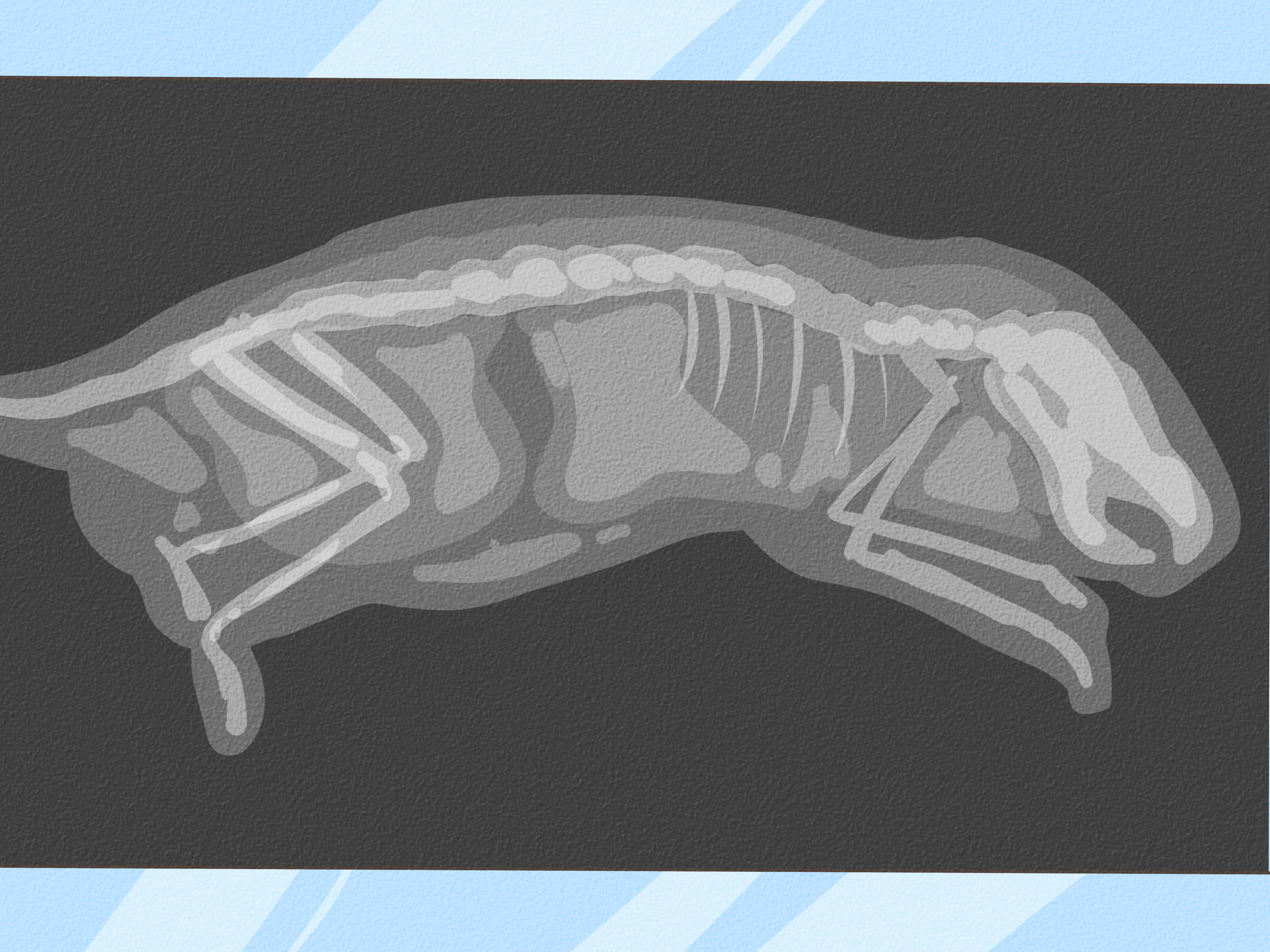
A veterinarian may diagnose hamster respiratory illness using a physical exam, breathing assessment, weight check, history of symptoms, cage-husbandry review, and sometimes imaging such as X-rays. In some cases, the vet may examine discharge, recommend culture or cytology, provide oxygen support, prescribe antibiotics for suspected bacterial infection, or offer fluids and warmth for supportive care.
Do not give human cold medicine, leftover antibiotics, essential oils, or random online remedies. Many substances that seem mild to humans can be dangerous for hamsters. Your job is to observe, reduce stress, keep the environment safe, and get professional help quickly.
Emergency Signs: When to Seek Help Immediately
Some symptoms should never be watched casually overnight. Contact an emergency exotic-pet veterinarian if your hamster has open-mouth breathing, severe wheezing, blue or pale gums, collapse, extreme weakness, inability to walk, cold body temperature, refusal to eat, thick pus-like discharge, or obvious distress. Hamsters can decline rapidly, and breathing trouble is always urgent.
If transportation is needed, place your hamster in a secure carrier with familiar bedding, keep it warm but not hot, and avoid unnecessary handling. Do not put food or water bowls in a way that can spill and soak the bedding. A damp, chilled hamster with respiratory distress is a bad combination.
Common Mistakes Owners Make
Waiting Too Long
The biggest mistake is assuming “it is just a little cold.” Hamsters do not have much physical reserve. Mild signs can become serious quickly, especially if the lungs are involved.
Using Scented Products
Scented bedding, sprays, candles, essential oil diffusers, and strong cleaning products can irritate a hamster’s sensitive respiratory system. Clean does not need to smell like a pine forest wearing perfume.
Bathing the Hamster
Hamsters should not be bathed in water unless a veterinarian gives specific instructions for an unusual situation. Getting wet can chill them and increase stress. For normal grooming, hamsters use sand baths, not bubble baths.
Self-Medicating
Guessing medication is risky. Wrong drugs, wrong doses, or delayed treatment can make respiratory illness worse. A hamster’s dose is tiny and must be calculated carefully by a veterinarian.
Prevention Tips for Healthier Hamster Breathing
Good prevention starts with the habitat. Choose low-dust, unscented bedding. Avoid cedar and pine. Keep the cage dry and clean, but preserve some familiar nesting material during cleaning to reduce stress. Place the enclosure away from drafts, vents, smoke, cooking fumes, aerosols, and direct sunlight. Wash hands before handling, especially when you are sick. Feed a balanced hamster diet, provide fresh water, and give enrichment so your hamster stays active without stress.
Schedule a vet visit early when symptoms appear. Many owners wait because hamsters are small and appointments can feel expensive compared with the size of the pet. But a hamster’s value is not measured in ounces. Early care can make the difference between a manageable infection and a heartbreaking emergency.
Experience-Based Notes: What Hamster Owners Often Notice First
In real-life hamster care, respiratory illness often announces itself quietly. Many owners do not first notice dramatic gasping. Instead, they notice that the wheel stays silent at night. The food bowl looks oddly full in the morning. The hamster comes out, takes one seed, then returns to the nest like an exhausted office worker canceling all meetings. These subtle behavior changes matter.
One common experience involves bedding. An owner switches to a cheaper bag of bedding, maybe one with a “fresh scent,” and within a day or two the hamster begins sneezing. At first, it seems harmless. Then the owner notices watery eyes and a damp nose. In that situation, changing immediately to unscented, low-dust paper bedding is sensible, but it should not replace a vet call if symptoms continue or if the hamster seems tired. Environmental irritation and infection can look similar, and irritation can open the door for worse problems.
Another typical story begins with cage placement. A hamster cage sits near a bedroom window or air-conditioning vent. The owner thinks, “Nice airflow!” The hamster thinks, “Why does my house have weather?” After a few nights of temperature swings or direct drafts, sneezing and lethargy appear. Moving the cage to a stable, quiet location often helps prevent future stress, but again, breathing symptoms should be monitored closely and discussed with a vet.
Owners also commonly report hearing a tiny clicking sound. This is easy to miss because hamsters make little noises when chewing, grooming, or rearranging bedding like tiny interior designers. The important detail is rhythm. If the click happens with each breath, especially while the hamster is resting, it may indicate fluid, mucus, or airway irritation. A short video can help the veterinarian determine whether the sound is respiratory or behavioral.
Food clues are also powerful. A sick hamster may still pouch food, so the bowl looks emptier, but the stash grows untouched. During a health check, look at both the bowl and the hoard. If favorite foods remain uneaten, that is more concerning than a single ignored pellet. Weight tracking can confirm whether the hamster is truly eating enough.
Many experienced owners keep a small “hamster health kit” at home: a digital scale, clean travel carrier, unscented paper bedding, spare water bottle, vet contact information, and a notebook for symptoms. This kit is not for home treatment; it is for faster observation and safer transport. When something goes wrong at 9 p.m., you do not want to be searching for a carrier while your hamster is breathing like a tiny broken accordion.
The most important experience-based lesson is this: trust patterns, not excuses. One sneeze may be dust. Sneezing plus discharge plus low energy is a pattern. A quiet night may be normal. A quiet night plus untouched food and puffed fur is a pattern. Hamsters are small, but their symptoms tell a story if you pay attention early.
Conclusion
Diagnosing hamster respiratory illnesses at home means recognizing warning signs, checking environmental risks, and seeking veterinary care before symptoms become severe. Watch for sneezing, nasal or eye discharge, wheezing, clicking, labored breathing, appetite loss, lethargy, weight loss, and changes in posture or grooming. Review bedding, cage cleanliness, ventilation, drafts, temperature, stress, and exposure to sick humans. Most importantly, never ignore breathing trouble. A hamster with respiratory distress needs prompt help from an exotic-pet veterinarian.
Your hamster may be tiny, but its health signals are worth taking seriously. With careful observation, a safe habitat, and quick veterinary support, you can give your little whiskered roommate the best chance to recoverand get back to the important work of stuffing bedding into corners and judging your snack choices.