

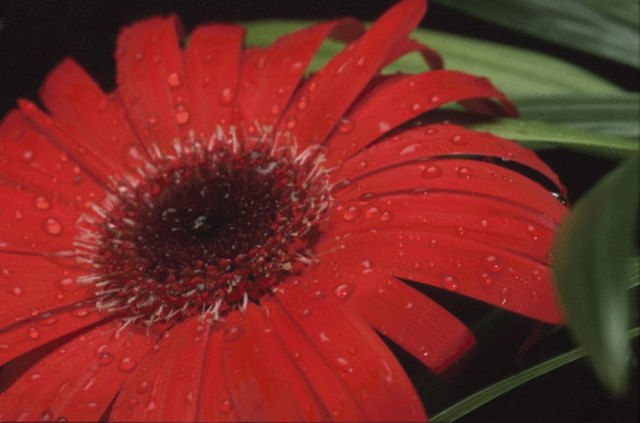
Gerbera daisies are the divas of the flower world: big faces, bright colors, dramatic posture, and absolutely no patience for soggy roots or lazy feeding habits. When they are happy, they bloom like a tiny garden parade. When they are not, they sulk with yellow leaves, floppy stems, and the floral equivalent of side-eye.
The good news? Learning how to fertilize gerbera daisies is not complicated. These plants do not need a secret potion, a moonlit chant, or a fertilizer named after a spaceship. They need consistent nutrition, well-draining soil, the right balance of nutrients, and a gardener who understands that “more fertilizer” does not mean “more flowers.” In fact, overfeeding gerberas can backfire faster than giving espresso to a toddler.
This guide explains exactly when, how, and what to feed gerbera daisies, whether you grow them in garden beds, patio containers, or sunny indoor pots. We will cover fertilizer types, feeding schedules, soil pH, micronutrients, common mistakes, and real-world care tips that help your gerberas produce more strong stems and cheerful blooms.
Understanding What Gerbera Daisies Need
Gerbera daisies, also known as Gerbera jamesonii, are flowering perennials in warm climates and are often grown as annuals in colder regions. They are famous for their large, daisy-like blooms in red, pink, orange, yellow, white, coral, and nearly every cheerful color that looks like it belongs on a birthday card.
But under all that beauty is a plant with a few firm preferences. Gerbera daisies grow best in loose, fertile, well-drained soil. They like steady moisture but hate wet feet. They bloom best with regular feeding, but they can suffer if fertilizer salts build up around the roots. In other words, gerberas appreciate dinner, but they do not want to be force-fed a buffet.
Why Fertilizer Matters for Gerbera Daisies
Fertilizer gives gerbera daisies the nutrients they need to support leaf growth, root development, flower production, and overall plant strength. The three primary nutrients in most fertilizers are nitrogen, phosphorus, and potassium, often shown on the label as N-P-K.
Nitrogen supports green leafy growth. Phosphorus helps with root development and flowering. Potassium improves overall plant vigor, stress tolerance, and bloom quality. Gerbera daisies also benefit from micronutrients such as iron and manganese, especially because they can develop deficiencies when soil pH is too high or when nutrients are unavailable to the roots.
Think of fertilizer as a balanced meal. Nitrogen is the leafy salad, phosphorus is the root-and-bloom support, and potassium is the sturdy pair of shoes that helps the plant handle garden life without collapsing at the first heat wave.
The Best Fertilizer for Gerbera Daisies
The best fertilizer for gerbera daisies is usually a complete fertilizer that includes nitrogen, phosphorus, potassium, and preferably micronutrients. A balanced fertilizer, a bloom-supporting fertilizer, or a low-ammonium formula can all work well when used correctly.
For home gardeners, the easiest options are:
- A water-soluble flower fertilizer applied every two weeks during active growth
- A complete liquid fertilizer applied monthly, depending on product strength
- A controlled-release granular fertilizer applied two or three times during the growing season
- Compost or organic matter used to improve soil structure and support gentle nutrient release
For many gardeners, a water-soluble fertilizer is the simplest choice because it is easy to dilute and adjust. If the plant looks strong and blooms well, keep the routine steady. If it grows huge leaves but few flowers, the fertilizer may be too high in nitrogen. Congratulations: you have grown a very enthusiastic salad with flower potential.
Should You Use Balanced or Bloom Fertilizer?
A balanced fertilizer such as 10-10-10 or 20-20-20 can work for gerbera daisies, especially when plants are grown in containers where nutrients wash out over time. However, many gardeners prefer a fertilizer with a lower middle number or a formula designed for flowering plants, depending on soil conditions and plant response.
The key is not to chase the biggest phosphorus number on the shelf. Gerberas need enough phosphorus, but they also need the rest of the nutrient team. Too much of one nutrient can interfere with the uptake of others. A sensible flower fertilizer with micronutrients is usually better than an extreme formula promising “explosive blooms,” which sounds exciting until your plant starts looking like it regrets the whole arrangement.
Look for Iron and Manganese
Gerbera daisies are known to show iron and manganese-related nutrient issues, especially when the growing medium is outside the ideal pH range. If the leaves turn yellow between the veins while the veins remain green, the plant may be struggling with nutrient availability, often linked to pH rather than a total lack of fertilizer.
For this reason, choose a fertilizer that includes micronutrients, or use a foliar spray or supplement when a deficiency is confirmed. Do not guess wildly and throw three products at the plant in one afternoon. Gerberas prefer thoughtful care, not a chemistry experiment with petals.
When to Fertilize Gerbera Daisies
Gerbera daisies should be fertilized during their active growing and blooming season, usually spring through early fall. This is when the plant is producing leaves, roots, buds, and flowers. Feeding during this period helps the plant maintain energy and bloom more consistently.
In most gardens and containers, you can follow one of these schedules:
- Liquid fertilizer: every two weeks during active growth
- Complete fertilizer: about once a month, depending on the label
- Controlled-release fertilizer: two or three times during the growing season
- Organic compost topdressing: once in spring and lightly again in midsummer if needed
Always follow the label directions for the specific fertilizer you are using. If the product recommends a stronger dose than your plant seems to tolerate, dilute it. A half-strength feeding every two weeks is often safer than a full-strength blast that leaves the plant with burned roots and a grudge.
Fertilizing Newly Planted Gerberas
Newly planted gerbera daisies need a gentle start. If you are planting nursery-grown gerberas, mix compost into the soil before planting, or use a potting mix that already contains starter nutrients. Wait until the plant settles in before beginning a regular fertilizer routine unless the product label says it is safe at planting.
For garden beds, make sure the crown of the plant sits slightly above the soil line. Burying the crown too deeply can encourage rot. Fertilizer cannot fix a gerbera that was planted like a submarine.
Fertilizing During Peak Bloom
During peak bloom, gerbera daisies use more energy. Regular feeding helps support strong stems and repeat flowering. If you are using a liquid fertilizer, apply it after watering or when the soil is already slightly moist. Fertilizing bone-dry soil can stress roots and cause fertilizer burn.
Remove spent flowers by cutting the stem near the base. Deadheading helps the plant redirect energy into new buds instead of seed production. Fertilizer plus deadheading is a powerful combination: one feeds the plant, the other tells it, “Nice job, now do it again.”
When to Stop Fertilizing
Reduce or stop fertilizing gerbera daisies in late fall and winter, especially if growth slows. Plants grown outdoors as annuals will naturally finish their season when cold weather arrives. Potted gerberas brought indoors may continue growing slowly, but they usually need less fertilizer in winter.
If your indoor gerbera is not actively producing new leaves or buds, skip feeding until growth resumes. Plants need light to use fertilizer well. Feeding a resting plant in low winter light is like serving a five-course meal to someone who is already asleep.
How to Fertilize Gerbera Daisies Step by Step
Fertilizing gerbera daisies is simple when you follow a careful routine. The goal is to feed the roots while keeping fertilizer away from the crown and leaves as much as possible.
Step 1: Check Soil Moisture
Before fertilizing, touch the soil. It should be slightly moist, not dust-dry and not soaking wet. If the top inch of soil is dry, water first and let excess moisture drain away. This reduces the risk of root burn.
Step 2: Dilute the Fertilizer Correctly
Mix water-soluble fertilizer according to label directions. For container-grown gerberas or plants that seem sensitive, use half strength. More fertilizer does not equal more flowers. It often equals crispy leaf edges and a gardener muttering, “What happened?”
Step 3: Apply at the Soil Level
Pour the fertilizer solution around the soil, not over the leaves or crown. Wet foliage can increase disease problems, and fertilizer sitting in the crown can irritate the plant. Aim for the root zone, where the plant can actually use the nutrients.
Step 4: Let the Pot Drain
If your gerbera is in a container, make sure the pot has drainage holes. After feeding, allow extra liquid to drain completely. Never let the pot sit in a saucer full of fertilizer water. Gerbera roots like oxygen, not a swamp spa.
Step 5: Watch the Plant’s Response
Healthy gerberas should produce green leaves, sturdy stems, and regular buds during the growing season. If leaves yellow, edges brown, or flowering slows, review your watering, light, pH, and fertilizer strength before adding more fertilizer.
Soil pH and Nutrient Availability
Soil pH plays a huge role in how well gerbera daisies absorb nutrients. These plants generally prefer slightly acidic soil, often around the mid-5s to low-6s depending on growing conditions. If the pH becomes too high, iron may become less available, leading to yellowing leaves. If the pH becomes too low, other nutrient imbalances can appear.
A simple soil test can save you from guessing. If your gerbera leaves are yellowing even though you fertilize regularly, the problem may not be lack of food. The nutrients may be present but unavailable. That is like having a refrigerator full of groceries and no way to open the door.
Improving Garden Soil
Before planting gerberas in garden beds, improve the soil with compost or organic matter. This helps with drainage, moisture balance, and nutrient retention. Heavy clay soil can hold too much water around the roots, so raised beds or containers may be better choices in poorly drained areas.
Good drainage is essential because gerbera daisies are prone to crown and root rot when the soil stays wet. Fertilizer will not rescue a plant sitting in soggy soil. Fix drainage first, then feed.
Choosing Potting Mix for Containers
For potted gerbera daisies, use a high-quality potting mix that drains well. Avoid dense garden soil in containers because it can compact and suffocate roots. A potting mix designed for flowering plants usually works well, especially if the container has drainage holes.
Container plants need more frequent feeding than garden plants because water carries nutrients out through the drainage holes. This is normal. It is also why a consistent light feeding schedule works better than random panic-fertilizing after the leaves look sad.
Common Fertilizing Mistakes to Avoid
Gerbera daisies are not difficult, but they are quick to complain when fertilizing goes wrong. Here are the most common mistakes and how to avoid them.
Using Too Much Nitrogen
Too much nitrogen can encourage lots of leafy growth with fewer flowers. If your gerbera looks green and full but refuses to bloom, check the fertilizer label. A lawn fertilizer or high-nitrogen formula is usually not the right choice for flowering gerberas.
Overfertilizing
Overfertilizing can cause salt buildup in the soil. Signs may include brown leaf edges, wilting even when the soil is moist, or poor root health. If you suspect salt buildup in a container, flush the pot with plain water and let it drain thoroughly. Then pause feeding until the plant recovers.
Fertilizing Dry Soil
Applying fertilizer to dry soil increases the risk of root burn. Water first if needed, then fertilize. Your gerbera roots will appreciate the courtesy.
Ignoring Light
Fertilizer cannot replace sunlight. Gerberas need bright light to grow and bloom. Outdoors, they often appreciate morning sun and afternoon shade in hot climates. Indoors, they need bright indirect light. A gerbera in a dark corner will not bloom just because you feed it. It will simply become a well-fed disappointment.
Letting Fertilizer Touch the Crown
The crown is the central growing point where leaves and stems emerge. Keep fertilizer granules and strong liquid fertilizer away from this area. A wet or buried crown can lead to rot, especially in humid conditions.
Organic Fertilizer Options for Gerbera Daisies
Organic gardeners can fertilize gerbera daisies successfully with compost, worm castings, fish emulsion, seaweed-based feeds, or gentle organic flower fertilizers. The trick is moderation. Organic does not automatically mean impossible to overdo.
Compost is especially helpful because it improves soil texture while adding slow-release nutrients. A thin layer around the plant in spring can support steady growth. Keep compost away from direct contact with the crown.
Liquid organic fertilizers can be applied during the growing season, but some products have strong odors. This is fine outdoors. Indoors, choose carefully unless you want your sunny windowsill to smell like a dock at low tide.
Fertilizing Indoor Gerbera Daisies
Indoor gerbera daisies need bright light, good drainage, and lighter feeding than outdoor plants. Because indoor conditions are usually less intense, plants may grow more slowly and use nutrients more gradually.
Feed indoor gerberas every three to four weeks during active growth with a diluted liquid fertilizer for flowering houseplants. If the plant is blooming heavily and receiving strong light, every two weeks at half strength may be appropriate. If growth slows in winter, stop fertilizing until new growth appears.
Always empty the saucer after watering or fertilizing. Sitting in water can damage roots and increase the risk of rot. Indoor gerberas are lovely, but they are not aquatic plants pretending to be daisies.
Fertilizing Outdoor Gerbera Daisies
Outdoor gerbera daisies usually need regular feeding from spring through early fall. In garden beds, improve the soil with compost before planting, then use a controlled-release fertilizer or a diluted liquid fertilizer throughout the season.
In hot climates, gerberas may slow down during extreme heat. If blooming pauses, do not automatically increase fertilizer. Heat stress, dry soil, or too much direct afternoon sun may be the real issue. Give the plant proper moisture and light conditions first, then resume normal feeding when it begins growing actively again.
Quick Fertilizer Schedule for Gerbera Daisies
Use this simple schedule as a starting point:
- Spring: Add compost or apply controlled-release fertilizer when growth begins.
- Late spring to summer: Feed every two weeks with diluted liquid fertilizer or according to the controlled-release label.
- Midsummer: Monitor for yellow leaves, poor blooming, or salt buildup. Adjust watering and feeding if needed.
- Early fall: Continue light feeding while the plant is actively blooming.
- Late fall and winter: Reduce or stop fertilizer when growth slows.
Signs Your Fertilizer Routine Is Working
A well-fed gerbera daisy should show several positive signs. Leaves should be firm and green, not pale or limp. Flower stems should be sturdy enough to hold blooms upright. New buds should appear during the active season, especially when spent blooms are removed. The plant should look energetic, not overgrown and leafy with no flowers.
Remember that gerbera daisies may bloom in cycles. A short rest between flushes of flowers is normal. Do not panic-feed the plant during every quiet week. Sometimes it is simply gathering energy for the next show.
Extra Growing Tips That Support Better Fertilizing
Fertilizer works best when the rest of the plant’s care is also correct. Give gerbera daisies well-drained soil, consistent moisture, and good air circulation. Water at the base of the plant rather than overhead. Remove old leaves and spent flowers to reduce disease pressure and encourage new growth.
Also, avoid crowding gerberas too closely. Poor airflow can increase fungal problems, especially in humid climates. A healthy gerbera is not just a fed gerbera; it is a plant with room to breathe, light to use, and roots that are not sitting in a puddle plotting revenge.
of Practical Experience: What Actually Works With Gerbera Fertilizing
After working with gerbera daisies in containers and mixed garden displays, one pattern becomes obvious: these plants reward consistency more than intensity. The gardeners who get the best blooms are usually not the ones using the most expensive fertilizer. They are the ones who water carefully, feed lightly but regularly, and pay attention before small problems turn into a plant drama series.
One practical example is the patio pot gerbera. A freshly purchased gerbera from a garden center often looks perfect for the first week. It has glossy leaves, bright blooms, and the confidence of a plant that has been professionally pampered. Then it goes home, gets placed in a decorative pot with no drainage, receives a generous splash of fertilizer, and starts declining. The issue is not that the gardener failed to love it. The issue is that gerberas do not want love measured in tablespoons of fertilizer. They want drainage, air around the crown, and measured feeding.
For container gerberas, the best routine is usually simple. Use a pot with drainage holes. Water when the top inch of soil begins to dry. Feed with a diluted liquid fertilizer every two weeks while the plant is growing and blooming. Every month or so, water thoroughly with plain water to help rinse excess salts from the potting mix. This small habit can prevent the crispy edges that often show up when fertilizer builds up in containers.
In garden beds, the biggest lesson is that soil preparation matters more than chasing the perfect fertilizer number. A gerbera planted in heavy, wet soil will struggle even if you feed it faithfully. Compost helps improve soil structure, but if the bed drains poorly, a raised bed or container is often the smarter choice. Fertilizer should support the plant, not compensate for bad planting conditions.
Another useful experience is watching the leaves. Pale new growth may point toward micronutrient or pH issues. Dark green leaves with few flowers may suggest too much nitrogen or not enough light. Brown edges may mean fertilizer burn, inconsistent watering, or salt buildup. Gerbera leaves are like little garden text messages. They may not use emojis, but they are definitely telling you something.
It also helps to coordinate feeding with deadheading. When a bloom fades, cut the entire stem down near the base rather than just removing the flower head. This keeps the plant tidy and encourages new buds. Feeding a gerbera while leaving old flower stems in place is like paying for a gym membership and never going. The potential is there, but the follow-through matters.
Finally, do not expect constant nonstop flowers every day of the season. Gerberas often bloom, pause, and bloom again. During the pause, keep care steady. Do not double the fertilizer out of impatience. A calm routine usually produces better results than sudden changes. With gerbera daisies, the winning formula is gentle feeding, bright light, good drainage, and just enough patience to let the plant do what it does best: make ridiculously cheerful flowers that look like they were designed by someone with a very happy marker collection.
Conclusion
Learning how to fertilize gerbera daisies is really about balance. Feed them regularly during active growth, choose a complete fertilizer with micronutrients, avoid excessive nitrogen, and keep the soil slightly moist but never soggy. Whether you use liquid fertilizer, controlled-release granules, compost, or an organic flower feed, the goal is steady nutrition rather than aggressive feeding.
Pair your fertilizer routine with well-draining soil, proper light, careful watering, and regular deadheading. Do that, and your gerbera daisies will have everything they need to produce strong leaves, sturdy stems, and bold blooms that brighten patios, garden beds, and indoor spaces. They may be a little particular, but honestly, with flowers that gorgeous, they have earned the right to be slightly dramatic.