

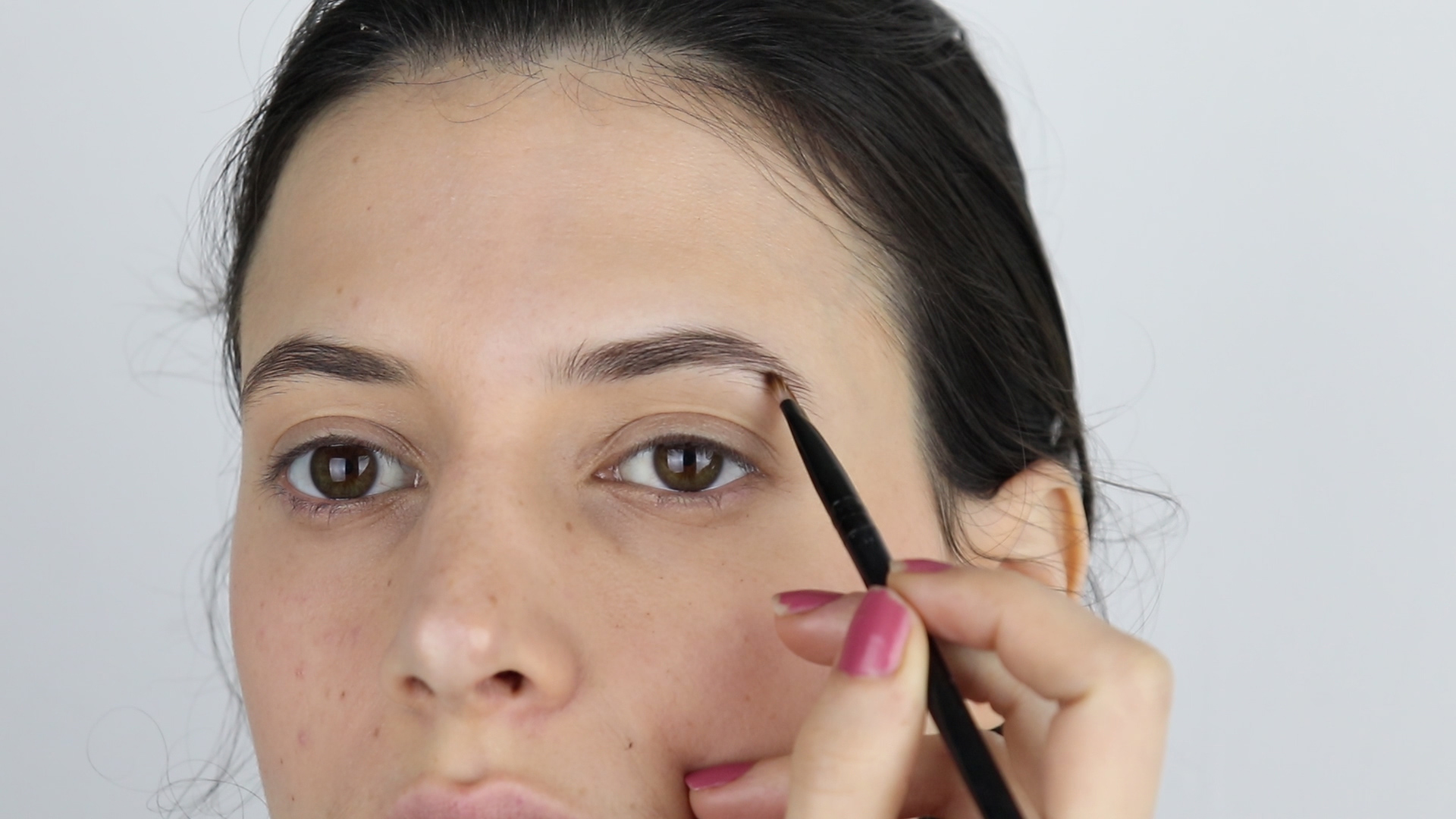
Eyebrows do a lot of heavy lifting for two strips of hair that never get a day off. They frame your face, help balance your features, and can make your makeup look polished even when the rest of your routine is running on coffee and blind optimism. The good news is that learning how to draw on your eyebrows does not require a beauty degree, a ring light, or a spiritual awakening in the cosmetics aisle. It mostly requires the right tool, a light hand, and the self-control to stop before your brows start looking like they were applied with a permanent marker.
If you have sparse spots, uneven tails, over-tweezed areas, or just want more definition, there are three classic ways to fill in eyebrows: with a pencil, with powder, or with a pomade or brow pen. Each one creates a different finish, and each one works best for a certain brow mood. Think of them as the eyebrow version of outfits: a pencil is your reliable jeans, powder is your soft knit sweater, and pomade is your structured blazer that says, “Yes, I absolutely remembered this meeting.”
In this guide, you will learn how to draw on eyebrows in three different ways, how to choose the best option for your brow type, and which common mistakes can turn a good brow day into an accidental costume choice. Let’s get into it.
Before You Start: Set Up Your Brows the Right Way
No matter which method you use, the prep work matters. Start with clean, dry brows. If there is leftover foundation, sunscreen, oil, or skin care sitting on the brow area, product can slide, skip, or cling in weird patches. Brush your brow hairs upward and outward with a spoolie first. This helps you see the natural shape of your brows and reveals where the sparse areas really are.
Next, map the basic structure. A simple trick is to identify three points: where your brow should begin, where the arch naturally peaks, and where the tail should end. You do not need to turn this into geometry homework, but having those points in mind keeps you from making one brow wander into a different zip code than the other.
One more rule that saves a lot of regret: keep the front of the brows softer and lighter than the arch and tail. Most natural brows are more diffused near the center of the face and more defined toward the outer end. If you fill in the front too darkly, your brows can look stamped on instead of naturally shaped.
Way 1: Use an Eyebrow Pencil for Natural, Hair-Like Definition
Why brow pencil works
If you want the most beginner-friendly method, start with a pencil. An eyebrow pencil is ideal for adding shape, sketching in tiny hair-like strokes, and filling small gaps without making the brows look too heavy. Fine-tip pencils are especially good for people who want a natural look or need to rebuild a sparse tail.
How to draw on your eyebrows with a pencil
Brush your brows upward with a spoolie. Then, using very light pressure, sketch the lower edge of the brow from the arch toward the tail. Do not press hard. You are guiding the shape, not engraving a monument. After that, lightly define the top edge from the arch outward. Once the tail is framed, go back and fill sparse spots with short, upward strokes that mimic real brow hairs.
Use the least amount of product at the front of the brow. Instead of drawing a solid vertical wall near your nose, use tiny flicks and then blend them with the spoolie. The spoolie is not optional here. It softens the lines, spreads pigment more evenly, and keeps the finished brow from looking like it was colored in during a stressful phone call.
Best for
This method is great for beginners, everyday makeup, naturally sparse brows, and anyone who wants more control. A pencil also works well if your brows already have a decent amount of hair and just need strategic filling.
Common pencil mistakes
The biggest mistake is using too much pressure. Heavy lines are harder to blend and can make the brow look flat and harsh. Another common mistake is choosing a shade that is too dark. In most cases, a shade that is close to your brow hair or slightly softer will look more believable than one that is dramatically deeper. Also, avoid drawing one long line across the entire brow. Real brow hair grows in tiny strokes, not in one uninterrupted slash of determination.
Way 2: Use Brow Powder for a Soft, Fuller Look
Why brow powder works
Brow powder is the soft-focus filter of eyebrow makeup. It creates fullness without a sharp outline, which makes it especially flattering if you like a more natural, diffused finish. Powder is excellent for filling broader areas of sparseness and works beautifully on people whose brows need more density rather than more detailed line work.
How to draw on your eyebrows with powder
Start by brushing the hairs into place. Then dip a small angled brush into the powder and tap off the excess. Press or sweep the powder into the brow in short motions, focusing mostly on the arch and tail first. Use whatever is left on the brush to lightly fill the front of the brow. This keeps the gradient softer and more realistic.
If you want extra definition, you can use a second, slightly deeper powder shade on the tail only. Then brush through everything with a spoolie to blur any sharp edges. Powder works best when layered gradually. If you go in too hard at the start, it can look chalky or cloudy instead of polished.
Best for
Powder is ideal for people who want a soft everyday brow, fuller-looking arches, or a finish that does not scream, “I spent 40 minutes perfecting this one eyebrow and now I am emotionally invested.” It is also a smart option if you find pencils too precise or pomades too intense.
Common powder mistakes
The most common issue with powder is overloading the brush. Too much product can settle unevenly on the skin under the brow hairs and create a dusty effect. Another mistake is skipping the spoolie after application. Blending is what turns powder from “makeup sitting on top” into “this could plausibly be my brow.”
Way 3: Use Pomade or a Brow Pen for Bold, Long-Lasting Brows
Why pomade and brow pens work
If you want stronger definition, a longer-wearing finish, or a more sculpted brow shape, pomade or a brow pen is your power move. Pomade is creamy, pigmented, and often waterproof or smudge-resistant, which makes it useful for fuller glam looks or long days. Brow pens, meanwhile, are great for drawing ultra-fine strokes that imitate actual hairs. They are excellent when you want detail with a slightly more graphic finish.
How to draw on your eyebrows with pomade
Use a very small amount of pomade on an angled brush. And when I say small, I mean “we are being respectful of the product” small. Start at the arch and work toward the tail using light, hair-like strokes. Then use whatever remains on the brush to fill the front lightly. This order matters because the front of the brow needs less pigment.
Blend as you go. Pomade can look gorgeous, but it can also go from elegant to theatrical in about three seconds if you overload the brush. If your goal is a natural finish, use the pomade mostly to create structure at the tail and lower line of the brow, then soften the rest with a spoolie.
How to draw on your eyebrows with a brow pen
With a brow pen, work on clean, dry skin and use quick flicking motions in the direction your hair naturally grows. Focus on areas where you want individual hair-like detail, especially the front of the brow, the arch, or a sparse tail. Brow pens are less about filling the whole brow like coloring inside the lines and more about strategically adding believable texture.
Best for
Pomade is best for long wear, strong shape, and more dramatic brows. Brow pens are best for realistic hair strokes, detail work, and people who want that feathery, lifted look without a thick block of color.
Common pomade and pen mistakes
The number-one pomade mistake is using too much product. The number-two mistake is pretending the number-one mistake did not happen. Brow pens, on the other hand, can look strange if you draw strokes in the wrong direction or place too many lines too close together. Keep the strokes uneven enough to look real, not like a tiny barcode above your eyes.
How to Choose the Best Way to Fill in Your Eyebrows
If your goal is natural definition, go with a pencil. If you want soft fullness, choose powder. If you want dramatic structure or extra staying power, use pomade. If you are after realistic detail and feathered strokes, a brow pen is a strong option.
You can also mix methods. Plenty of people use a pencil for the outline, powder for soft filling, and gel for hold. Others use a pen at the front for hair strokes and pomade only on the tail. Brows do not require loyalty to one format. This is not a sports team. Use what gives you the finish you want.
Eyebrow Mistakes That Can Ruin an Otherwise Good Brow Day
- Going too dark: A deeper shade can make brows look severe fast.
- Using too much product at the front: This creates a blocky, unnatural start.
- Ignoring your natural brow pattern: Working with your own shape is usually more flattering than forcing a completely different one.
- Skipping the spoolie: Brows almost always look better after brushing through.
- Using dirty tools or expired makeup: The eye area is delicate, so hygiene matters more than people think.
- Pushing through irritation: If a product stings, burns, or makes the skin around your brows angry, stop using it.
A final practical tip: set your finished brows if you want them to last. A clear or tinted brow gel can help hold hairs in place and keep the shape looking fresh. Just brush upward and outward lightly. There is no need to lacquer the brows into a weatherproof helmet.
of Real-Life Experience With Drawing on Eyebrows
My experience with learning how to draw on eyebrows can be summed up like this: at first, I thought it would be easy, and then my left brow humbled me. The right brow? Cooperative, elegant, practically born ready. The left one? A tiny rebel with no respect for symmetry, timing, or emotional peace. That mismatch taught me the most important brow lesson of all: eyebrows are sisters, not twins, and anyone promising identical results is either a magician or holding a stencil with suspicious confidence.
When I first started filling in my brows, I used way too much product because I assumed more color meant better definition. It did not. It meant I looked permanently surprised. I also made the classic mistake of drawing the front of the brow too dark. In the mirror, it seemed dramatic in a chic way. In daylight, it looked like my eyebrows had arrived at the event fifteen minutes before the rest of my face. Once I learned to keep the front softer and focus more color on the arch and tail, everything instantly looked more balanced.
The brow pencil phase was my true training era. It taught me patience and the value of tiny strokes. A pencil made it easier to see exactly where my brows were sparse, especially at the outer ends. It also taught me that pressure matters. If I held the pencil like I was signing a legal document, the result was stiff and obvious. If I used a lighter hand, the brow looked naturally fuller. That was the moment eyebrow makeup stopped feeling like drawing and started feeling like editing. I was not inventing a new face. I was just helping the one I already had look a little more polished.
Powder came later, and that was the phase where I understood the magic of softness. On rushed mornings, powder was forgiving. It filled in the brow without demanding perfection, which made it perfect for everyday wear. Powder also worked especially well on days when I wanted the rest of my makeup to stay minimal. A little tinted moisturizer, some mascara, soft brows, and suddenly I looked like I had my life together, even when I was eating breakfast while standing over the sink.
Pomade was the product that taught me respect. The first time I used it, I loaded far too much onto the brush and discovered that pomade does not play around. It is efficient, intense, and absolutely willing to expose bad technique. But once I learned to use the tiniest amount and start at the arch instead of the front, it became one of the most effective tools for a polished look that lasted all day. I especially liked it when humidity tried to sabotage the rest of my makeup.
The biggest overall lesson from experience is that great eyebrows usually come from restraint, not excess. The best brow days happen when the shape follows your natural pattern, the strokes are light, and the blending is patient. Every time I tried to force a trend that did not suit my actual brows, the result looked off. Every time I worked with my natural growth pattern, things looked better. So yes, eyebrow makeup is a skill. But it is also a conversation with your own face. The more you listen, the better the result.
Conclusion
Learning how to draw on your eyebrows gets a lot easier once you stop treating all brow products like they do the same job. A pencil gives you control and natural definition. Powder creates soft fullness. Pomade or a brow pen adds strong shape, detail, and staying power. The best choice depends on the finish you want, the amount of time you have, and how much patience you are willing to extend to that one eyebrow that likes to freestyle.
Start with clean brows, map the basic shape, use light strokes, keep the front soft, and blend well. That simple routine will get you farther than any trend-driven brow panic ever will. In other words, your best brows are probably not one miracle product away. They are one better technique away.