

Few household emergencies create chaos faster than this one: you hear a thump, a panicked yowl, and suddenly your cat is sprinting through the house wearing a glue trap like the world’s worst slipper. It is stressful, messy, and wildly unfair to everyone involvedespecially the cat. The good news is that, in many cases, you can remove mousetrap glue safely if you stay calm, work slowly, and use the right approach.
The basic strategy is simple: loosen the adhesive with a safe oil, gently free the fur or paw, then wash away the oily residue with mild dish soap. The basic strategy is not “panic, grab scissors, and improvise like you are in a reality show called Extreme Cat Grooming.” A little patience matters here because the wrong move can pull fur, irritate skin, or turn one sticky mess into a full-scale feline insult.
This guide walks through how to get mousetrap glue off a cat in 12 steps, when to call a veterinarian, what never to use, and how to prevent a repeat performance. It is written for real-life pet owners, not imaginary people whose cats politely sit still and say, “Yes, Mother, please proceed with the de-gluing.”
Before You Start: Know the Goal
When a cat gets caught in a sticky trap, your first priority is not making the fur look perfect. Your first priority is preventing more injury. Cats often twist, kick, and lick when frightened. That means glue can spread from one paw to the chest, tail, or face in seconds. So the mission is to stop the spiral, loosen the adhesive safely, and get your cat clean enough that they do not keep licking the residue.
In most mild cases, the safest home method is vegetable oil, mineral oil, or another plain pet-safe oil followed by a gentle liquid dish soap wash. If the glue is near the eyes, nose, mouth, or genitals, or if the cat is so distressed that handling becomes dangerous, skip the home heroics and call your vet right away.
How to Get Mousetrap Glue Off a Cat: 12 Steps
Step 1: Move your cat to a quiet, closed room
Shut the cat in a bathroom, laundry room, or other small space before the glue trap collects extra souvenirs like rugs, couch fabric, dust bunnies, and your remaining self-respect. A quiet room lowers stimulation and gives you a fighting chance to work safely. Keep other pets and children out. This is not an audience event.
Step 2: Check for emergency red flags
Look quickly for signs that this is not a DIY situation. Call a veterinarian immediately if the glue is stuck to the eyes, eyelids, inside the mouth, nose, or genitals, or if your cat is breathing hard, drooling heavily, limping, bleeding, or acting weak. Also get urgent help if your cat may have swallowed part of the trap or a significant amount of glue.
Step 3: Gather supplies before you touch the glue
You will need a towel, gloves if you have them, a bottle of vegetable oil or mineral oil, a few soft cloths or paper towels, mild liquid dish soap, lukewarm water, and another dry towel for cleanup. A helper is useful if your cat is wiggly. An e-collar is helpful too, especially for cats who believe every crisis should be solved by frantic licking.
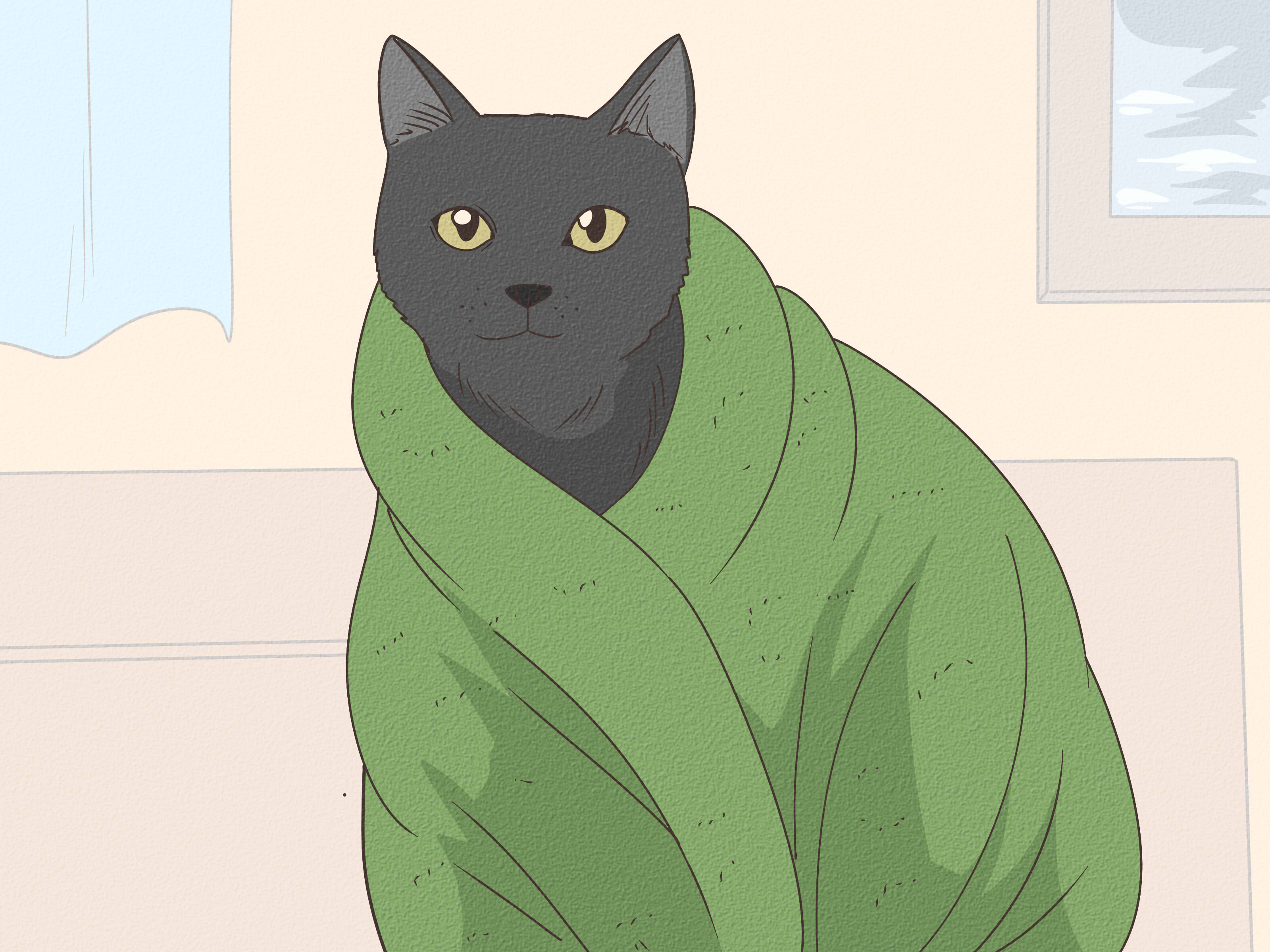
Step 4: Wrap and restrain gently
Use a towel to make a loose “kitty burrito,” leaving only the stuck area exposed. The goal is control, not wrestling. Speak calmly and move slowly. If your cat is escalating instead of settling, stop and reassess. A frightened cat can scratch, bite, and twist hard enough to make skin injuries worse.
Step 5: Warm the oil slightly, but do not heat it
Run the closed oil bottle under warm water for a minute or two so it feels comfortably warm on your wrist, not hot. Slightly warmed oil spreads more easily and helps soften the adhesive. Do not microwave it, do not overheat it, and absolutely do not turn this into a spa treatment your cat did not request.
Step 6: Apply oil directly to the sticky area
Pour a small amount of oil onto the glued fur, paw, or trap edge. Massage it in gently with your fingers or a soft cloth. Work at the point where the cat is attached to the board. Be generous enough to soften the glue, but not so generous that your bathroom floor becomes a slip-and-slide.
Step 7: Wait and massage patiently
Do not yank. Give the oil a few minutes to loosen the bond while you continue to massage the area. Sticky trap adhesive usually softens gradually, not instantly. This part can feel slow, but patience prevents fur loss and skin trauma. Think “steady rescue mission,” not “rip off Band-Aid.”
Step 8: Peel the trap away little by little
As the glue softens, gently lift the board away in small sections. Add more oil anywhere resistance remains. If one paw or patch of fur is still firmly stuck, go back to oil and massage rather than pulling harder. The trap should come away because the adhesive weakens, not because you won an arm-wrestling contest with it.
Step 9: Remove leftover residue from fur and paw pads
Once the main board is off, you may still have tacky residue on the coat or paw pads. Apply a little more oil and work the remaining glue loose with your fingers or a soft cloth. A fine comb can help on longer fur if your cat tolerates it, but never scrape at the skin. If a thick patch remains stuck close to the skin, let a vet or groomer handle it.
Step 10: Wash with mild dish soap and lukewarm water
After the glue is loosened, wash the area with a gentle liquid dish soap and lukewarm water to remove the oil. Rinse well. You may need to wash more than once because adhesive clean-up is the gift that keeps giving. Avoid getting soap into the eyes, nose, or mouth. If the glue was on the face, use a damp cloth and work carefully instead of pouring water everywhere.
Step 11: Dry thoroughly and stop the licking
Use a clean towel to dry your cat as much as possible. Keep them warm until the coat is dry, especially if a large area had to be washed. Then watch for licking. Cats are dedicated self-cleaners, which is charming right up until they decide to ingest the leftovers. If needed, use an e-collar or keep your cat supervised until the fur is clean and dry.
Step 12: Monitor your cat for the next 24 hours
Check the skin for redness, swelling, soreness, bald spots, or limping. Call the vet if your cat seems painful, will not bear weight on a paw, keeps obsessively licking one area, or develops vomiting, lethargy, or unusual behavior. Even when the crisis looks resolved, a stressed cat can still end up with skin irritation or a small injury hidden under the fur.
What Not to Do
Some mistakes make a bad situation dramatically worse. Do not use solvents like paint thinner, acetone, lighter fluid, or adhesive removers intended for household surfaces. Those products can irritate the skin, create toxic exposure, or leave you explaining to a veterinarian why your cat smells like a hardware aisle.
Do not grab scissors and start cutting near the skin unless a veterinarian or professional groomer has told you it is safe. While a tiny amount of carefully clipping long fur may help in some easy-to-reach spots, most owners are much safer skipping scissors entirely. Cats do not hold still, and sticky fur pulls the skin upward, which makes accidental cuts more likely.
Do not force a huge bath on a panicked cat if the stress is spiraling out of control. A full-body wash sounds reasonable until you are bleeding, the cat is airborne, and the glue is somehow now on the shower curtain. If your cat is impossible to handle, a veterinary team may need to help, and in some cases sedation is the kinder option.
When You Should Call a Vet Right Away
Home removal is best reserved for mild cases involving paws, legs, or small patches of fur. You need professional help sooner rather than later if the adhesive is on delicate areas like the face, if the cat swallowed glue, or if the trap came with any toxic bait nearby. A veterinarian is also the best choice when the glue is spread over a large section of the body or the cat has already injured itself while struggling.
Call immediately if your cat has trouble breathing, seems unusually cold or weak, has pale gums, is bleeding, or cannot walk normally after the incident. Severe glue-trap cases can leave animals exhausted, chilled, dehydrated, or injured. That is not the moment to crowdsource solutions from your cousin who once removed gum from a backpack.
How to Prevent Another Sticky Disaster
If your cat got into one glue trap, assume they are curious enough to get into another. The best prevention is simple: stop using glue traps in areas your pet can access. Better yet, rethink them entirely. They are messy, indiscriminate, and notorious for catching the wrong victim, from pets to wildlife to one horrified human trying to fix the problem.
Long-term rodent control works better when you remove the buffet. Store dry food in sealed containers, clean crumbs, take out trash regularly, close wall gaps and entry points, and keep pet food from sitting out overnight. If trapping becomes necessary, talk with a pest professional about safer, more targeted options and place any control method where pets absolutely cannot reach it.
Real-Life Experiences and Lessons From Sticky Cat Emergencies
One of the clearest patterns in glue-trap emergencies is that people almost always remember the first sound. Sometimes it is a thud under the sink. Sometimes it is the skitter of cardboard slapping across the floor while the cat runs like a furry getaway vehicle. Sometimes it is silence, which is somehow worse. Then comes the sight: a cat with one paw glued down, or two paws, or a tail involved for no logical reason other than cats have a gift for making minor problems impressively complicated.
Many owners say the first instinct is to pull the trap off fast. Almost all of them regret that idea immediately. The moment the trap resists, the cat panics harder, and what looked like a simple “unstick the paw” situation suddenly becomes glue on the leg, chest, and whiskers. The biggest lesson repeated over and over is that speed feels helpful, but gentleness is what actually solves the problem.
Another common experience is underestimating how much oil and repetition the process takes. People expect one dab of oil and a tidy movie scene ending. Real life is messier. It often takes several rounds of oil, slow massage, wiping, more oil, then a wash, then another wash because the cat is now technically clean but still slick enough to qualify as salad. The encouraging part is that patient work usually gets there.
Owners also learn very quickly that cats hate surprise baths with the fiery passion of a thousand offended suns. Even sweet cats can become defensive when stressed, sticky, and damp. That is why towel restraint, a calm room, and a helper matter so much. People who tried to do everything at once often describe the event as “a disaster.” People who paused, wrapped the cat, and worked in stages usually describe it as “terrible, but manageable.” That difference matters.
There are also cautionary stories. Some pet owners tried household adhesive removers because they worked on counters or floors. Veterinary teams later had to deal with the added problem of chemical exposure. Others reached for scissors and accidentally nicked the skin because glued fur does not lie flat. Those experiences all point to the same practical truth: the safest plan is the boring plan. Oil. Patience. Soap. Rinse. Monitor. Vet when needed. Boring wins.
And finally, many people come away from the experience with a completely different opinion of glue traps themselves. What seemed like a cheap, easy pest-control tool turns out to be a magnet for suffering, stress, and secondary emergencies. Pets do not understand why their paw is suddenly attached to the floor. They only know they are scared. That is why one sticky incident often changes how a household handles rodent control from then on. Nobody wants a sequel to this story.
Conclusion
If you need to know how to get mousetrap glue off a cat, remember the core rule: do not rip, do not scrub, and do not use harsh chemicals. Use a plain oil to soften the adhesive, free the trap slowly, wash the area with mild dish soap, and keep your cat from licking the residue. When the glue involves sensitive areas, a large amount of fur, or a highly distressed cat, professional veterinary help is the smartest move.
Sticky trap accidents feel dramatic because they are dramatic. But with a calm setup, the right materials, and a little patience, many cats recover just fine. Then they go back to acting like you are the one who created the inconvenience. Classic cat behavior. Zero gratitude. Full recovery energy.