

Spilling nail polish on carpet feels dramatic in a very specific way. One second you are feeling glamorous, and the next second your floor looks like it lost a fight with a tiny paint can. The good news is that a nail polish stain does not always mean your carpet is doomed. The better news is that you do not need to panic, rub like crazy, or say goodbye to your security deposit just yet.
If you want to know how to get nail polish out of carpet, the key is choosing the gentlest method that actually works. Fresh spills usually respond better than dried ones, and synthetic carpets often tolerate more than delicate natural fibers. Still, the same big rules apply almost every time: act fast, blot instead of scrub, test every cleaner in a hidden area first, and do not soak the carpet pad underneath. Think of it as stain removal with a little patience and a lot less drama.
Before You Start: The Carpet-Saving Rules That Matter Most
Before trying any nail polish stain removal method, take a breath and set yourself up for success. Start by grabbing white paper towels or clean white cloths. Colored towels can transfer dye, which would be an impressively rude twist. Open a window if you are using any solvent-based cleaner. Then test your chosen product on a hidden corner of the carpet, inside a closet, or under a piece of furniture.
Next, figure out what kind of spill you have:
- Wet nail polish: Focus on lifting as much product as possible before it hardens.
- Dried nail polish: Gently loosen the crust first, then work on dissolving the residue.
- Large or thick spill: Expect to repeat your chosen method several times.
- Delicate or expensive carpet: Use the mildest option first and consider calling a professional sooner rather than later.
One more important thing: do not pour cleaner straight onto the carpet unless the product directions specifically allow it. Apply it to a cloth, cotton pad, or swab whenever possible. You want the stain damp, not flooded. Saturating the spot can drive polish deeper into the fibers and padding, which is exactly the kind of plot twist nobody asked for.
Technique 1: Blot and Lift the Fresh Spill Immediately
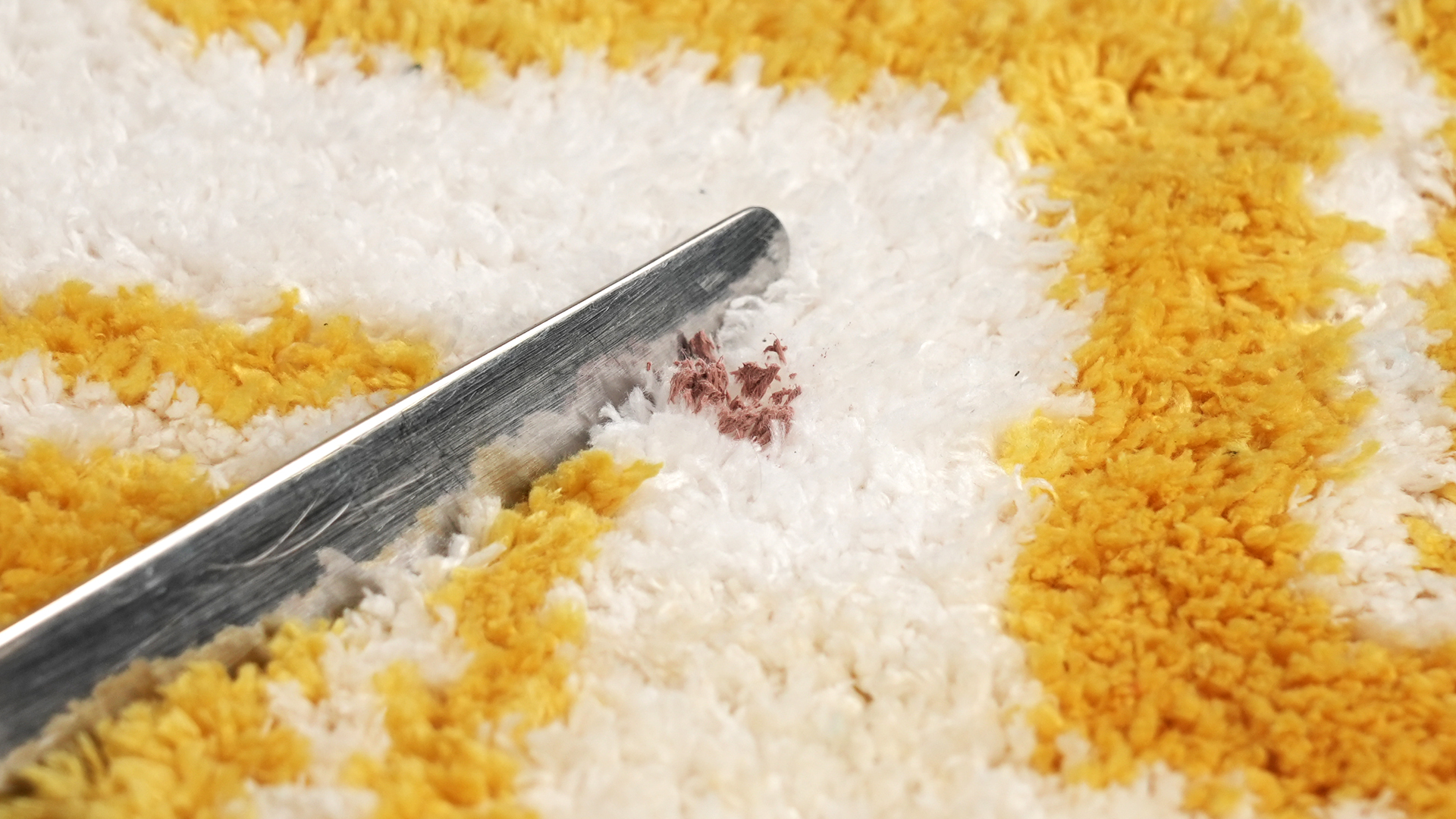
If the nail polish is still wet, your first move is simple: remove as much of it as possible before you start dissolving anything. Use the edge of a spoon, dull knife, or old gift card to gently scoop up the excess. Work carefully so you do not spread the stain wider. Then blot with a white cloth or paper towel.
Do not rub. Not even a little. Rubbing can push the polish deeper into the carpet fibers and smear it into a bigger circle. Blot straight down, lift, and repeat. This technique alone will not usually erase the stain completely, but it gives every other method a much better chance of success.
Best for: Wet spills of any color, especially thick or puddled polish.
Watch out for: Smearing the stain outward while trying to “wipe” it up.
Technique 2: Try Non-Acetone Nail Polish Remover First
When people search for how to get nail polish out of carpet, this is usually the first method that comes to mind. And honestly, it is a reasonable place to start. A small amount of non-acetone nail polish remover can help break down fresh or partially dried polish without being as harsh as stronger solvent formulas.
How to do it
- Dab a little non-acetone remover onto a white cloth or cotton ball.
- Blot the stained area gently from the outside toward the center.
- Switch to a clean section of cloth as the polish transfers.
- Once the stain starts lifting, blot with a damp cloth to remove residue.
- Dry with paper towels.
This method works especially well on small spots and newer spills. If the carpet looks fine during your spot test and the polish is coming up, stay patient and keep blotting.
Best for: Fresh stains, small spills, and most everyday carpets.
Watch out for: Over-wetting the area or assuming “more remover” equals “faster results.” It usually just equals a soggier problem.
Technique 3: Use Rubbing Alcohol for Residual Color
Sometimes the thick polish comes up, but a bright pink, cherry red, or suspicious glitter-shadow remains behind. That is where rubbing alcohol can help. It is often useful for loosening the dye left after the top layer of polish is gone.
How to do it
- Pour a small amount of rubbing alcohol onto a white cloth, not directly onto the carpet.
- Blot the stain gently.
- Rotate to a clean section of cloth often.
- Follow with a damp cloth to rinse the area.
- Blot dry.
This is a good middle-ground option when you want something effective but not overly aggressive. It can also help after a non-acetone remover treatment if the stain is lighter but still visible.
Best for: Leftover color, light residue, and medium-sized stains.
Watch out for: Scrubbing hard enough to rough up the carpet pile.
Technique 4: Use Hairspray with a Little Rubbing Alcohol
This one sounds like a cleaning tip invented during a beauty pageant emergency, but it can work. Some cleaning guides recommend alcohol-based hairspray, sometimes paired with rubbing alcohol, to help loosen nail polish from carpet fibers. The trick is moderation. You are treating a stain, not shellacking your living room.
How to do it
- Lightly mist the stained area with hairspray.
- Add a small dab of rubbing alcohol on a cloth if needed.
- Blot and gently work the stain from the outside in.
- Rinse with a damp cloth and blot dry.
Because modern hairspray formulas vary a lot, this is one of those methods that absolutely requires a spot test. It can be surprisingly helpful on stubborn stains, but it is not my first choice for delicate fibers.
Best for: Stubborn polish that is not responding to simpler methods.
Watch out for: Sticky residue if you skip the rinse step.
Technique 5: Clean the Area with Dish Soap and Warm Water
After using any solvent-based technique, you should usually follow up with a gentle wash. Dish soap and warm water help remove residue, lift remaining tint, and keep the spot from attracting fresh dirt later. It is not flashy, but it is one of the most important parts of the whole process.
How to do it
- Mix a small amount of clear dish soap with warm water.
- Dampen a clean cloth with the solution.
- Blot the area from the outside in.
- Rinse with another cloth dampened with plain water.
- Press dry with paper towels.
If you skip this step, the carpet may look fine at first and then develop a dingy “why does this spot look weird now?” halo later. Soap cleanup helps prevent that.
Best for: Final cleanup, mild stains, and post-remover rinsing.
Watch out for: Leaving soap behind, which can cause rapid re-soiling.
Technique 6: Try a White Vinegar Solution for Light Staining
White vinegar is one of those classic cleaning staples that seems to live in every advice column and every grandparent’s kitchen. For nail polish on carpet, it is not always the strongest first-line option, but it can help with light staining, cleaner residue, and leftover discoloration after the main polish has been lifted.
How to do it
- Mix equal parts white vinegar and water, or use a lightly diluted vinegar solution.
- Apply it to a cloth rather than pouring it onto the carpet.
- Blot gently.
- Rinse with plain water and blot dry.
Vinegar is most useful as a backup player, not always the star of the show. If the polish itself is still thick and glossy, start with a remover or alcohol method first. Then come back with vinegar to freshen the area.
Best for: Light stains, faint residue, and cleanup after stronger products.
Watch out for: Mixing vinegar with other cleaners. Keep your chemistry calm and your carpet calmer.
Technique 7: Use Baking Soda and Club Soda for a Gentler Approach
If you want a milder DIY carpet stain treatment, baking soda and club soda can be worth trying. Baking soda helps absorb, while club soda can assist with loosening surface residue. This technique is usually better for small stains, pale polish, or the final stages of cleanup rather than a giant blob of vampy burgundy lacquer.
How to do it
- Sprinkle baking soda over the stained area.
- Lightly dampen it with club soda.
- Let it fizz and sit for several minutes.
- Blot with a clean cloth.
- Repeat if needed, then vacuum once fully dry.
This is a nice option when you are trying to avoid harsher solvents or when the stain is already mostly gone and just needs one last push.
Best for: Light residue, gentle stain lifting, and odor-free cleanup.
Watch out for: Expecting it to dissolve a thick, dried, dark polish spill in one round. It is helpful, not magical.
Technique 8: Use a Dry-Cleaning Solvent or Carpet Stain Remover
For dried nail polish or tougher stains, a dry-cleaning solvent or carpet-safe stain remover can be more effective than pantry solutions. This is especially true when the polish has hardened into the fibers and basic blotting is no longer enough.
How to do it
- First, gently scrape off any brittle dried polish with a dull tool.
- Apply a small amount of dry-cleaning solvent or carpet stain remover to a white cloth.
- Blot the stain carefully, working from the edge inward.
- Repeat until the transfer stops.
- Follow with dish soap and water, then rinse and dry.
This technique is often one of the better choices for old spills you just discovered after moving a chair and gasping dramatically. If the stain is large, dark, or deeply set, repeat the process slowly rather than attacking it like you are sanding a deck.
Best for: Dried nail polish, old stains, and stubborn spots.
Watch out for: Using oily products that leave residue behind.
Technique 9: Bring in a Portable Carpet Cleaner or a Professional
Sometimes the smartest DIY move is knowing when to stop doing DIY. If the spill is large, the polish is glitter-heavy, the carpet is wool or high-end, or the stain keeps reappearing after drying, a portable carpet cleaner or professional carpet cleaning service may be your best option.
A portable carpet cleaner can help rinse and extract moisture after you have loosened the stain. A professional cleaner may be the better call for white carpet, patterned rugs, expensive area rugs, or any stain that has already survived several rounds of home treatment. In other words, when your carpet is worth more than your confidence, call backup.
Best for: Large spills, delicate carpet, recurring stains, and dried polish disasters.
Watch out for: Waiting too long and giving the stain more time to settle permanently.
Common Mistakes That Make Nail Polish Stains Worse
A lot of nail polish carpet disasters become bigger because of a few classic mistakes:
- Rubbing instead of blotting
- Skipping the hidden spot test
- Pouring cleaner directly onto the carpet
- Using too much product
- Leaving soap or solvent residue behind
- Using colored towels that can bleed
- Trying five different cleaners at once like you are hosting a chemistry talent show
Gentle, repeated treatment usually beats one aggressive cleaning attempt. Slow is smooth, and smooth is how your carpet keeps its dignity.
Final Thoughts
Learning how to get nail polish out of carpet is mostly about speed, patience, and choosing the right method for the type of spill in front of you. Start by lifting the excess polish, then move to a tested stain remover method such as non-acetone remover, rubbing alcohol, or a carpet-safe solvent. Finish by rinsing thoroughly and drying the area well.
If one method does not work the first time, that does not mean the carpet is ruined. It usually means the stain needs another gentle pass, a slightly different approach, or a professional cleaner. Nail polish is stubborn, but carpet stains are often more beatable than they look in the first five panicked minutes.
Real-Life Experiences and Lessons From Nail Polish Carpet Disasters
One of the most useful things I have learned about nail polish stains is that the first minute changes everything. A friend once dropped a bottle of bright coral polish in a rental apartment right before guests arrived. Her first instinct was to grab a wet rag and scrub like she was trying to erase a mistake from existence. Bad plan. The stain spread, the pile got fuzzy, and the coral color suddenly looked twice as ambitious. Once she switched to blotting, used a small amount of remover on a cloth, and rinsed with dish soap and water, the spot improved dramatically. Not perfect on the first try, but dramatically.
Another experience came from a much sneakier problem: dried polish. A little bottle tipped over in a teenager’s bedroom and went unnoticed until the next morning. By then, the top looked like a crunchy art project. The best move was not soaking it immediately. First, the hardened surface was gently lifted with a spoon. Only after the brittle bits were removed did the solvent method start making progress. That situation taught an important lesson: dried nail polish usually needs a lift-then-loosen strategy, not a flood-and-pray strategy.
Glitter polish, by the way, deserves its own paragraph because glitter polish has the emotional energy of a prank. Even when the color comes out, the sparkle likes to linger in carpet fibers like an uninvited party guest. In that case, a combination approach tends to work best: lift the bulk of the stain, dissolve what you can, rinse, dry, and vacuum well after the area is fully dry. Sometimes a second vacuum the next day helps even more. Glitter respects no one.
There is also a major difference between “cheap apartment carpet” and “nice rug I actually care about.” On low-pile synthetic carpet, you can often be a little more practical and persistent. On wool, vintage rugs, patterned carpet, or anything expensive, every decision matters more. That is where caution wins. Hidden spot testing, small amounts of product, and early professional help are not overreactions. They are what smart people do when they would rather not turn a nail polish stain into a tuition-level mistake.
The biggest pattern across almost every real-world experience is this: people usually make things worse by rushing in the wrong way, not by moving too slowly on purpose. Fast action is helpful, but frantic action is not. If you blot first, choose one method at a time, rinse thoroughly, and let the area dry before judging the result, you give yourself a much better shot at success. The stain may not disappear in one perfect movie montage, but many carpet spots improve a lot with calm, repeated treatment.
So yes, spilling nail polish on carpet is annoying. It may inspire a dramatic sigh, a few regrettable words, and a temporary loss of faith in manicure night. But in many cases, it is fixable. And if nothing else, it is a powerful reminder that maybe the best place to paint your nails is not directly over soft beige carpet. The carpet did not ask for a manicure, after all.