

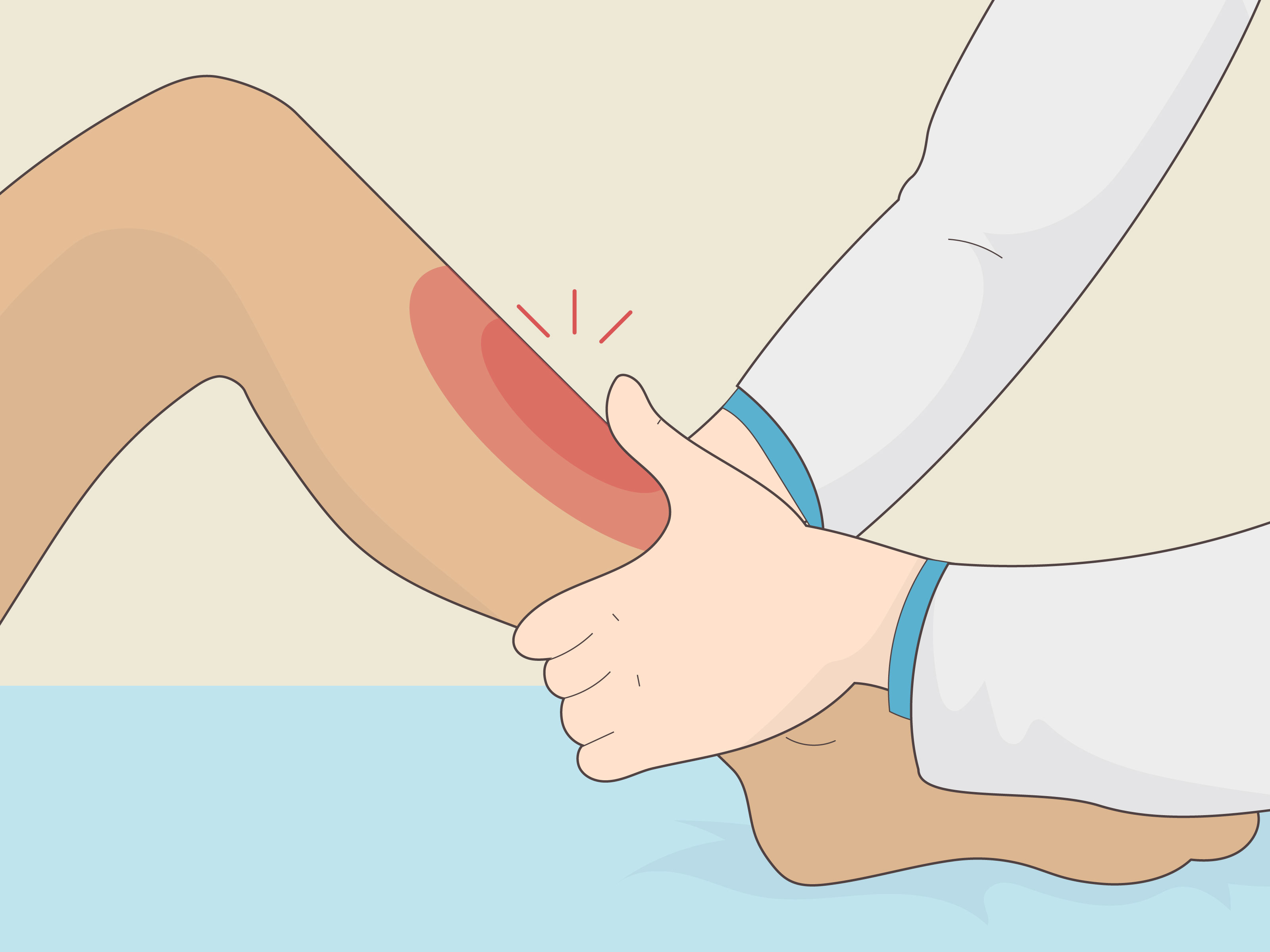
Shin splints have a special talent for appearing right when you finally commit to running, walking more, playing a sport, or conquering that “easy” workout your friend swore was beginner-friendly. One day your legs feel heroic; the next, your shins feel like they filed a formal complaint.
The good news: most shin splints, also called medial tibial stress syndrome, improve with smart home care and a few training changes. The less fun news: “fast” does not mean “ignore the pain and keep running like a movie montage.” Fast recovery comes from reducing irritation quickly, supporting healing, and avoiding the mistakes that turn a small ache into a stubborn injury.
This guide explains how to get rid of shin splints fast using 11 practical relief strategies based on real sports medicine advice. You will learn what helps, what slows recovery, when to see a healthcare professional, and how to return to activity without your shins dramatically resigning again.
What Are Shin Splints?
Shin splints are pain along the shinbone, usually caused by repeated stress on the muscles, tendons, and bone tissue around the tibia. They are common in runners, dancers, military trainees, basketball players, tennis players, hikers, and anyone who suddenly increases activity.
The pain often feels dull, sore, or tender along the inner edge of the shin. It may start during exercise, fade with rest, and return when you train again. If ignored, it can become more constant and harder to manage.
Common Causes of Shin Splints
Shin splints usually happen when your lower legs are asked to do too much too soon. Common triggers include:
- Increasing running distance, speed, or frequency too quickly
- Training on hard surfaces like concrete
- Running hills or doing lots of jumping
- Wearing worn-out or unsupportive shoes
- Having flat feet, high arches, or poor ankle control
- Skipping strength work for calves, hips, feet, and core
- Returning to sport too soon after a break
Think of shin splints as your body’s warning light. It is not saying, “You are doomed.” It is saying, “Please stop flooring the gas pedal while the engine is smoking.”
How Fast Can Shin Splints Go Away?
Mild shin splints may feel noticeably better within a few days if you reduce painful activity, ice the area, and avoid impact. Many cases take a few weeks to settle. More stubborn cases can take longer, especially if training mistakes continue.
The fastest path is not a magic stretch or miracle shoe insert. It is a combination of rest, pain control, mobility, strengthening, footwear support, and gradual return to activity.
How to Get Rid of Shin Splints Fast: 11 Relief Strategies
1. Stop the Activity That Triggers Pain
The first step is simple but emotionally annoying: stop doing the thing that hurts. If running, jumping, sprinting, or uphill walking causes shin pain, pause that activity for now. Continuing through pain can increase irritation and delay recovery.
This does not mean you must become one with the couch. It means switching to lower-impact movement that does not worsen symptoms. Cycling, swimming, water jogging, or gentle elliptical work may help you stay active while your shins calm down.
Fast relief tip: Use the “pain test.” If pain increases during activity, changes your stride, or lingers afterward, that activity is not your friend right now.
2. Ice Your Shins the Right Way
Ice can help reduce pain and swelling, especially during the first few days of a flare-up. Apply a cold pack wrapped in a thin towel for 15 to 20 minutes at a time. Repeat several times a day if needed.
Do not place ice directly on your skin unless you enjoy adding frostbite drama to your shin drama. A towel barrier keeps the skin protected while still cooling the irritated tissue.
Best time to ice: after activity, after school or work, and whenever your shins feel tender or warm.
3. Use Compression and Elevation
A compression sleeve or elastic bandage may help manage mild swelling and provide a comfortable sense of support. It should feel snug, not like your leg is being packaged for shipping.
Elevating your legs can also help, especially at the end of the day. Try resting with your shins above heart level for 10 to 20 minutes. This is a great time to scroll, read, or stare at the ceiling while pretending you are doing “recovery science.”
Safety note: Remove compression if you feel numbness, tingling, increased pain, coldness, or skin color changes.
4. Switch to Low-Impact Exercise Temporarily
One of the biggest mistakes people make is stopping all movement, then returning to full training too quickly. A better approach is relative rest: reduce impact while maintaining fitness.
Good low-impact options include swimming, cycling, rowing, water running, and gentle strength training. These keep your body moving without repeatedly pounding the tibia.
For example, if your usual workout is a 30-minute run, replace it with 25 minutes on a stationary bike plus 10 minutes of stretching. Your lungs still work. Your shins do not send angry emails.
5. Stretch Tight Calves and Shins
Tight calf muscles can increase stress on the lower leg. Gentle stretching may reduce tension and improve comfort. Focus on both the gastrocnemius and soleus musclesthe two main calf muscles that love to pretend they are not involved.
Try these simple stretches:
- Straight-knee calf stretch: Stand facing a wall, step one foot back, keep the back knee straight, and press the heel down.
- Bent-knee calf stretch: Use the same position, but slightly bend the back knee to target the deeper soleus muscle.
- Anterior shin stretch: Gently point your toes behind you while standing or kneeling, stopping if you feel sharp pain.
Hold stretches for 20 to 30 seconds and repeat two to three times. Stretching should feel like mild tension, not a medieval punishment.
6. Strengthen the Muscles That Protect Your Shins
Stretching helps, but strengthening is what keeps shin splints from returning. Weak calves, hips, feet, and core muscles can force the shins to absorb more stress than they should.
Start with gentle exercises once pain has calmed down:
- Toe raises: Stand with heels on the floor and lift the front of your feet.
- Calf raises: Rise onto your toes slowly, then lower with control.
- Step-ups: Step onto a low platform while keeping the knee aligned over the foot.
- Glute bridges: Strengthen the hips so your lower legs do not do all the work.
- Single-leg balance: Improve ankle control and foot stability.
Begin with low volume, such as two sets of 8 to 12 repetitions. If symptoms increase, back off. The goal is to build capacity, not audition for a superhero sequel.
7. Try Gentle Foam Rolling or Soft Tissue Work
Foam rolling may help reduce muscle tightness around the calves and outer lower legs. It should be gentle. Avoid rolling directly and aggressively over the painful edge of the shinbone.
Use slow pressure over the calf muscles for 30 to 60 seconds per area. You can also use your hands to gently massage tight spots around the lower leg. If you feel sharp, electric, or worsening pain, stop.
Helpful rule: Soft tissue work should make the leg feel looser afterward, not bruised and betrayed.
8. Check Your Shoes
Old shoes can lose cushioning and support, even if they still look acceptable from a distance. If your running shoes have hundreds of miles on them, uneven wear, collapsed cushioning, or a heel that leans like a tired tower, they may be contributing to shin pain.
Choose athletic shoes that match your activity, foot shape, and training surface. Some people with flat feet or high arches may benefit from shoe inserts or custom orthotics, especially if shin splints keep coming back.
For runners, a specialty running store or sports medicine professional can sometimes evaluate gait and shoe fit. This is more useful than buying the flashiest shoe on the wall and hoping neon colors provide medical benefits.
9. Avoid Hard Surfaces and Hills During Recovery
Running on concrete, doing hill repeats, or jumping on hard floors can increase stress on the shins. During recovery, choose softer and flatter surfaces when possible.
Better options include tracks, packed dirt paths, grass fields, or treadmills with controlled incline. Keep workouts flat and easy until you can move without pain.
When you return to hills, speed work, or jumping, add them gradually. Your shins need time to adapt to extra load.
10. Use Over-the-Counter Pain Relief Carefully
Over-the-counter pain relievers may help with discomfort, but they should not be used to hide pain so you can train harder. Pain is information. Muting it and sprinting anyway is how small injuries become bigger ones.
Adults may consider medications such as ibuprofen, naproxen, or acetaminophen if they are safe for them. Teens should ask a parent, guardian, pharmacist, or healthcare professional before using medication. Aspirin is generally not recommended for children or teenagers unless a clinician specifically advises it.
Do not take anti-inflammatory medicines if you have been told to avoid them, have certain stomach, kidney, bleeding, or medication-interaction risks, or are unsure what is safe.
11. Return to Running or Sports Gradually
Once walking is pain-free and daily activities feel normal, you can begin a gradual return. Start with short, easy sessions. A walk-run plan works well for many people.
Example return plan:
- Day 1: Walk 5 minutes, jog 1 minute, repeat 5 times
- Day 2: Rest or low-impact cross-training
- Day 3: Walk 4 minutes, jog 2 minutes, repeat 5 times
- Day 4: Rest, mobility, and strength work
- Day 5: Easy walk-jog only if symptoms stay quiet
Increase only one thing at a time: distance, speed, hills, or frequency. The classic “too much, too soon” mistake is the villain in nearly every shin splints story.
When to See a Doctor for Shin Splints
Most shin splints improve with self-care, but not all shin pain is harmless. See a healthcare professional if pain is severe, does not improve after rest, appears in one specific pinpoint area, continues at night, causes swelling, makes walking difficult, or returns every time you exercise.
You should also get checked if you have numbness, weakness, unusual tightness, or pain that feels intense during activity and improves only after stopping. These symptoms may point to other conditions, such as a stress fracture or exertional compartment syndrome.
A clinician may examine your leg, review your training, check your footwear, and order imaging if needed. A physical therapist can help identify strength, mobility, gait, or training issues that keep the problem coming back.
What Not to Do If You Want Shin Splints to Heal Fast
Sometimes recovery is less about finding the perfect trick and more about avoiding the obvious traps. If you want shin splints to heal faster, avoid these common mistakes:
- Running through pain because “it will loosen up”
- Returning to full workouts after one pain-free day
- Only stretching and never strengthening
- Using pain relievers to push through training
- Ignoring worn-out shoes
- Adding hills, speed, and distance all in the same week
- Assuming every shin pain is automatically shin splints
Your body is adaptable, but it appreciates a reasonable negotiation. Give it less impact, better support, and a gradual plan, and it usually responds well.
How to Prevent Shin Splints From Coming Back
Prevention starts with training progression. Increase mileage or workout intensity slowly. A common approach is to avoid sudden jumps in weekly training volume. Your exact limit depends on your fitness, history, sport, sleep, nutrition, and recovery.
Warm up before activity with dynamic movements such as leg swings, ankle circles, gentle marching, and easy jogging. After activity, cool down and stretch. Add strength training two to three times per week, focusing on calves, hips, glutes, feet, and core.
Rotate high-impact workouts with lower-impact days. Replace worn shoes before they become sad pancakes. And pay attention to early warning signs. A small ache caught early is much easier to fix than a full-blown lower-leg rebellion.
Experience-Based Notes: What Shin Splints Recovery Often Feels Like
People often expect shin splints to disappear the moment they start icing and stretching. In real life, recovery tends to feel more like turning down the volume on a loud radio. The pain may not vanish overnight, but it should become less sharp, less frequent, and easier to manage as you reduce impact and build support.
One common experience is the “false comeback.” A runner rests for three days, feels better walking around, then immediately tries the same route, same pace, same hills, and same playlist that caused the problem. Halfway through, the shin pain returns like it never left. This does not mean recovery failed. It means the return was too aggressive. Pain-free walking is not the same as being ready for sprint intervals or a long run.
Another common pattern is discovering that the real problem is not only the shin. Tight calves, weak hips, poor ankle control, and tired shoes often team up behind the scenes. Someone may foam roll the shin every day and wonder why the pain returns, only to realize their calves are stiff, their glutes are undertrained, and their shoes have the shock absorption of cardboard. Once they add calf raises, toe raises, step-ups, and better footwear, the shins finally get a break.
Students and busy adults often struggle because rest feels like losing progress. But smart rest is not laziness. It is training with a brain attached. Swapping a painful run for cycling or swimming can maintain fitness while lowering stress on the tibia. Many athletes return stronger because the injury forces them to build the strength and mobility they skipped before.
Shin splints also teach patience. The first win may be walking downstairs without wincing. The next win may be jogging for one minute without pain. Then five minutes. Then a full easy session. These small wins matter because they show the tissue is tolerating load again.
The most successful recoveries usually include three habits: listening early, adjusting quickly, and progressing slowly. People who stop at the first warning signs often recover faster than people who treat pain like a motivational quote. People who strength train and improve footwear often stay better longer. And people who return gradually are less likely to repeat the same injury cycle.
In short, getting rid of shin splints fast is not about forcing the body to obey. It is about giving the lower legs a better job description: less pounding, more support, stronger muscles, and enough time to adapt. Your shins are not trying to ruin your fitness goals. They are simply asking for better managementwith slightly dramatic timing.
Conclusion
Shin splints can be frustrating, but they are usually manageable with the right plan. The fastest relief comes from stopping painful impact, icing, using compression and elevation, stretching tight muscles, strengthening weak areas, checking shoes, and returning to activity gradually. If pain is severe, persistent, pinpoint, or unusual, get medical help to rule out a more serious injury.
The big takeaway: do not just chase quick pain relief. Fix the reason your shins became overloaded in the first place. That is how you recover faster, train smarter, and keep your legs from sending another strongly worded complaint.