

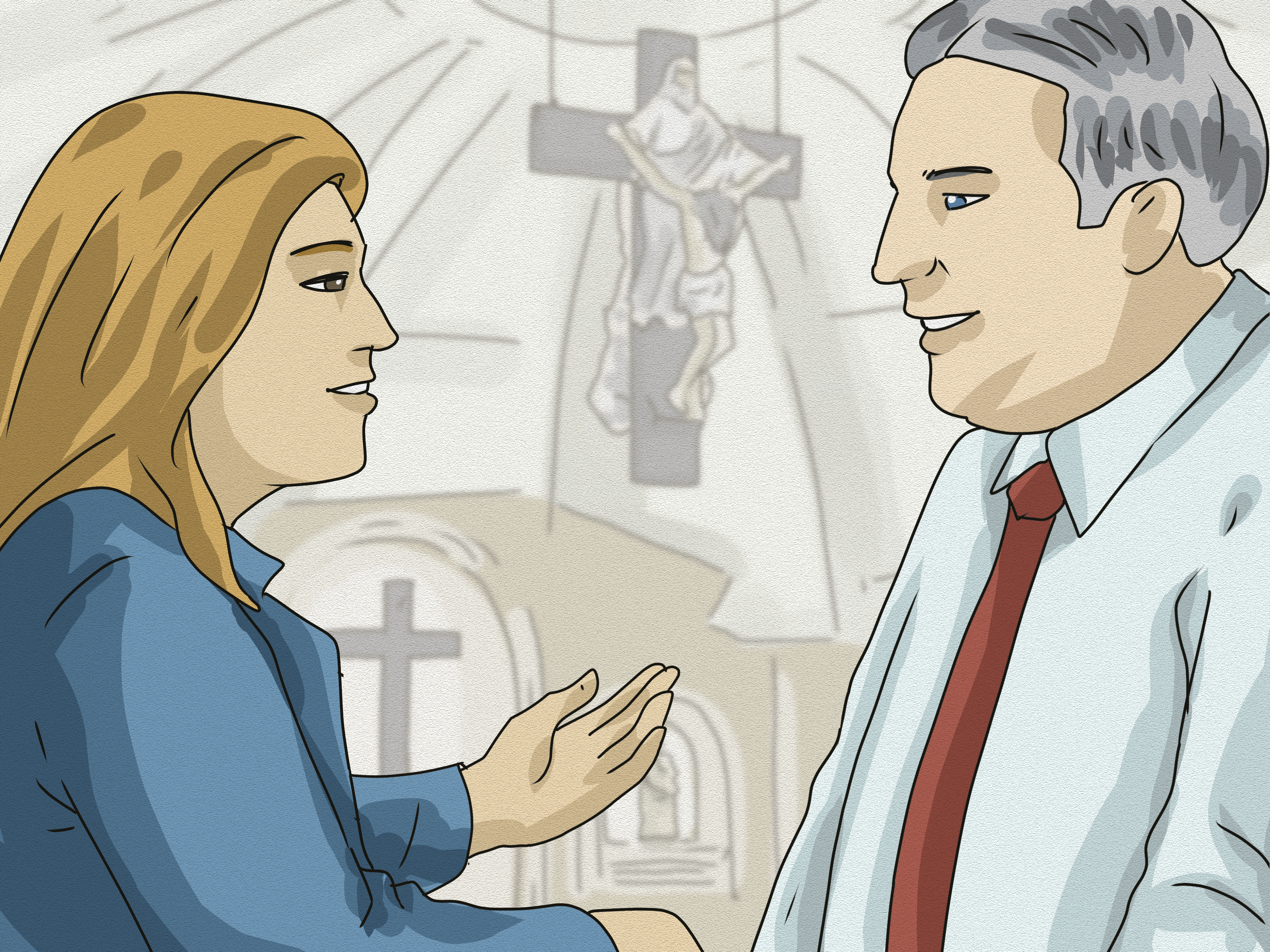
There are questions people ask because they are curious, and then there are questions people ask because life just kicked the door in. “Why does God allow bad things to happen to you?” belongs in the second category. This is not the kind of question you ask because your coffee went cold or your Wi-Fi acted like it was raised by raccoons. You ask it after the diagnosis, the betrayal, the layoff, the funeral, the panic attack, the accident, or the night when the house is quiet but your heart is not.
If you have ever stared at the ceiling and thought, God, if You’re good, what exactly is going on here? you are not strange, faithless, or broken. You are human. In fact, this question sits at the center of one of the oldest spiritual struggles in history: why does a good God allow suffering, pain, injustice, and loss?
Christians have wrestled with this for centuries, and while the Bible does not hand out a neat little three-step formula, it does offer a deep, honest, and surprisingly practical way to think about suffering. The Christian answer is not, “Bad things are not really bad.” It is not, “Real believers never struggle.” And it is definitely not, “If something painful happened, you must have done something to deserve it.”
Instead, the Christian view says something far more realistic: we live in a world that is beautiful, broken, meaningful, and messy all at once. That does not remove the pain, but it helps explain why pain exists and how God can still be present in the middle of it.
Why This Question Hurts So Much
The question is not only philosophical. It is personal. Most people are not trying to win a debate about the problem of evil. They are trying to survive Thursday. They want to know whether suffering means God is absent, angry, careless, or done with them.
That is why easy answers often feel insulting. When someone is grieving, “Everything happens for a reason” can sound less like wisdom and more like a verbal paper towel. Technically, it exists. Practically, it does not do much. Christian faith, at its best, gives something sturdier than slogans. It gives categories for understanding pain and a Person to cling to when understanding falls short.
A Christian Answer Begins with a Broken World
One of the central Christian explanations for suffering is that the world is not functioning as originally intended. According to the Bible, God created a good world, but human rebellion brought fracture into it. In simple terms, sin broke things. Not just morally, but relationally, emotionally, socially, and even physically. That is why Christian teaching often connects suffering to a fallen world.
This does not mean every bad thing that happens to you is a direct punishment from God for some specific mistake. That idea sounds tidy, but the Bible repeatedly pushes back on it. Sometimes suffering does come from foolish choices. If you text while driving and end up in a ditch, that is not exactly a mystery novel. But many painful experiences do not work like that. Faithful people get cancer. Honest people get cheated. Loving parents bury children. Good employees get fired. The rain, as Jesus said, falls on the just and the unjust.
In other words, Christianity teaches that suffering is real because the world is really damaged. Human sin, human cruelty, disease, disaster, decay, and death all belong to this larger brokenness. That may not answer every “why,” but it explains why pain is not unusual in a world that is no longer fully whole.
Free Will: Love Without Choice Is Not Love
Another major Christian answer is free will. God made human beings capable of love, obedience, creativity, and moral choice. That is wonderful news until people start using those same abilities to lie, exploit, abuse, and destroy.
Many of the worst things that happen in life are tied to human choices. War, betrayal, neglect, corruption, violence, abuse, and injustice are not random glitches in the software. They are the terrible results of people choosing darkness over love. A world with genuine freedom includes the possibility of genuine evil.
Some people ask, “Why didn’t God just make us unable to choose wrong?” Fair question. But then we would not be morally free beings at all. We would be programmed creatures. Love would be automatic, trust would be scripted, and goodness would be mechanical. The Christian view insists that real love requires real freedom, and real freedom opens the door to real harm.
That does not make evil good. It simply means God may allow choices He does not approve of because a world with moral agency is part of His design for human life. Freedom is a gift, but like many gifts, it can be used to bake bread or burn down the kitchen.
Natural Evil and the Harder Questions
Free will explains a lot, but not everything. What about earthquakes, birth defects, sudden illness, or the phone call nobody wants at 2:13 a.m.? These are harder because no obvious human choice seems responsible. This is where Christian thought often returns to the larger idea of creation groaning under brokenness.
The Bible presents a world that still displays God’s glory but also carries disorder, danger, and decay. It is breathtaking and heartbreaking at the same time. A sunrise can make you cry for good reasons. So can an ICU waiting room. Christianity refuses to pretend these things are equal, but it does say they exist in the same damaged world.
And this is where humility enters the room. Christians do not claim to know the detailed reason behind every individual tragedy. Sometimes the most honest answer is, “I do not know why this specific thing happened.” That is not weak faith. That is truthful faith. A God big enough to govern the universe is also big enough to leave some things beyond our immediate understanding.
What the Book of Job Teaches About Suffering
If there is one Bible book that stares suffering in the face without blinking, it is Job. Job loses wealth, family, health, and stability, and his friends spend a large chunk of the story trying to explain it. Their basic theory is simple: suffering must mean guilt. If Job is hurting, Job must have messed up.
God does not endorse that theory. In fact, the book of Job dismantles the idea that all suffering is a neat reward-and-punishment system. Job’s pain is real, his questions are raw, and his grief is not treated like bad manners. He argues, laments, protests, and struggles. Yet the story does not end with God giving Job a tidy spreadsheet called “Reasons for Everything.”
Instead, Job is confronted with the reality that God’s wisdom is larger than human perspective. That can feel frustrating at first, but it is also strangely comforting. The message is not, “Your pain does not matter.” The message is, “You are not in a position to see all that God sees.” Job learns that trust is sometimes more realistic than explanation.
That matters today because many people think faith means never asking hard questions. Job proves otherwise. Biblical faith is honest enough to cry, “Why?” and humble enough to admit that not every answer will arrive on schedule.
Does God Cause Suffering, Allow It, or Use It?
This is where theology gets delicate. Christians do not all phrase this the same way, but many agree on one key point: God can bring good out of evil without calling evil good. That distinction matters.
When someone says, “God can use this,” they should not mean, “This painful thing is wonderful.” Cancer is still cancer. Abuse is still abuse. Betrayal is still betrayal. Christianity does not ask people to smile at darkness and call it light. What it does say is that God is not so weak that suffering gets the final word.
Scripture often describes how trials can produce endurance, maturity, compassion, character, and hope. That does not mean suffering automatically improves everyone. Pain can make a person wiser, or harder, or both before lunch. But it does mean suffering is not always meaningless. God can refine faith, expose idols, deepen empathy, reorder priorities, and awaken people to their need for Him.
Sometimes suffering becomes the place where someone discovers that their strength was mostly a rumor. Sometimes it becomes the place where pride cracks, prayer becomes honest, and compassion grows muscles. Nobody puts “spiritual refinement” on a vision board, but Christian faith insists God can work powerfully in the very places we would never choose.
The Cross: Christianity’s Boldest Answer
The deepest Christian answer to suffering is not a theory. It is the cross of Jesus Christ. Christianity does not present God as distant from human pain. It presents God entering it.
That changes everything. The Christian claim is not merely that God watches suffering from a safe celestial balcony while offering inspirational comments. It is that God, in Jesus, stepped into betrayal, injustice, humiliation, grief, physical agony, and death itself. He was misunderstood, rejected, tortured, and crucified.
So when Christians ask why God allows bad things to happen, the ultimate answer is not simply, “He has reasons.” It is also, “He has scars.” God is not detached from suffering in the Christian story. He has carried it. He has faced evil at full strength and answered it not with indifference, but with self-giving love.
The resurrection then becomes the promise that suffering and death are not final. Christianity does not teach that every painful chapter will make sense immediately. It teaches that evil does not get to write the ending. That is not cheap comfort. It is hard-won hope.
What This Means When Bad Things Happen to You
When suffering lands in your own life, the first need is usually not a philosophical lecture. It is permission to grieve, pray honestly, and refuse fake cheerfulness. The Bible is full of lament, which means God does not ask hurting people to speak in cheerful greeting-card language.
If you are suffering, it may help to remember a few truths. First, your pain is not proof that God has abandoned you. Second, not every hardship is a personal punishment. Third, you may not receive a full explanation in this life. Fourth, unanswered questions do not automatically cancel God’s goodness. And fifth, Christian hope is not built on having all the answers; it is built on trusting the character of God revealed in Christ.
It is also wise to resist the urge to read every event as a secret code. Not every flat tire is divine commentary. Not every setback is a cosmic memo. Sometimes life in a broken world is exactly that: life in a broken world. Christians are called to seek wisdom, repent where necessary, endure faithfully, and receive comfort from God and His people.
And yes, sometimes the holiest thing you can do is ask for help. Prayer matters. Scripture matters. Community matters. Counseling matters. Doctors matter. Rest matters. Tears matter. The God who made souls did not forget bodies and minds.
Real-Life Experiences Related to This Question
Talk to enough people in churches, hospitals, kitchens, and funeral homes, and you will notice something: the question “Why does God allow bad things to happen to you?” rarely stays abstract for long. It sounds different depending on the room.
For one mother, it sounds like a whispered prayer in a neonatal intensive care unit. She is not trying to solve the philosophical problem of evil. She is trying to understand why her tiny child is fighting to breathe. She opens a Bible app, closes it, opens it again, and finally prays with only three words: “Help me, God.” In that moment, suffering is not a debate topic. It is fluorescent lighting, cold coffee, and a chair that hurts your back.
For a man who loses his job after twenty loyal years, the question feels like humiliation. He drove home with a cardboard box, a polite HR speech still ringing in his ears, and a stomach full of dread. His first fear is money. His second fear is identity. If work was where he proved his worth, who is he now? Later, he may say the loss forced him to examine his pride, his pace, and the way he had confused being productive with being valuable. But on day one, it just hurts.
For a college student betrayed by close friends, the question sounds like disbelief. She did not expect the deepest pain of the semester to come from people who prayed beside her last month. She learns something painful but common: religious environments do not eliminate human weakness. Christians can wound each other badly. In time, she may learn forgiveness, boundaries, and discernment. At first, though, she mostly learns that heartbreak can show up holding a church coffee cup.
For a caregiver watching a parent fade through dementia, suffering becomes slow-motion grief. There is no dramatic movie soundtrack, just repeated questions, missed names, and the ache of losing someone before losing them. This kind of suffering often teaches endurance more than intensity. It reveals how love can look heroic while wearing sweatpants and carrying grocery bags.
For someone recovering from addiction, bad things are often tangled together: personal choices, family history, shame, consequences, and grace. Their story does not fit a simple box labeled “victim” or “guilty.” It is more complicated than that. And that complexity matters. Many people discover that God meets them not after they become impressive, but while they are still honest, shaky, and learning how to stand.
These experiences share one important truth: suffering is never merely an idea. It touches bank accounts, diagnoses, memories, marriages, sleep, and confidence. Yet many believers also testify that suffering changed the texture of their faith. Prayer became less polished and more real. Scripture moved from decoration to oxygen. Compassion grew. Pride shrank. The presence of God stopped being a theory and became a necessity.
That does not mean they were glad the pain happened. Most would never choose it again. But many would say they met God there in ways comfort had never taught them. Not because suffering is good in itself, but because God is able to meet people inside what is genuinely bad and begin doing something redemptive anyway.
A Better Question Than “Why Me?”
The question “Why me?” is understandable, but over time many believers discover another question can become more fruitful: God, how do I walk with You through this? That question does not ignore pain. It just shifts the focus from demanding total explanation to seeking faithful presence.
Christianity does not promise a pain-free life. It promises that suffering is not wasted, that God is not absent, and that Christ has gone ahead of us into the darkest places. It teaches that one day God will deal fully and finally with evil. Until then, believers live with tears in one eye and hope in the other.
So why does God allow bad things to happen to you? Christianity offers several threads: human freedom, a fallen world, the mystery of divine wisdom, the refining work of trials, and above all the suffering and triumph of Jesus. None of these turns pain into something trivial. But together they form a strong answer: your suffering may be real, unjust, confusing, and deeply unwanted, yet it is not proof that God is cruel or gone. In the Christian story, the worst thing is never the last thing.