

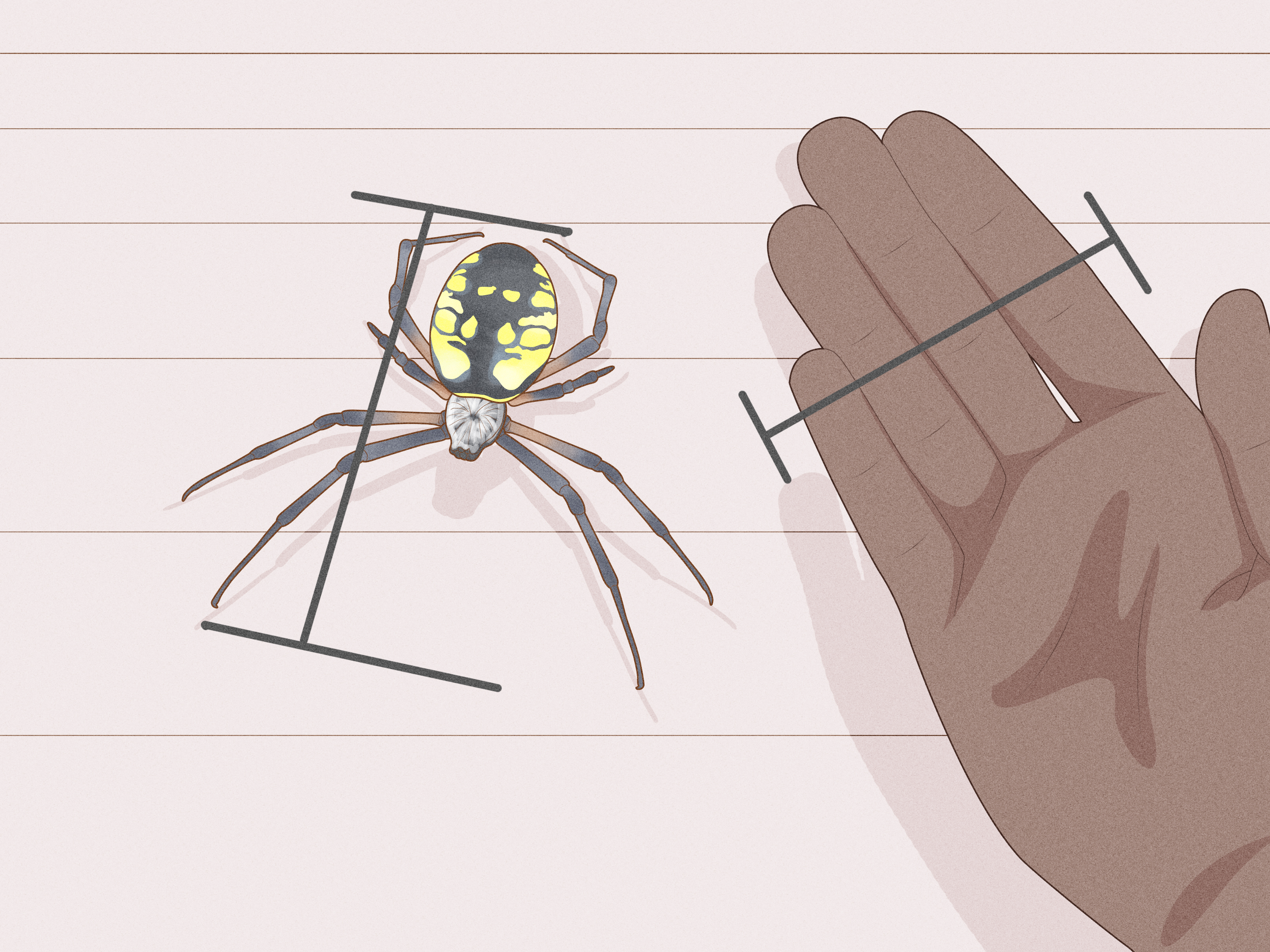
Spotting a strange silk blob in the garage, garden, or porch corner can trigger one of two reactions: curiosity or a dramatic full-body shiver. Both are understandable. Spider egg sacs are common, easy to miss until suddenly they are all you can see, and wildly different from one species to another. Some are smooth and tidy. Some look fuzzy. Some hang in webs like tiny ornaments. Others are carried around by the mother like the world’s least cuddly purse.
The good news is that identifying spider egg sacs is less about guessing and more about observation. You do not need to be an arachnologist with a magnifying visor and a Latin vocabulary. You just need a calm look at the silk, the shape, the texture, the location, and the spider nearby, if there is one. Once you know the patterns, you can often tell whether you are looking at a harmless garden spider’s nursery, a common house spider’s egg sac, or something that deserves more caution, like a widow spider setup.
This guide walks you through 11 practical steps for identifying spider egg sacs without overreacting, underreacting, or poking one with a bare finger and immediately regretting your life choices.
Why Spider Egg Sac Identification Matters
Most spiders are beneficial predators that help control insects around homes and gardens. Their egg sacs are simply protective silk packages for developing spiderlings. But the shape, texture, and placement of those sacs can give you important clues about the species involved. That matters because some sacs are linked to harmless spiders you may want to leave alone, while others can point to widow spiders or repeated indoor breeding in places you would rather not share.
Think of the egg sac as a business card made of silk. It does not tell you everything, but it tells you a lot.
How to Identify Spider Egg Sacs: 11 Steps
Step 1: Start with safety, not bravery
Before you inspect anything, do not grab, squeeze, or peel it off with your bare hands. If the sac belongs to a widow spider or another defensive female guarding eggs, the mother may be nearby. Use a flashlight, keep a little distance, and wear gloves if you are working in woodpiles, under steps, around stored items, or in cluttered corners. The goal is identification, not an action scene.
Step 2: Confirm that it is actually made of silk
A true spider egg sac is silk-based. That means it usually looks papery, cottony, satiny, or thread-wrapped rather than muddy, foamy, or plant-like. Mud dauber nests are made of mud, not silk. Some moth cocoons can look fuzzy and confusing, but many are attached differently and often appear more fibrous or leaf-integrated. If it looks like it was spun, wrapped, suspended, or tucked into webbing, you are probably in spider territory.
Step 3: Look closely at the overall shape
Shape is one of your best clues. Spider egg sacs may be round, spherical, pear-shaped, flattened, or irregular depending on the species. Black widow sacs are often smooth and rounded to pear-shaped. Brown widow sacs are famous for their spiky, ball-like appearance. Some orb-weaver sacs can be pear-shaped or flattened, while common house spider sacs are often small and round. If the shape looks oddly sculpted rather than random, that is useful information.
Step 4: Check the texture like a detective, not a wrestler
Texture can separate one spider group from another very quickly. Smooth or papery sacs can suggest widow spiders. A prickly or tufted sac strongly points toward a brown widow. Fuzzy, woolly, or thickly padded sacs may belong to other web-building spiders. A loosely wrapped egg mass inside a silk retreat can suggest sac spiders. You do not need to touch the sac to judge texture; a bright flashlight and a good angle usually do the trick.
Step 5: Notice the color, but do not treat color as the whole story
Spider egg sacs come in white, cream, tan, brown, gray, and sometimes slightly yellowish tones. Fresh sacs can look lighter, while older ones may darken, dry out, or collect dust. Black widow egg sacs are often described as tan, grayish, or light brown. Brown widow sacs are also tan to brown, but the spikes are the giveaway. House spider sacs are often light brown or brownish and can hang in messy webs. So yes, color matters, but color without shape and texture is like trying to identify a car using only “it was kind of gray.”
Step 6: See whether the sac is hanging, hidden, or being carried
Placement is huge. Some sacs hang in webs. Some are tucked under leaves, eaves, branches, or porch corners. Some are hidden in silk retreats. And some are not attached at all because the mother is carrying them. Wolf spiders carry egg sacs attached to their spinnerets at the rear of the body. Nursery web and fishing spiders carry the sac in their jaws, then later place it in a silken nursery. Cellar spiders carry spherical egg masses in their mouthparts or pedipalps. If the “egg sac” is mobile because the spider is carrying it, you just solved half the mystery.
Step 7: Study the web style around it
The surrounding web often tells you what kind of spider you are dealing with. Messy, tangled cobwebs in sheltered spots can suggest house spiders or widow relatives. Classic circular orb webs point toward orb-weavers, which often place their sacs in protected nearby areas rather than the center of the capture web. No prey-catching web at all, but a silk tube or folded leaf retreat? That leans toward sac spiders, jumping spiders, or other hunting spiders that use silk for shelter and eggs rather than trapping prey.
Step 8: Pay attention to the exact location
Location helps narrow the field. Under eaves, porch corners, shrubs, and branch tips often suggest orb-weavers or garden spiders. Garages, basements, crawl spaces, woodpiles, water meter boxes, and clutter near the ground are classic widow territory. Upper wall corners, behind frames, and ceiling edges can fit sac spiders or house spiders. Folded leaves and plant shelters can fit yellow sac spiders, nursery web spiders, or orb-weavers depending on the structure. Spider moms are picky real estate agents, and their listings reveal a lot.
Step 9: Look for the mother spider nearby
If a spider is present, identification gets much easier. A shiny black female with a red hourglass near a smooth tan sac is a widow clue, not a coincidence. A large brown or gray wandering spider with a sac attached at the back is likely a wolf spider. A spider holding the sac in its jaws or guarding a leafy silk nursery suggests a nursery web or fishing spider. A tiny long-legged cellar spider carrying a loose spherical egg bundle is another distinctive pattern. Even if you cannot identify the exact species, the mother’s body shape and behavior can help you place the sac into the right category.
Step 10: Factor in season and condition
Many spiders lay egg sacs in late summer or fall, especially outdoor species that overwinter as eggs. That is why people suddenly notice them on shrubs, porch corners, and garden structures when the weather cools. Some sacs look full and firm; others look collapsed, papery, torn, or already hatched. A hatched sac may have a small opening, reduced fullness, or a dry, deflated look. If you find several older sacs together, that may mean the site has been used repeatedly.
Step 11: Decide whether to leave it, monitor it, or call a professional
Once you have identified the likely type, decide on the next step. Harmless outdoor spiders, especially orb-weavers and jumping spiders, are often worth leaving alone because they are excellent insect hunters. A single house spider sac in an undisturbed corner may be more nuisance than emergency. But if you suspect widow spiders, find multiple sacs in a frequently used area, or keep seeing spiders in indoor living spaces, it makes sense to contact a pest professional. When the silk nursery is attached to your child’s toy bin, “let nature take its course” becomes a much less inspiring slogan.
Common Spider Egg Sacs and What They Usually Look Like
Black widow egg sacs
These are usually smooth, papery, and tan to grayish or light brown. They are often suspended in irregular, tangled cobwebs in protected spaces such as garages, crawl spaces, woodpiles, under steps, or around stored materials. If you see a smooth sac plus a shiny black female with an hourglass mark, be cautious.
Brown widow egg sacs
These are the easiest widow sacs to recognize because they look spiky or prickly, almost like a tiny burr or sweetgum ball made of silk. If you spot a round, spiked sac around outdoor household structures, brown widow rises quickly on the suspect list.
Wolf spider egg sacs
Wolf spider sacs are not usually left hanging in a web. The female carries them attached to her spinnerets, and after hatching the spiderlings often ride on her back. That maternal commitment is impressive, if mildly alarming when seen at close range.
Nursery web and fishing spider egg sacs
These are often carried in the female’s jaws. When hatching time nears, she places the sac inside a silk nursery, often among folded leaves, and guards the young. If you see a spider carrying a round silk bundle like it is late for daycare, this group is a strong match.
Common house spider egg sacs
These are often small, brownish, or light brown spherical sacs hanging in messy cobwebs. You may find more than one sac in the same web, especially in quiet indoor corners.
Orb-weaver and garden spider egg sacs
These vary, but many are placed in protected outdoor sites under eaves, on vegetation, or in porch corners. Some are pear-shaped, while others are more rounded or flattened. They are often associated with late-season webs in gardens and around lights where flying insects are plentiful.
Jumping spider and sac spider egg sites
These can fool people because they may be inside silken retreats rather than obvious hanging sacs. Jumping spiders often place eggs inside a silk shelter and guard them. Yellow sac spiders loosely deposit eggs within a silken retreat, often in foliage or indoor structures.
What Spider Egg Sacs Are Often Mistaken For
Spider egg sacs are commonly confused with moth cocoons, dusty lint clumps, seed fluff, bits of insulation, and old web debris. The biggest mistake is assuming every silk structure holds eggs. Some spiders build retreats for resting, molting, or hiding during the day. That is why the surrounding web, the spider’s behavior, and the structure’s texture matter so much. Not every silk blob is a nursery. Sometimes it is just a spider studio apartment.
When You Should Be More Cautious
Use extra caution if the sac is in a dark, sheltered space near the ground, attached to a messy cobweb, and associated with a widow-like spider. Also be careful if you find multiple sacs in garages, stored shoes, bins, outdoor furniture, or children’s play areas. In those cases, it is smart to avoid direct handling and get help with identification or removal. Most spiders are not aggressive, but egg-guarding females are not always thrilled about surprise visitors.
Real-Life Experiences: What Identifying Spider Egg Sacs Actually Feels Like
In real life, identifying spider egg sacs is usually much less dramatic than people imagine and much more awkward. Most people do not discover one while heroically exploring the wilderness. They find one while pulling down a holiday decoration, grabbing a garden hose, moving a plastic tote in the garage, or wondering why there is a weird beige puff attached to the rosemary bush by the porch. It is rarely a cinematic moment. It is usually a Tuesday.
One common experience is noticing a sac only after you have already been near it several times. A person waters the same plant for weeks and then suddenly sees a pear-shaped silk structure hanging under a branch and thinks, “Has that always been there?” Usually, yes. Spider egg sacs blend in beautifully. Their colors are muted, their placement is strategic, and many are tucked into spots humans barely scan. That is why a flashlight changes everything. Once light hits the silk at the right angle, what looked like dust or plant debris suddenly screams “occupied nursery.”
Another very common experience is misidentification. People often assume any rounded silk object must belong to a dangerous spider, when in fact many belong to harmless house spiders or garden spiders doing free pest control. On the other hand, some people ignore a widow sac because it looks small and tidy. That is the tricky part: danger is not always dramatic. A smooth tan sac in a messy web under a low outdoor shelf can matter more than a huge fuzzy blob in a shrub. Size alone is not the boss here.
Gardeners often report finding egg sacs in late fall and early winter, especially after the adult spiders themselves seem to disappear. That can feel confusing until you realize many species leave behind the next generation packaged for spring. The web looks abandoned, the spider is gone, and yet the egg sac remains like a sealed envelope from spider season. Indoors, people tend to find sacs during cleaning sprees, moving projects, or home repairs, which explains why spiders and organization sometimes have a tense relationship.
There is also the emotional side. Even people who respect spiders can feel a little rattled when they realize one sac may contain dozens or hundreds of eggs. That reaction is normal. But after a bit of identification work, the fear often settles into fascination. You start noticing how precise the silk is, how species-specific the designs can be, and how much behavior is revealed by one small object. A carried sac means one story. A spiky widow sac tells another. A hidden retreat with guarded eggs tells yet another.
The most useful real-world lesson is this: slow down before acting. People who rush tend to either panic-remove a harmless sac or ignore one that deserves caution. People who pause, observe the shape, texture, web type, location, and nearby spider usually make better decisions. In other words, the best tool for identifying spider egg sacs is not a spray can. It is a calm minute and a careful look.
Final Thoughts
If you want to identify spider egg sacs correctly, focus on the clues that matter most: silk texture, shape, color, placement, web style, and maternal behavior. A smooth widow sac, a spiky brown widow sac, a wolf spider carrying hers behind her, or a nursery web spider carrying hers in her jaws all tell very different stories. Once you know these patterns, spider egg sac identification becomes far less mysterious and a lot more manageable.
And remember: the little silk package you found is not just yard weirdness. It is architecture, species ID, parenting strategy, and neighborhood pest control wrapped into one tiny object. Nature really does overdeliver on packaging.