

Note: This article is written for web publishing in standard American English and is based on current information from U.S. restaurant supply retailers, uniform manufacturers, food-service safety guidance, and textile care best practices. Source links are intentionally omitted for clean publishing.
A waist apron may look simple, but anyone who has ever worked a double shift, hosted a backyard barbecue, arranged flowers, served coffee, styled hair, or sold handmade candles at a pop-up market knows the truth: this little half-apron is basically a wearable command center. It keeps essentials close, protects clothing from everyday messes, and quietly says, “Yes, I know what I’m doing,” even when your pen has vanished for the third time in ten minutes.
Unlike a full bib apron, a waist apron ties around the waist and covers the lower front of the body. It usually includes pockets for tools, receipts, order pads, pens, phones, bottle openers, tasting spoons, garden shears, craft supplies, or whatever small object your day keeps demanding. In restaurants, cafés, bars, salons, bakeries, workshops, farmers markets, and home kitchens, the waist apron has earned its place because it is lightweight, practical, and easy to move in.
This guide breaks down what a waist apron is, why it matters, how to choose the right one, which materials work best, how pockets should be arranged, and how to care for it so it does not retire early into the “mysterious laundry pile of doom.”
What Is a Waist Apron?
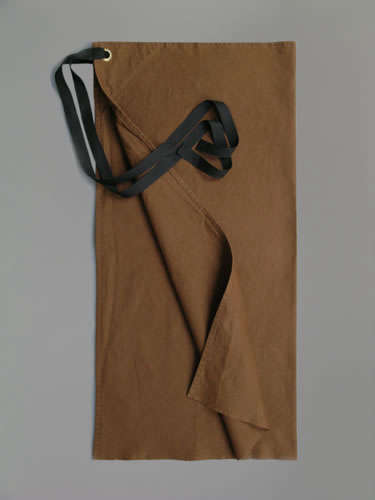
A waist apron is a half-length apron worn from the waist down. It is designed to protect clothing, provide convenient storage, and support quick movement. Most waist aprons are secured with long ties that wrap around the waist and tie in the front or back. Many common commercial styles measure around 12 inches tall by 24 inches wide, though longer bistro aprons and wider utility versions are also popular.
The biggest advantage of a waist apron is freedom. Since it does not cover the chest or neck, it feels cooler and less restrictive than a bib apron. That makes it ideal for servers, bartenders, baristas, cashiers, event staff, vendors, hairstylists, gardeners, crafters, and home cooks who need pockets more than full-body coverage.
Why Waist Aprons Are So Popular
The waist apron is popular because it solves several small problems at once. It protects clothing from spills, adds storage without needing a bulky bag, keeps workers looking consistent, and helps create a professional appearance. In customer-facing spaces, that matters. A clean black waist apron in a café or restaurant instantly makes the team look organized, even if the espresso machine is currently making noises like a tiny dragon.
They Keep Tools Within Reach
One of the main reasons people choose a waist apron with pockets is convenience. Servers can carry pens, guest checks, straws, receipts, and handheld devices. Bartenders can stash bottle openers, wine keys, and small towels. Market vendors can keep change, business cards, and order forms close. Gardeners can carry seed packets and pruning snips. When your tools are in your apron, you spend less time searching and more time actually working.
They Protect Clothing Without Overheating
Full aprons are great for heavy cooking, grilling, and messy prep work, but they can feel warm during long shifts. A waist apron gives lower-body protection while keeping the upper body open and breathable. That is especially useful in busy restaurants, outdoor events, cafés, and retail environments where comfort matters as much as function.
They Support a Professional Brand Look
A waist apron can also be part of a uniform. Restaurants often use black, white, navy, gray, or denim waist aprons because these colors pair easily with shirts and pants. Businesses can add embroidery, screen printing, heat-transfer logos, or custom colors to match their brand. A simple apron can turn a regular outfit into a polished team uniform without making employees feel like they are wearing a costume from “Corporate Theater: The Musical.”
Common Types of Waist Aprons
Not all waist aprons are the same. The right style depends on how and where it will be used. Before buying one, think about the tasks, the environment, the expected mess level, and how much storage is needed.
Server Waist Apron
A server waist apron is usually short, lightweight, and pocket-focused. It often has three divided pockets, making it easy to separate pens, order pads, receipts, and payment tools. This style is common in restaurants, diners, cafés, and catering events. It is ideal when speed and organization matter more than heavy stain protection.
Bistro Waist Apron
A bistro apron is longer, often reaching mid-thigh or knee length. It provides more coverage than a standard server apron and creates a classic hospitality look. Bistro aprons are popular in fine dining, bakeries, wine bars, coffee shops, and hotel service. They often look a little more elegant, as if your apron has read a menu with French words and feels confident about it.
Utility Waist Apron
A utility waist apron is built for heavier work. It may use canvas, denim, twill, or reinforced stitching. These aprons are great for gardeners, makers, florists, craft vendors, hair stylists, barbers, and workshop tasks. The pockets are usually larger and may include loops or compartments for tools.
Money or Vendor Waist Apron
Vendor waist aprons are designed for events, markets, fairs, and ticket booths. They often include zippered pockets or deeper compartments for cash, cards, receipts, and small devices. A secure pocket can be especially useful when moving through crowds or handling transactions all day.
Best Materials for a Waist Apron
Material affects comfort, durability, stain resistance, breathability, and cleaning. The best waist apron fabric depends on the work setting. A restaurant server may prefer lightweight poly-cotton, while a gardener may want heavy canvas. A bartender may like dark denim or coated fabric, while a baker might choose cotton for breathability.
Polyester-Cotton Blends
Poly-cotton is one of the most common materials for commercial waist aprons. It combines the durability and wrinkle resistance of polyester with the softer, more breathable feel of cotton. This blend is widely used in restaurants, cafés, bakeries, and hospitality because it can handle frequent washing and daily wear.
If you need an apron for staff uniforms, poly-cotton is usually a safe choice. It holds color well, dries faster than heavy cotton, and looks neat with minimal fuss. It is the “reliable friend with a spreadsheet” of apron fabrics.
100% Cotton
Cotton waist aprons feel soft, breathable, and natural. They are comfortable for long wear and work well for light cooking, baking, craft shows, and casual service environments. Cotton can absorb spills more readily than polyester, which is helpful for comfort but not always ideal for stain resistance. It may also wrinkle more easily and shrink if washed or dried improperly.
Canvas
Canvas is stronger and heavier than standard cotton. It is excellent for utility waist aprons used in gardening, floristry, workshops, or craft work. Canvas can handle tools, soil, dust, and repeated movement. The tradeoff is weight. A canvas apron may feel too heavy for fast restaurant service, but it shines when toughness matters.
Denim
Denim waist aprons are popular because they look stylish and age well. They fit naturally in coffee shops, barber shops, craft markets, breweries, and casual restaurants. Denim is durable, but darker washes may bleed color in the first few washes, so washing separately at first is smart.
Water-Resistant or Coated Fabric
Some waist aprons include water-resistant finishes or coated materials. These can be useful for bartenders, dish stations, florists, and light cleaning tasks. However, not every water-resistant apron is breathable, and some coatings require special care. Always check the care label before tossing one into hot water and hoping for the best.
How Many Pockets Should a Waist Apron Have?
For many buyers, pockets are the whole reason to choose a waist apron. A pocketless waist apron can look clean and stylish, but for work tasks, pockets are usually the star of the show.
A three-pocket waist apron is the most common option for servers and front-of-house staff. It typically includes one larger center pocket and two side compartments. This setup works well for pens, notepads, receipts, guest checks, phones, and payment devices. Four-pocket and five-pocket styles offer more separation, which can be useful for bartenders, vendors, stylists, and makers.
Look for deep pockets with strong stitching. Bar-tacked stress points are especially helpful because pockets take a lot of abuse. A pen, a corkscrew, a phone, a receipt book, and a handful of “I’ll put this here for now” items can quickly test the strength of weak seams.
How to Choose the Right Waist Apron
Choosing a waist apron is not complicated, but it is worth thinking through. The wrong apron can sag, stain, twist, shrink, or become a pocket jungle where everything disappears. The right apron feels natural after a few minutes and quietly makes your work easier.
1. Match the Apron to the Job
For restaurant servers, choose a lightweight apron with three or more pockets. For bartenders, choose darker colors and water-resistant or stain-resistant fabric. For gardening or crafts, choose canvas or denim with reinforced pockets. For fine dining, a longer bistro apron may look more polished. For pop-up markets, choose secure pockets and enough room for cash, cards, and a phone.
2. Check the Length and Width
Short waist aprons are easier to move in, while longer bistro aprons offer more coverage. A common server size is around 12 inches high by 24 inches wide, but taller users or people who want extra protection may prefer longer styles. The apron should cover the front comfortably without wrapping awkwardly or restricting steps.
3. Look for Adjustable Ties
Long waist ties make a big difference. They allow the apron to fit different body types and can be tied in front or back. For shared staff uniforms, adjustable ties are essential. One-size-fits-most only works when the ties are actually long enough to fit most people.
4. Choose Practical Colors
Black is the classic choice because it hides stains and looks professional. White looks clean and traditional but shows dirt quickly. Navy, gray, khaki, and denim are versatile alternatives. Bright colors can support branding, especially for bakeries, cafés, food trucks, and creative businesses.
5. Consider Customization
Custom waist aprons can include embroidered names, logos, slogans, or color accents. For small businesses, branded aprons help create a cohesive look without a full uniform program. A logo on a waist apron is subtle, useful, and less shouty than a giant branded shirt that says, “Ask me about our loyalty program” from across the parking lot.
Waist Apron Uses Beyond Restaurants
Although waist aprons are strongly associated with restaurants and servers, they are useful in many other settings. Their lightweight design and pocket storage make them surprisingly versatile.
For Home Cooking and Baking
A waist apron works well for quick cooking tasks, baking, meal prep, and entertaining. It protects clothing from flour, sauce, oil, and mysterious countertop crumbs. It also gives you a pocket for a towel, timer, or recipe card. If you cook often but dislike full aprons, a waist apron may feel like the perfect middle ground.
For Gardening
Gardeners can use utility waist aprons for gloves, seed packets, plant labels, pruning snips, twine, and small tools. Canvas or denim is best for outdoor use because it can handle dirt and friction. A washable apron also keeps soil off your clothes, which is helpful when you want to garden for “just five minutes” and somehow emerge two hours later looking like you wrestled a tomato plant.
For Crafting and DIY
Crafters, woodworkers, painters, and makers benefit from waist aprons with deep pockets. They keep scissors, measuring tape, pencils, brushes, glue sticks, and small parts handy. For messy crafts, darker colors or heavy cotton blends are smart choices.
For Salons and Barbers
Stylists and barbers often need combs, clips, shears, razors, and appointment cards close by. A waist apron keeps tools organized while allowing easy upper-body movement. Water-resistant or wipeable fabrics can help in salon environments where sprays, gels, and color products are common.
For Events and Markets
Farmers market vendors, craft sellers, ticket takers, festival staff, and volunteers often need a secure place for money, pens, cards, receipts, and phones. A waist apron with zippered pockets can reduce the need for a bag and keep transactions moving smoothly.
Waist Apron Care and Cleaning Tips
A good waist apron can last a long time if cared for properly. The first rule is simple: read the label. Cotton, polyester, canvas, denim, and coated fabrics do not always want the same treatment.
For many commercial poly-cotton waist aprons, cold or warm machine washing works well. Wash dark colors with similar items to prevent color transfer. Low-heat drying helps reduce shrinkage and fabric stress. For cotton aprons, avoid excessive heat if you are worried about shrinking. For canvas aprons, spot cleaning and air drying may preserve shape and durability. For denim aprons, wash separately at first to prevent dye transfer.
Grease stains should be pretreated before washing. A small amount of dish soap can help break down oil on many washable fabrics. For tomato-based stains, cold water before heat is usually safer because heat can set stains. Avoid bleach unless the fabric label allows it, especially on colored aprons. Bleach may weaken fibers or cause fading.
In food-service environments, clean aprons are also part of good hygiene. Aprons should be changed when heavily soiled, removed when leaving food preparation areas if required by workplace policy, and stored in a clean place. A dirty apron may have character, but in food service, character should not be crunchy.
Common Mistakes to Avoid When Buying a Waist Apron
The first mistake is buying based only on price. Cheap waist aprons may be fine for light use, but daily work requires stronger stitching, durable fabric, and pockets that do not collapse after a few washes. The second mistake is ignoring pocket layout. Too few pockets can slow you down; too many tiny pockets can become confusing.
Another common mistake is choosing fabric that does not match the job. A white cotton apron may look lovely in photos but may not survive a busy barbecue station without emotional support. A heavy canvas apron may be perfect for gardening but too warm for a fast-paced café shift. A good apron should match the work, not just the mood board.
Finally, do not ignore comfort. Scratchy fabric, short ties, stiff waistbands, and awkward pocket placement can become annoying during long wear. If an apron will be used by staff, order samples before buying in bulk. Let real people test them during real tasks. The best feedback usually comes after a busy shift, not after looking at a product photo.
Waist Apron Buying Checklist
Before choosing a waist apron, ask a few practical questions. Will it be used for food service, retail, gardening, crafts, or home cooking? Does it need three pockets or more? Should it be short and lightweight or long and polished? Will it be washed daily? Does it need logo embroidery or printing? Should it resist stains, water, wrinkles, or heavy tool wear?
For restaurants and cafés, a poly-cotton three-pocket waist apron in black is a dependable everyday option. For fine dining, a longer bistro apron may look more refined. For makers and gardeners, canvas or denim offers better durability. For markets and event work, secure pockets are a must. For home use, comfort and washability should lead the decision.
Real-Life Experiences With Waist Aprons
The most interesting thing about a waist apron is how quickly it becomes part of someone’s routine. At first, it is just a piece of fabric with pockets. After a few days, it becomes the place where everything lives. Ask a restaurant server where their favorite pen is, and they may tap the apron pocket before they even answer. Ask a gardener where the plant labels went, and there is a good chance they are tucked into the right pocket with a packet of basil seeds and one lonely twist tie.
In a busy café, a waist apron can make the difference between smooth service and small chaos. Imagine a morning rush: one customer wants oat milk, another wants a receipt, the card reader is blinking, the pastry case needs tongs, and someone has just asked whether the blueberry muffin contains actual blueberries. A barista or cashier wearing a well-designed waist apron can keep a pen, marker, towel, order slips, and small tools within reach. That saves seconds, and in a rush, seconds feel like tiny gold bars.
For restaurant servers, the experience is even more obvious. A good server apron carries the shift. One pocket holds the order pad. Another holds pens. Another keeps receipts, straws, or guest checks. A deeper pocket may hold a handheld payment device or phone. When the pockets are well arranged, the server moves confidently from table to table. When the apron is poorly designed, everything becomes a treasure hunt. Nothing builds character quite like searching for a pen while a table of six stares at you with menus closed.
Home cooks have their own version of the waist apron story. A full apron can feel like too much for quick tasks, but a waist apron is easy to tie on before chopping vegetables, frying eggs, baking cookies, or setting up a buffet. It catches flour dust, protects pants from sauce splashes, and provides a pocket for a towel. During holiday cooking, that pocket becomes prime real estate. It may hold a meat thermometer, recipe card, phone, or the one measuring spoon that keeps disappearing because every kitchen has a tiny black hole near the spice drawer.
At farmers markets and craft fairs, waist aprons often become mobile checkout stations. Vendors use them for cash, cards, pens, receipt books, stickers, price tags, and business cards. A secure pocket can make transactions faster and reduce the need to turn around constantly to reach a box or bag. For small sellers, that matters. Customers like quick service, and vendors like not losing their tape dispenser under a tablecloth for the fourth time before noon.
Gardeners also appreciate waist aprons in a very practical way. When working outside, hands are often dirty, tools migrate, and seed packets somehow slide under pots. A canvas waist apron keeps small items close while leaving the upper body free. It can hold gloves, twine, pruning shears, plant markers, and seed packets. The best gardening waist aprons are tough enough to handle soil and flexible enough to kneel, bend, and move around without feeling like work armor.
In salons, waist aprons can help stylists and barbers stay organized without crowding their stations. Clips, combs, razors, and appointment cards are easier to manage when they have a predictable place. A washable or wipeable apron is especially helpful when sprays, gels, water, or color products are part of the day. The apron does not replace proper tool sanitation, of course, but it does help organize the flow of work.
The biggest lesson from real-world waist apron use is simple: small design details matter. Pocket depth matters. Tie length matters. Fabric weight matters. Stitching matters. A waist apron is not glamorous in the traditional sense, but when it works well, it makes every task feel a little more controlled. And that is the quiet magic of good workwear. It does not ask for attention. It just keeps your pen, towel, receipts, seeds, shears, and sanity exactly where you need them.
Conclusion
A waist apron is one of the most practical accessories for people who work with their hands, serve customers, cook, garden, craft, sell, style, or organize. It protects clothing, improves efficiency, creates a professional look, and keeps essential tools close. Whether you need a three-pocket server apron for a restaurant, a bistro apron for hospitality, a canvas utility apron for gardening, or a custom embroidered waist apron for branding, the best choice depends on comfort, fabric, pocket design, durability, and care requirements.
The right waist apron should feel easy to wear and useful from the first day. It should not twist, sag, shrink dramatically, or turn every pocket into a mystery drawer. Choose wisely, wash it properly, and it may become the hardest-working part of your daily uniform.