

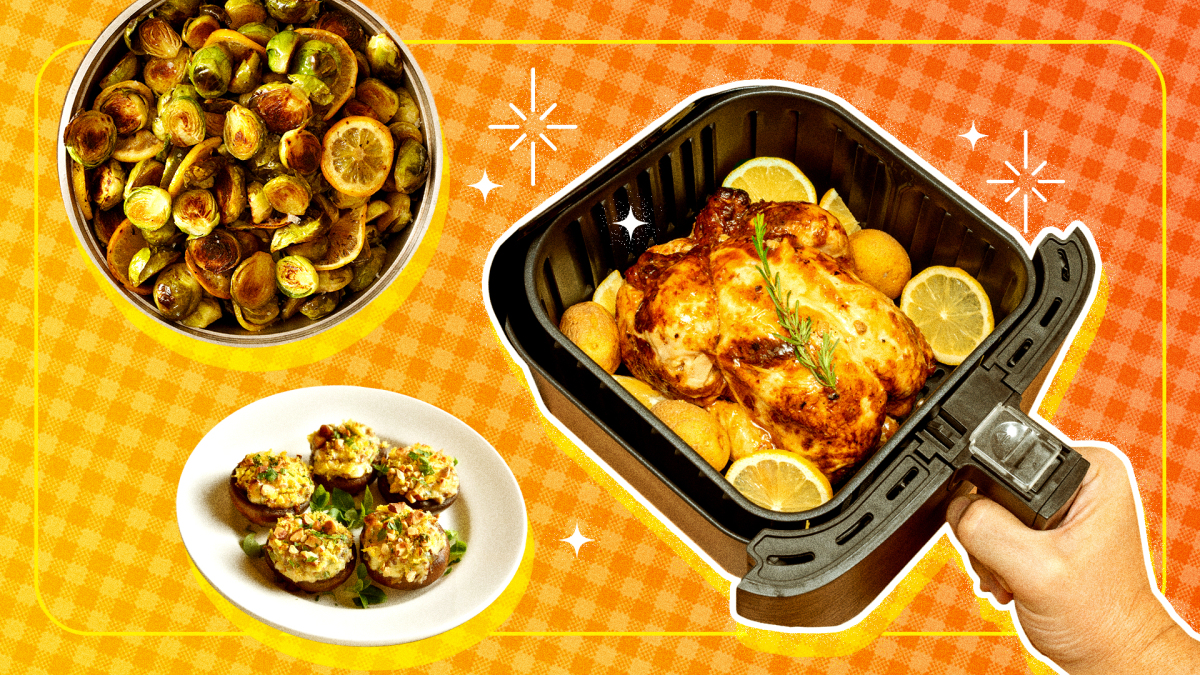
Thanksgiving turkey has a reputation for being dramatic. It arrives frozen like a bowling ball, takes over half the refrigerator, and then expects everyone to stand around praising it like it just graduated from medical school. But here is the good news: making a delicious Thanksgiving turkey is not about secret chef magic. It is about planning, seasoning, temperature control, and not treating the bird like a mystery suitcase with wings.
A truly great Thanksgiving turkey is juicy inside, golden outside, properly seasoned all the way through, and safe to serve. The skin should be crisp enough to make people quietly compete for the best pieces. The breast meat should stay tender, not dry enough to require a rescue mission from the gravy boat. The dark meat should be rich, savory, and fully cooked. And the cook? Ideally calm, wearing an apron, and not whispering emergency prayers into the oven door.
This guide explains how to make a delicious Thanksgiving turkey from start to finish, including how to choose the right bird, thaw it safely, season it deeply, roast it correctly, check doneness, rest it, carve it, and fix common turkey problems before they become family legends.
Why Thanksgiving Turkey Turns Out Dry
Turkey becomes dry for one main reason: the breast and the legs cook at different speeds. The white meat in the breast is lean and can dry out if cooked too long, while the dark meat in the thighs needs a little more time to become tender. That means roasting a whole turkey is basically asking one bird to behave like two different dinners.
The solution is not panic. The solution is smart preparation. Dry brining, butter or oil, proper oven temperature, a roasting rack, a reliable meat thermometer, and a good resting period can completely change the result. In other words, the turkey does not need drama. It needs structure. Thanksgiving is already dramatic enough when someone brings up politics before pie.
Choose the Right Turkey
Fresh vs. Frozen Turkey
Both fresh and frozen turkeys can be delicious. A fresh turkey saves thawing time, but it must be bought close to Thanksgiving and kept cold. A frozen turkey is usually easier to find, often more affordable, and perfectly fine when thawed correctly. The key is to plan ahead. A frozen turkey is not something you buy on Wednesday night unless your Thanksgiving menu includes cereal and emotional damage.
How Much Turkey Per Person?
A good rule is to plan about 1 to 1 1/2 pounds of turkey per person. If you want leftovers, go closer to 1 1/2 pounds per guest. If your family treats leftovers like a competitive sport, consider 2 pounds per person. Turkey sandwiches do not make themselves.
For 6 people, a 10- to 12-pound turkey is usually enough. For 8 to 10 people, choose a 14- to 16-pound bird. For a larger crowd, consider roasting two smaller turkeys instead of one enormous one. Smaller turkeys are easier to handle, cook more evenly, and do not require the upper-body strength of a professional wrestler.
Thaw the Turkey Safely
Safe thawing is one of the most important steps in making Thanksgiving turkey. The best method is refrigerator thawing. Keep the turkey in its original wrapper, place it breast side up on a tray, and thaw it in the refrigerator at 40°F or below. Allow about one day of thawing for every 4 to 5 pounds of turkey.
For example, a 12-pound turkey needs roughly three days in the refrigerator. A 16-pound turkey needs about four days. A 20-pound turkey may need five days or more. Add an extra day if you can, because turkeys enjoy pretending they are still frozen in the center just to keep things interesting.
If you are short on time, use the cold-water method. Keep the turkey in its sealed wrapper, submerge it in cold water, and change the water every 30 minutes. This method takes about 30 minutes per pound. Never thaw a turkey on the counter. Room-temperature thawing can allow bacteria to grow on the outside while the inside remains frozen.
Dry Brine for Better Flavor
If you want a juicy, flavorful Thanksgiving turkey with crisp skin, dry brining is one of the best techniques. A dry brine is simply salt, sometimes mixed with sugar, herbs, spices, or citrus zest, rubbed over the turkey and left to rest in the refrigerator. The salt draws out moisture at first, then that seasoned moisture gets reabsorbed into the meat. The result is better flavor and improved texture.
Simple Dry Brine Formula
For a 12- to 14-pound turkey, mix:
- 3 tablespoons kosher salt
- 1 tablespoon brown sugar
- 1 teaspoon black pepper
- 1 tablespoon chopped rosemary, thyme, or sage
- 1 teaspoon lemon or orange zest
Pat the turkey dry with paper towels. Rub the dry brine all over the outside, inside the cavity, and gently under the skin where possible. Place the turkey on a rack set over a rimmed baking sheet or roasting pan. Refrigerate uncovered for at least 12 hours, preferably 24 to 48 hours. The uncovered rest helps dry the skin, which means better browning later.
Do not rinse the turkey after dry brining. Rinsing can spread bacteria around the sink area, and it also washes away flavor. Instead, simply pat away excess moisture if needed.
Add Flavor with Herb Butter
Herb butter is the Thanksgiving equivalent of giving your turkey a spa treatment. It adds flavor, encourages browning, and helps the meat stay moist. Softened butter mixed with garlic, herbs, citrus zest, and pepper can be spread under the skin and over the outside of the bird.
Classic Herb Butter
- 1 stick unsalted butter, softened
- 2 cloves garlic, finely minced
- 1 tablespoon chopped thyme
- 1 tablespoon chopped rosemary
- 1 tablespoon chopped sage
- 1 teaspoon lemon zest
- 1/2 teaspoon black pepper
Gently loosen the skin over the breast with your fingers, being careful not to tear it. Spread some herb butter underneath the skin, then rub the rest over the outside. If your turkey has been dry brined, use unsalted butter and avoid adding more salt unless you taste and truly need it.
Use Aromatics, Not Heavy Stuffing
For the best Thanksgiving turkey, fill the cavity with aromatics instead of dense bread stuffing. Try onion, lemon, apple, garlic, celery, carrots, rosemary, thyme, and sage. These ingredients perfume the bird from the inside without slowing down cooking as much as stuffing does.
If you love stuffing, bake it separately in a casserole dish. It will get crispy edges, absorb flavorful broth, and avoid the food-safety challenge of making sure the center of stuffing inside the turkey reaches 165°F. Stuffing cooked inside the bird can be safe, but it requires careful temperature checking, and it often causes the turkey meat to overcook by the time the stuffing is done.
Prepare the Roasting Pan
A roasting rack helps hot air circulate around the turkey. If you do not have a rack, place thick slices of onion, carrot, and celery in the bottom of the pan and set the turkey on top. This keeps the bird lifted and also creates flavorful drippings for gravy.
Add 1 to 2 cups of low-sodium turkey broth, chicken broth, or water to the bottom of the pan. This helps prevent drippings from burning. Do not pour liquid directly over the turkey skin if you want it crisp. Crispy skin and unnecessary moisture are not best friends.
Roast the Turkey the Right Way
Preheat the oven to 325°F or 350°F. Either temperature can work, but 325°F gives gentle cooking, while 350°F encourages a little more browning. Place the turkey breast side up on the rack. Tuck the wings under the body so they do not burn. Tie the legs loosely with kitchen twine if desired, but do not make the bird look like it is trying to pass airport security.
Basic Roasting Time Guide
Roasting times vary depending on oven accuracy, turkey size, whether the bird is stuffed, and how cold it is when it goes into the oven. Use time as a planning tool, not as the final judge. The thermometer is the boss.
- 10 to 12 pounds: about 2 3/4 to 3 hours
- 12 to 14 pounds: about 3 to 3 3/4 hours
- 14 to 18 pounds: about 3 3/4 to 4 1/4 hours
- 18 to 20 pounds: about 4 1/4 to 4 1/2 hours
- 20 to 24 pounds: about 4 1/2 to 5 hours
Begin checking early, about 30 to 45 minutes before the expected finish time. Insert the thermometer into the thickest part of the breast and thigh without touching bone. The turkey is safe when it reaches 165°F in the thickest part of the meat. If you cooked stuffing inside the turkey, the center of the stuffing must also reach 165°F.
Should You Baste the Turkey?
Basting feels traditional, but it is not always necessary. Opening the oven repeatedly lets heat escape, which can extend cooking time. Also, spooning pan juices over the skin may soften it. If you want a juicy turkey, dry brining and proper temperature control matter more than basting every 20 minutes like a nervous helicopter parent.
If you enjoy basting, do it lightly and not too often. Once every 45 minutes is plenty. Better yet, brush the turkey with butter or oil before roasting and leave it alone for most of the cooking time.
How to Get Golden, Crispy Skin
Crispy turkey skin comes from dryness, fat, and heat. Pat the turkey very dry before seasoning. Let it rest uncovered in the refrigerator after dry brining. Rub the skin with butter or oil. Roast on a rack so air can circulate. If the turkey is cooked through but the skin looks pale, raise the oven temperature to 425°F for the final 10 to 15 minutes, watching carefully so it does not burn.
If the skin browns too quickly, loosely tent the breast with foil. Do not wrap the whole turkey tightly, or steam will soften the skin. Think of foil as a tiny sun hat, not a winter coat.
Rest the Turkey Before Carving
Resting is not optional. After roasting, transfer the turkey to a carving board and let it rest for at least 30 minutes, or up to 45 minutes for a large bird. During this time, juices redistribute through the meat. If you carve immediately, those juices run all over the cutting board, and your turkey becomes dry while the board enjoys a luxurious broth bath.
Loosely tent the turkey with foil while it rests. This gives you time to make gravy, warm side dishes, find the serving platter, and politely ask people to stop “just checking” the mashed potatoes with a spoon.
Make Gravy from the Drippings
A delicious Thanksgiving turkey deserves delicious gravy. Pour the pan drippings through a strainer into a measuring cup. Skim off excess fat, but save a few tablespoons. In a saucepan, whisk 3 tablespoons turkey fat or butter with 3 tablespoons flour over medium heat. Cook for a few minutes until golden. Slowly whisk in 2 to 3 cups turkey stock and strained drippings. Simmer until thickened. Taste before adding salt, especially if your turkey was dry brined.
For extra flavor, simmer the turkey neck with onion, celery, carrot, bay leaf, and water while the turkey roasts. This quick stock can stretch the gravy and make it taste more homemade than anything from a jar. Jarred gravy is useful, but homemade gravy has the confidence of someone who brought a spreadsheet to Thanksgiving.
How to Carve a Thanksgiving Turkey
Carving looks intimidating, but it is easier when you separate the turkey into sections. First, remove the legs by cutting through the skin between the leg and breast, then gently pulling the leg outward until the joint is exposed. Cut through the joint. Separate the thigh from the drumstick. Next, remove the wings. Finally, slice the breast meat by cutting down along one side of the breastbone and removing the breast in one large piece. Slice it crosswise into neat pieces.
This method gives you better slices and less chaos than hacking at the bird in front of guests. The turkey has already done its job. It does not need to be publicly defeated.
Common Thanksgiving Turkey Mistakes
Forgetting to Thaw Early
This is the classic mistake. A frozen turkey cannot be roasted properly from the center out unless it is specifically designed and labeled for cooking from frozen. For a standard frozen turkey, plan days ahead.
Skipping the Thermometer
The pop-up timer is not enough. Use a real instant-read thermometer or oven-safe probe thermometer. It is the difference between confidence and cutting into the turkey like you are opening a suspense novel.
Overcrowding the Oven
Too many casseroles around the turkey can block airflow and slow cooking. Plan oven space ahead. Side dishes can often be baked while the turkey rests.
Carving Too Soon
A turkey needs time to rest. Cutting too early releases juices. Give it at least 30 minutes, and your patience will be rewarded.
Experience-Based Tips for a Better Thanksgiving Turkey
After cooking Thanksgiving turkey a few times, you learn that the recipe is only part of the story. The real secret is timing, organization, and leaving yourself enough room to make small adjustments. A turkey dinner has many moving pieces: the bird, the gravy, the sides, the rolls, the cranberry sauce, the dessert, and at least one person asking whether dinner is ready while standing directly in the way.
One of the best experiences I can recommend is preparing the turkey the day before. Dry brine it, place it on a rack, and let it sit uncovered in the refrigerator overnight. The next day, you are not wrestling with salt, herbs, and raw poultry while guests are arriving. You simply add herb butter, aromatics, and roast. This makes Thanksgiving morning feel less like a cooking competition and more like a holiday.
Another useful lesson is to write a simple schedule. Count backward from dinner time. If you want to eat at 5:00 p.m., and your turkey needs about 3 1/2 hours to roast plus 30 to 45 minutes to rest, it should go into the oven around 1:00 p.m. or a little earlier. Add time for preheating, seasoning, and unexpected delays. Thanksgiving ovens love surprises. Sometimes the turkey cooks faster. Sometimes it takes longer. Sometimes your cousin opens the oven six times to “see how it’s doing,” as if the turkey might wave.
It also helps to keep flavors classic but not boring. Turkey loves herbs such as sage, thyme, and rosemary. Citrus zest adds brightness. Garlic adds warmth. A little brown sugar in the dry brine helps with browning, but too much can burn. Black pepper gives gentle heat. You do not need twenty spices. Thanksgiving turkey should taste like turkey, not like it got lost in the spice cabinet during a windstorm.
For small gatherings, consider turkey breast or spatchcocked turkey. A whole turkey is beautiful, but it is not always practical. Spatchcocking, which means removing the backbone and flattening the bird, helps it cook faster and more evenly. It also gives more skin exposure, which is excellent news for people who believe crispy turkey skin is the true meaning of the holiday.
Do not forget the emotional importance of gravy. Even a slightly dry turkey can be saved with great gravy, but a perfect turkey with weak gravy feels like a missed opportunity. Use the neck, pan drippings, and a simple roux. Taste as you go. If the gravy is too thick, add stock. If it is too thin, simmer it longer. If it is bland, add a small pinch of salt, pepper, or a splash of turkey drippings. Gravy is forgiving, which is exactly the energy Thanksgiving needs.
Finally, remember that Thanksgiving turkey does not have to be flawless to be wonderful. People remember the smell of herbs in the kitchen, the first slice, the laughter, the sides, the leftovers, and the person who proudly announces they made “just a small plate” before building a mashed potato mountain. Cook carefully, use a thermometer, rest the turkey, and enjoy the moment. A delicious Thanksgiving turkey is not just food. It is the centerpiece of a meal where everyone gathers, eats too much, and somehow still finds room for pie.
Conclusion
Learning how to make a delicious Thanksgiving turkey is mostly about patience and smart technique. Choose the right size bird, thaw it safely, dry brine it for deep flavor, use herb butter for richness, roast it on a rack, check the internal temperature with a thermometer, and let it rest before carving. These simple steps create a turkey that is juicy, flavorful, golden, and worthy of the biggest platter in the house.
The best Thanksgiving turkey does not need complicated tricks. It needs seasoning, time, heat, and a cook who refuses to guess when a thermometer exists. Add good gravy, classic sides, and a little humor, and you have a holiday meal that feels warm, generous, and delicious from the first slice to the final leftover sandwich.