

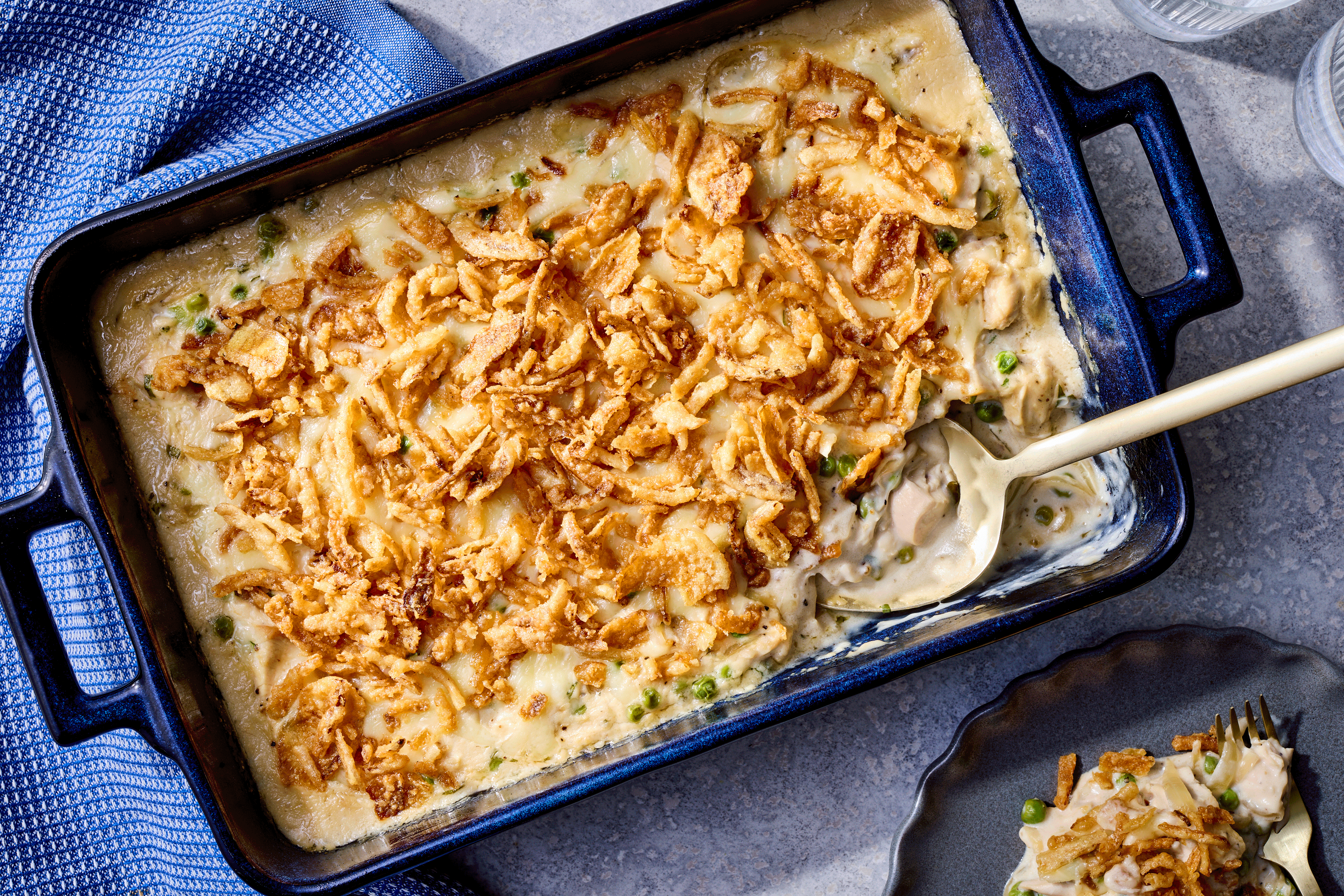
When the air turns crisp, the sweaters come out, and your kitchen starts whispering, “Please bake something cozy,” it is officially casserole season. Fall casseroles are the culinary equivalent of a warm blanket, except they also feed your family, rescue your weeknight schedule, and make leftovers feel like a gift instead of a fridge-based obligation.
The best part? A casserole does not have to be a heavy, cream-of-everything situation to taste comforting. With seasonal vegetables, lean proteins, whole grains, beans, herbs, and smarter sauces, you can build healthy fall casserole recipes that are hearty enough for chilly nights but still balanced enough that you do not need to nap under the dining table afterward.
This guide brings together ten cozy, nutritious casserole ideas inspired by classic American comfort food, modern healthy cooking methods, and fall’s best ingredients: butternut squash, sweet potatoes, mushrooms, kale, apples, turkey, lentils, brown rice, quinoa, and plenty of melty-but-reasonable cheese. Think comfort food with a cardigan and a gym membership.
Why Healthy Fall Casseroles Work So Well
A great casserole is all about layers: flavor, texture, nutrition, and convenience. Fall ingredients naturally fit this style of cooking. Root vegetables become sweet and tender in the oven. Whole grains soak up savory sauces. Beans and lentils add fiber and plant-based protein. Chicken, turkey, eggs, and fish can make the dish satisfying without making it greasy.
For a healthier casserole, the goal is not to remove joy. That would be rude. Instead, the goal is to build the dish around nutrient-dense ingredients and use rich ingredients strategically. A little sharp cheddar, Parmesan, Greek yogurt, olive oil, or toasted nuts can go a long way when the base is packed with vegetables and protein.
10 Healthy Fall Casserole Recipes Perfect for Chilly Nights
1. Butternut Squash, Kale, and Turkey Casserole
This is the casserole you make when you want dinner to taste like fall but still behave itself nutritionally. Roasted butternut squash brings natural sweetness, kale adds earthy greens, and lean ground turkey gives the dish enough protein to keep everyone full.
To make it, roast cubed butternut squash with olive oil, garlic, thyme, black pepper, and a small pinch of salt. Brown lean ground turkey with onion, celery, and sage. Stir everything together with chopped kale, cooked brown rice, a splash of low-sodium broth, and a spoonful of Greek yogurt for creaminess. Top with a modest layer of Parmesan and bake until golden.
Healthy tip: Use brown rice or farro instead of white rice for more fiber and a pleasantly chewy texture. The squash keeps the casserole moist, so you do not need a heavy cream sauce.
2. Sweet Potato and Black Bean Enchilada Casserole
If fall comfort food and taco night had a very responsible baby, this would be it. Sweet potatoes and black beans are a dream team: sweet, earthy, filling, and loaded with color. Add corn tortillas, salsa verde, spices, and a sprinkle of cheese, and suddenly Tuesday looks much more exciting.
Layer roasted sweet potato cubes with black beans, sautéed peppers, onions, corn tortillas, and enchilada sauce. Add cumin, smoked paprika, chili powder, and lime juice for bold flavor. Bake until bubbly, then finish with cilantro, avocado slices, and plain Greek yogurt instead of sour cream.
Healthy tip: Choose a lower-sodium enchilada sauce or make your own with tomatoes, roasted peppers, garlic, and spices. Beans add fiber and protein, making this vegetarian casserole satisfying without needing meat.
3. Chicken, Mushroom, and Wild Rice Casserole
Classic chicken and rice casserole often leans heavily on canned soup, but this lighter version keeps the cozy flavor and skips the overly salty shortcut. Wild rice adds a nutty bite, mushrooms bring savory depth, and chicken makes it a complete meal.
Start with cooked wild rice or a wild rice blend. Sauté mushrooms, onions, carrots, and garlic until deeply fragrant. Stir in shredded cooked chicken, low-sodium broth, a little milk, and a small amount of flour or cornstarch to thicken. Add rosemary and thyme, transfer to a baking dish, and top with whole-grain breadcrumbs.
Healthy tip: Use rotisserie chicken if you are short on time, but remove the skin and watch the sodium. Adding extra mushrooms stretches the chicken and gives the casserole a rich, almost meaty flavor.
4. Lentil Shepherd’s Pie With Cauliflower Mash
This plant-forward casserole brings all the comfort of shepherd’s pie without requiring a beefy nap afterward. Lentils simmer with carrots, peas, onions, tomato paste, and herbs until thick and savory. On top, a creamy cauliflower-potato mash gives you that classic golden crust.
Use brown or green lentils because they hold their shape better than red lentils. Cook them with vegetable broth, garlic, thyme, and a splash of Worcestershire sauce or balsamic vinegar for depth. For the topping, mash steamed cauliflower with a small amount of potato, olive oil, low-fat milk, and black pepper.
Healthy tip: Blending cauliflower with potatoes keeps the topping creamy and comforting while adding more vegetables. It is not “fake mashed potatoes.” It is mashed potatoes wearing a vegetable cape.
5. Turkey and Pumpkin Pasta Bake
Pumpkin is not only for pie, lattes, and aggressively scented candles. Unsweetened pumpkin puree makes a creamy, vitamin-rich sauce for pasta bakes. Pair it with lean turkey, whole-wheat pasta, spinach, and warming spices for a fall casserole that feels fancy but cooks like a weeknight hero.
Brown lean ground turkey with garlic, onion, oregano, and crushed red pepper. Stir in pumpkin puree, low-sodium broth, a little milk, and Parmesan. Toss with cooked whole-wheat penne and spinach, then bake with mozzarella on top until lightly browned.
Healthy tip: Use 100% pumpkin puree, not pumpkin pie filling. One is a vegetable-based sauce starter; the other is dessert wearing a disguise.
6. Apple, Chicken Sausage, and Brussels Sprouts Casserole
This casserole tastes like a fall farmers market decided to become dinner. Brussels sprouts roast until caramelized, apples add sweetness, and chicken sausage brings savory flavor without needing a mountain of meat.
Slice Brussels sprouts and apples, then combine them with sliced chicken sausage, red onion, cooked barley or quinoa, Dijon mustard, apple cider vinegar, and a drizzle of olive oil. Bake until the vegetables are tender and the apples soften into the dish.
Healthy tip: Choose chicken sausage with simple ingredients and moderate sodium. The mustard and vinegar brighten the dish, so you can use less salt while still getting big flavor.
7. Broccoli Cheddar Quinoa Casserole
Broccoli cheddar casserole is beloved for a reason: it is cheesy, green, and makes people forget they are enthusiastically eating broccoli. This healthier version uses quinoa for protein and texture, plus a lighter homemade cheese sauce.
Cook quinoa in low-sodium broth. Steam or roast broccoli until just tender. Make a sauce with low-fat milk, a small amount of flour, sharp cheddar, garlic powder, and black pepper. Combine everything and bake until bubbling. A crisp topping of whole-grain breadcrumbs adds texture.
Healthy tip: Sharp cheddar gives more flavor with less cheese. That is the kind of kitchen math we can all support.
8. Spaghetti Squash Turkey Marinara Bake
For pasta-night energy with more vegetables, spaghetti squash is a fall favorite. Once roasted, it pulls into noodle-like strands and pairs beautifully with turkey marinara, spinach, and mozzarella.
Roast the spaghetti squash until tender, then scrape the strands into a baking dish. Brown lean turkey with garlic and Italian seasoning. Add marinara sauce, spinach, and a pinch of red pepper flakes. Mix with the squash, top lightly with mozzarella, and bake until hot and melty.
Healthy tip: Use a marinara sauce with no added sugar or make a quick version with crushed tomatoes, garlic, basil, oregano, and olive oil.
9. Harvest Vegetable Egg Casserole
Breakfast for dinner deserves more respect. This fall egg casserole works for brunch, meal prep, or a chilly night when you want something warm but not too heavy. It combines eggs, roasted vegetables, greens, and a little cheese into one sliceable dish.
Roast diced sweet potatoes, onions, bell peppers, and mushrooms. Add them to a baking dish with spinach or kale. Whisk eggs with egg whites, low-fat milk, black pepper, and a touch of smoked paprika. Pour over the vegetables, sprinkle with feta or cheddar, and bake until set.
Healthy tip: Mixing whole eggs with egg whites keeps the casserole fluffy while reducing saturated fat. Serve it with fruit or a green salad for a balanced meal.
10. Mediterranean Chickpea and Vegetable Casserole
This bright, hearty casserole is proof that healthy comfort food does not have to be beige. Chickpeas, tomatoes, zucchini, eggplant, peppers, onions, herbs, and a little feta create a colorful dish that feels cozy without being heavy.
Sauté onions, garlic, zucchini, eggplant, and bell peppers. Add chickpeas, crushed tomatoes, oregano, parsley, and black pepper. Bake until thick and bubbling, then finish with feta and fresh herbs. Serve it over brown rice, couscous, or farro.
Healthy tip: Chickpeas add fiber and plant protein. If you use canned chickpeas, rinse and drain them to reduce sodium.
How to Make Any Fall Casserole Healthier
Start With Vegetables First
A healthy casserole should not treat vegetables like background actors. Give them a starring role. Butternut squash, cauliflower, kale, mushrooms, broccoli, carrots, Brussels sprouts, spinach, onions, and peppers all bake beautifully. Roasting vegetables before adding them to a casserole makes them sweeter and prevents watery results.
Choose Whole Grains When Possible
Brown rice, quinoa, farro, barley, bulgur, and whole-wheat pasta add texture and help casseroles feel satisfying. They also pair well with fall flavors like sage, thyme, rosemary, garlic, and roasted vegetables.
Use Lean and Plant-Based Proteins
Lean turkey, chicken breast, eggs, fish, beans, lentils, tofu, and chickpeas can all make casseroles filling. A good protein source turns a side dish into dinner and keeps everyone from wandering back into the kitchen thirty minutes later asking, “Do we have snacks?”
Build Creaminess Without Heavy Cream
Greek yogurt, blended cottage cheese, pureed pumpkin, mashed sweet potato, cauliflower puree, low-fat milk, or a small amount of cheese can create creamy texture without relying on heavy cream. The trick is to add flavor with herbs, spices, roasted garlic, mustard, citrus, or vinegar so the dish tastes full and balanced.
Watch Sodium Without Making Food Boring
Low-sodium broth, rinsed canned beans, homemade sauces, herbs, spices, lemon juice, apple cider vinegar, and roasted aromatics can reduce the need for extra salt. Healthy food should not taste like a cardboard apology. Season smartly and boldly.
Meal Prep Tips for Fall Casseroles
Casseroles are meal prep royalty. Most can be assembled ahead, refrigerated, and baked when needed. You can also bake once and portion leftovers for lunches. For best results, let the casserole cool before storing it, use airtight containers, and reheat with a splash of broth or water if the grains absorb too much moisture.
If you plan to freeze a casserole, choose recipes with sturdy ingredients such as rice, lentils, beans, turkey, chicken, and roasted vegetables. Dairy-heavy sauces may separate after freezing, so lighter tomato-based or broth-based casseroles often freeze better.
What to Serve With Healthy Fall Casseroles
Because many casseroles already include protein, grains, and vegetables, side dishes can stay simple. A crisp green salad, roasted green beans, steamed broccoli, sliced apples, or a bowl of soup can round out the meal. For a lighter dinner, serve a smaller casserole portion with extra vegetables. For a heartier meal, add whole-grain bread or a side of roasted squash.
Experience Notes: What Cooking Fall Casseroles Teaches You
After cooking enough fall casseroles, you start to learn that a good casserole is less of a strict recipe and more of a reliable strategy. It is the dish you make when the weather is dramatic, the fridge contains “a little of everything,” and everyone in the house is pretending not to be hungry while standing directly in front of the pantry.
One of the biggest lessons is that texture matters. A casserole made with only soft ingredients can feel flat, even if the flavor is good. That is why roasted vegetables, toasted breadcrumbs, nuts, seeds, or a lightly browned cheese topping make such a difference. The contrast between creamy filling and crisp topping is what makes people go back for seconds while claiming they are “just evening out the corner.” We all know the move.
Another lesson is that seasoning must happen in layers. If you season only at the end, the casserole may taste dull in the middle. Salt lightly as you cook vegetables, add herbs to the protein, season the sauce, and taste before baking. Fall ingredients love warm flavors: sage with turkey, rosemary with mushrooms, thyme with chicken, cumin with sweet potatoes, oregano with tomatoes, and smoked paprika with almost everything. A small squeeze of lemon or splash of vinegar at the end can wake up a dish that tastes too heavy.
Healthy casseroles also teach you the value of balance. If the dish has a starchy base like pasta or rice, add plenty of vegetables and protein. If it is rich with cheese, keep the sauce lighter. If it is vegetarian, include beans, lentils, eggs, tofu, Greek yogurt, or quinoa so it feels complete. A casserole should leave you warm and satisfied, not searching for cookies with the urgency of a detective in a crime drama.
There is also something deeply practical about fall casseroles. They reduce dishes, stretch ingredients, and make leftovers taste intentional. A Sunday casserole can become Monday lunch, Tuesday dinner, or the emergency meal you reheat when life gets busy. Families love them because they are familiar. Cooks love them because they forgive small mistakes. If the vegetables are slightly uneven, nobody files a complaint. If the top gets extra golden, people call it “rustic.” Casseroles are generous like that.
For beginners, the easiest formula is simple: choose one protein, one grain or starchy vegetable, two or three vegetables, one sauce, and one topping. For example, turkey plus brown rice plus squash and kale plus broth-based sauce plus Parmesan breadcrumbs. Or chickpeas plus farro plus tomatoes, zucchini, and peppers plus marinara plus feta. Once you understand the formula, you can create dozens of healthy fall casserole recipes without staring into the fridge like it owes you money.
Most importantly, fall casseroles remind us that healthy eating does not need to be cold, complicated, or joyless. A bubbling baking dish can be wholesome and comforting at the same time. It can include vegetables and still make the kitchen smell like a cozy cabin. It can support your goals and still taste like something you genuinely want to eat. That is the magic of a well-built casserole: practical, nourishing, and just indulgent enough to make chilly nights feel like a reward.
Conclusion
Healthy fall casseroles are the perfect answer to chilly nights because they combine comfort, convenience, and nutrition in one bubbling dish. By using seasonal vegetables, whole grains, lean proteins, beans, lentils, lighter sauces, and flavorful herbs, you can enjoy cozy meals without turning dinner into a heavy food coma. From butternut squash turkey casserole to sweet potato black bean enchilada bake, these recipes prove that healthy comfort food can still be rich, colorful, and deeply satisfying.
The best fall casserole is flexible. Use what you have, season it well, and balance creamy textures with fresh vegetables and crisp toppings. Whether you are meal prepping for the week, feeding a family, or simply trying to make your kitchen smell like autumn in the best possible way, these healthy fall casserole recipes are ready for the job.
Note: This article was created from a synthesis of reputable American cooking and nutrition guidance, including healthy casserole methods, seasonal fall ingredients, balanced plate principles, and common heart-smart cooking practices. The content is original, rewritten naturally, and prepared for web publication.