

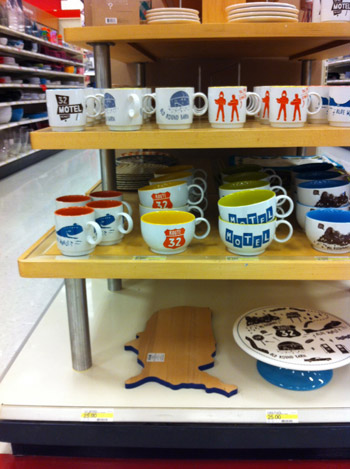
Before the cart fills up, before the receipts start breeding in your wallet, and before you somehow convince yourself that a brass giraffe lamp is a “practical accent piece,” there is a quieter, smarter ritual: window shopping. Not fake shopping. Not reckless shopping. Not “I’m just looking” shopping that ends with three throw pillows and a candle named something like Frosted Orchard Library. I mean real window shopping: the slow, observant, low-stakes art of browsing before the buying begins.
That is the calm before the tour. The tour might be a weekend home-decor crawl, a seasonal refresh, a round of open houses, a furniture hunt, a holiday-hosting sprint, or a grand expedition through every aisle of your favorite big-box store. Whatever form it takes, the quiet part beforehand matters more than most people think. It is where taste gets sharper, budgets get wiser, and impulse purchases lose some of their dramatic little monologues.
Window shopping has always had a little theater in it. You look, you imagine, you edit. A display can make a room feel possible before you spend a dime. A stack of amber glassware can whisper “elevated autumn dinner party,” while a row of sculptural lamps can suggest that maybe your sad side table deserves better than being the resting place of unopened mail and one heroic charging cable. Browsing is not wasted time. Done right, it is research with better lighting.
Why Window Shopping Still Works in a Buy-Now World
We live in an age of one-click temptation, which is exactly why window shopping feels almost rebellious. It restores a tiny but powerful gap between seeing and owning. That gap is useful. It lets you notice what you actually love instead of what merely looked exciting for six seconds under flattering retail lights.
When you browse without rushing to buy, your brain gets to enjoy anticipation without immediately turning that feeling into a transaction. That matters. The thrill of wanting something can be real, but wanting and needing are famously unreliable roommates. Window shopping gives them separate bedrooms.
It also helps you recognize patterns in your taste. Maybe you keep gravitating toward green glass, warm brass, nubby textiles, and anything that looks like it belongs in a charming old European pantry. Great. That is not random. That is your eye trying to tell you something. Browsing reveals the repeat motifs that form a personal style long before you can name it.
And then there is the budget benefit. When you browse first, you stop treating every cute object like a once-in-a-lifetime event. Spoiler alert: it is probably not. There will be another bowl, another basket, another candle, another charmingly unnecessary ceramic animal. Retail will survive if you walk away today.
The Calm Before the Tour Is Really a Planning Stage
People often think planning kills spontaneity. In home shopping, it usually prevents regret. The smartest shoppers are not necessarily the richest or the trendiest. They are the ones who know what room they are shopping for, what problem they are solving, and what role a new item needs to play.
That is why the best browsing trips happen before the “real” tour begins. You are not there to conquer the store like a caffeine-powered Viking. You are there to gather clues. What color stories are showing up again and again? Which finishes feel timeless instead of trendy? What pieces seem versatile enough to survive next season’s mood swing?
A useful window-shopping mindset sounds like this:
- What do I keep noticing?
- What would actually work in my home?
- What fills a gap instead of creating new clutter?
- What am I only attracted to because the store styled it brilliantly?
That last question is especially important. Stores are very, very good at romance. They pair the tray with the vase, the vase with the branches, the branches with the candleholders, and suddenly you are not buying decor. You are buying a fantasy in which your house is always spotless and no one ever leaves a hoodie on the dining chair.
Why Retail Displays Are So Good at Seducing Us
Window shopping feels innocent, but retail environments are carefully choreographed. That gorgeous endcap display? Not an accident. That eye-level row of “must-have” accessories? Also not an accident. The point is not to make you paranoid. It is to make you aware.
Good stores tell stories. The best ones do not just stack products; they stage little worlds. A holiday display can feel nostalgic. A minimal display can feel aspirational. A colorful tabletop setup can make you imagine yourself as the sort of person who casually hosts lunch on a Tuesday with linen napkins and citrus slices floating in a glass pitcher. Retailers know that people do not simply buy objects. They buy a version of life that those objects seem to promise.
That is one reason window shopping can be surprisingly useful: once you understand the performance, you can appreciate it without automatically funding it. You can admire the styling, take mental notes, snap a photo for later inspiration, and keep your credit card in a dignified state of rest.
Historically, that storytelling power is part of the charm. Window displays were never just about showing merchandise. Over time, they became visual events, especially around the holidays. The display itself became entertainment. That old idea still works because humans are extremely susceptible to beautiful scenes and the possibility that beauty might rub off on us if we bring the right lamp home.
What to Notice on a Great Window-Shopping Tour
If you want your browsing trip to be more useful than wandering around muttering, “Cute, cute, too beige, weird, cute,” focus on a few practical categories.
1. Color stories that repeat
The moment you see the same palette multiple times, pay attention. Maybe it is moss green and antique gold. Maybe it is navy, wood, and creamy white. Maybe it is smoky amber with black accents. Repetition tells you what is resonating right now, and it may also reveal what naturally works with your home.
2. Texture, not just color
A room rarely feels finished because of color alone. Texture does a lot of heavy lifting. Ribbed glass, brushed metal, woven baskets, slubby linen, velvet, matte ceramics, unfinished wood: these details create depth. During a browsing trip, texture is often more important than pattern because texture ages better. Pattern can flirt. Texture tends to commit.
3. Accent pieces with range
The best accessories earn their keep in more than one season. A green glass vase can work in summer with fresh stems, in fall with branches, and in winter with evergreen cuttings. A brass tray can hold candles in December and mail in March. A good purchase should not require a seasonal identity crisis every ten weeks.
4. Scale
Ah yes, scale: the reason an object can look chic in a store and absurd in your home. That lamp that seemed graceful under warehouse ceilings may turn into a small moon once it lands on your nightstand. Window shopping is the right time to check dimensions, compare heights, and think like an adult instead of an enchanted magpie.
5. Playful details
Not every item has to be serious. A framed dog print, a quirky bookend, a cheeky sign, a ceramic creature with suspiciously strong opinions: these are the things that keep a home from looking copied and pasted out of a catalog. One playful piece can humanize a room faster than six “perfect” beige accessories ever will.
How to Window Shop Like Someone Who Enjoys Peace
Here is the secret: the goal of window shopping is not self-denial. It is self-editing. You are learning how to enjoy the chase without losing your mind in the checkout line.
Start with a design plan, even a loose one. You do not need a formal mood board worthy of an interior designer with twelve clipboards. A simple note on your phone works: living room, needs warmth, needs one larger object and two smaller accents, avoid more beige, no more tiny vases because apparently we are already operating a tiny-vase sanctuary.
Then measure. Measure the wall. Measure the shelf. Measure the table. Measure the doorway if you are looking at furniture. Measure first so you do not have to perform emotional arithmetic in public while clutching a lamp base and squinting into the middle distance.
Next, give yourself a waiting period. If you truly love something, leave, think, and see whether it stays with you. A lot of things are thrilling in aisle seven and completely forgettable by the time you reach the parking lot. That is valuable information.
It also helps to “shop your home” before buying anything new. Move a lamp. Swap a tray. Restyle a shelf. Steal a pillow from the guest room. Half the fun of browsing is not in copying the display exactly, but in realizing you can recreate the mood with what you already own plus one strategic addition.
Design Trends Are Best Tested Through Browsing
One of the best things about window shopping is that it lets you flirt with trends before making a commitment. Mixed metals? Lovely in moderation. Darker glassware? Rich and moody. Bold seasonal accents? Fun, as long as your home does not look like it was mugged by a theme aisle.
Browsing gives you the distance needed to decide whether a trend is actually for you or just photogenic in someone else’s home. A brushed brass finish might feel warm and collected in one room and fussy in another. Graphic bedding may look cool folded on a display shelf but feel way too loud once it is covering the bed you are trying to sleep in. The point is not to reject trends. The point is to audition them before signing the contract.
That is where window shopping becomes less about consumption and more about curation. You are not gathering things. You are gathering standards. You are learning what earns a place in your home and what merely made a dramatic entrance.
500 More Words on the Experience of Window Shopping Before the Tour
There is a very specific pleasure in walking into a store when you are not yet there to buy. The air feels lighter. You are not hunting. You are noticing. You drift toward the front display, not because you need anything from it, but because someone arranged it with absurd confidence and now you would like to understand the logic. Why does that dark green glass look so good next to brushed gold? Why does a woven basket suddenly seem noble when it is holding birch branches instead of unmatched dog toys? Why does every beautifully styled bench imply that no one in that household has ever tossed a backpack onto it?
This is the part I love most: the small revelations. On a good browsing trip, you begin to see that style is rarely about buying more. It is about buying more selectively. You notice that the prettiest displays usually have breathing room. They let one lamp matter. One framed print gets a moment. One odd little ceramic animal provides the joke. The lesson is obvious, and yet strangely easy to forget when standing in front of twelve “affordable” accessories that seem harmless individually and suspiciously expensive as a group.
Then there is the physical rhythm of it all. The pause at the entrance. The first slow lap around the perimeter. The inevitable side quest through seasonal decor. The deep internal debate about whether a candle can really smell like “midnight orchard rain” or whether marketing has simply become poetry with a barcode. Window shopping has its own choreography, and part of the joy is letting that pace stay unhurried. It feels like a conversation with your future home rather than a raid on your current bank account.
Sometimes the experience is almost cinematic. You picture the item where it might live. The tray on the coffee table. The lamp by the reading chair. The amber tumblers catching low evening light during a dinner that, in your imagination, involves calm music, a casually excellent roast chicken, and guests who never ask where you keep the scissors. The fantasy is not silly. It is part of how people design. We imagine the life first and then decide which objects deserve to come with us into it.
And yet the best part of the calm before the tour is restraint. You leave with notes, not bags. Maybe a few photos. Maybe a clearer sense that your home wants less clutter and better texture. Maybe the realization that you do not need six new things; you need one stronger thing. Sometimes you come home and restyle a shelf with what you already have, and the entire trip pays off without a single purchase. That is a beautiful outcome, even if it is not exactly what the store had in mind.
Of course, sometimes one object keeps following you mentally. A lamp you cannot forget. A pillow that somehow manages to be both weird and perfect. A vase with just enough character to make the whole room feel more awake. Fine. Go back for it. That is not impulse buying anymore. That is informed affection. The object survived the walk, the car ride, dinner, sleep, and a full morning of rational thought. At that point, it has earned a second date.
So yes, window shopping is calm. But it is not passive. It sharpens taste, filters noise, protects budgets, and turns shopping into something more deliberate and more fun. Before the tour begins, before the carts rattle and the checkout lines test your spirit, there is this quieter practice of looking closely. And honestly? That may be the most stylish part of the whole adventure.
Conclusion
Window shopping is not a waste of time or a poor substitute for “real” shopping. It is the rehearsal that makes the performance better. It gives you the fun of discovery without the pressure of immediate ownership. It helps you spot trends without surrendering to them, admire styling without copying it blindly, and buy with intention when the right piece finally appears. In a world designed to make every desire feel urgent, browsing is a graceful little act of patience. It is the calm before the tour, yes, but it is also the moment when good taste, practical thinking, and a tiny bit of self-control finally get to ride in the same car.