

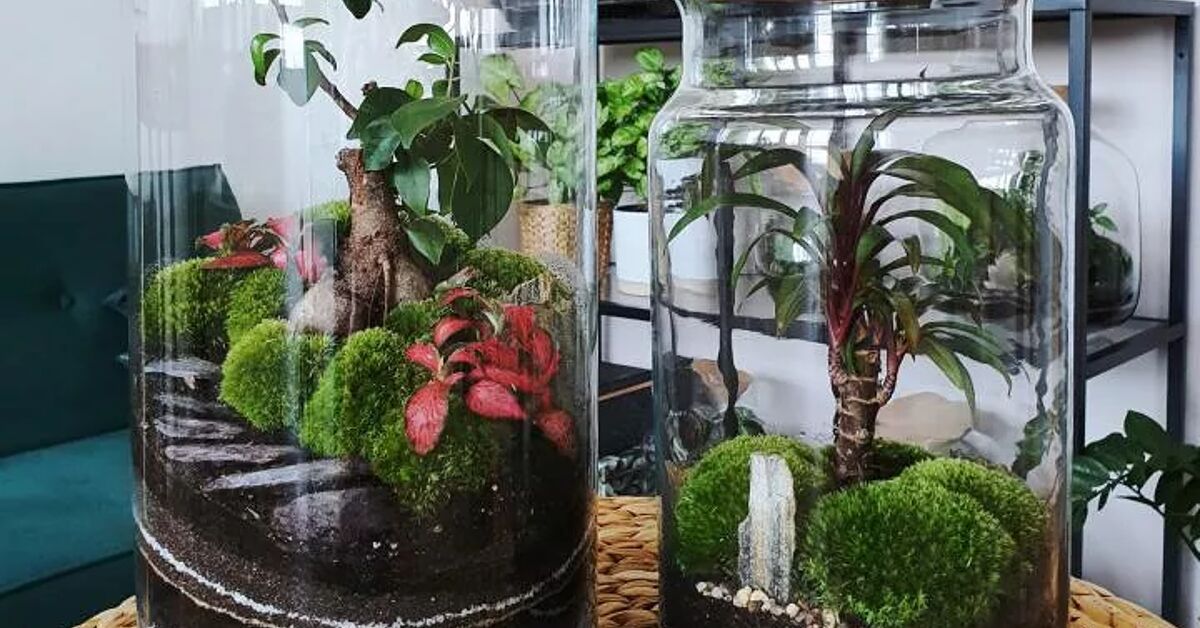
A terrarium is what happens when a houseplant, a snow globe, and a tiny fantasy forest all agree to move in together. It is part indoor garden, part living decoration, and part “I made this with my own hands, please admire it politely.” Best of all, learning how to make a terrarium is surprisingly simple. You do not need a greenhouse, a botany degree, or the mysterious confidence of someone who owns fourteen watering cans.
At its heart, a terrarium is a miniature plant environment built inside a glass container. Some are closed, creating a humid little ecosystem for moisture-loving plants. Others are open, giving succulents and drought-tolerant plants more airflow. Either way, the secret is choosing the right container, layering materials properly, planting wisely, and resisting the urge to drown your new tiny jungle with love.
This guide breaks the process into five simple steps, with practical tips, plant suggestions, common mistakes, and real-world care advice. By the end, you will know how to build a terrarium that looks polished, stays healthy, and does not turn into a foggy swamp with decorative pebbles.
What Is a Terrarium?
A terrarium is a small indoor garden arranged inside a glass or clear plastic container. It usually contains layers of gravel, charcoal, moss or barrier material, potting mix, and small plants. The container may be open or closed depending on the plants you choose.
A closed terrarium traps moisture and creates a warm, humid environment. It is ideal for tropical plants such as ferns, fittonia, peperomia, moss, and small creeping plants. An open terrarium allows more air circulation and works better for succulents, cacti, and plants that dislike constant humidity.
Think of it this way: closed terrariums are tiny rainforests; open terrariums are tiny patios. Put a desert plant in a rainforest jar and it may file a complaint by rotting. Put a humidity-loving fern in a dry open bowl and it may wilt like it just read bad news.
Supplies You Need Before You Start
Before you begin building your terrarium, gather everything in one place. This saves you from wandering around with soil on your fingers, looking for a spoon you are about to permanently rebrand as “the plant spoon.”
Basic Terrarium Materials
- A clean glass container, open or closed
- Small pebbles, aquarium gravel, or crushed stone
- Activated charcoal, especially helpful for closed terrariums
- Sheet moss, sphagnum moss, or landscape fabric as a soil barrier
- Sterile potting mix suited to your plant type
- Small terrarium plants
- A spoon, small trowel, chopsticks, tweezers, or long-handled tools
- A spray bottle or small watering can with a narrow spout
- Decorative stones, bark, shells, or miniature accents
Use fresh, clean materials whenever possible. Garden soil from the yard may seem charmingly rustic, but it can contain insects, weed seeds, fungi, or heavy clay that compacts in a container. A light sterile potting mix is usually the better choice.
Step 1: Choose the Right Terrarium Container
The container sets the mood for the whole project. A wide glass bowl feels modern and airy. A lidded apothecary jar looks like something from a botanical laboratory. A recycled cookie jar says, “I enjoyed snacks, and now I enjoy moss.” All are valid.
For beginners, a container with a wide opening is easiest. You can reach inside, adjust plants, smooth soil, and fix mistakes without needing the hand-eye coordination of a watchmaker. Narrow-neck bottles can look beautiful, but they are better for patient people, experienced terrarium builders, or anyone who enjoys using chopsticks as gardening equipment.
Open vs. Closed Containers
Choose an open container if you want to grow succulents, cacti, jade plants, echeveria, haworthia, or other plants that prefer drier air. Open terrariums dry out faster, but they are less likely to become overly humid.
Choose a closed container if you want a lush, green, humid environment. Closed terrariums are great for ferns, mosses, fittonia, pilea, peperomia, baby tears, and small tropical plants. The lid helps recycle moisture, so you water less often.
Whatever container you choose, clean it before planting. Dust, food residue, soap film, or mystery cabinet particles do not improve plant health. Wash the glass, rinse it well, and dry it before adding layers.
Step 2: Build the Drainage and Base Layers
Most terrarium containers do not have drainage holes. That is part of their charm and also their main design challenge. Since extra water cannot escape, you need a base layer that keeps water away from the roots.
Start with a layer of small pebbles, aquarium gravel, or crushed stone. For a small container, about one inch may be enough. For a taller or deeper container, you can use a slightly thicker layer. This drainage layer gives excess water somewhere to collect instead of sitting directly in the potting mix.
Next, add a thin layer of activated charcoal. Charcoal can help reduce odors and absorb some impurities, especially in closed terrariums where air movement is limited. You do not need a mountain of it. A light layer is enough.
Then add a barrier layer, such as sheet moss, sphagnum moss, or a small piece of landscape fabric. This keeps the soil from washing down into the gravel. Without a barrier, your elegant layers can slowly become one muddy parfait, and nobody came here to make swamp pudding.
How Thick Should the Base Be?
A practical rule is to keep the drainage materials and soil balanced with the size of the container. The base should be deep enough to function, but not so deep that your plants are smashed against the glass lid. In many terrariums, the combined base and soil layers take up roughly one-quarter to one-third of the container height.
Leave enough vertical space for foliage. Plants may be small now, but they will grow. A little breathing room makes the terrarium look more natural and keeps leaves from pressing against wet glass.
Step 3: Add the Right Soil and Choose the Best Plants
Soil choice matters more than many beginners realize. Terrarium plants live in a small, enclosed root zone, so the growing medium should be clean, light, and appropriate for the plant type.
For tropical closed terrariums, use a quality indoor potting mix that holds some moisture but does not become dense and soggy. For open succulent terrariums, use a cactus or succulent mix that drains quickly. Avoid heavy garden soil and avoid potting mixes loaded with fertilizer. Terrarium plants grow in a small space and usually do not need much feeding.
Best Plants for Closed Terrariums
- Fittonia, also called nerve plant
- Small ferns, such as button fern or maidenhair fern
- Peperomia varieties
- Pilea varieties
- Baby tears
- Creeping fig
- Mosses
Best Plants for Open Terrariums
- Echeveria
- Haworthia
- Jade plant
- Small aloe varieties
- Air plants
- String of pearls, if the container allows trailing growth
The biggest plant-selection rule is simple: group plants with similar needs. Do not mix a fern that loves humidity with a cactus that wants dry air. That is not a terrarium; that is a roommate conflict in glass.
Also choose slow-growing plants. A fast-growing plant may look cute at first, then attempt to conquer the container like a leafy empire. Compact plants with small leaves usually create the most balanced design.
Step 4: Plant and Design Your Mini Garden
Now comes the fun part: turning layers of rocks and soil into a tiny landscape. Before planting, place your plants inside the empty container or arrange them on the table to test the layout. Put taller plants toward the back or center, smaller plants near the front, and trailing plants near the edges.
Remove each plant from its nursery pot and gently loosen the roots. If the root ball is too large, trim it lightly with clean scissors. This helps the plant fit into the terrarium and can slow aggressive growth. Remove any yellow, damaged, or dead leaves before planting.
Use a spoon, small trowel, chopstick, or pencil to make planting holes. Set each plant into the soil, then gently firm the mix around the roots. Do not bury the crown of the plant too deeply. The plant should sit at about the same level it did in its nursery pot.
Design Tips for a Natural Look
A terrarium looks more interesting when it has variation. Instead of making the soil perfectly flat, create small slopes and dips. Add a stone that looks like a boulder, a piece of bark that resembles a fallen log, or a patch of moss that feels like a miniature forest floor.
Use odd numbers when grouping decorative objects. Three small stones often look more natural than two. Vary leaf shapes and colors, but avoid overcrowding. Plants need space for air movement and growth.
After planting, brush soil off the leaves and glass. A soft paintbrush, makeup brush, or folded paper towel works well. This little cleanup step makes the finished terrarium look crisp instead of like it survived a mud-related incident.
Step 5: Water, Place, and Care for Your Terrarium
Watering is where many terrariums succeed or surrender. Because there are no drainage holes, less is usually better. Use a spray bottle or a small watering tool and add moisture gradually. The soil should be lightly moist for tropical plants, not soaked. For succulents in an open terrarium, water even more sparingly and allow the soil to dry between waterings.
For closed terrariums, watch the condensation. A little misting on the glass is normal, especially in the morning or after watering. Heavy condensation that never clears may mean there is too much moisture. Open the lid for a few hours to let excess humidity escape.
Place your terrarium in bright, indirect light. Direct sun can heat the glass quickly and cook the plants. A terrarium may look peaceful on a sunny windowsill, but inside it can become a tiny greenhouse sauna. Near a bright window, but out of harsh direct rays, is usually best.
Ongoing Terrarium Maintenance
- Remove dead leaves as soon as you see them.
- Trim plants when they touch the glass or crowd each other.
- Rotate the container occasionally for even growth.
- Wipe dirty glass so light can reach the plants.
- Check for mold, pests, or soggy soil.
- Avoid frequent fertilizing, which can cause plants to outgrow the space.
A healthy terrarium should look fresh, balanced, and stable. If a plant declines, remove it before rot spreads. Terrariums are living arrangements, not museum exhibits. Editing is part of the process.
Common Terrarium Mistakes to Avoid
Overwatering the Terrarium
Overwatering is the classic beginner mistake. It comes from kindness, which is sweet, but roots do not accept good intentions as oxygen. If water pools in the gravel and the soil stays wet, roots may rot. Add water slowly and stop before the soil becomes soggy.
Using the Wrong Plants Together
Plant compatibility matters. Ferns and mosses enjoy humidity. Succulents and cacti prefer dryness and airflow. Mixing them in the same closed jar creates a situation where one group thrives and the other quietly plots its exit.
Placing the Terrarium in Direct Sun
Glass magnifies heat. Direct sunlight can raise temperatures quickly and scorch leaves. Bright indirect light is the safer choice for most terrariums.
Overcrowding the Container
A freshly planted terrarium should not look completely full. Leave room for growth. A little empty space at the beginning prevents a tangled jungle later.
Ignoring Mold or Dead Leaves
Closed terrariums are humid, which means decaying leaves can encourage mold. Remove dead plant material quickly and air out the container if moisture gets excessive.
Simple Terrarium Ideas for Beginners
The Tiny Rainforest Terrarium
Use a lidded glass jar, gravel, charcoal, moss, potting mix, fittonia, a small fern, and live moss. Keep it in bright indirect light and water lightly. This design is lush, green, and forgiving as long as you do not overwater.
The Desert Bowl Terrarium
Use an open glass bowl, gravel, cactus mix, haworthia, echeveria, and decorative sand or stones. Skip the closed lid. Give it bright indirect light with some gentle morning sun if your plants tolerate it. Water sparingly.
The Desk-Friendly Mini Terrarium
Use a small open container, one compact plant, a few pebbles, and a clean top dressing. This is perfect for a desk, shelf, or windowsill where space is limited. Keep the design simple so it does not look crowded.
Experience Notes: What Actually Helps When Making a Terrarium
After building a few terrariums, you quickly learn that the project is less about perfection and more about observation. The first big lesson is that tiny plants are not always tiny forever. That adorable little fern at the garden center may look like a polite guest, but in a closed terrarium it can become the botanical version of someone who brings three suitcases for a weekend trip. Choose plants that stay compact, and do not be afraid to prune.
The second lesson is that water should be treated like seasoning. You can always add more, but once you overdo it, the whole recipe gets complicated. A closed terrarium rarely needs frequent watering if the soil was moist when planted and the lid fits well. If the glass is constantly dripping, open the lid. If the soil looks pale and dry and leaves begin to wilt, add a small amount of water near the roots. The goal is balance, not drama.
Another helpful experience is to design with depth. A flat terrarium can still be pretty, but a terrarium with small hills, uneven moss patches, stones, and mixed textures feels more like a real landscape. Even a tiny slope can make the scene look intentional. Place the tallest plant slightly off-center instead of directly in the middle. This creates a more natural look, like the plants arranged themselves while you were not watching.
Tools matter more than expected. A long spoon, chopsticks, tweezers, and a soft brush can save a lot of frustration. In narrow containers, fingers are basically clumsy sausages. Long tools help you position plants, press soil around roots, remove stray leaves, and rescue decorative stones that fall into exactly the wrong place.
It also helps to clean as you go. Soil on the inside glass can make a finished terrarium look messy, even if the planting is beautiful. After planting, wipe the glass with a dry cloth or use a soft brush to remove soil from leaves. This final polish makes the terrarium look store-bought, except better because you made it and therefore have bragging rights.
One more practical tip: do not seal a closed terrarium immediately after heavy watering. Let wet leaves dry first. Trapped moisture on foliage can encourage rot or mold. Once the plants look settled and the leaves are dry, close the lid and watch the condensation pattern over the next few days.
Finally, remember that a terrarium is alive. It will change. Some plants will grow faster than expected. Moss may brown in one spot and thrive in another. A leaf may die. A plant may need replacing. This does not mean you failed. It means you made a living miniature garden, not a plastic decoration. The best terrarium builders are not the ones who never make mistakes; they are the ones who notice changes early and adjust.
Conclusion
Learning how to make a terrarium in 5 simple steps is one of the easiest ways to bring more greenery indoors without committing to a full jungle lifestyle. Choose the right container, build smart drainage layers, match your plants to the environment, plant with room to grow, and care for the terrarium with gentle watering and bright indirect light.
The best terrariums are not overstuffed, overwatered, or overcomplicated. They are balanced little worlds where the plants actually want to live. Start simple, observe often, and let your miniature garden teach you as it grows. With a little patience, your terrarium can become a beautiful, low-maintenance piece of living decorand possibly the only garden you can carry with two hands.