

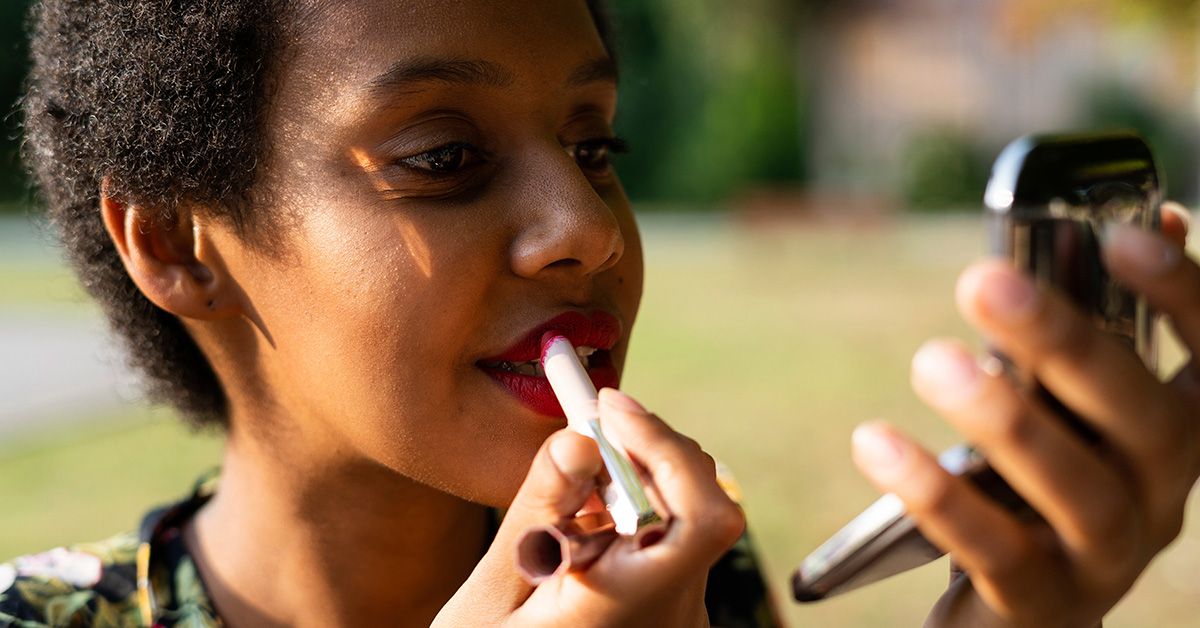
Making your own lipstick and lip balm sounds like something that requires a white lab coat, a chemistry degree, and possibly a dramatic soundtrack. Good news: you need none of those. With a few skin-loving oils, waxes, butters, clean containers, and lip-safe colorants, you can create smooth lip balm and wearable lipstick at home without turning your kitchen into a cosmetic crime scene.
DIY lip products are popular for three very good reasons: they are customizable, surprisingly affordable, and wildly satisfying. You get to choose the texture, shine, scent, color, packaging, and ingredients. Want a buttery vanilla lip balm for winter? Easy. A sheer berry lipstick that says “I made an effort” without screaming “I have a calendar full of meetings”? Also easy. Want to avoid mystery fragrance and overly tingly ingredients that make lips feel like they joined a gym? Homemade formulas let you keep things simple.
This guide explains how to make lipstick and lip balm from scratch, including ingredient roles, beginner-friendly recipes, safety tips, color ideas, troubleshooting, storage, and real-world experience from making batches that actually work. The goal is not to copy a commercial cosmetics lab. The goal is to create clean, practical, pretty lip products that glide on smoothly and do not collapse in your purse like a tiny wax-based tragedy.
Understanding the Basics of Homemade Lip Products
Lip balm and lipstick share the same basic family tree. Both usually contain wax, oil, and butter. The difference is balance. Lip balm focuses on moisture, glide, and protection. Lipstick needs more structure, color payoff, adhesion, and sometimes a firmer feel. Think of lip balm as the cozy hoodie of lip care and lipstick as the blazer: still comfortable, but expected to look more polished.
The Three-Part Formula: Wax, Oil, and Butter
A reliable beginner lip balm formula starts with three core components: wax for structure, oil for glide, and butter for softness. Beeswax is the classic choice because it firms the balm and helps create a protective layer. Candelilla wax is a plant-based option and is harder than beeswax, so you usually need less of it. Cocoa butter, shea butter, and mango butter add creaminess. Carrier oils such as sweet almond oil, jojoba oil, coconut oil, sunflower oil, and castor oil help the product spread smoothly.
For a simple balm, a common starting ratio is one part wax, one part butter, and one part liquid oil. Another softer approach uses more oil than wax, such as three parts oil to one part beeswax, with butter added for richness. These ratios are not commandments carved into a beauty tablet. They are starting points. If your balm is too hard, add more oil. If it melts too easily, add more wax. If it feels greasy, reduce soft oils and increase butter or wax slightly.
Why Lipstick Needs a Different Balance
Lipstick must do more than moisturize. It needs to hold pigment, transfer color evenly, stay firm in a tube, and survive normal use. That is why lipstick formulas often include castor oil for shine and pigment dispersion, beeswax for firmness, candelilla wax for grip, and lip-safe mica or iron oxides for color. More wax generally means a firmer stick. More oil generally means a glossier, softer finish. More pigment means stronger color, but too much can make the formula drag or feel chalky.
Safety First: What to Know Before Making Lipstick and Lip Balm
Because lip products sit near the mouth, ingredient choice matters. Use cosmetic-grade ingredients from reputable suppliers, especially when buying pigments, mica, oxides, flavor oils, or vitamin E. Do not use crayons, craft glitter, chalk pastels, candle dyes, or random powders from a drawer that looks like it belongs to a wizard. Just because something is colorful does not mean it belongs on your lips.
In the United States, color additives used in cosmetics must be approved for their intended use. This is especially important for lip products because not every cosmetic colorant is approved for use on the lips. A mica that is fine for soap or nails may not be appropriate for lipstick. Always look for labels such as “lip safe,” “cosmetic grade,” and “approved for lip products.” When in doubt, do not use it.
Keep your process clean. Wash your hands, sanitize tools, use dry containers, and avoid introducing water into an oil-and-wax formula. Water invites microbial growth unless a proper preservative system is used. Basic lip balms and lipsticks are usually anhydrous, meaning they contain no water. That makes them easier for beginners because oils, waxes, and butters are more stable than water-based mixtures.
Ingredients to Avoid on Sensitive Lips
Many people love the “tingle” of menthol, peppermint, camphor, cinnamon, or eucalyptus. Unfortunately, that tingle can also mean irritation, especially for dry or cracked lips. Fragrance and flavor oils can be irritating, too. If your lips burn, sting, peel, or feel worse after using a product, stop using it. For sensitive lips, choose fragrance-free formulas with simple ingredients such as petrolatum, beeswax, shea butter, cocoa butter, mineral oil, castor oil, dimethicone, or gentle plant oils.
Essential oils are optional, not mandatory. If you use them, choose lip-safe options, use very small amounts, and avoid strong irritants. A homemade lip balm does not need to smell like a candy store that got struck by lightning. Subtle is better.
Tools You Need
You do not need professional equipment to make homemade lip balm or lipstick, but a few tools make the process smoother. Gather a small digital scale, heat-safe glass measuring cup, double boiler or saucepan with a water bath, stainless steel spoon or mini spatula, disposable pipettes, lip balm tubes, small tins, lipstick molds, labels, paper towels, and rubbing alcohol for wiping tools.
A digital scale is strongly recommended because cosmetic formulas behave better when measured by weight instead of spoons. One tablespoon of beeswax pellets may not weigh the same as one tablespoon of grated beeswax. Measuring by weight helps you repeat successful batches instead of relying on the ancient crafting method known as “vibes.”
Easy Homemade Lip Balm Recipe
This beginner lip balm is smooth, protective, and flexible. It works well in tubes or tins and can be customized with different oils or butters.
Ingredients
- 10 grams beeswax pellets
- 10 grams shea butter or cocoa butter
- 10 grams sweet almond oil, jojoba oil, or sunflower oil
- 2 grams castor oil for shine and glide
- 1 gram vitamin E oil
- Optional: 1 to 3 drops lip-safe flavor oil
Instructions
- Clean your work surface and prepare empty lip balm tubes or tins.
- Add beeswax, butter, sweet almond oil, and castor oil to a heat-safe glass cup.
- Place the cup in a gentle water bath and heat until everything melts.
- Remove from heat and stir in vitamin E oil and optional lip-safe flavor oil.
- Pour carefully into tubes or tins while the mixture is still liquid.
- Let the balm cool undisturbed until firm.
- Cap, label, and store in a cool, dry place.
To test texture before pouring the whole batch, dip a cold spoon into the melted mixture. The balm will harden quickly on the spoon, letting you check firmness. If it feels too hard, melt it again and add a little more oil. If it feels too soft, add a small amount of wax.
DIY Tinted Lip Balm Recipe
Tinted lip balm is the friendly middle child between clear balm and lipstick. It gives color without demanding a mirror, a lip liner, and emotional commitment.
Ingredients
- 8 grams beeswax
- 10 grams cocoa butter or mango butter
- 12 grams jojoba oil or sweet almond oil
- 4 grams castor oil
- 1 gram vitamin E oil
- 1 to 2 grams lip-safe mica or iron oxide blend
Instructions
- Melt beeswax, butter, jojoba oil, and castor oil in a double boiler.
- In a separate small dish, blend the pigment with a few drops of castor oil to make a smooth paste.
- Add the color paste to the melted balm and stir thoroughly.
- Check the color on a cold spoon. Remember that it usually looks darker in the container than on lips.
- Stir in vitamin E oil.
- Pour into tins or tubes and let cool completely.
For a soft rose tint, use a small amount of red iron oxide blended with pink mica. For warm nude, try brown oxide with a touch of red oxide and gold mica. For plum, blend red oxide, a tiny amount of blue-toned mica, and a small touch of brown. Add pigments slowly. Lip-safe colorants are powerful little creatures and can move from “romantic berry” to “vampire at a board meeting” very quickly.
How to Make Homemade Lipstick
Homemade lipstick needs more structure than balm. The following formula makes a small batch with good glide, medium color, and a creamy finish. It is beginner-friendly but still feels more like makeup than a tinted balm.
Ingredients
- 6 grams beeswax
- 2 grams candelilla wax
- 7 grams castor oil
- 4 grams jojoba oil
- 3 grams cocoa butter
- 1 gram shea butter
- 1 gram vitamin E oil
- 3 to 5 grams lip-safe mica, iron oxides, or pigment blend
Instructions
- Prepare lipstick tubes, small jars, or a lipstick mold before heating the formula.
- Combine beeswax, candelilla wax, castor oil, jojoba oil, cocoa butter, and shea butter in a heat-safe cup.
- Melt gently in a double boiler, stirring until clear and uniform.
- Blend pigments separately with a small amount of castor oil until smooth.
- Add the pigment paste to the melted base and stir longer than you think you need to. Pigment loves hiding in streaks.
- Remove from heat and add vitamin E oil.
- Pour into a lipstick mold, tube, or small pot.
- Let it cool fully before testing. For a cleaner tube finish, chill briefly after the lipstick begins to set.
If you do not own a lipstick mold, use small cosmetic pots. Potted lipstick applies beautifully with a lip brush and is more forgiving for beginners. Tubed lipstick is satisfying, but molds can be fussy. They are the sourdough starter of DIY cosmetics: wonderful, but they have opinions.
Customizing Texture, Shine, and Color
Once you understand the base formula, customization becomes easy. Increase castor oil for more shine. Increase wax for a firmer stick. Add more butter for creaminess. Use candelilla wax when you want a firmer vegan-style formula, but remember that it is harder than beeswax. Too much candelilla wax can make lipstick drag across the lips.
For a Glossier Lipstick
Use more castor oil and slightly less wax. Castor oil is thick and shiny, helping pigment look rich and smooth. A glossy lipstick may feel softer, so pour it into pots if it becomes too delicate for tubes.
For a Matte Lipstick
Matte lipstick is trickier. You can reduce glossy oils and increase pigment slightly, but too much powder can make the formula dry. A small amount of lip-safe titanium dioxide can soften or lighten shades, but only use ingredients clearly approved for lip products. Matte formulas often need testing because comfort and color payoff are a balancing act.
For a Firmer Balm
Add more wax in tiny increments. This is useful if you live in a warm climate or plan to carry the balm in a bag. If your lip balm melts in summer, it is not a moral failure. It is just chemistry wearing flip-flops.
Common Mistakes and How to Fix Them
My Lip Balm Is Too Hard
Melt it again and add more liquid oil, one gram at a time. Stir, test on a cold spoon, and repeat until it glides smoothly.
My Lip Balm Is Too Soft
Re-melt the batch and add more beeswax or candelilla wax. Start small because wax changes texture quickly.
My Lipstick Looks Grainy
Graininess can happen when butters cool slowly or unevenly. Melt the batch fully, stir well, and cool it more quickly. It can also happen when pigments are not dispersed properly. Pre-mix pigments with castor oil before adding them to the main batch.
The Color Is Too Weak
Add more lip-safe pigment gradually. Test on skin or a white card as you go. Color in the pot is not always the same as color on lips.
The Formula Sweats or Forms Beads
This can happen if oils separate, the product overheats, or it moves between hot and cold environments. Keep heat gentle, stir thoroughly, and store finished products away from direct sunlight.
Storage and Shelf Life
Homemade lip balm and lipstick should be stored in clean, dry containers away from heat and sunlight. Because these recipes do not contain water, they are generally more stable than lotions or creams. Still, oils can go rancid over time. Make small batches and use them within six to twelve months, depending on ingredient freshness.
Label every batch with the date and ingredients. This sounds overly organized until you discover three mystery tins in a drawer and cannot remember whether they are lip balm, cuticle balm, or experimental furniture polish. Future you deserves labels.
Can You Sell Homemade Lip Balm or Lipstick?
Making lip products for personal use is one thing. Selling them is another. If you plan to sell homemade cosmetics, you need to understand labeling rules, ingredient safety, good manufacturing practices, color additive restrictions, contamination risks, and business regulations. Cosmetic products and ingredients are not generally pre-approved before sale in the United States, but color additives are an important exception, and products must still be safe and properly labeled.
For casual crafters, the best approach is to make small personal batches first. Learn how formulas behave. Track ingredients. Test stability. Give only to close friends or family if they understand what is in the product and can avoid allergens. Do not make medical claims such as “heals eczema,” “cures cold sores,” or “repairs sun damage.” Those claims can change how a product is regulated and may mislead users.
Best Beginner Combinations
If you want an easy first project, make a plain shea and beeswax lip balm with sweet almond oil. It is simple, forgiving, and useful. If you want color, try a tinted balm in a small tin before attempting a full lipstick tube. If you want a lipstick, start with a rose-brown shade because it is more forgiving than bright red. Red lipstick is glamorous, yes, but it also exposes every mixing mistake like a tiny cosmetic detective.
A great beginner balm formula is beeswax, shea butter, jojoba oil, castor oil, and vitamin E. A great beginner lipstick formula is beeswax, candelilla wax, castor oil, jojoba oil, cocoa butter, and lip-safe pigments. Keep your first batch fragrance-free. Once you know the base works, experiment with subtle flavor oils.
Experience Notes: What I Learned Making Lipstick and Lip Balm
The first big lesson from making lipstick and lip balm is that small batches are your best friend. A recipe that looks perfect on paper can behave differently depending on your wax, butter, room temperature, and containers. Beeswax from one supplier may feel slightly different from another. Shea butter can be soft and creamy or a little grain-prone. Cocoa butter smells wonderful, but it can dominate delicate scents. If you make a giant batch before testing, you may end up with enough mediocre balm to moisturize a small village.
The second lesson is to prepare every container before melting anything. Lip balm waits for no one. Once the mixture is liquid, you do not want to be peeling plastic seals off tubes, hunting for a pipette, or discovering that your tins are still in the shipping box. Line everything up first. Open the tubes. Place them upright. Keep paper towels nearby. Homemade cosmetics are fun, but melted wax has the comic timing of a toddler with grape juice.
The third lesson is that color takes patience. A lipstick mixture can look dramatically dark in the cup but apply sheer on the lips. The opposite can happen with strong oxides: a tiny amount can create serious color payoff. Mixing pigment into castor oil before adding it to the melted base makes a huge difference. It prevents specks, streaks, and that disappointing “why does this look like tinted candle wax?” moment. A mini mortar and pestle or a small glass palette can help disperse pigment smoothly.
The fourth lesson is to test texture with a cold spoon. This one trick saves time, ingredients, and emotional stability. Dip a chilled spoon into the melted formula, wait a few seconds, and try the cooled balm or lipstick. You will know immediately whether it is too hard, too soft, too greasy, too waxy, or just right. Without this test, you may pour twenty tubes and discover later that your balm has the glide of a sidewalk crayon. Nobody needs that kind of character development.
The fifth lesson is that simple formulas often feel better than complicated ones. It is tempting to add five oils, three butters, two flavor oils, shimmer, vitamin E, and a botanical extract because the ingredient list starts sounding luxurious. But lips can be sensitive. A clean formula with beeswax, shea butter, jojoba oil, castor oil, and vitamin E can outperform a crowded recipe with too many potential irritants. For everyday use, fragrance-free and flavor-free balms are often the most comfortable.
The sixth lesson is about climate. A balm that behaves beautifully in a cool room may soften in a hot car or warm purse. If you live somewhere humid or hot, increase wax slightly or use a firmer wax blend. If you live somewhere cold and dry, a softer balm may feel better. The best homemade lip balm is not universal; it is personal. Your local weather has a vote.
The final lesson is that homemade lip products make excellent gifts, but only when labeled clearly. Include the batch date and ingredients, especially if you use nut oils, lanolin, fragrance, or essential oils. Pretty packaging is lovely, but safety and transparency matter more. A cute label turns a handmade balm into a thoughtful gift instead of a mysterious pocket object. And once you make a batch that glides well, smells subtle, and keeps lips comfortable, store-bought balm starts looking a little less magical and a lot more overpriced.
Conclusion
Learning how to make lipstick and lip balm is part craft project, part beauty experiment, and part tiny kitchen science lesson. Start with a simple base of wax, oil, and butter. Use cosmetic-grade ingredients. Choose only lip-safe colorants. Keep formulas clean, gentle, and properly labeled. Once you understand the basic ratios, you can adjust firmness, shine, tint, and texture to match your preferences.
Homemade lip balm is the easiest place to begin because it is forgiving and practical. Tinted balm is the next step if you want soft color. Lipstick takes more testing, especially with pigment and firmness, but it is deeply satisfying when you finally twist up a shade you made yourself. Whether you prefer a clear balm, a rosy tint, or a creamy custom lipstick, the secret is simple: start small, test often, and never underestimate the power of a cold spoon.