

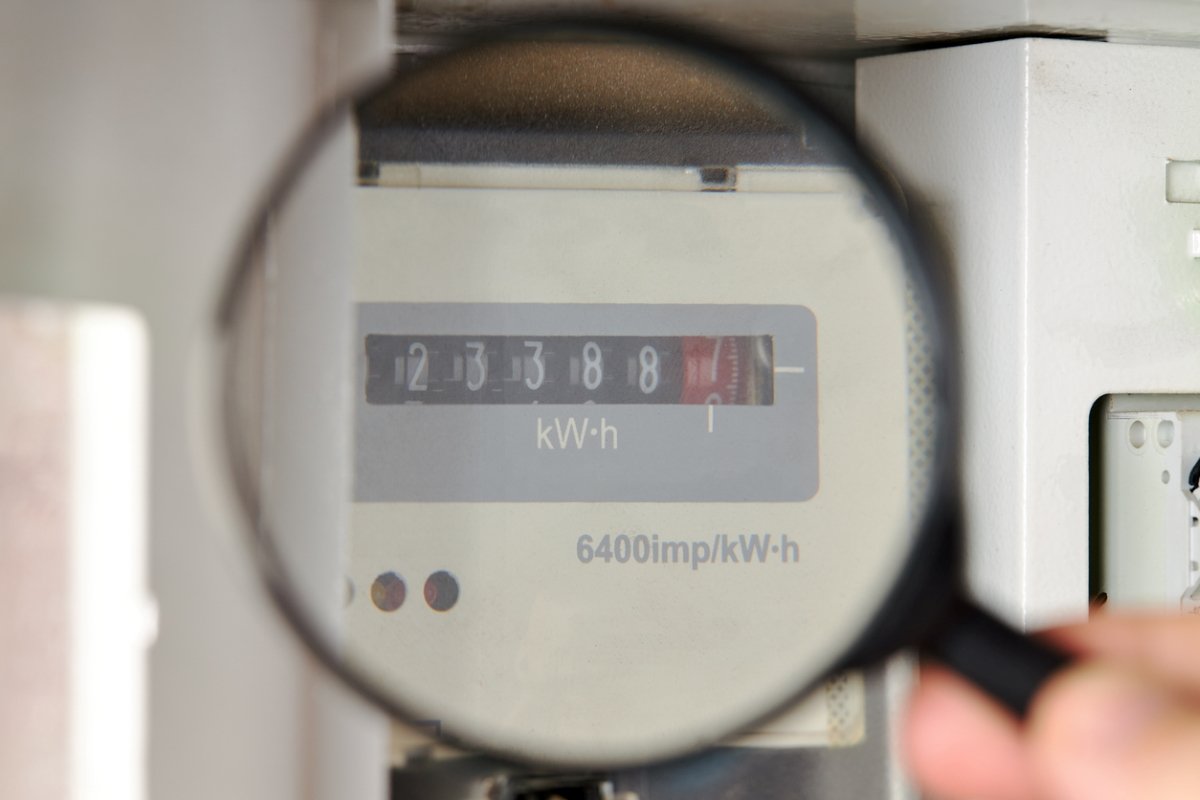
Reading an electric meter may sound about as thrilling as watching paint dry on a cloudy Tuesday, but it is one of the easiest ways to understand what is really happening inside your home. Your electric meter is not just a gray box on the side of the house. It is the official scoreboard for your electricity use, quietly counting every kilowatt-hour while your refrigerator hums, your dryer spins, your air conditioner works overtime, and someone leaves the hallway light on “just for a minute.”
Learning how to read an electric meter helps you monitor your home’s usage, spot unusual spikes, estimate your bill, and make smarter energy decisions before the utility bill arrives with the emotional impact of a plot twist. Whether your home has an old-school dial meter, a modern digital meter, or a smart meter connected to an online dashboard, the basic idea is the same: record the current reading, compare it with a previous reading, and calculate how many kilowatt-hours you used during that period.
This guide explains how electric meters work, how to read different meter types, how to calculate home electricity usage, and how to turn those numbers into real savings. No electrical engineering degree required. A pencil, a phone camera, and a healthy suspicion of mystery appliances will do nicely.
What an Electric Meter Actually Measures
An electric meter measures electricity consumption in kilowatt-hours, commonly written as kWh. A kilowatt-hour is the amount of energy used when 1,000 watts run for one hour. For example, a 100-watt bulb running for 10 hours uses 1 kWh. A 1,500-watt space heater running for one hour uses 1.5 kWh. In plain English, kWh is the “how much energy did you use?” number on your electric bill.
Electric utilities use your meter reading to calculate the electricity portion of your bill. Your bill may also include delivery charges, taxes, fuel adjustments, demand charges in some areas, and other fees that make the final total look less friendly than the simple kWh math. Still, understanding kWh usage is the first step toward understanding where your money is going.
Why You Should Read Your Electric Meter
You do not need to read your meter every day, unless you enjoy spreadsheets more than most people enjoy dessert. But checking it regularly can help you understand your home’s energy habits. It is especially useful when your bill suddenly increases, you add a major appliance, you suspect an energy hog, or you are trying to reduce electricity use during peak-rate hours.
Reading your meter can help you:
- Track daily, weekly, or monthly electricity usage.
- Estimate your bill before it arrives.
- Compare summer and winter energy patterns.
- Identify unusual spikes caused by appliances, HVAC problems, or lifestyle changes.
- Measure the impact of energy-saving improvements.
- Check whether your utility bill roughly matches your actual meter usage.
Think of the meter as your home’s fitness tracker. It will not do the workout for you, but it will tell you when your electrical habits have been snacking at midnight.
Types of Electric Meters You May Have
Most homes have one of three common electric meter types: analog dial meters, digital meters, or smart meters. Some homes with solar panels may also have net meters that track electricity flowing both from the grid and back to it. The reading method depends on the meter style.
Analog Dial Meters
An analog meter has a row of circular dials with small hands that look a little like clock faces. The dials usually alternate direction: one clockwise, the next counterclockwise, and so on. This design confuses many homeowners the first time they read it, which is probably why the meter never looks smug, even though it has every right to.
Digital Electric Meters
A digital meter displays numbers on a screen, often much like an odometer. These meters are easier to read because you can usually write down the number as shown. Some screens rotate through multiple values, so you may need to wait for the kWh display.
Smart Meters
A smart meter is a digital meter that can send usage data to the utility automatically. Many utilities also let customers view daily or hourly usage online or through an app. Depending on the utility, the meter screen may cycle through several codes, such as total kWh, demand, test screens, or diagnostic information. For most homeowners, the key number is the cumulative kWh reading.
How to Read an Analog Dial Electric Meter
Analog meters look intimidating at first, but the process is simple once you know the rules. Bring a notebook or use your phone. Stand directly in front of the meter at eye level if possible. Do not touch the meter, remove seals, open covers, or attempt any repair. Reading is fine. Playing electrician is not.
Step 1: Read the Dials in Order
Most dial meters have four or five dials. Utility instructions vary slightly, but the safest approach is to follow the order printed or explained by your utility. Many residential dial meters are read from right to left, then written in normal order after you finish. Some consumer guides explain the process from left to right. The important part is consistency and understanding place value: each dial represents a digit in the total kWh reading.
Step 2: Record the Lower Number When the Pointer Is Between Two Numbers
If a pointer is between two numbers, write down the lower number. If the hand is between 7 and 8, record 7. If it is between 9 and 0, record 9 because the dial has not completed the full revolution to 0 yet.
Step 3: Handle Exact Numbers Carefully
If the pointer appears to be directly on a number, check the dial to the right. If the dial to the right has passed zero, record the number the pointer is on. If the dial to the right has not passed zero, record the next lower number. This tiny rule prevents accidental over-reading.
Step 4: Write Down the Full Reading
After reading each dial, combine the digits into one number. That number represents the total kWh recorded by the meter since it was installed or reset. It is cumulative, which means the number keeps climbing. Your usage is the difference between two readings, not the reading by itself.
Example of an Analog Meter Reading
Suppose your five dials produce the digits 4, 8, 2, 6, and 1. Your current meter reading is 48,261 kWh. If last week’s reading was 48,071 kWh, your home used 190 kWh during that week.
How to Read a Digital Electric Meter
Digital meters are much easier. Look at the display and write down the number shown for kWh. Some meters display all eights first, such as 88888, as a screen test. Wait for the normal reading to appear. If the meter scrolls through screens, look for a code or label that indicates total kWh. Your utility may identify the correct screen in its meter guide.
Digital Meter Reading Steps
- Stand safely in front of the meter without touching it.
- Wait for the kWh screen if the display rotates.
- Write down the full number, ignoring leading zeros unless your utility instructs otherwise.
- Take a photo for your records.
- Compare the number with a previous reading to calculate usage.
For example, if your digital meter reads 017842, you can record it as 17,842 kWh. If your prior reading was 17,502 kWh, your usage was 340 kWh.
How to Read a Smart Meter
Smart meters usually have digital displays, but they may show several screens. One screen may show total kWh used, another may show current demand in kW, and another may show a test pattern or service code. The screen you want for basic home monitoring is total kWh consumption.
Some smart meters also show a small indicator that moves or flashes when electricity is being used. Faster movement usually means higher current usage. That is handy if you want to perform a simple appliance test: turn something on, watch the indicator speed up, then decide whether that device deserves the side-eye.
Using Your Utility’s Smart Meter Dashboard
If your utility offers online usage data, log in and check the usage charts. Many smart meter programs show electricity use by month, day, or hour. This can reveal patterns that a monthly bill hides. You may notice that your usage jumps every afternoon when the air conditioner battles the sun, or every evening when cooking, laundry, gaming, charging, and television all form a small electrical parade.
How to Calculate Your Electricity Usage
Once you have two meter readings, calculating usage is simple:
Current meter reading – Previous meter reading = Electricity used in kWh
Here is a practical example:
- Previous reading: 22,400 kWh
- Current reading: 22,785 kWh
- Usage: 385 kWh
If those readings are 30 days apart, your average daily use is:
385 kWh ÷ 30 days = 12.8 kWh per day
To estimate cost, multiply your kWh usage by your electricity rate. If your energy rate is 18 cents per kWh, the usage portion would be:
385 kWh × $0.18 = $69.30
Remember, this does not include all possible bill charges. Delivery fees, fixed customer charges, taxes, and rate-plan details can change the final number. Still, this estimate gives you a useful baseline.
How to Compare Meter Readings With Your Electric Bill
Your electric bill usually lists a previous meter reading, a current meter reading, and total kWh used during the billing period. Compare those numbers with your own readings. They may not match perfectly if your reading date differs from the utility’s billing date, but they should make general sense.
For example, if your bill says you used 920 kWh, but your own notes show around 910 to 940 kWh for a similar period, everything is probably normal. If your bill says 1,900 kWh and your notes show 900 kWh, it is time to review the dates, check whether an estimated reading was used, and contact the utility if the discrepancy remains.
What Uses the Most Electricity at Home?
In many homes, the biggest electricity users are heating and cooling equipment, water heating, clothes dryers, refrigerators, electric ranges, pool pumps, dehumidifiers, and electric vehicle chargers. Smaller devices can also add up, especially if they run constantly or remain in standby mode around the clock.
Your meter can help you test usage. Record the meter reading, run one appliance for a set period, then compare the change. For a more precise approach, use a plug-in energy monitor for 120-volt devices or check your smart meter dashboard for hourly patterns.
Simple Appliance Usage Formula
To estimate an appliance’s daily energy use, use this formula:
Wattage × Hours used per day ÷ 1,000 = Daily kWh
For example, a 1,500-watt space heater used for 4 hours consumes:
1,500 × 4 ÷ 1,000 = 6 kWh
If your rate is 18 cents per kWh, that one heater costs about $1.08 per day to run for four hours. That may sound small, but over 30 days it becomes $32.40. Multiply that by a few “small” habits and suddenly your bill is wearing a top hat.
How Often Should You Read Your Meter?
For general monitoring, once a week is enough. If you are troubleshooting a high bill, read it daily for one or two weeks. If you are testing a specific appliance, read it before and after the test period. The goal is not to become obsessed with the meter. The goal is to turn vague worry into useful information.
A Good Tracking Routine
- Take a reading on the same day each week.
- Write down the date, time, weather, and reading.
- Note unusual events, such as guests, heat waves, vacations, or heavy laundry days.
- Compare kWh per day instead of only total kWh.
- Review your utility dashboard if you have a smart meter.
Safety Tips Before Reading an Electric Meter
Reading a meter is safe when done from outside the equipment, but common sense matters. Never open the meter base, cut seals, remove covers, or touch damaged equipment. If the meter box is buzzing loudly, sparking, hot, loose, flooded, or visibly damaged, stay away and call your utility. Also avoid standing in water or reading a meter during severe weather. The meter will still be there after the storm; your eyebrows deserve long-term preservation.
How to Use Meter Readings to Lower Your Electric Bill
Once you know your usage pattern, you can reduce electricity waste more strategically. Start with the biggest loads. Adjust thermostat settings, replace dirty HVAC filters, seal air leaks, use ceiling fans properly, wash clothes in cold water, air-dry laundry when practical, run full dishwasher loads, and unplug or power-strip electronics that draw standby power.
If your utility offers time-of-use rates, your meter data can help you shift electricity use away from expensive peak hours. Running the dishwasher late at night, charging an EV off-peak, or doing laundry outside peak demand windows can make a noticeable difference in some rate plans.
Common Mistakes When Reading an Electric Meter
Confusing kW With kWh
Kilowatts, or kW, measure power at a moment in time. Kilowatt-hours, or kWh, measure energy used over time. Your bill is mostly based on kWh. Think of kW as speed and kWh as distance traveled.
Reading the Wrong Smart Meter Screen
Smart meters rotate through different displays. Make sure you are recording total kWh, not a test display, instantaneous demand, or diagnostic code.
Forgetting the Billing Period
A 900 kWh month may be normal in a hot climate during summer but surprising in a mild spring month. Always compare usage by days in the billing cycle and weather conditions.
Ignoring Estimated Bills
Some bills may use estimated readings when an actual reading is unavailable. If an estimated bill is followed by an actual reading, the next bill may correct the difference.
Extra Experience-Based Tips for Monitoring Home Electricity Usage
After you start reading your electric meter, the biggest surprise is usually not one dramatic villain appliance. It is the collection of everyday habits quietly stacking up. A few extra degrees on the thermostat, a dryer running half-empty, an old refrigerator in the garage, a gaming computer left awake, and outdoor lights staying on until sunrise can work together like a tiny utility-bill jazz band.
One practical experience is to create a “normal day” baseline. Choose a day when your household routine is ordinary. Record the meter reading in the morning and again at the same time the next morning. That gives you a rough daily kWh number. Then compare it with a laundry day, a heat-wave day, a holiday cooking day, or a day when nobody is home. The comparison teaches you more than a single monthly bill ever could.
Another useful method is the appliance detective test. Turn off or unplug nonessential devices, record your meter behavior, then turn on one major appliance at a time. You do not need laboratory precision. You are simply looking for obvious jumps. If the meter indicator starts sprinting when the old space heater turns on, congratulations: you have found a suspect wearing a glowing orange disguise.
Smart meter dashboards are especially helpful because they turn your usage into charts. Many homeowners discover that cooling costs dominate late afternoon usage, while cooking and entertainment push evening demand higher. If your utility shows hourly usage, look for repeated spikes. A spike at 6 a.m. may be water heating, well pump activity, or HVAC startup. A spike at midnight may be EV charging, pool equipment, or a teenager conducting important research on whether every light in the house can be on at once.
When tracking usage, write down context. Weather matters. Guests matter. Working from home matters. A new freezer, aquarium heater, hot tub, dehumidifier, or electric vehicle can shift your baseline. Without notes, you may blame the meter when the real cause is simply that your home changed.
It also helps to compare kWh per day instead of total monthly use. A 34-day billing cycle will naturally look higher than a 28-day cycle. Divide total kWh by the number of days in the period. This gives you a fairer number and makes it easier to see whether your conservation efforts are working.
Finally, treat meter reading as feedback, not punishment. The point is not to sit in the dark eating cold soup to save 11 cents. The point is to understand which changes offer the best return. Replacing old bulbs with efficient lighting, managing thermostat settings, using smart power strips, maintaining HVAC equipment, and shifting heavy use to off-peak hours can reduce waste while keeping your home comfortable. A meter reading is not just a number. It is your home whispering, “Here is where the energy went.” Once you can hear that whisper, you can make better choices without guessing.
Conclusion
Learning how to read an electric meter is a simple homeowner skill with a surprisingly big payoff. Whether you have a dial meter, digital meter, or smart meter, the process comes down to recording the right kWh number and comparing it over time. Those readings can help you estimate your bill, understand daily energy use, identify waste, and make smarter decisions about appliances, heating, cooling, and rate plans.
Your electric meter will not magically lower your bill, but it gives you the information needed to do it yourself. And unlike many home improvement projects, this one does not require a ladder, a power tool, or a trip to the hardware store where you mysteriously spend $87 on things you did not know existed. Read the meter, track the numbers, make a few smart changes, and your home’s energy use will become much less mysterious.
Note: This article is written as an original, publication-ready educational guide based on real U.S. energy-efficiency and utility meter-reading practices. Always follow your local utility’s instructions for your specific meter model and contact the utility if equipment appears damaged or unsafe.