

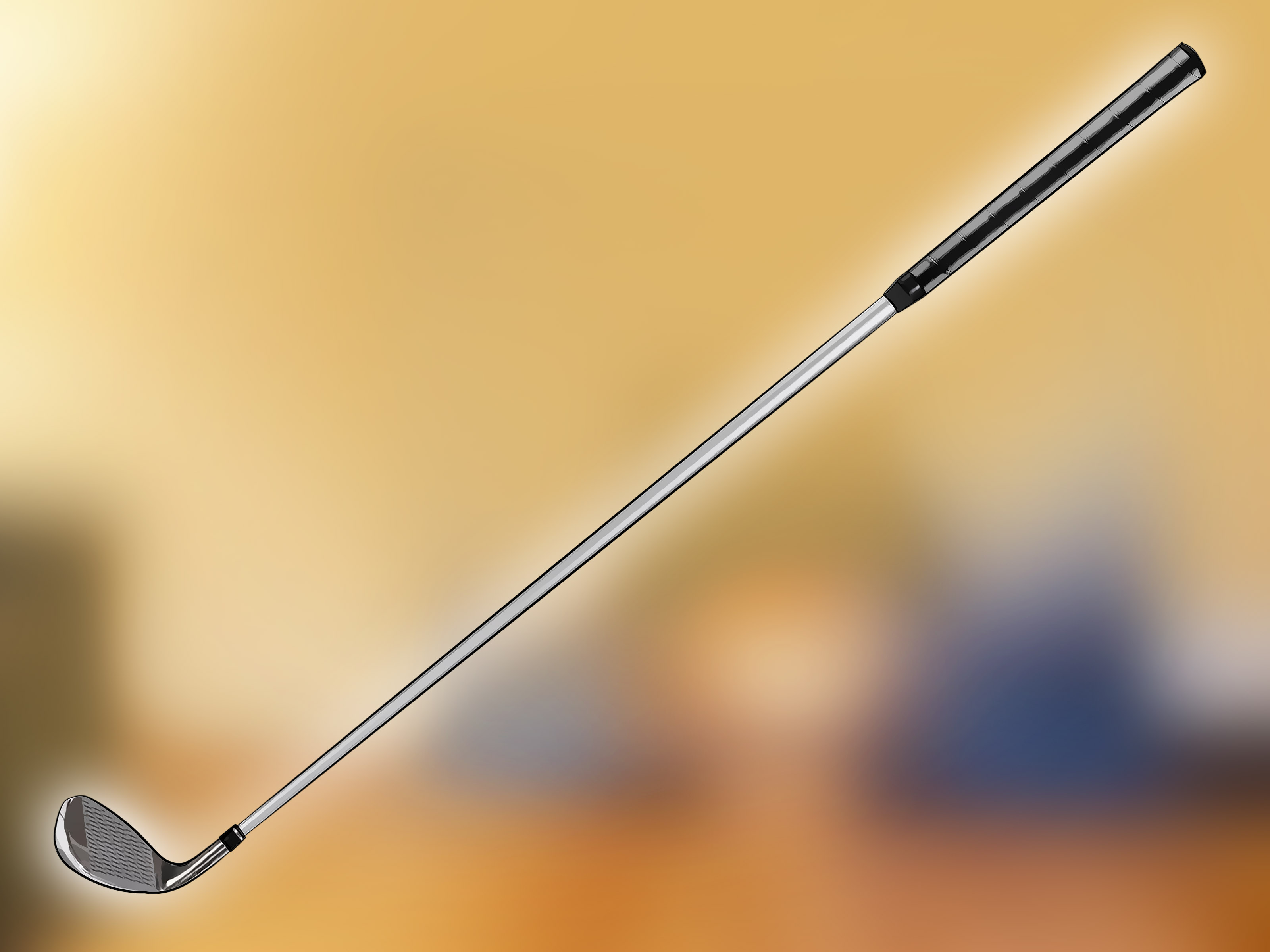
Golf has a funny way of blaming you for everything. Slice into the trees? Your fault. Three-putt from six feet? Definitely your fault. But sometimes, the problem is not your swing, your nerves, or the mysterious hot dog you ate at the turn. Sometimes, the problem is the one piece of equipment you touch on every single shot: the grip.
Learning how to regrip golf clubs is one of the simplest, most affordable ways to refresh your set and improve control. Worn golf grips become shiny, slick, hard, cracked, or smooth where your hands naturally sit. When that happens, you squeeze harder, your arms tense up, and your swing starts acting like it has read too many internet tips. Fresh grips help your hands relax, improve clubface control, and make your clubs feel newer without the emotional damage of buying an entire new set.
The good news? Regripping golf clubs at home is not as scary as it looks. With a hook blade, double-sided grip tape, grip solvent, a vise, and a little patience, you can replace golf grips in your garage, basement, workshop, or any well-ventilated space where no one will judge your questionable playlist.
Why Regripping Golf Clubs Matters
Golf grips wear down gradually, which makes the problem easy to ignore. One day they feel fine; the next day your 7-iron is trying to leave your hands like it has somewhere better to be. Rubber grips lose tackiness from hand oils, sweat, dirt, UV exposure, heat, humidity, and regular play. Even if the grip still looks “okay,” it may no longer provide the traction you need.
A worn grip often causes golfers to hold the club too tightly. That extra grip pressure can restrict wrist hinge, reduce feel, and make your swing less fluid. In wet or humid conditions, old grips can become even more slippery. If you play frequently, practice often, or store clubs in a hot garage or car trunk, your grips may wear out faster.
How Often Should You Regrip Golf Clubs?
A practical rule is to regrip your golf clubs about once per year, or sooner if you play and practice a lot. Some regular golfers replace grips every 40 to 50 rounds, counting range sessions as part of the wear. Casual players may get more time, but the calendar is not the only judge. Your hands will usually know before your scorecard does.
Signs You Need New Golf Grips
- The grip feels slick, glossy, or hard.
- You see cracks, peeling, or worn thumb spots.
- The grip has lost its original texture or tackiness.
- You feel like you must squeeze harder to control the club.
- Your hands slip during swings, especially in humid weather.
- The grip twists, feels loose, or no longer sits straight.
- Your clubs feel inconsistent even when your swing feels decent.
Tools and Supplies You Need
Before you start ripping off grips with the confidence of a garage warrior, gather the right supplies. Regripping golf clubs is easy, but using the wrong tools can damage shafts, especially graphite shafts.
Essential Regripping Tools
- New golf grips in the correct size
- Double-sided golf grip tape
- Grip solvent or approved mineral spirits
- Hook blade or utility knife with a hooked blade
- Rubber shaft clamp
- Bench vise
- Clean towel or rag
- Catch pan or tray for excess solvent
- Measuring tape or ruler
A vise is not absolutely required, but it makes the job much easier. It holds the club steady while you remove the old grip, apply tape, and slide on the new grip. A rubber shaft clamp protects the shaft from vise pressure. Do not clamp a bare shaft directly into a metal vise unless your goal is modern art.
Choosing the Right Golf Grip
Before you install anything, choose the right grip size and style. Golf grips commonly come in undersize, standard, midsize, and jumbo. Many players use standard grips, but hand size, glove size, personal comfort, grip pressure, and swing tendencies can all influence the best fit.
If the grip is too small, your hands may overwork through impact, which can encourage excess wrist action. If it is too large, releasing the club may feel difficult. That does not mean grip size magically fixes every swing flaw, but it can influence comfort and control. A common fitting method is to measure from the wrist crease to the tip of the middle finger on your lead hand, then compare that measurement with a grip size chart. Glove size can also help guide your choice.
Grip Texture and Feel
Soft grips can feel comfortable and tacky, especially for players with hand soreness or lighter grip pressure. Firm rubber grips may offer more feedback and durability. Cord grips provide extra traction in rain, sweat, and humidity, but they can feel rougher. Hybrid grips combine materials to balance comfort and control.
Putter grips are a separate world. They may be pistol-shaped, oversized, straight, tapered, or designed to reduce wrist movement. If you are regripping a putter, make sure the flat front or alignment feature is installed perfectly square. A crooked putter grip is a tiny crime against putting confidence.
Step 1: Secure the Club
Place the club in a rubber shaft clamp and secure it in a vise. Position the club so the grip points outward and the clubface is square. Do not overtighten the vise. The club should stay stable without crushing the shaft.
For graphite shafts, be extra gentle. Graphite is strong during a swing, but it does not appreciate being scratched, gouged, or squeezed like a stubborn pickle jar. Keep the club steady and use controlled movements.
Step 2: Remove the Old Grip
Use a hook blade to cut the old grip from the open end toward the butt end of the club. Always cut away from your body. A hook blade is preferred because it reduces the risk of cutting into the shaft, especially on graphite clubs.
Once the grip is sliced, peel it off by hand. If it sticks, make another careful cut. Avoid using excessive force. You are replacing a grip, not wrestling an alligator in golf shoes.
Step 3: Remove Old Tape and Residue
After the old grip is off, remove the old grip tape. Sometimes it peels away easily. Other times, it clings to the shaft like it signed a long-term lease. Use your fingers, a towel, and a little grip solvent to loosen stubborn adhesive.
On steel shafts, you can be a little more aggressive, but on graphite shafts, do not scrape with sharp metal tools. Scratching graphite fibers can weaken the shaft. The goal is a clean, smooth surface so the new tape can bond properly.
Step 4: Measure and Apply New Grip Tape
Hold the new grip next to the shaft and measure how much tape you need. The tape should run the length of the grip area, with about an extra half-inch to one inch extending beyond the butt end of the shaft. Apply double-sided grip tape lengthwise along the shaft, then wrap it smoothly around the shaft.
Twist the extra tape at the end and tuck it into the butt end of the shaft. This helps seal the end and prevents solvent from flowing down inside. Smooth out wrinkles and air bubbles. Bumpy tape can create a lumpy grip, and nobody wants a golf club that feels like it has a secret granola bar underneath.
Should You Add Extra Tape Layers?
Extra layers of tape can slightly build up grip size. Some golfers add one or more wraps under the lower hand to reduce taper. Others use buildup tape to move between standard and midsize feel. Be consistent across your set unless you intentionally want different grip profiles.
Step 5: Add Solvent to the Grip and Tape
Place a catch pan under the club. Cover the small hole at the butt end of the new grip with your finger or a tee, then pour grip solvent into the open end. Cover both ends and shake the grip so the inside is fully coated. Then pour the excess solvent over the taped section of the shaft.
The solvent temporarily activates the tape and lubricates the inside of the grip, giving you a short window to slide the grip on. Do not be stingy with solvent. A dry installation can stop halfway, and a halfway-installed grip is one of the most annoying objects known to golf-kind.
Step 6: Slide the New Grip Onto the Shaft
Immediately push the grip onto the shaft in one smooth motion. Start the mouth of the grip over the butt end, then push firmly until the end of the shaft reaches the end cap of the grip. Do not stop halfway to admire your work. Keep moving while the tape is wet.
If the grip stalls, add more solvent quickly if possible. If it completely locks up before it is seated, you may need to cut it off and start again. That is painful, yes, but less painful than playing 18 holes with a grip installed three-quarters of the way on.
Step 7: Align the Grip
Once the grip is fully seated, align it before the solvent begins to dry. Use the clubface as your reference. For round grips with no logo preference, alignment is simple. For reminder grips, ribbed grips, ALIGN-style grips, or putter grips, alignment matters much more.
Set the club down in playing position and look carefully at the grip. Make small adjustments while it is still movable. The logo, reminder ridge, or flat putter face should be square to the clubface. Take your time, but do not take a lunch break. The adjustment window is limited.
Step 8: Wipe and Let the Grip Dry
Wipe away excess solvent from the grip and shaft. Stand the club upright or place it somewhere safe where it will not be bumped. Most grips need time to set before use. Many golfers wait several hours, and overnight drying is the safest choice if you are not in a rush.
Temperature, humidity, solvent amount, tape type, and grip material can all affect drying time. If the grip still twists, wait longer. Playing too soon can break the bond and leave you with a grip that rotates at impact, which is exciting in the same way a car alarm at 2 a.m. is exciting.
Common Golf Club Regripping Mistakes
Using Too Little Solvent
Not enough solvent is the classic beginner mistake. The grip starts sliding on, then stops halfway like it suddenly remembered another appointment. Use enough solvent to coat both the tape and the inside of the grip.
Leaving Old Tape Underneath
Some golfers leave old tape on and add new tape over it. That can work in certain cases, but it changes grip size and may create uneven buildup. For the cleanest result, remove the old tape and start fresh.
Cutting Toward Yourself
Always cut away from your body. Also, use a hook blade instead of a straight blade whenever possible. This is especially important with graphite shafts.
Forgetting Grip Alignment
A crooked grip can make the club feel wrong even if the installation is secure. Take a moment to square the clubface and align the grip immediately after installation.
Playing Too Soon
Fresh grips need time to bond. Let them dry fully before hitting balls. Your future self, and your launch monitor numbers, will appreciate the discipline.
How Much Does It Cost to Regrip Golf Clubs?
The cost to regrip golf clubs depends on the grip model and whether you do the labor yourself. Basic rubber grips are usually more affordable, while premium, corded, oversized, or specialty putter grips cost more. If a golf shop does the work, you may pay an installation fee per club in addition to the grip price.
Doing it yourself saves labor costs and gives you control over tape layers, alignment, and timing. However, professional regripping is convenient if you do not have tools or if you are nervous about graphite shafts. For many golfers, the best approach is to try one old wedge first. If that goes well, regrip the full set. If it goes badly, congratulations: that wedge has become a teaching assistant.
Can You Regrip Golf Clubs Without a Vise?
Yes, but a vise makes the job easier and cleaner. Without a vise, you need to hold the club firmly while removing the old grip and sliding on the new one. That can be awkward, especially when the solvent is flowing and the clock is ticking.
If you regrip without a vise, work on a stable surface, keep the club secure, and be careful when cutting. For one or two clubs, it is possible. For a full set, a vise and rubber shaft clamp are worth it.
Regripping Steel Shafts vs. Graphite Shafts
The process is similar for steel and graphite shafts, but graphite requires more care. Never scrape graphite aggressively. Avoid straight blades that can cut into the shaft. Use solvent and patience to remove old tape. When clamping graphite, use a rubber shaft clamp and light pressure.
Steel shafts are more forgiving, but they still deserve respect. Clean the shaft, avoid deep scratches, and check for rust or damage while the grip is off. Regripping is a good chance to inspect your clubs from top to bottom.
How to Make Golf Grips Last Longer
New grips stay tackier when you clean them regularly. Use mild dish soap, warm water, and a soft brush or towel. Rinse well and dry completely before putting clubs back in the bag. Avoid harsh chemicals unless the grip manufacturer recommends them.
Storage matters too. Heat, sunlight, and humidity can shorten grip life. Leaving clubs in a hot trunk all summer is basically sending your grips to a rubber retirement home. Store clubs indoors or in a temperature-stable space when possible.
Experience Section: What Regripping Golf Clubs Feels Like in Real Life
The first time you regrip golf clubs, the job feels more dramatic than it really is. You lay out the tools like a surgeon, stare at the old grip, and wonder whether this is the moment you accidentally destroy a perfectly usable 8-iron. Then you make the first cut, peel off the old rubber, and realize the club is not as fragile as your anxiety suggested.
The most surprising part is usually the old tape. Beginners expect the grip removal to be the hard part, but old tape can be the true villain. Some tape peels off neatly in one satisfying strip. Other tape comes off in tiny flakes while you question every life choice that led you to this garage. Solvent helps. Patience helps more. A clean shaft makes the new grip feel smoother and more professional.
Another real-world lesson: use more solvent than you think you need. A grip that slides on easily feels like magic. A grip that gets stuck halfway feels like punishment for every missed fairway you have ever blamed on the wind. Coat the inside of the grip, wet the tape thoroughly, and move quickly. Once you develop a rhythm, each club becomes easier.
Alignment is where careful golfers separate themselves from “good enough” golfers. At first, you may only focus on getting the grip fully seated. But after a few clubs, you start noticing logo position, reminder ridges, and whether the grip looks square when the clubface is aimed at the target. That small detail matters. A grip that sits slightly open or closed can bother your eyes at address, especially on wedges and putters.
Regripping also teaches you about your own preferences. Maybe you discover that midsize grips feel calmer in your hands. Maybe you prefer a firmer grip on irons but a softer tacky grip on wedges. Maybe your putter feels better with a thicker grip that quiets the wrists. These details are personal, and doing the work yourself gives you the freedom to experiment without turning every change into a shop visit.
One of the best experiences after regripping is the first range session. Fresh grips make the clubs feel cleaner, newer, and more secure. You may notice that you do not squeeze as hard. Your hands feel more connected to the club, and the clubface feels easier to manage. No, new grips will not automatically turn a banana slice into a tour draw. But they can remove one hidden source of tension, and in golf, removing small problems is how bigger improvements begin.
The biggest takeaway from real regripping experience is simple: start slowly, respect the process, and do not rush the drying time. Regrip one practice club first if you are nervous. Once you understand the sequence, the rest of the set becomes a satisfying weekend project. It is practical, affordable, and oddly fun. There is something rewarding about looking at a full set of freshly gripped clubs and knowing you did it yourself. Will they fix your putting? Probably not. Will they make your clubs feel ready for battle? Absolutely.
Conclusion
Knowing how to regrip golf clubs is a valuable skill for any golfer who wants better feel, better control, and a fresher set without buying new clubs. The process is straightforward: secure the club, remove the old grip, clean the shaft, apply fresh double-sided tape, use enough solvent, slide on the new grip, align it carefully, and let it dry.
Fresh golf grips are not flashy. They do not beep, flash, calculate spin rate, or promise 17 more yards in suspiciously large font. But they are one of the most important contact points in your game. If your grips are slick, cracked, shiny, or forcing you to squeeze the club like it owes you money, it is time to regrip.
Start with one club, learn the rhythm, and then tackle the rest of the bag. Your hands will feel the difference immediately, and your clubs may feel younger than they have in years. As for your swing, well, that still belongs to you. But at least now it has something better to hold onto.
Note: This article is for general educational use. Always follow the instructions provided by the grip, tape, and solvent manufacturers, and use extra care when cutting old grips from graphite shafts.