

A stuck drill bit is one of those little workshop disasters that feels deeply personal. One minute you are making a clean hole like a confident weekend pro. The next minute, your bit is wedged in wood, metal, concrete, soil, or the chuck itself, and your drill is staring back at you like, “Well, what now?”
The good news: most stuck drill bits and auger bits can be removed without ruining the tool, snapping the bit, or turning your project into modern art. The trick is to stop forcing it, identify why it is stuck, and use the safest removal method for the material you are working in.
This guide explains how to remove a stuck drill or auger bit step by step, including bits stuck in wood, metal, masonry, soil, and the drill chuck. You will also learn how to prevent the problem next time, because nothing says “I have matured as a DIYer” like not wrestling a smoking auger bit out of a fence post at sunset.
Why Drill Bits and Auger Bits Get Stuck
Before you start yanking, twisting, or calling the bit rude names, figure out why it is stuck. The cause determines the cure.
1. Chips, dust, or debris packed around the bit
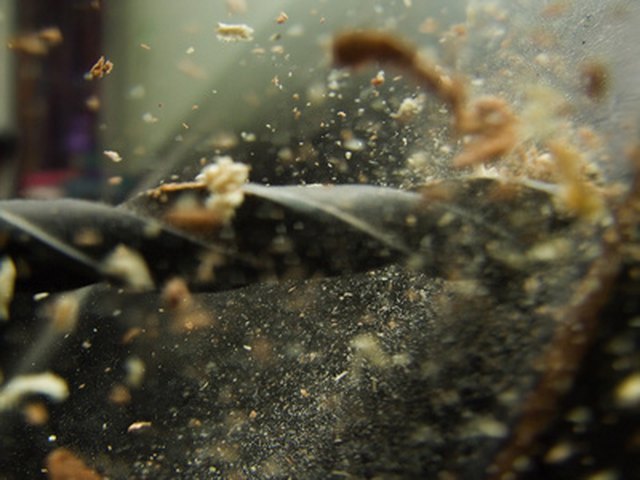
Drill bits cut by removing material. If wood chips, metal shavings, masonry dust, or soil cannot escape through the flutes, they compress around the bit and lock it in place. This happens often when drilling deep holes without pulling the bit out periodically to clear debris.
2. Too much pressure
Pressing harder does not always make a drill work better. In fact, it can overheat the bit, dull the cutting edges, and force the bit to bite too aggressively. With auger bits, too much pressure can make the screw tip pull itself into the wood faster than the flutes can clear chips.
3. The bit hit a hidden obstacle
In wood, the bit may hit a nail, screw, knot, or metal bracket. In masonry, it may contact rebar. In soil, an earth auger can wedge against rocks, roots, clay, or buried debris. When the bit encounters something it cannot cut cleanly, it may bind suddenly.
4. The wrong bit was used
A standard twist bit is not ideal for every material. Wood, metal, tile, concrete, and masonry all require different cutting geometry. Using the wrong drill bit can create heat, wandering, binding, and breakage.
5. The chuck is over-tightened or jammed
Sometimes the bit is not stuck in the workpiece at all. It is stuck in the drill chuck, quick-change holder, impact driver adapter, or extension. This can happen when a round shank slips, a hex bit wedges in a holder, or dust and metal burrs jam the mechanism.
Safety First: Do This Before Touching the Bit
When a drill bit gets stuck, the drill can kick back hard. Auger bits are especially famous for this because they are designed to pull into material. If the bit stops but the drill body keeps trying to rotate, your wrist may become the project. Nobody asked for that.
Before attempting removal:
- Release the trigger immediately.
- Disconnect the power cord or remove the battery.
- Wear safety glasses.
- Put on work gloves, especially around sharp flutes or hot metal.
- Let the bit cool if it is hot.
- Secure the workpiece with clamps if possible.
- Do not grab a bit while the tool is connected to power.
If you smell burning, see smoke, notice melted plastic, or feel the drill overheating, stop and let everything cool down. A stuck bit is annoying; a cooked motor is expensive.
Quick Diagnosis: Where Is the Bit Stuck?
Use this simple checklist before choosing a method:
- Bit stuck in wood: Usually caused by packed chips, knots, hidden fasteners, or an aggressive auger screw tip.
- Bit stuck in metal: Often caused by heat, dull bits, no lubricant, or the bit breaking through and grabbing.
- Bit stuck in concrete or masonry: May be wedged by dust, aggregate, rebar, or side pressure.
- Auger bit stuck in soil: Usually due to roots, rocks, compacted clay, or drilling too deep without lifting.
- Bit stuck in the chuck: Often caused by over-tightening, dust, corrosion, a damaged shank, or a jammed quick-release collar.
How to Remove a Stuck Drill Bit from Wood
Wood is the most common place for drill and auger bits to get stuck, especially when drilling deep holes through studs, joists, beams, posts, or hardwood.
Step 1: Put the drill in reverse
If the drill is still attached and the bit is not broken, set the tool to reverse. Hold the drill firmly with both hands, keep your wrist straight, and squeeze the trigger slowly. Do not blast it at full speed. A gentle reverse often backs the bit out cleanly.
If you are using an auger bit, reverse is usually the first method to try. The screw tip that pulled the bit into the wood can often walk itself back out when the rotation changes direction.
Step 2: Rock the drill slightly
While reversing at low speed, gently rock the drill in line with the hole. Do not bend the bit sideways like you are trying to pry open a paint can. A small amount of straight-line movement can loosen compacted chips around the flutes.
Step 3: Clear chips around the entry point
If sawdust and chips are packed around the top of the hole, brush or vacuum them away. Then reverse again. Sometimes the bit is not truly locked; it is simply buried in its own mess. Wood chips are tiny, but in a deep hole they can behave like concrete with ambition.
Step 4: Remove the drill and use locking pliers
If the drill cannot turn the bit, disconnect the tool and loosen the chuck. Grip the exposed shank with locking pliers. Rotate the bit counterclockwise while pulling outward steadily. Keep the motion controlled. Sudden jerks can snap the bit or enlarge the hole.
Step 5: Drill from the opposite side if possible
If the bit is stuck near the exit side of a through-hole, mark the location and drill from the opposite side with a smaller bit. This can relieve pressure, clear packed debris, and help the stuck bit move backward.
Step 6: Cut access only as a last resort
If the bit is buried in structural wood and will not move, avoid hacking randomly at the project. Use a chisel, oscillating tool, or small relief hole only if you can do so without weakening the piece. For load-bearing framing, plumbing walls, or electrical areas, call a qualified pro if you are unsure.
How to Remove a Stuck Auger Bit from Wood
Auger bits are powerful because their screw tips pull them forward. That is also why they occasionally decide to move into the lumber permanently, like they signed a lease.
Use low gear and reverse
Set your drill to low speed and reverse. Low gear gives more control and torque. Hold the drill firmly, especially if you are using a large ship auger, self-feed bit, or long electrician’s auger bit.
Do not keep pulling the trigger if the bit does not move
If the drill stalls, stop. Repeatedly forcing the trigger can overheat the motor, damage the gearbox, or cause violent kickback. Remove the battery, wait a moment, and switch to manual removal with locking pliers or a wrench on the shank if available.
Relieve the wood around the bit
If the auger is trapped by a knot or curved grain, use a smaller drill bit to make one or two relief holes near the stuck area. The goal is not to destroy the wood; it is to give packed chips and pressure somewhere to go.
Check for hidden fasteners
If the bit stops suddenly and will not reverse, it may have hit a nail or screw. Look for fasteners in the path. A magnet, stud scanner with metal detection, or visual inspection can help. If the auger is wrapped around a hidden screw, you may need to expose the area carefully and remove the fastener first.
How to Remove a Stuck Drill Bit from Metal
Metal is less forgiving than wood. A drill bit can bind when it gets too hot, dulls out, grabs at breakthrough, or catches in thin sheet metal.
Step 1: Let it cool
Metal bits can become extremely hot. Do not touch the bit immediately. Let it cool naturally. Avoid spraying water on a very hot bit unless you are sure the material and tool setup can handle the thermal shock.
Step 2: Add cutting oil
Apply cutting oil or a light lubricant around the hole. Let it seep in. This reduces friction and may loosen the bit enough to reverse it out.
Step 3: Reverse slowly
Reconnect the drill, hold it firmly, and reverse at low speed. If the bit begins to move, keep it slow and steady. If it squeals, smokes, or stops again, pause and add more lubricant.
Step 4: Use locking pliers if the drill cannot grip
If the chuck slips or the bit is broken off with some shank exposed, clamp locking pliers onto the shank and turn counterclockwise. If the bit snapped flush below the surface, you may need a screw extractor, left-hand drill bit, or professional machining help, especially on valuable metal parts.
Step 5: Avoid side-loading the bit
Do not bend the bit back and forth aggressively. Hardened drill bits are strong in rotation but brittle under side stress. Snap one inside metal and you have upgraded your problem from “stuck” to “tiny hardened steel nightmare.”
How to Remove a Stuck Masonry or Concrete Bit
Masonry bits can bind in concrete, brick, stone, mortar, or block when dust packs in the hole or the bit catches aggregate or rebar.
Reverse the drill if the tool allows it
Many hammer drills and rotary hammers have a reverse function. Turn off hammer mode if the manual recommends it for removal, then reverse slowly. Keep the tool aligned with the hole to avoid bending or jamming the bit further.
Clear dust from the hole
Use a shop vacuum around the entry point. If the bit moves slightly, pull it out a little, vacuum dust, then reverse again. Masonry dust can pack tightly around flutes and act like a clamp.
Do not pry with the drill body
A rotary hammer is not a crowbar. Prying with the tool can damage the chuck, bend the bit, or crack the work surface. If the bit is deeply trapped, remove the tool from the bit if possible and turn the bit manually with locking pliers.
When rebar is the problem
If the bit hit rebar, stop drilling in that spot unless the project plan allows cutting or relocating. For structural concrete, drilling into reinforcement can be a serious issue. Consult a professional before continuing.
How to Remove a Stuck Earth Auger Bit
Earth augers get stuck in a different kind of chaos: roots, rocks, wet clay, compacted soil, gravel, and buried “mystery objects” that make you question the history of your yard.
Step 1: Stop the motor immediately
Whether you are using a gas auger, battery auger, or drill-powered garden auger, release the trigger or shut off the engine. Keep both hands on the handles until the tool stops.
Step 2: Reverse if available
Some powered augers include reverse. Use it at low speed while lifting gently. Do not yank straight up with your back. Let the rotation help loosen the bit.
Step 3: Rock and lift carefully
If reverse is not available, rotate the auger backward manually if the design allows it. Rock the auger slightly while lifting. Keep your feet clear. Soil auger blades can be sharp, heavy, and surprisingly enthusiastic about pinching boots.
Step 4: Dig around the bit
Use a shovel, digging bar, or hand trowel to remove soil around the stuck flighting. If roots are wrapped around the auger, cut them with loppers or a pruning saw. If a rock is wedged against the blade, expose it and move it instead of trying to overpower it.
Step 5: Avoid forcing a one-person auger in bad soil
If the ground is full of roots, compacted clay, or rocks, switch to a different tool or get help. A stuck auger can twist suddenly when it breaks free.
How to Remove a Bit Stuck in the Drill Chuck
Sometimes the hole is fine, but the drill will not release the bit. This problem can happen with keyless chucks, keyed chucks, impact bit holders, magnetic extensions, and quick-change adapters.
For a keyless chuck
Remove the battery or unplug the drill. Hold the rear collar and turn the front sleeve counterclockwise. If it will not move, wrap the chuck with a rubber strap wrench or cloth and use gentle pressure. Avoid crushing the chuck with pliers unless you do not mind replacing it.
For a keyed chuck
Insert the chuck key into each hole and loosen a little at a time. Keyed chucks are often tightened through multiple holes for even pressure, so loosening from only one position may not fully release the bit.
For a quick-change bit holder
Pull the collar fully forward or backward, depending on the holder design. Tap the side of the holder lightly with a non-marring mallet while pulling the bit. If the bit is jammed by burrs, grip it with pliers and wiggle it straight out while holding the collar open.
Use penetrating oil for corrosion
If rust or corrosion is involved, apply a small amount of penetrating oil to the chuck jaws or holder opening. Let it sit, then try again. Keep oil away from surfaces where it could affect finishes, adhesives, or electrical components.
What Not to Do When a Drill Bit Is Stuck
Some “solutions” make things worse. Avoid these common mistakes:
- Do not keep squeezing the trigger on a stalled drill. You can burn out the motor or cause kickback.
- Do not grab a powered bit with your hand. Remove the battery or unplug the tool first.
- Do not pry sideways with the drill. This can damage the chuck and bend or snap the bit.
- Do not use full speed in reverse right away. Start slow for control.
- Do not ignore heat. Hot metal can burn skin and dull cutting edges.
- Do not drill blindly in walls. Check for wiring, pipes, and hidden fasteners.
How to Prevent Drill Bits and Auger Bits from Getting Stuck
The best stuck-bit removal method is prevention. A little patience while drilling can save a lot of wrestling afterward.
Use the right bit for the material
Use brad-point or twist bits for wood, high-speed steel or cobalt bits for metal, masonry bits for brick and concrete, and proper auger bits for deep wood holes or soil. A sharp, material-appropriate bit cuts cleaner and binds less often.
Start slowly
Begin drilling at low speed with the bit tip touching the work surface. Once the bit is established, increase speed as needed. This improves control and reduces wandering.
Clear chips frequently
For deep holes, drill a short distance, pull the bit out, clear chips, and continue. This is especially important with auger bits, spade bits, hole saws, and masonry drilling.
Use lubricant on metal
Cutting oil helps reduce heat and friction. It also extends bit life and lowers the chance of the bit welding itself into the hole emotionally, spiritually, and mechanically.
Let the tool do the work
Apply steady pressure, but do not force the drill. If the bit is sharp and correct for the material, it should cut without a wrestling match.
Clamp the workpiece
A loose board, bracket, or piece of sheet metal can spin when the bit grabs. Clamping improves safety and hole quality.
Use the clutch when appropriate
When using drill-powered augers or large bits, a clutch setting can reduce sudden torque transfer. Do not use drill mode with maximum torque unless the task requires it and you can control the tool safely.
When to Replace the Bit
A bit that has been stuck may still be usable, but inspect it carefully. Replace it if you see:
- Bent shank or wobble
- Cracked or chipped cutting edges
- Burn marks from overheating
- Damaged hex shank or round shank
- Dull flutes that no longer cut cleanly
- Rust or pitting that affects strength
A damaged bit is more likely to bind again. It can also create oversized holes, rough edges, and unnecessary strain on your drill.
Real-World Experience: Lessons from Stuck Bits, Stubborn Wood, and Yard Augers
Anyone who has done enough DIY drilling has at least one stuck-bit story. Mine usually begins with the dangerous phrase, “This should only take five minutes.” That sentence has caused more garage drama than dull blades, missing tape measures, and mystery screws combined.
One of the most common experiences is getting an auger bit stuck while drilling through framing lumber. At first, everything feels smooth. The bit pulls itself into the wood, chips fly, and the hole looks perfect. Then the drill slows, the sound changes, and the tool suddenly twists in your hands. The cause is often simple: chips packed into a deep hole. The fix is also simple, but only if you stop early. Reverse slowly, back the bit out, clear the flutes, and continue in stages. If you keep pushing, the bit becomes a corkscrew buried in a wooden bottle.
Another memorable situation happens when drilling old lumber. Old studs, beams, fence posts, and reclaimed boards can hide nails, screws, staples, and hard knots. A sharp auger bit can cut wood beautifully, but it will not politely glide through a hidden nail. If the bit suddenly stops and reversing does not help, inspect the area before forcing it. A magnetic finder or careful probing can save the bit and your drill. It is better to move the hole slightly than to fight metal hidden inside wood.
Metal drilling teaches a different lesson: heat is the enemy. When drilling steel without lubricant, the bit can overheat, dull, and bind. Many people assume more speed is the answer, but slower speed, steady pressure, and cutting oil usually work better. If the bit squeals, smokes, or turns blue, stop. That bit is not “working hard”; it is sending a distress signal. Let it cool, add oil, and reverse carefully.
Earth augers bring their own comedy. A garden auger may spin happily through loose soil, then hit clay, roots, or a rock and stop like it has discovered buried treasure. The temptation is to pull harder. Resist it. Shut the tool off, reverse if possible, and dig around the auger. Roots can wrap around the flighting, and rocks can wedge against the blade. Removing the obstacle is usually easier than trying to become stronger than geology.
The biggest lesson from all these experiences is that a stuck drill or auger bit is rarely solved by brute force. It is solved by patience, reverse rotation, chip removal, lubrication, better alignment, and knowing when to step back. The moment a drill begins to stall, your job changes. You are no longer drilling; you are diagnosing. That mindset saves tools, materials, and wrists.
A good habit is to pause during deep drilling and clear the hole before the bit complains. Pull the bit out every inch or two in wood, vacuum dust from masonry holes, use oil on metal, and keep augers clean in soil. If you treat the bit like a cutting tool instead of a magic spinning spear, it will behave much better.
Finally, respect torque. Modern cordless drills are powerful enough to surprise even experienced users. Use side handles when provided, keep both hands on larger tools, and position your body so kickback does not twist your wrist. The best DIY projects end with a finished hole, not an ice pack.
Conclusion
Removing a stuck drill or auger bit is mostly about staying calm and working backward. Stop the tool, disconnect power, identify the cause, and use the gentlest method that fits the situation. Reverse rotation solves many stuck-bit problems, especially in wood and auger drilling. Lubricant helps in metal. Dust removal helps in masonry. Digging and obstacle removal help with earth augers. For bits stuck in the chuck, patient loosening, light tapping, and penetrating oil often do the job.
Most importantly, do not force a stalled drill. A stuck bit is a warning, not a challenge from the universe. Clear debris, use the right bit, start slow, and let the tool cut at its own pace. Your drill, your project, and your wrists will all appreciate the civilized approach.
Note: This article is for general DIY guidance. Always follow the safety instructions in your tool manual and contact a qualified professional when drilling near electrical wiring, plumbing, gas lines, structural concrete, or load-bearing framing.