

Oil-based stains are tiny fabric villains. They do not politely sit on top of your shirt waiting to be wiped away. They creep into fibers, cling like gossip at a family reunion, and then act offended when water does not remove them. Whether the culprit is cooking oil, salad dressing, butter, motor oil, greasy makeup, body lotion, sunscreen, or mystery pizza drippings, the goal is the same: lift the oil before heat locks it into the fabric.
The good news? You do not need a laboratory coat or a laundry wizard certificate. You need the right order of operations: remove excess oil, absorb what you can, break down the grease with a surfactant, wash correctly, and never toss the item into the dryer until the stain is truly gone. Heat is the final boss of stain removal, and it does not play fair.
This guide explains how to remove oil based stains from fabrics in 13 practical steps, with fabric-safe tips for cotton, polyester, denim, blends, table linens, and more delicate materials. Read the care label first, keep your expectations realistic, and prepare to give that oily blotch the eviction notice it deserves.
Why Oil-Based Stains Are So Stubborn
Oil stains are difficult because oil repels water. That is why a quick splash under the faucet often spreads the stain instead of solving it. Oil needs help from ingredients that can grab grease and pull it away from fibers. Dish soap, liquid laundry detergent, enzyme-based detergent, and prewash stain removers work because they contain cleaning agents that help separate oily residue from fabric.
Fresh stains are easier to remove than old ones, but set-in grease stains are not always hopeless. The trick is patience. You may need to repeat the treatment more than once, especially if the garment has already been washed or dried. Think of it like convincing a cat to move off your laptop: one attempt may not be enough.
What You Need Before You Start
Gather a few simple supplies before attacking the stain. You may not need all of them, but having options helps.
- Clean white paper towels or cloths
- A spoon, dull knife, or old credit card
- Baking soda, cornstarch, baby powder, or salt
- Clear grease-fighting dish soap
- Liquid laundry detergent or enzyme-based detergent
- Soft-bristled toothbrush or laundry brush
- Warm water, if safe for the fabric
- Oxygen bleach for washable whites or colorfast fabrics, if needed
- A clean towel to place under the stained area
Avoid using colored dish soap on light fabrics because dyes may create new problems. Also avoid chlorine bleach unless the care label clearly allows it and the fabric is bleach-safe. When in doubt, test any product on a hidden seam first.
How to Remove Oil Based Stains from Fabrics: 13 Steps
Step 1: Act Quickly, But Do Not Panic
The sooner you treat an oil stain, the better your chances. Fresh oil is still sitting closer to the surface, which means it can be absorbed and lifted more easily. If you are at a restaurant, do not dramatically declare the shirt dead. Blot gently with a napkin and save the serious treatment for home.
Step 2: Check the Fabric Care Label
Before applying anything, read the care label. If the item says “dry clean only,” blot away excess oil and take it to a professional cleaner as soon as possible. Silk, wool, rayon, acetate, leather, and embellished fabrics can react badly to home stain treatments. A $12 cleaning bill is usually better than turning a silk blouse into a science experiment.
Step 3: Remove Excess Oil Without Rubbing
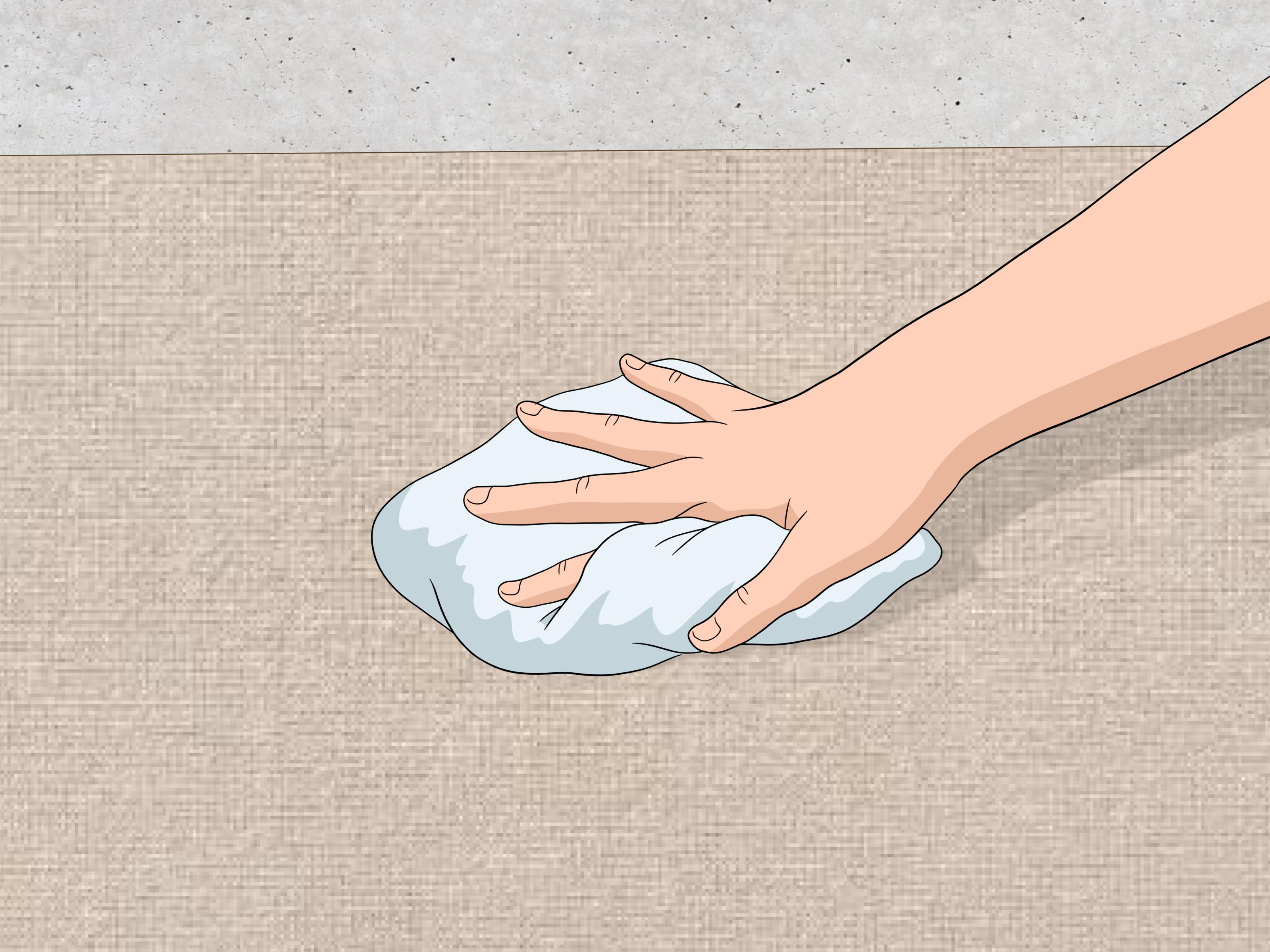
Use a spoon, dull knife, or old card to lift away thick grease, sauce, butter, or oily food bits. Work from the outside of the stain toward the center so you do not spread it. If the stain is liquid, blot it with a white paper towel or clean cloth. Press gently. Rubbing pushes oil deeper into the fibers and can rough up the fabric surface.
Step 4: Keep the Stain Dry at First
For many oily stains, it is better to start on dry fabric. Adding water too early can make the oil spread and become harder to target. This is especially true with cooking oil, olive oil, butter, and greasy sauces. Treat the oil first; rinse later.
Step 5: Apply an Absorbent Powder
Sprinkle baking soda, cornstarch, baby powder, or salt generously over the stain. These powders can help pull fresh oil from the fabric. Let the powder sit for at least 15 minutes. For heavy stains, let it sit longer, even several hours if the garment can wait. The powder may clump as it absorbs oil, which is a good sign. Your shirt is not making biscuits; the powder is doing its job.
Step 6: Brush Away the Powder
Use a soft brush, spoon edge, or clean cloth to remove the powder. Do not grind it into the stain. If the powder looks oily, repeat the powder step before moving on. This is especially useful for denim, cotton T-shirts, tablecloths, napkins, and sturdy washable fabrics.
Step 7: Pretreat with Dish Soap or Liquid Detergent
Apply a few drops of clear grease-fighting dish soap directly to the stain. Dish soap is designed to cut grease on plates, and it can help with fabric too when used carefully. You can also use liquid laundry detergent, especially an enzyme-based or heavy-duty detergent. Work the soap into the stain gently with your fingers or a soft toothbrush.
Use only a small amount of dish soap. Too much can create excess suds in the washer, and your laundry room does not need a bubble party.
Step 8: Let the Pretreatment Sit
Give the soap or detergent time to break down the oil. Five to ten minutes is often enough for fresh stains. For stubborn stains, let the pretreatment sit longer, but do not let it dry completely on the fabric. If the area starts drying, add a tiny bit more detergent or water and keep it damp.
Step 9: Rinse from the Back of the Fabric
Rinse the stained area from the back side with warm water if the care label allows it. Flushing from the back helps push loosened oil out the way it came in instead of driving it deeper. Make sure dish soap is thoroughly rinsed before machine washing, especially if you used more than a drop or two.
Step 10: Wash in the Warmest Water Safe for the Fabric
Wash the item according to the care label. For many washable fabrics, warm water helps remove oily residue better than cold water. However, do not ignore the label. Hot water can shrink, fade, or damage certain fabrics. Use a good laundry detergent and avoid overcrowding the washer so the garment has room to move.
For white or colorfast washable fabrics, oxygen bleach may help remove lingering discoloration. Always follow the product label and test first when working with bright colors.
Step 11: Inspect Before Drying
After washing, check the stain while the fabric is still damp. Oil stains can be sneaky when wet, so hold the fabric near good light. If you see a dark, translucent, or shiny mark, the stain is still there. Do not put it in the dryer.
Step 12: Air-Dry the Garment
Air-dry the item until you are sure the stain is gone. Dryer heat can set oil stains, making them much harder to remove. Hang the garment or lay it flat on a clean towel. Once dry, inspect again. If the stain remains, repeat the pretreatment and wash steps.
Step 13: Repeat for Set-In Oil Stains
Old oil stains often need more than one round. Apply liquid detergent or dish soap again, gently brush it in, wait, rinse, and wash. For durable fabrics, a paste of baking soda and dish soap can help lift stubborn residue. Be gentle with delicate fabrics, and stop if you notice fading, texture changes, or damage.
How to Treat Different Types of Oil-Based Stains
Cooking Oil and Salad Dressing
Cooking oil is one of the most common fabric offenders. Blot immediately, apply baking soda or cornstarch, then pretreat with dish soap. Salad dressing may include vinegar, spices, mustard, or tomato, so after removing the oil, check for colored residue and treat that separately with a fabric-safe stain remover.
Butter, Bacon Grease, and Food Fat
Scrape off solids first. Do not smear butter around like you are frosting a cupcake. Absorb the grease with powder, then use dish soap or liquid detergent. Wash in the warmest water safe for the fabric.
Motor Oil and Mechanical Grease
Motor oil can be darker and more stubborn than food oil. Place the stained area on an old towel, pretreat with heavy-duty liquid detergent or a laundry degreaser made for fabrics, then rinse thoroughly before washing. Do not wash heavily oily rags or clothing with regular laundry, and avoid putting oil-soaked items in the dryer because oil residue can be a fire risk.
Makeup, Sunscreen, and Body Lotion
These stains often combine oil with pigments, waxes, or minerals. Start with a small amount of dish soap or detergent to break down the oily base. If color remains after washing, use an oxygen-based stain remover on washable, colorfast fabrics.
Fabric-Specific Tips
Cotton
Cotton is absorbent, which means it may soak up oil quickly. The upside is that cotton usually tolerates stronger pretreatment and warmer wash settings. Use powder first, then detergent, then wash according to the label.
Polyester
Polyester can hold oily residue stubbornly. Pretreat carefully and wash with a quality detergent. Avoid high dryer heat until the stain is completely gone.
Denim
Denim is sturdy enough for a soft brush, but dark denim can fade. Test treatments on an inside seam. Use baking soda or cornstarch first, then dish soap or detergent.
Silk and Wool
Do not scrub silk or wool. Blot, apply a small amount of absorbent powder, and consult a professional cleaner if the stain is obvious or valuable. These fabrics are beautiful, dramatic, and not interested in your aggressive toothbrush technique.
Common Mistakes to Avoid
The first mistake is rubbing. Rubbing spreads oil and can damage fibers. The second mistake is using too much soap. A little dish soap helps; a puddle of it can leave residue and cause washer suds. The third mistake is drying too soon. Heat can set stains permanently. The fourth mistake is treating every fabric the same. A cotton apron and a silk scarf are not laundry twins.
Also be careful with internet “miracle hacks.” Some methods may work on sturdy fabrics but ruin delicate ones. Avoid using harsh solvents, gasoline, or flammable products on clothing. If a stain involves hazardous chemicals, professional cleaning or safe disposal may be the smarter choice.
Extra Experience-Based Advice for Better Results
After dealing with oil stains on everything from kitchen towels to favorite hoodies, one practical lesson stands out: the stain you treat calmly usually comes out better than the stain you attack like a raccoon in a trash can. Slow, targeted treatment wins. Start by asking what kind of oil it is. A splash of olive oil on a cotton shirt is different from axle grease on work pants or sunscreen on a white swimsuit cover-up.
One helpful habit is keeping a small stain kit near the laundry area. It does not need to be fancy. A box of baking soda, a small bottle of clear dish soap, a soft toothbrush, white cloths, and a reliable liquid detergent can solve many fabric emergencies. When oil hits clothing, you do not want to search three cabinets while the stain settles in and signs a lease.
For kitchen stains, the powder-first method is especially useful. If someone drops oily pasta sauce on a napkin or shirt, scrape away the solids, blot the stain, then bury it in cornstarch or baking soda. Let it sit while you finish dinner. This prevents the common mistake of immediately running to the sink and spreading oil through a larger wet patch.
For old stains, expect repetition. Many people give up after one wash because the mark is still visible. But oil can release gradually. Pretreat, wash, air-dry, inspect, and repeat. The air-dry step matters because a dryer can turn a removable stain into a permanent souvenir. If the garment is important, treat it twice before considering the dryer.
Another useful trick is placing a clean towel under the stained fabric during pretreatment. This prevents oil and soap from transferring to the back layer of a shirt or dress. It also gives you a stable surface for gentle brushing. Use light circular motions rather than scrubbing back and forth. You are coaxing the oil out, not sanding a deck.
For travel, salt or cornstarch can buy you time. If you are at a restaurant and oil lands on your clothes, blot with a napkin and apply a little salt if available. It may not remove the stain completely, but it can absorb some surface oil until you can treat the fabric properly at home. Avoid using hand soap from a public restroom unless you know it is clear and mild; many hand soaps contain dyes, fragrance, or moisturizers that can complicate the stain.
For white fabrics, oxygen bleach can be helpful after the grease is removed, especially if a faint yellow or gray shadow remains. But it should not replace the grease-removal step. Bleaching oily fabric without first breaking down the oil is like painting over a leak. It may look better briefly, but the problem is still there.
Finally, know when to stop. If the garment is delicate, expensive, sentimental, or labeled dry clean only, a professional cleaner is not admitting defeat. It is calling in backup. Tell the cleaner what caused the stain and what, if anything, you already tried. That information helps them choose the safest treatment.
Conclusion
Removing oil based stains from fabrics is all about timing, patience, and using the right cleaner for the job. Start dry, blot instead of rubbing, absorb extra oil with powder, pretreat with dish soap or liquid laundry detergent, rinse well, wash according to the care label, and air-dry before inspecting. If the stain remains, repeat the process before using heat.
Oil stains may be stubborn, but they are not invincible. With a careful 13-step approach, you can rescue shirts, jeans, table linens, uniforms, and kitchen towels from greasy disaster. Your fabric gets a second chance, your laundry confidence goes up, and the stain gets escorted out like an uninvited guest at brunch.