

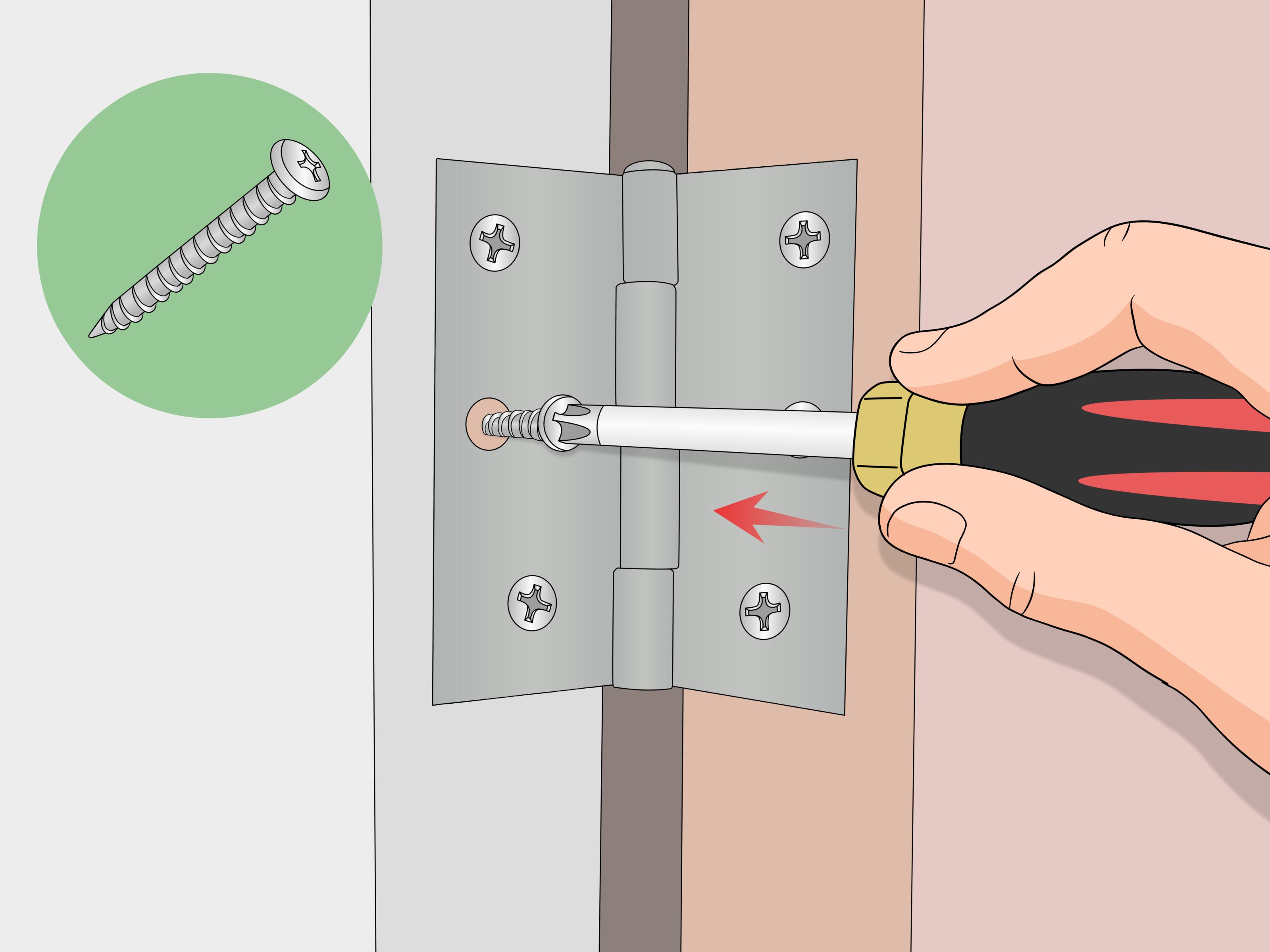
A loose hinge screw is one of those tiny household problems that somehow manages to act like it pays rent. One day your cabinet door closes nicely. The next day it sags, rubs, squeaks, or hangs at an angle like it has given up on civilization. The usual suspect is a stripped wood screw hole. The screw turns, but it does not tighten because the wood fibers inside the hole have been crushed, widened, or worn away.
The good news is that you do not always need a new door, a new jamb, or a dramatic speech about “calling a professional.” In many cases, you can repair a loose wood screw hole for a hinge with simple materials: wood glue, toothpicks, matchsticks, dowels, longer screws, or a specialized repair insert. The better news is that you can choose the repair based on the job. A tiny cabinet hinge does not need the same treatment as a heavy entry door. That would be like using a bulldozer to plant basil.
This guide covers six practical ways to fix a loose hinge screw hole in wood, from quick fixes to long-lasting structural repairs. You will also learn when each method works best, what mistakes to avoid, and how to keep the hinge aligned so your door does not return to its rebellious phase.
Why Hinge Screw Holes Become Loose
A hinge screw hole usually fails because the screw threads no longer have solid wood fibers to bite into. This can happen from repeated door movement, overtightening, using screws that are too short, moisture changes, soft wood, particleboard, MDF, or years of opening and closing. Every time a door swings, the hinge transfers force into the screws. Over time, that force can wallow out the hole.
Cabinet doors often loosen because the screws are small and the material is thin. Interior doors may sag when hinge screws only grip the door jamb instead of reaching the wall framing behind it. Old furniture hinges can fail because the wood has dried out or because previous repairs were more “creative” than effective. A little wood glue and hope may be charming, but hope is not a fastener.
Before You Start: Check the Hinge and the Screw
Before repairing the hole, remove the loose screw and inspect it. If the screw threads are worn, bent, rusty, or too short, replace it. If the hinge leaf is bent, the screw hole repair may not solve the alignment problem. Also check whether the door is rubbing at the top, bottom, or latch side. Sometimes one stripped screw is the symptom, but the real issue is a sagging hinge, a warped door, or a jamb that has shifted.
For best results, support the door while you work. A wood shim, folded cardboard, or small wedge under the door can keep weight off the hinge. This matters because trying to repair a hinge while the door is pulling on it is like trying to tie your shoes while jogging. Possible? Maybe. Smart? Not really.
Tools and Materials You May Need
You will not need every item for every method, but these are common tools and supplies for repairing loose wood screw holes for hinges:
- Screwdriver or drill/driver with adjustable torque
- Wood glue or carpenter’s glue
- Toothpicks, wooden matchsticks, golf tees, chopsticks, or hardwood dowels
- Utility knife, flush-cut saw, or sharp chisel
- Drill bits and a self-centering hinge bit if available
- Longer replacement screws
- Two-part epoxy or wood filler for certain repairs
- Wood anchors, hinge repair plates, or threaded inserts for special cases
- Safety glasses, especially when drilling or cutting
1. The Toothpick and Wood Glue Method
The toothpick method is the classic quick repair for a stripped hinge screw hole. It is cheap, simple, and surprisingly effective for light-duty hinges. It works by adding new wood fibers into the oversized hole so the screw threads have something fresh to grip.
Best For
Use this method for small cabinet doors, lightweight interior hinges, decorative boxes, furniture hinges, and screw holes that are only slightly enlarged.
How to Do It
- Remove the loose screw from the hinge.
- Dip several wooden toothpicks in wood glue.
- Push the glued toothpicks firmly into the stripped hole.
- Pack the hole tightly, but do not split the surrounding wood.
- Break or cut the toothpicks flush with the surface.
- Let the glue dry according to the label.
- Drive the screw back into the repaired hole by hand or with low drill torque.
This repair is popular because most people already have toothpicks hiding somewhere in a kitchen drawer next to birthday candles and mystery batteries. However, do not use this method for a heavy exterior door or a hinge under serious load. Toothpicks are useful, but they are not tiny structural engineers.
2. The Matchstick or Chopstick Method
Wooden matchsticks and chopsticks work like toothpicks, but they can provide more material for a larger hole. This is helpful when the screw hole is slightly too big for toothpicks alone. Always use plain wooden matchsticks with the match heads removed. Do not insert match heads into wood. That is not a repair; that is asking your house to develop opinions.
Best For
This method is ideal for medium-small stripped screw holes in softwood, cabinet frames, light furniture, and interior hinges that need a little more bite than toothpicks can provide.
How to Do It
- Remove the hinge screw and clear loose dust from the hole.
- Cut wooden matchsticks or a chopstick into short pieces.
- Coat the pieces with wood glue.
- Tap or press them into the hole until snug.
- Trim the excess flush with the surface.
- Allow the glue to cure.
- Reinstall the hinge screw carefully.
A sharpened chopstick can work especially well because it wedges into the hole. For a cleaner result, trim the surface flat before reinstalling the hinge leaf. If the screw goes in crooked, stop and drill a small pilot hole. A crooked hinge screw can pull the hinge out of alignment, and then your door will close with the confidence of a shopping cart with one bad wheel.
3. The Golf Tee Plug Method
A wooden golf tee is basically a ready-made tapered plug. It is stronger than a toothpick bundle and easy to drive into a stripped screw hole. The tapered shape helps it wedge firmly, and the solid wood gives the screw a better surface to bite into.
Best For
Use a golf tee for door hinges, furniture hinges, and larger stripped holes where a toothpick repair feels too flimsy but a full dowel repair seems unnecessary.
How to Do It
- Remove the hinge screw.
- Apply wood glue to the shaft of a wooden golf tee.
- Tap the tee into the screw hole with a hammer.
- Score the tee flush with a utility knife.
- Snap or cut off the excess.
- Let the glue dry.
- Drill a small pilot hole and reinstall the screw.
The pilot hole is important. Without it, the screw may split the golf tee or wander off-center. For hinge work, alignment matters. A self-centering drill bit is a nice upgrade because it helps place the pilot hole in the middle of the hinge opening. That keeps the hinge leaf seated properly in its mortise.
4. The Hardwood Dowel Repair
The hardwood dowel method is one of the strongest and most reliable ways to repair a loose wood screw hole for a hinge. Instead of packing the damaged hole with small scraps, you drill the hole clean, glue in a solid dowel, trim it flush, and create a fresh pilot hole. In other words, you replace the failed wood with new wood.
Best For
This is the best choice for heavy cabinet doors, full-size interior doors, door jambs, older furniture, repeated failures, and screw holes that are badly enlarged.
How to Do It
- Remove the hinge screws and swing the hinge leaf out of the way.
- Choose a drill bit that matches the dowel diameter, commonly 1/4 inch or 3/8 inch.
- Drill out the stripped hole to make it clean and uniform.
- Cut a hardwood dowel slightly shorter than the hole depth.
- Coat the dowel with wood glue or epoxy.
- Tap the dowel into the hole until it is flush or slightly proud.
- Let the adhesive cure fully.
- Trim and sand the dowel flush.
- Mark the hinge hole, drill a pilot hole, and reinstall the screw.
Hardwood dowels are usually better than softwood dowels because hinge screws need strong fibers to grip. If you are repairing a door jamb, do not drill too deeply unless you know what is behind it. For some door hinge repairs, a longer screw into the wall framing may be better than a short screw into a patched jamb. The right repair depends on where the hinge lives and how much load it carries.
5. Use a Longer Screw Into Solid Framing
Sometimes the easiest repair is not filling the hole at all. On a full-size door, especially at the top hinge, a longer screw can pass through the jamb and bite into the wall stud or framing behind it. This can pull a sagging door back into alignment and give the hinge much stronger support.
Best For
This method is excellent for interior or exterior door jambs where the original short hinge screws have loosened. It is not usually the best solution for thin cabinet sides, furniture doors, or places where a longer screw could poke through the other side.
How to Do It
- Remove one loose hinge screw, usually from the top hinge.
- Choose a longer screw of the same head style and similar diameter.
- Make sure the screw head sits properly in the hinge countersink.
- Drive the screw slowly into the jamb and framing.
- Stop when the hinge is snug; do not overtighten.
A 2 1/2-inch or 3-inch screw is often used for door jamb hinge reinforcement, but the correct length depends on the door, jamb, shim space, and framing. Avoid using a screw that is too wide for the hinge hole because it may not seat flush. Also avoid overdriving it. If you crank it down like you are tightening lug nuts on a monster truck, you can distort the hinge leaf or pull the jamb out of position.
6. Use a Wood Anchor, Repair Plate, or Insert
For problem materials like MDF, particleboard, thin cabinet sides, or repeatedly stripped holes, a specialty repair product may be the smartest option. Screw-hole repair kits, wood anchors, hinge repair plates, and threaded inserts are designed to give screws a new gripping surface when the original wood is too weak or too damaged.
Best For
Use this approach for cabinet hinges in particleboard, rental-friendly repairs where you want a clean result, frequently used doors, or situations where glue-and-wood repairs have already failed.
How to Do It
- Remove the hinge and loose screws.
- Follow the repair kit or insert instructions exactly.
- Drill the recommended hole size if required.
- Install the anchor, insert, or repair plate.
- Reattach the hinge and test the door movement.
Repair plates are common for European-style cabinet hinges because they spread force over a larger surface. Threaded inserts can be useful when hardware may need to be removed again later. Metal grip strips and wood anchors can help when the screw hole has lost its bite. The key is to match the product to the hinge type and material thickness. Not every anchor belongs in every hole, no matter how confident the package looks.
Which Method Should You Choose?
For a tiny cabinet hinge hole, start with toothpicks and wood glue. For a slightly larger hole, try matchsticks, chopsticks, or a golf tee. For a heavy door, repeated failure, or a badly stripped hole, use a hardwood dowel repair. For a sagging full-size door, replace one or more short hinge screws with longer screws that reach solid framing. For MDF, particleboard, or modern cabinet hinges, consider repair plates or specialized anchors.
The big rule is simple: the heavier the door, the stronger the repair should be. A spice cabinet door and a solid-core bedroom door are not living the same lifestyle. One holds oregano. The other has momentum.
Common Mistakes to Avoid
Overtightening the Screw
Overtightening is one of the fastest ways to ruin a fresh repair. Drive the screw until the hinge is snug, then stop. If you keep turning after the screw is seated, you can crush the new wood fibers and strip the hole all over again.
Skipping the Pilot Hole
A pilot hole helps the screw enter straight and reduces the chance of splitting the plug or dowel. For hinge screws, a centered pilot hole also keeps the hinge from shifting as the screw tightens.
Using Wood Filler for High-Stress Hinges
Wood filler can work for cosmetic holes, but it is often not the best choice for high-stress hinge screws. Many fillers do not hold screw threads as well as real wood. If the hinge carries weight, a dowel, longer screw, or insert is usually more dependable.
Ignoring the Door Alignment
If the door is sagging, binding, or rubbing, repair the stripped hole and then check the alignment. Tighten the other hinge screws, inspect the hinge leaves, and make sure the door swings freely. A repaired hole will not stay repaired if the hinge is still fighting gravity every time the door opens.
Step-by-Step Example: Fixing a Loose Interior Door Hinge
Imagine the top hinge on an interior bedroom door has one screw that spins endlessly. The door rubs slightly at the top corner. In this case, start by supporting the door with a shim. Remove the loose screw. If the screw is short, replace it with a longer screw that can reach the framing behind the jamb. Drive it carefully through the hinge and jamb until snug. Test the door.
If the screw still does not bite, remove it and use the hardwood dowel method. Drill the damaged hole clean, glue in a dowel, let it cure, trim it flush, drill a centered pilot hole, and reinstall the hinge screw. This creates fresh wood for the screw while keeping the hinge in the original position.
Step-by-Step Example: Fixing a Loose Cabinet Hinge
For a loose cabinet hinge in a face frame or cabinet side, remove the hinge screw and inspect the material. If the cabinet is solid wood, toothpicks and glue may be enough. If the hole is larger, use a small dowel or golf tee. If the cabinet is particleboard and the hinge keeps failing, a hinge repair plate may be more reliable because it spreads the load beyond the damaged hole.
After the repair, open and close the cabinet door several times. If it drops or rubs, adjust the hinge screws. Many modern concealed hinges have adjustment screws for side-to-side, up-and-down, and in-and-out alignment. That little hinge may look innocent, but it has more settings than some old televisions.
Experience-Based Tips for a Repair That Lasts
After repairing many loose hinge screw holes, the biggest lesson is that preparation matters more than the repair material. A clean hole, a tight plug, full glue coverage, and a properly drilled pilot hole will outperform a rushed repair almost every time. The repair does not need to be fancy. It needs to be solid, centered, and appropriate for the load.
One common experience is that homeowners often try to solve a loose hinge by simply using a wider screw. Sometimes it works, but it can also split the wood, damage the hinge countersink, or make the next repair harder. A longer screw is often better for a door jamb because it reaches fresh material deeper in the structure. A wider screw only attacks the same damaged area with more enthusiasm. Enthusiasm is nice. Grip is better.
Another practical tip is to let glue cure properly. Many quick repairs fail because the screw goes back in while the glue is still wet. Wet glue can lubricate the screw instead of locking the wood fibers together. If the door is not urgent, wait longer than you think you need. The repair will reward your patience by not immediately embarrassing you in front of guests.
When working on doors, support the weight before removing screws. Even one loose top-hinge screw can allow the door to sag. If you remove several screws without support, the hinge can shift, the door can bind, and the repair becomes more annoying. A shim under the door is simple, cheap, and effective. It is the unsung hero of hinge repair, which is probably why no one has written a ballad about it.
For cabinets, pay attention to the material. Solid wood is forgiving. Plywood is decent. MDF and particleboard can be crumbly, especially around hinges that get daily use. If a particleboard hinge hole fails once, it may fail again unless the repair spreads the force. That is where repair plates, inserts, or larger structural patches can make sense. The goal is not just to fill the hole; it is to give the hinge a dependable place to transfer load.
It also helps to keep the original hinge position whenever possible. Moving a hinge slightly can create new alignment problems, visible marks, or latch issues. Repairing the hole in the same location is usually cleaner. If the old hole is completely destroyed, plug it with a dowel or hardwood patch and re-drill accurately. A self-centering bit can make this much easier because hinge holes love to pull drill bits off course when you are not looking.
Finally, do not underestimate the value of hand-tightening the last few turns. A drill is fast, but it can strip a repair in one dramatic second. Use the drill to start the screw if you want, then finish with a screwdriver. You will feel when the screw seats properly. That “snug but not crushed” feeling is the sweet spot. Once you learn it, you will start tightening hinge screws like a calm professional instead of a caffeinated raccoon with a power tool.
Conclusion
Repairing a loose wood screw hole for a hinge is usually a small job with a big payoff. A secure hinge helps doors close smoothly, cabinets sit straight, and furniture hardware stay where it belongs. The best method depends on the size of the hole, the weight of the door, and the type of wood or wood product you are working with.
For light repairs, toothpicks, matchsticks, chopsticks, or a golf tee can restore grip quickly. For stronger repairs, hardwood dowels create a fresh foundation for the screw. For full-size doors, longer screws can reach the framing and reduce sag. For particleboard, MDF, or repeat failures, repair plates and inserts may be worth the small extra cost.
The secret is to avoid shortcuts that only look fixed. Clean the hole, use the right repair material, drill a centered pilot hole, and tighten the screw carefully. Do that, and your hinge should stop wobbling like it has a secret and start doing its very simple but very important job: holding the door where it belongs.
Note: Always wear eye protection when drilling or cutting, and choose a repair method that matches the weight and use of the door. If a door frame is cracked, badly rotted, or structurally damaged, repair the wood itself before relying on new screws.