

Rats are smart, cautious, and annoyingly athletic for something that chews through your snack stash like it pays rent.
If you’ve decided a Victor rat trap (a classic snap trap) is your plan, you’re in good company:
it’s fast, affordable, andwhen used correctlyone of the most effective ways to handle a rodent problem without bringing
mystery chemicals into your home.
This guide walks you through 14 practical steps to set a Victor rat trap safely and effectively,
with placement tips, bait tricks, and troubleshooting. Quick note: snap traps can hurt fingersso if you’re a teen (or just
someone who enjoys having all ten fingertips), do this with an adult nearby and take the safety steps seriously.
Before You Start: What Makes Rats Harder Than Mice?
Rats are often more cautious than mice. Many will avoid new objects in their environment at first (this is sometimes called
“trap shyness” or “neophobia”). That means the best results usually come from a smart setup:
right trap, right bait, right location, and enough patience to not move the trap every five minutes like it’s a tiny chess match.
What You’ll Need
- Victor rat snap trap (or similar Victor snap trap sized for rats)
- Disposable gloves (or washable rubber gloves)
- Bait (peanut butter, nuts, dried fruit, baconmore on this below)
- A cotton swab/toothpick for applying bait (optional but helpful)
- Paper towels, disinfectant, and trash bags for cleanup
- Optional: small zip ties or dental floss (for tying down bait)
How to Set a Victor Rat Trap: 14 Steps
-
Confirm you’re dealing with rats (not just “mystery noises”).
Look for larger droppings, rub marks (greasy smudges along walls), gnawing, shredded nesting material, or tracks in dusty areas.
If you’re catching something the size of a large potato, congratulations/condolencesyou’ve got rats. -
Pick the right Victor trap model for the job.
Victor makes different snap traps. Some have a yellow pedal/treadle, some have a bait cup, and some are “easy set.”
What matters: it’s rated for rats (bigger and stronger than mouse traps). Using a mouse trap for a rat is like bringing
a stapler to a wrestling match. -
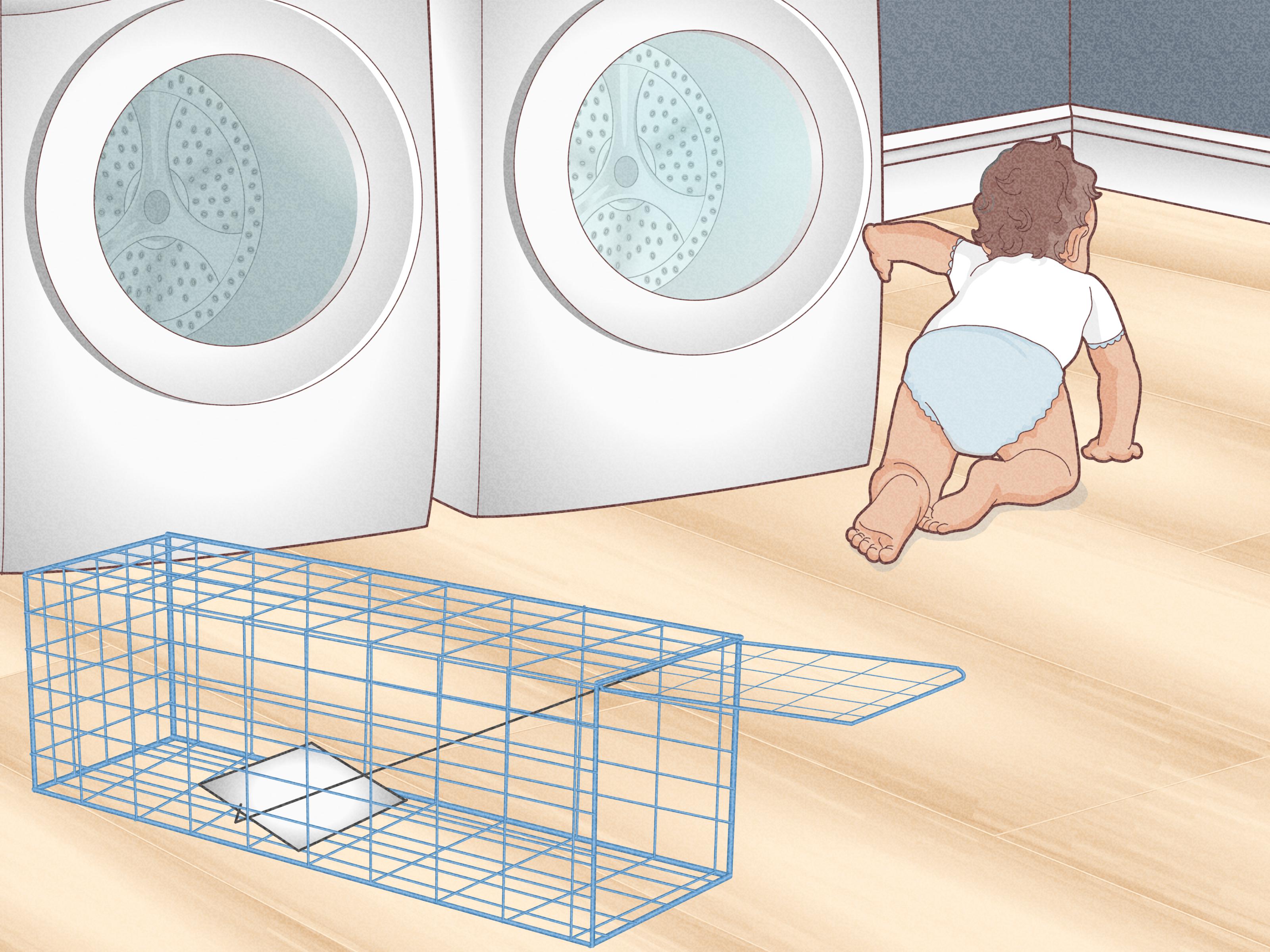
Plan a safe “no-pets, no-kids, no-surprises” zone.
Snap traps can injure curious fingers and paws. Place traps where pets and children can’t access thembehind appliances,
inside secured cabinets, or within a tamper-resistant bait station designed for snap traps. -
Wear glovesyes, even if you’re brave.
Gloves help in two ways: they reduce human scent on the trap (rats can be suspicious), and they protect you from germs during setup and cleanup.
-
Choose bait rats actually want to work for.
Rats typically go for high-calorie foods. Popular options include peanut butter, nuts, dried fruit, bacon, or pet food.
Use something sticky when possible so it stays put. If peanut allergies are a concern in your household, skip peanut butter and use a safer alternative
(like a small piece of dried fruit or a bit of soft cheese). -
Use a tiny amount of baitseriously, smaller than you think.
A common mistake is loading the trap like it’s a nacho platter. Too much bait can let the rat nibble without triggering the mechanism.
Aim for a pea-sized dab of sticky bait, or a small piece firmly attached to the bait area. -
Secure the bait so it can’t be “stolen” without consequences.
Rats are talented thieves. If you’re using a solid bait (like a nut or dried fruit), consider tying it to the pedal/trigger area with a short piece of
dental floss or thin string (if the trap design allows). The goal is to make the rat tug and manipulate the baitexactly what triggers the snap. -
Understand the parts before you arm it.
Most Victor snap traps have a kill bar (the snapping metal bar), a trigger/pedal (where bait goes),
and an arm bar (the piece that latches onto the trigger). Knowing what’s what makes the next step fasterand safer. -
Set the trap (the safe way).
With the trap on a flat surface and your fingers away from the snap path:
- Pull the kill bar back until it’s under tension.
- Move the arm bar over the kill bar.
- Latch the arm bar onto the trigger/pedal according to your trap’s design.
Go slowly. If you’re forcing it, pausesomething may not be aligned correctly.
-
Do a gentle “stability check” without actually triggering it.
You don’t need to poke the trigger like you’re trying to defuse a movie bomb. Just confirm the trap sits flat and the latch looks secure.
If it’s wobbly or half-latched, reset it. A poorly set trap can snap early or miss. -
Place the trap where rats travel: along walls, not in the middle of the room.
Rats prefer to move along edges and runwayswalls, baseboards, behind stored items, and alongside pipes.
Place the trap flush against a wall. For many setups, positioning the trigger end closest to the wall improves success. -
Use more than one trap (because rats didn’t come solo).
If you’ve seen one rat, assume there may be more. Place multiple traps in likely travel routes, spaced a few feet apart.
In heavier activity areas, pairing traps can increase the chance of a quick catch. -
Check traps dailymorning is ideal.
A set trap is not a “set it and forget it” crockpot recipe. Check at least once every 24 hours for humane reasons and to prevent odor or insect issues.
If nothing happens after a few days, don’t panicadjust placement first, then bait. -
Handle cleanup safely and reset the smart way.
If you catch a rat:
- Put on gloves.
- Use a bag or paper towels to handle the trap (avoid direct contact).
- Double-bag the rat/trash and dispose according to your local rules.
- Disinfect the area and the trap (if reusable) following label directions, then wash hands thoroughly.
After cleanup, reset traps if activity continuesand move your focus to entry points and food sources so you’re not running a rodent-themed amusement park.
Best Placement Ideas (With Real-World Examples)
Great trap placement is often the difference between “victory” and “why is the bait gone and the trap untouched?”
Try these common rat travel zones:
- Behind the refrigerator or stove (warmth + crumbs = rat buffet)
- Along basement walls, especially near stored boxes
- Near garbage cans (but safely out of reach of pets)
- Along garage edges where walls meet clutter
- Near pipe penetrations under sinks or by water heaters
Pro tip: Follow the “wall-hugger” rule
If you place a rat snap trap in the center of an open space, rats often avoid it. Place traps where the rat already feels safe traveling:
tight edges, hidden corners, and along established runways.
Common Mistakes (And How to Fix Them)
Mistake 1: Using too much bait
Fix: Use a small dab and keep it on the bait pedal/cup. Too much bait can let rats snack without stepping where they need to.
Mistake 2: Placing traps in the wrong spot
Fix: Move traps to walls and runways. Look for droppings, rub marks, or gnawingthose are your clues.
Mistake 3: Not using enough traps
Fix: Increase trap count in active areas. If you’re seeing signs in multiple rooms, you need a wider trap strategy.
Mistake 4: Ignoring the “why are they here?” question
Fix: Traps remove rats. Exclusion prevents new ones. Seal gaps, repair screens, install door sweeps, and store food in airtight containers.
How to Make Your Trap Plan More Effective (Without Going Overboard)
- Remove competing food: keep counters clean, store pet food, and reduce clutter.
- Don’t move traps constantly: give rats time to get comfortable, especially if they’re cautious.
- Consider “pre-baiting” for rats: in some situations, bait traps without setting them for a day or two so rats feed without fearthen set them.
- Track results: if one spot is consistently active, concentrate traps there.
When to Call a Pro
If you’re seeing rats during daytime, finding widespread droppings, hearing lots of activity in walls/ceilings, or catching multiple rats quickly,
it may indicate a bigger infestation or a structural entry problem. A licensed pest control professional can help identify entry points, nesting areas,
and a comprehensive integrated pest management plan.
Real-World Experiences and Lessons People Learn the Hard Way (About )
Most first-time trap setups follow the same emotional arc: confidence, optimism, mild paranoia, and then an intense suspicion that the rats are
holding strategy meetings somewhere behind the dishwasher. The good news is that many “trap fails” aren’t failuresthey’re useful information.
People often discover that the problem wasn’t the Victor rat trap at all; it was the placement, the bait, or the environment.
One of the most common experiences homeowners report is the “bait vanished, trap untouched” mystery. Rats can sometimes lick or nibble bait without
applying enough pressure to the trigger. That’s why a tiny smear of sticky bait (not a glob) and securely attached solid bait can matter so much.
When people switch from a large chunk of food to a pea-sized dab (or tie down the bait), the trap suddenly starts doing its joblike it finally got
the correct instructions.
Another classic moment: setting one trap and expecting the entire rat population to politely line up. In reality, rats are social and often travel in
predictable lanes. People who get better results usually increase the number of traps and place them where rats already movetight along walls, behind
appliances, and in dark corners. It’s less “put one trap somewhere” and more “cover the runway like you’re placing tiny seatbelts where the rats already ride.”
Many folks also learn that rats can be suspicious of “new stuff” in their environment. They’ll walk around a trap for a day or two like it’s an art
installation titled Absolutely Not. That’s where patience and consistency help. Instead of moving traps every few hours, people often succeed by leaving
traps in place, reducing nearby food sources, and letting the rats get comfortable enough to investigate. Some even pre-bait (bait without setting) so the rats
learn the location is safethen they set the trap and finally get results.
Then there’s the “I didn’t think about noise” experience. Snap traps can be loud. A surprising number of people discover this at 2 a.m., followed by a moment
of lying very still and thinking, “Was that… the trap… or a tiny drummer?” If noise is a concern, placing traps in less-trafficked areas (or using enclosed
stations) can make the whole process less dramatic.
Finally, people often realize that catching rats is only half the story. The lasting win comes from exclusion: sealing entry points, storing food
securely, and reducing clutter so rats lose both access and hiding places. The experience many share is that once they combined good trapping with sealing gaps
and tightening food storage, the problem didn’t just improveit ended. And that’s the goal: not an ongoing rodent sitcom, but a clean, boring home where the only
things running along the baseboards are your vacuum lines.
Conclusion
Setting a Victor rat trap isn’t complicated, but it is a game of details: small bait, steady hands, smart placement, and consistent checking.
Use multiple traps, keep them along walls and runways, and prioritize safetyespecially around kids and pets. Most importantly, pair trapping with prevention:
seal entry points, remove easy food sources, and clean up properly. Do that, and you’ll turn your home from “rat-friendly snack bar” into a place rats
definitely do not recommend to their friends.