

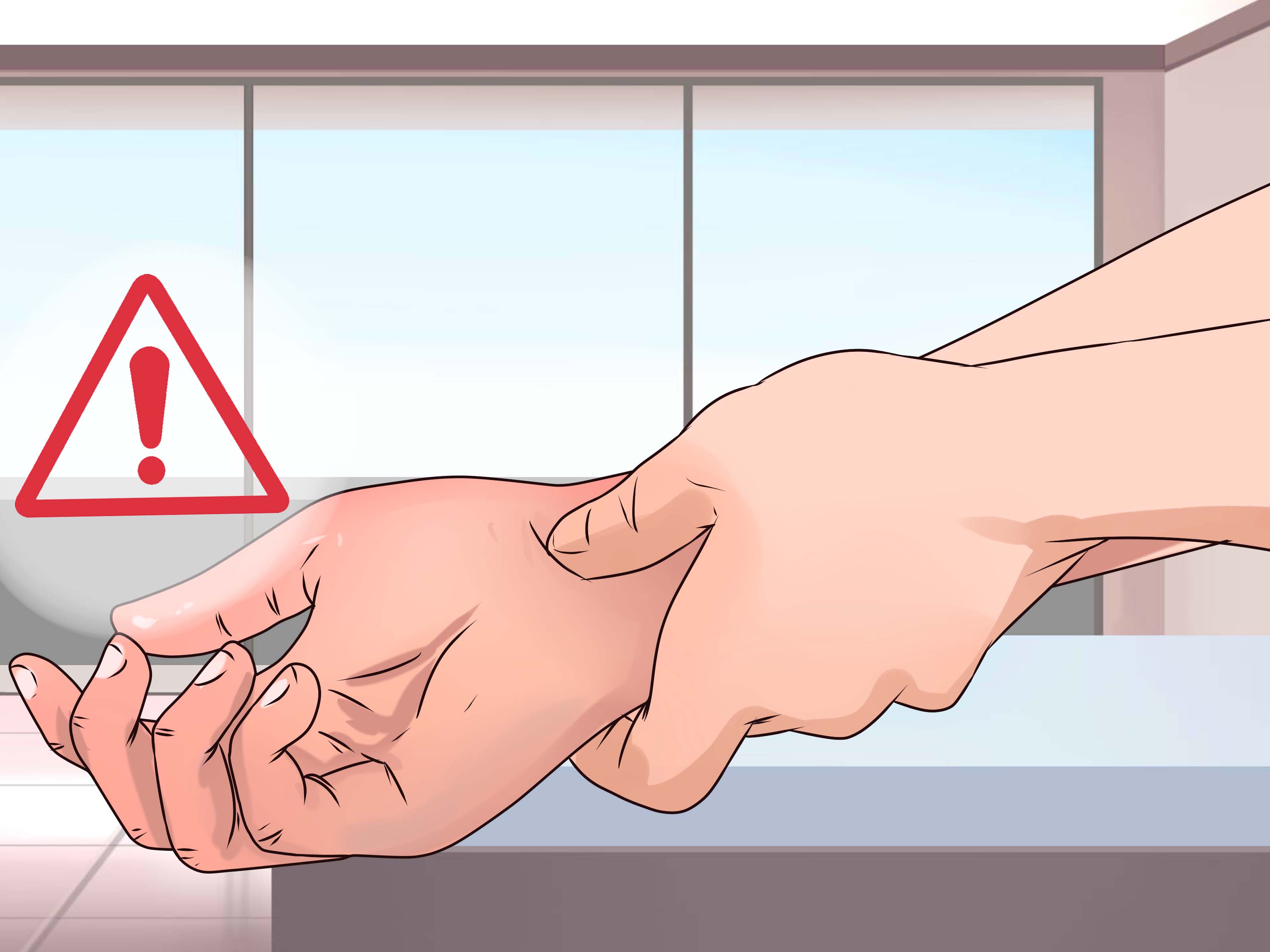
Gout has a talent for terrible timing. It rarely taps politely on your shoulder at 2 p.m. and says, “Excuse me, would now be convenient?” No, it prefers the dramatic entrance: midnight, lights off, one foot under the blanket, and suddenly your big toe feels like it has joined a medieval jousting tournament.
If you are searching for how to sleep through gout pain, you probably already know the problem is not “minor discomfort.” A gout flare can bring sudden, sharp, burning joint pain, swelling, warmth, redness, and tenderness so intense that even a bedsheet can feel like a brick. The good news: while you may not be able to magically switch off a flare, you can take smart steps to reduce pressure, calm inflammation, protect your joint, and improve your odds of getting real rest.
This guide explains practical nighttime gout relief strategies, what to do before bed, how to position your body, which home-care habits may help, and when it is time to call a healthcare professional. Think of it as your “please-let-me-sleep” planminus the medical nonsense and miracle-cure circus.
Why Gout Pain Often Gets Worse at Night
Gout is a type of inflammatory arthritis caused by excess urate in the body. Over time, urate can form needle-like crystals in and around joints. When the immune system reacts to those crystals, the result can be a painful gout attack, also called a flare.
Nighttime gout pain is common. Many people go to bed feeling normal and wake up with sudden pain in the big toe, ankle, foot, knee, or another joint. Researchers have found that gout attacks are more likely to happen overnight and in the early morning than during the day. Several factors may contribute, including lower nighttime body temperature, dehydration during sleep, natural changes in hormone levels, and reduced joint movement.
Another possible contributor is sleep apnea. People with obstructive sleep apnea experience repeated breathing interruptions during sleep, which may lower oxygen levels and affect uric acid production. Not everyone with gout has sleep apnea, of course, but if you snore loudly, wake up gasping, feel exhausted after a full night in bed, or have high blood pressure, it is worth discussing with your doctor.
First Rule: Treat the Flare Early
The fastest way to sleep better during a gout flare is to treat the inflammation early. Gout pain is not just “soreness.” It is an inflammatory reaction, and waiting it out can make the night feel endless.
Talk to your doctor about flare medication
Common medical treatments for acute gout flares include nonsteroidal anti-inflammatory drugs, often called NSAIDs, colchicine, and corticosteroids. These can reduce pain and inflammation, but they are not right for everyone. NSAIDs may be risky for people with kidney disease, stomach ulcers, certain heart conditions, blood-thinner use, or uncontrolled blood pressure. Colchicine can cause side effects and may interact with other medications. Steroids may affect blood sugar, mood, sleep, and blood pressure.
In plain English: do not play medication roulette at midnight. If you have gout, ask your healthcare provider ahead of time for a written flare plan. That plan should explain what to take, when to take it, what dose is safe for you, and when to seek urgent help.
Do not stop long-term uric acid medicine without guidance
If you take urate-lowering medicine such as allopurinol or febuxostat, do not stop it during a flare unless your clinician tells you to. These medications help lower uric acid over time and reduce future attacks. They are not instant painkillers, but long-term control is one of the best ways to prevent your toe from staging another midnight rebellion.
How to Set Up Your Bed for Gout Pain Relief
When gout strikes, your sleeping position matters. The goal is simple: reduce pressure, reduce swelling, and prevent accidental contact with the painful joint.
Elevate the affected joint
If your gout flare is in your foot, toe, or ankle, elevate it slightly using pillows. Raising the joint may help reduce swelling and throbbing. You do not need to build a pillow skyscraper. A gentle lift is enough. Make sure your knee and ankle are supported so you are not twisting your leg into a strange yoga pose you did not sign up for.
Keep blankets off the painful area
During a gout attack, even light fabric can feel unbearable. Try using a blanket lifter, bed cradle, or a simple pillow arrangement to keep sheets from touching the affected joint. If the pain is in your big toe, you can also let the foot stick out from under the covers while keeping the rest of your body warm.
Choose loose, soft sleepwear
Tight socks, snug pajama cuffs, and heavy bedding can irritate a swollen joint. Choose loose clothing and soft fabrics. If your foot is swollen, skip socks unless your doctor has told you otherwise for another condition.
Use side-sleeping support carefully
If you sleep on your side, place a pillow between your knees to reduce strain through the hips, knees, and ankles. If the affected foot is on the bottom, pressure from the mattress may worsen pain. Try switching sides or sleeping on your back with the foot supported.
Cold Therapy: A Simple Nighttime Tool
Applying a cold pack can help calm pain and swelling during a gout flare. Wrap an ice pack or bag of frozen peas in a thin towel and place it on the painful joint for about 15 to 20 minutes at a time. Do not put ice directly on your skin, and do not fall asleep with an ice pack on your foot.
Cold therapy works best as part of a routine: medication if prescribed, rest, elevation, hydration, and pressure relief. It will not remove urate crystals overnight, but it may turn the pain volume down enough for your body to relax.
Hydration Before Bed: Helpful, But Be Strategic
Dehydration can raise uric acid concentration and may contribute to gout flares. Staying hydrated during the day is a smart gout-management habit. But chugging a giant bottle of water right before bed may create a different problem: repeated bathroom trips, also known as the “hydration boomerang.”
A better strategy is to drink water steadily throughout the day, then take small sips in the evening. Keep water near your bed so you do not have to limp to the kitchen at 3 a.m. like a wounded pirate.
What to Eat and Avoid Before Sleep
Food does not cause every gout flare, and diet alone cannot cure gout. Genetics, kidney function, medications, body weight, alcohol use, and other health conditions all play a role. Still, evening choices can affect your risk of nighttime discomfort.
Avoid alcohol during a gout flare
Alcohol, especially beer and liquor, is linked with higher gout risk and more attacks. During a flare, it is best to avoid alcohol. A nightcap may sound relaxing, but for gout it can be like inviting a marching band into your toe.
Limit high-purine foods at dinner
Purines are substances found in the body and in certain foods. When purines break down, they produce uric acid. Foods that may raise uric acid include organ meats, large portions of red meat, some seafood, and certain rich gravies or meat-heavy meals. A gout-friendly dinner might include vegetables, whole grains, low-fat dairy, eggs, tofu, beans in reasonable portions, or lean poultry depending on your personal plan.
Watch sugary drinks
Sugar-sweetened beverages, especially those with high-fructose corn syrup, may increase gout risk. If you want something soothing before bed, choose water, herbal tea, or another unsweetened drink that fits your health needs.
Create a Gout-Friendly Sleep Routine
Sleep hygiene will not erase severe gout pain, but it can help your nervous system settle down. Pain and poor sleep feed each other: pain makes sleep harder, and poor sleep can make pain feel sharper the next day. Your bedtime routine should lower stimulation and make movement easier.
Prepare your “gout night kit”
Keep essentials within arm’s reach: water, prescribed medication, a cold pack ready in the freezer, a towel, extra pillows, a phone charger, and any mobility aid you use. The less you have to walk during a flare, the better.
Cool, dark, quiet room
A cool bedroom can support better sleep, but avoid making the affected joint uncomfortably cold. Use breathable bedding and adjust layers so the painful foot or joint does not overheat under heavy blankets.
Use relaxation techniques
Try slow breathing, progressive muscle relaxation, or a calm audio track. This is not because gout is “in your head.” It is because pain activates stress signals, and relaxation can help lower the body’s alarm response. Imagine telling your nervous system, “Thank you for the emergency alert, but we are not launching rockets tonight.”
When Gout Pain Is Too Severe to Sleep
Sometimes home care is not enough. Contact a healthcare provider if your pain is severe, your flare is not improving, you have frequent attacks, or you are unsure which medication is safe. Seek urgent care if you have fever, chills, spreading redness, an inability to move the joint, severe swelling, or if this is your first attack. Infection can sometimes mimic gout, and that needs prompt medical attention.
You should also ask for medical help if gout is affecting your sleep repeatedly. Frequent nighttime flares are not just annoying; they can damage quality of life and may signal that your uric acid is not well controlled.
Preventing Future Nighttime Gout Attacks
The best way to sleep through gout pain is to have fewer gout attacks in the first place. Prevention usually requires a long-term plan, not just heroic pillow stacking.
Know your uric acid goal
Many people with recurrent gout need urate-lowering therapy to keep uric acid at a target level. Your doctor may monitor blood uric acid and adjust medication over time. Lifestyle changes help, but medication is often necessary for people with repeated flares, tophi, kidney stones, or joint damage.
Manage weight gradually
If weight loss is recommended, aim for gradual, sustainable changes. Crash diets and fasting can sometimes raise uric acid and trigger flares. Gout does not reward panic dieting; it prefers steady, boring consistency.
Review medications with your clinician
Some medications can raise uric acid or complicate gout management, including certain diuretics. Never stop prescribed medication on your own, but ask your clinician whether your current medicines affect gout risk.
Screen for sleep apnea if symptoms fit
If you have loud snoring, pauses in breathing, morning headaches, daytime sleepiness, or high blood pressure, ask about sleep apnea testing. Treating sleep apnea may improve overall health and could be part of a better long-term gout strategy.
Common Mistakes That Make Nighttime Gout Worse
Waiting too long to treat the flare
Many gout medicines work best when taken early according to a clinician’s plan. If you wait until the joint feels like it is hosting a fireworks finale, relief may take longer.
Pressing or massaging the joint aggressively
A swollen gout joint is already inflamed. Deep massage can make it angrier. Gentle support is better than poking, squeezing, or trying to “rub it out.”
Using heat without guidance
Some people like warmth for general stiffness, but acute gout is hot, swollen inflammation. Heat may feel comforting to some, but it can worsen swelling for others. Cold therapy is usually the safer first home-care option during a fresh flare.
Ignoring repeated attacks
If gout keeps returning, the answer is not simply buying more pillows. Recurrent flares deserve a long-term treatment conversation.
Practical Night Plan: What to Do Tonight
If gout pain is threatening your sleep tonight, start with this simple sequence:
- Take your prescribed flare medication exactly as directed, or contact a clinician if you do not have a safe plan.
- Rest the affected joint and avoid unnecessary walking.
- Elevate the foot, ankle, or knee with pillows.
- Apply a wrapped cold pack for 15 to 20 minutes.
- Keep blankets and tight clothing off the painful area.
- Sip water, but do not overdo fluids right before bed.
- Use breathing exercises, calming audio, or another relaxation tool while the medication and cold therapy begin to work.
This routine will not make gout adorablenothing willbut it can make the night more manageable.
Experiences Related to Sleeping Through Gout Pain
People who live with gout often describe nighttime flares with the same basic storyline: everything seems fine, sleep begins, and then the joint announces itself like a smoke alarm with opinions. The pain can feel sharp, burning, pulsing, or crushing. For some, the worst part is not only the pain itself but the helplessness of being tired, half-awake, and suddenly unable to tolerate even a whisper of pressure on the toe or foot.
One common experience is the “blanket problem.” During a flare, bedding becomes the enemy. People often discover that lifting the sheet away from the toe can make a surprising difference. Some use a pillow at the foot of the bed to create a little tent. Others let the affected foot rest outside the covers. It may look slightly ridiculous, but at 2 a.m., dignity is less important than not screaming because cotton touched your toe.
Another shared experience is learning the value of preparation. Many people with recurrent gout eventually create a bedside routine. They keep water nearby, store approved medication where they can find it safely, and know exactly which pillow setup helps. This turns a chaotic night into a more controlled one. The flare may still hurt, but there is comfort in knowing what to do next.
People also learn that food and drink choices earlier in the day can echo into the night. A heavy steak dinner, several beers, dehydration, or a sugary drink binge may not trigger every flare, but many gout sufferers notice patterns. Keeping a simple flare diary can help: what you ate, how much water you drank, whether you drank alcohol, how you slept, and when symptoms started. Over time, patterns become easier to spot.
Emotionally, gout pain can be frustrating because it feels out of proportion to the size of the joint. A big toe is small; the drama is not. People may feel embarrassed explaining how a toe kept them awake all night, but gout is a real inflammatory disease, not a character flaw. The pain can be severe, and taking it seriously is the first step toward better sleep and fewer attacks.
The most helpful long-term experience many people report is moving from “surviving flares” to “preventing flares.” Once they work with a clinician to manage uric acid, review medications, adjust diet, hydrate consistently, and treat related issues such as kidney disease or sleep apnea, nights often become less unpredictable. The goal is not to become perfect. The goal is to make gout boringand boring is beautiful when the alternative is arguing with your bedsheet at 3 a.m.
Conclusion
Sleeping through gout pain starts with respecting what gout is: a sudden inflammatory flare, not ordinary soreness. The most effective nighttime strategy combines early medical treatment, joint elevation, cold therapy, pressure-free bedding, hydration, smart food and alcohol choices, and a calm sleep environment. For recurring attacks, prevention matters even more. Work with your healthcare provider to control uric acid, build a flare plan, and check for related issues such as kidney disease or sleep apnea.
Gout may be dramatic, but your response can be practical. Prepare your nightstand, protect the painful joint, avoid known triggers, and get medical guidance before the next flare tries to audition for a horror movie in your foot.