

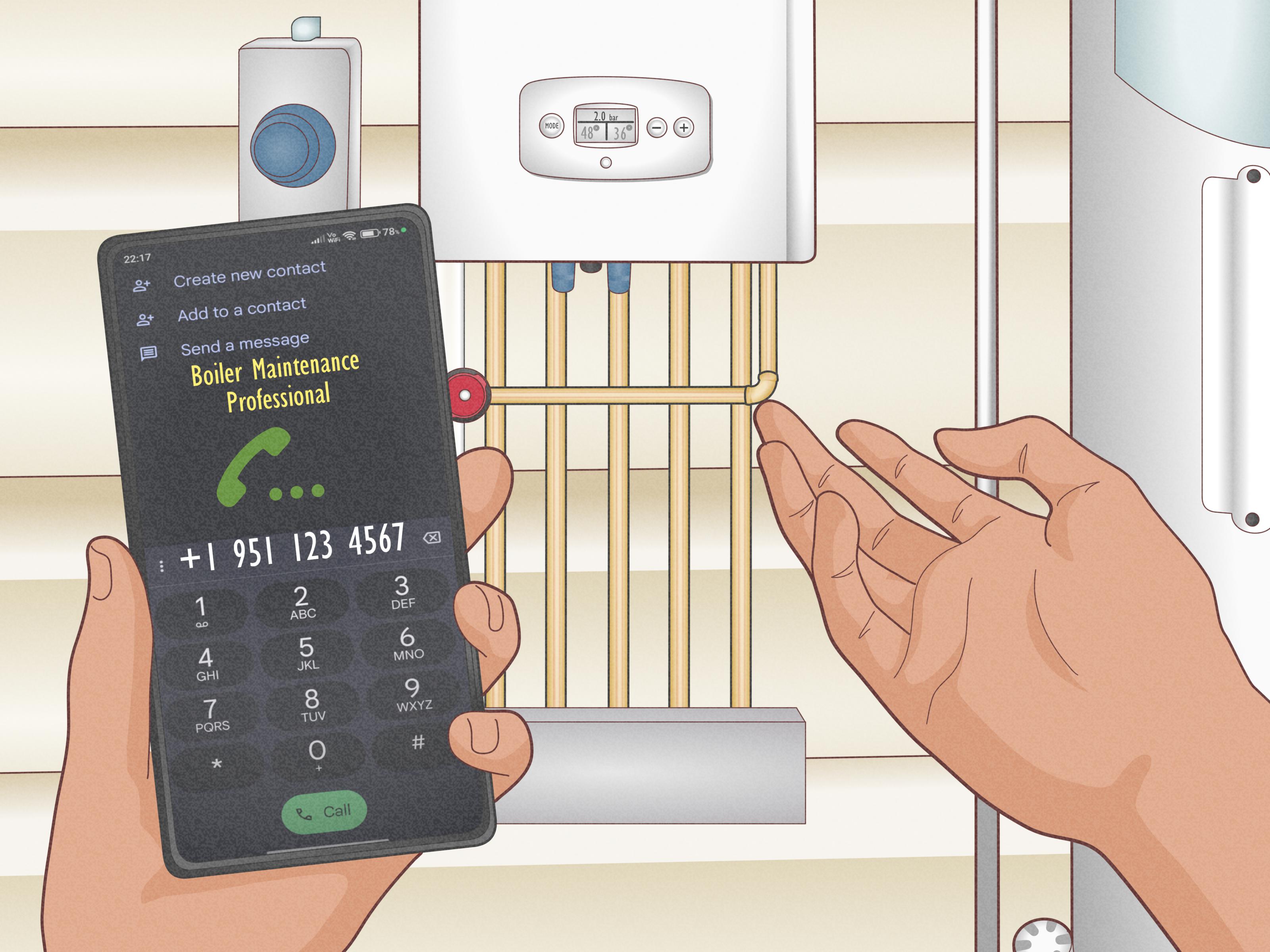
When cold weather rolls in, a lot of homeowners suddenly remember they own a boiler. Usually this happens at 6:14 a.m., while wearing socks that are losing the battle against an ice-cold floor. The instinct is simple: go downstairs, press a button, twist a valve, and hope for warm radiators and a heroic ending. But boilers are not oversized coffee makers. They involve fuel, pressure, hot water or steam, venting, and safety controls that absolutely do not appreciate guesswork.
So, instead of treating boiler startup like a DIY speedrun, treat it like what it is: a safety-sensitive process. The smartest way to “start a boiler” is to know what to check, what to leave alone, and when to bring in a licensed HVAC or boiler technician. That approach protects your home, your heating system, and your eyebrows, which deserve a long and happy life.
This guide covers 13 practical, safety-first checks that help you prepare for boiler season without turning your basement into a bad decision documentary. It is written for homeowners who want to be informed, cautious, and a little funnier than the average maintenance manual.
Why Boiler Startup Deserves Respect
A residential boiler may look calm on the outside, but behind the panel it is coordinating combustion, venting, water circulation, temperature control, and pressure management. On steam systems, there is the added drama of boiling water and low-water protection. On hot water systems, pressure balance and expansion control matter more than most people realize. In both cases, the safety devices are not decorative. They are the difference between normal heating and a very expensive call nobody wanted to make.
That is why the safest boiler startup mindset is not, “How fast can I get heat?” It is, “How do I avoid forcing a damaged, dirty, leaking, or poorly vented system to run?” That shift in thinking saves money, reduces risk, and keeps you from diagnosing major equipment with the confidence of someone who once assembled a bookshelf.
The 13 Safety-First Checks
1. Identify exactly what kind of boiler you have
Before touching anything, know your system. Is it gas, oil, or electric? Is it a steam boiler or a hot water boiler? Is it an older atmospheric unit venting into a chimney, or a sealed-combustion high-efficiency model with plastic vent pipes? Those differences matter because startup, maintenance, warning signs, and service needs are not identical. If you cannot clearly identify the system type and model, stop there and find the manual or the data plate. Guessing your way through boiler hardware is like guessing your way through surgery, except the patient is your house.
2. Read the manufacturer’s homeowner instructions first
Every boiler has a manual for a reason. The controls, displays, safety interlocks, and shutdown behaviors vary by brand and model. Some have lockout codes. Some include low-water cutoff requirements. Some require professional maintenance before each heating season. Your manual is the closest thing your boiler has to a personality profile, and it is much more reliable than advice from a neighbor who says, “Mine does that too.”
3. Make sure smoke alarms and carbon monoxide alarms are working
This is not a bonus step. It is one of the first things to confirm before heating season starts. Fuel-burning appliances can create carbon monoxide hazards if venting is blocked, disconnected, corroded, or otherwise compromised. Test the alarms, replace dead batteries, and make sure the devices are installed where they should be. No homeowner ever says, “I regret having too much warning before a dangerous problem.”
4. Stop immediately if you smell gas, see soot, or notice scorch marks
If there is a gas smell, do not try to “just see if it starts.” If you see black soot around the boiler, vent connection, or burner area, that is also a giant red flag. Scorching, melted wire insulation, singed surfaces, or unusual discoloration can signal combustion or electrical trouble. These are not “keep an eye on it” issues. They are “back away and call qualified help” issues.
5. Check the area around the boiler
The boiler should not be surrounded by paint cans, cardboard boxes, laundry piles, mystery tools, or enough holiday décor to qualify as a side business. The area should be clean and accessible. Clutter can block airflow, make service harder, and increase fire risk. If your boiler room currently looks like a storage unit with commitment issues, start by cleaning it up.
6. Look at the venting system without taking it apart
Do a visual inspection only. Look for disconnected vent pipes, rust, corrosion, sagging sections, white residue, water stains, or anything that suggests the venting path is not healthy. On direct-vent systems, check that outside intake and exhaust terminations are not blocked by debris, nests, leaves, snow, or plant growth. You are not repairing the vent yourself here. You are looking for obvious “do not proceed” clues.
7. Scan for leaks and corrosion
Look around the boiler jacket, floor, nearby piping, circulators, valves, and fittings. Fresh water on the floor, mineral deposits, rust tracks, or crusty buildup can point to leaks. Leaks matter because boilers are designed to operate within specific water and pressure conditions. A system that has been quietly dripping all offseason may be telling you, in the least subtle way possible, that it wants professional attention before anyone asks it to heat the house.
8. Check the gauge, but do not “fix” the reading by improvising
Most boilers have a pressure or temperature-and-pressure gauge. It is reasonable to note whether the reading seems obviously abnormal. It is not wise to start opening valves, adding water, draining water, or adjusting controls just because a number looks suspicious. Write down what you see. Take a photo. Compare it to the manual. If it seems far out of the ordinary, call a pro. Random corrections are how small issues become memorable invoices.
9. On steam boilers, observe the sight glass or water level indicator
If your system has a sight glass, the water level should appear where the manufacturer expects it to be. If the glass is empty, overfilled, dirty, bouncing wildly, or otherwise odd, that deserves attention before startup. Steam systems rely heavily on proper water level and low-water safety controls. This is a classic example of something a homeowner can observe without trying to service it.
10. Confirm the thermostat is actually calling for heat
It sounds obvious, but every heating season includes households discovering the “broken boiler” was a thermostat setting, dead battery, schedule issue, or zone mismatch. Make sure the heat is switched on, the target temperature is above room temperature, and the correct zone or program is active. This is the least dramatic place to troubleshoot, which makes it the best place to start.
11. Listen before you panic
A boiler that has sat idle for months may make new or newly noticeable sounds when the heating season begins. Some are normal. Some are not. Loud banging, repeated clicking, rumbling, kettling, hissing from the wrong place, or frequent attempts to fire followed by shutdown deserve professional evaluation. Record the sound if possible. A short phone video can save time when describing the issue to a technician, and it beats saying, “It sort of sounded like a haunted tea kettle.”
12. Do not keep hitting reset buttons or cycling power repeatedly
If the boiler locks out, flashes an error code, or refuses to stay on, repeated resets are not a strategy. They are a gamble. Safety devices trip for reasons, and overriding the warning by brute persistence is not bravery. It is troubleshooting by denial. One documented attempt according to the manual may be allowed on some systems, but repeated resets should be left to trained service professionals who can identify the underlying fault.
13. Know the signs that mean the startup should end with a phone call
Here is the short version: if you smell gas, a carbon monoxide alarm activates, the relief valve leaks, the boiler shows low water or strange pressure, venting looks damaged, the burner area is sooty, wiring looks compromised, or the system makes violent noises, the correct next step is not “one more try.” The correct next step is calling a licensed HVAC or boiler technician. Confidence is wonderful, but boilers reward humility.
What a Licensed Technician Usually Checks During Boiler Startup
Homeowners often feel better when they understand what a professional is actually doing. A proper seasonal boiler visit is not just a ceremonial button press followed by a bill. A qualified technician typically inspects the venting path, burner operation, heat exchanger area, safety controls, relief valve, wiring, water-side components, and overall condition of the system. They may verify combustion performance, check for leaks, confirm correct control operation, clean key components, and identify wear before it becomes failure.
On steam systems, the visit may also include checking low-water cutoff function, water level behavior, air vents, pressure controls, and general cleanliness of the system. On hot water systems, the inspection may include the expansion tank, circulators, pressure behavior, and air-management components. The goal is not simply to make the boiler run. The goal is to make it run safely, efficiently, and predictably.
Common Boiler Startup Mistakes Homeowners Make
The biggest mistake is assuming “it worked last winter” means it is ready this winter. Boilers do not age like cast-iron superheroes. They collect sediment, experience corrosion, develop venting issues, and respond poorly to neglect. Another common mistake is treating the boiler room like a storage closet. After that comes ignoring warning signs, skipping annual service, and resetting the boiler over and over because optimism is apparently cheaper than diagnosis.
There is also the classic mistake of focusing only on the boiler itself while ignoring the rest of the heating system. A thermostat problem, stuck zone valve, air in the system, blocked vent terminal, failed circulator, or leaking component can all create “boiler startup” complaints that are really system-wide issues. Good homeowners do not need to know every technical detail. They just need to notice what is normal, document what is not, and resist the urge to freelance their way into trouble.
How to Prepare for Boiler Season the Smart Way
The best boiler startup is the one that feels boring. Schedule annual service before the first cold snap. Keep the area around the unit clean. Test alarms. Replace thermostat batteries if needed. Watch for leaks during the off-season. Make sure the vent terminations stay clear. Save the manual digitally so you are not searching for it like buried treasure when the house is freezing.
And if your boiler is older, increasingly noisy, less efficient, or demanding more service calls than your favorite streaming subscription, start planning ahead. Sometimes the smartest “startup” decision is budgeting for repair or replacement before the system chooses the timing for you. Boilers have a gift for failing exactly when contractors are busiest and homeowners are grumpiest.
Real-World Boiler Season Experiences Homeowners Recognize
Every fall, boiler season begins with a familiar emotional arc. First comes confidence: “I’ll just turn the heat on for a minute.” Then comes confusion: “Was that noise there last year?” After that comes bargaining: “Maybe if I stare at the gauge hard enough, it will explain itself.” Finally comes wisdom: “I should have scheduled maintenance in September.” That progression is practically a regional tradition in older homes.
One of the most common real-life experiences is the surprise factor. The boiler may have been silent all summer, which makes the first startup attempt feel like reintroducing two old friends who had a weird falling-out. Radiators clank. Pipes tick. The thermostat asks for heat with great enthusiasm, while the boiler responds like someone waking up from a nap they did not consent to. Homeowners often assume every sound means disaster, but experienced technicians know that the useful question is not whether a sound exists. It is whether the sound is new, severe, repeated, or paired with other warning signs.
Another common experience is discovering that the “boiler problem” was really a preparation problem. The thermostat was still on a schedule from spring. The batteries were weak. The vent terminal outside was partially blocked by leaves. The basement around the boiler had slowly become a cardboard suburb. None of that feels dramatic while it is happening, but it adds up. Seasonal startup tends to expose all the small things a homeowner meant to deal with “later.” Boiler season is extremely good at defining what “later” means.
Many homeowners also talk about the emotional effect of seeing water where water should not be. A tiny drip under a fitting can trigger a whole internal speech: “Has that always been there? Is that condensation? Is that bad? How bad? Is it weekend bad or weekday bad?” The truth is that small leaks are worth respecting. They are often less about immediate catastrophe and more about patterns. A system that loses water, corrodes quietly, or leaves mineral deposits is telling a story. It is rarely a fun story, but it is still useful information.
Then there is the universal experience of overconfidence. Someone reads one forum thread, watches half a video, and suddenly feels spiritually called to become a hydronic expert. Ten minutes later, they are standing in front of a boiler with more humility and less certainty. That is not failure. That is growth. One of the smartest things a homeowner can learn is where observation ends and licensed service begins.
The most satisfying boiler-season experience is the uneventful one. The alarms work. The area is clean. The technician inspects the system, handles the maintenance, explains what to watch, and the house warms up without drama. No soot, no smells, no panic, no emergency sweater layering. Just heat. Glorious, boring, reliable heat. In the world of boilers, boring is the gold standard.
So if your goal this season is to “start the boiler,” the better goal is this: approach the system with respect, notice what it is telling you, and let trained professionals handle the risky parts. That is not less capable. That is smarter homeownership. And smarter homeownership is a lot more comfortable in January.
Conclusion
A boiler startup should never be treated like a casual experiment. The safe approach is to inspect what you can, document what you notice, verify alarms and venting, keep the area clear, and bring in a qualified professional when anything looks, smells, sounds, or behaves off. That mindset protects your equipment, your family, and your budget. It also makes winter far less exciting, which is exactly what most people want from a heating system.